These ideas run from keeping one small patch of lawn to going grass-free with a dry creek bed, and the deciding factor is how much water you want to cut.
The lawn patch is the easiest start but still needs watering. The plant picks, including Russian sage and Blue Avena, were written for Colorado, so check your zone.
1. Layer the Beds
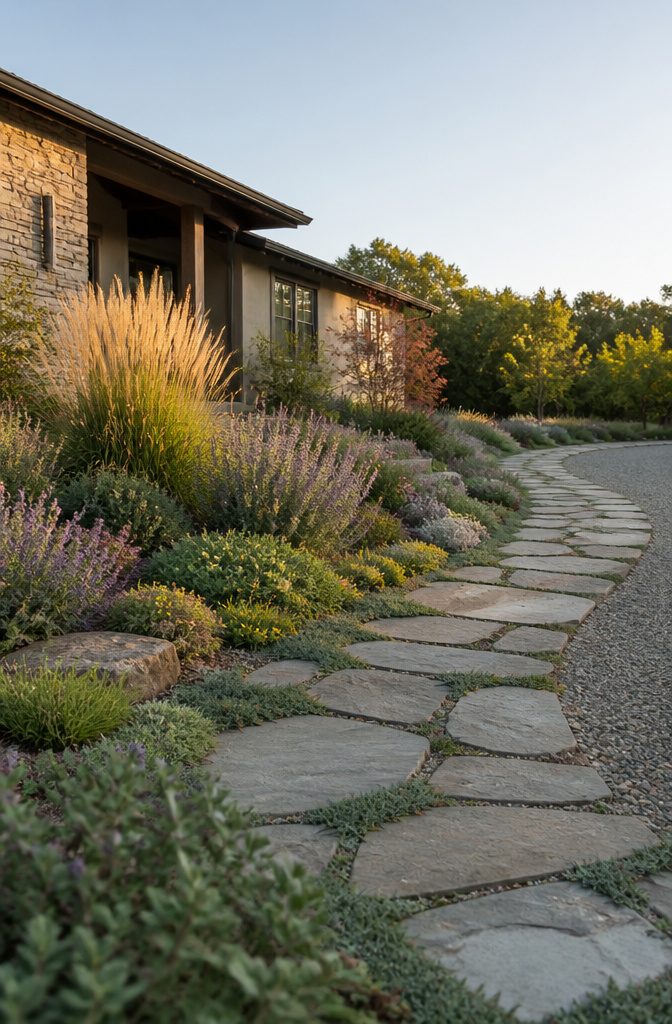
Plant the bed in three tiers, tall at the back, mid-height in the middle, low at the edges, and give it a curve and a path:
- Back tier: ornamental grasses or shrubs anchor the bed and set its height.
- Middle tier: mid-height perennials fill the space in front of them.
- Front tier: low groundcover softens the edge along the walkway or driveway.
- Bed lines: curve them. Straight edges read as a strip of plants; curves read as a design.
- Path: a paver or flagstone path winding through the beds adds structure, breaks up large planting areas, and gives the eye somewhere to travel.
- Between the stones: creeping thyme or creeping Jenny fills the gaps for a soft, finished look.
Recommended Products

💙 STRIKING SILVER-BLUE FOLIAGE Blue Whiskers Fescue forms neat, rounded mounds of fine, icy blue foliage that provide vibrant color and texture from spring through fall.

This live plant is unavailable to ship to HI and AK - Ships in pot with soil

Hardiness Zones: Hardy in USDA zones 5-9.
2. Flowers and Grasses Together
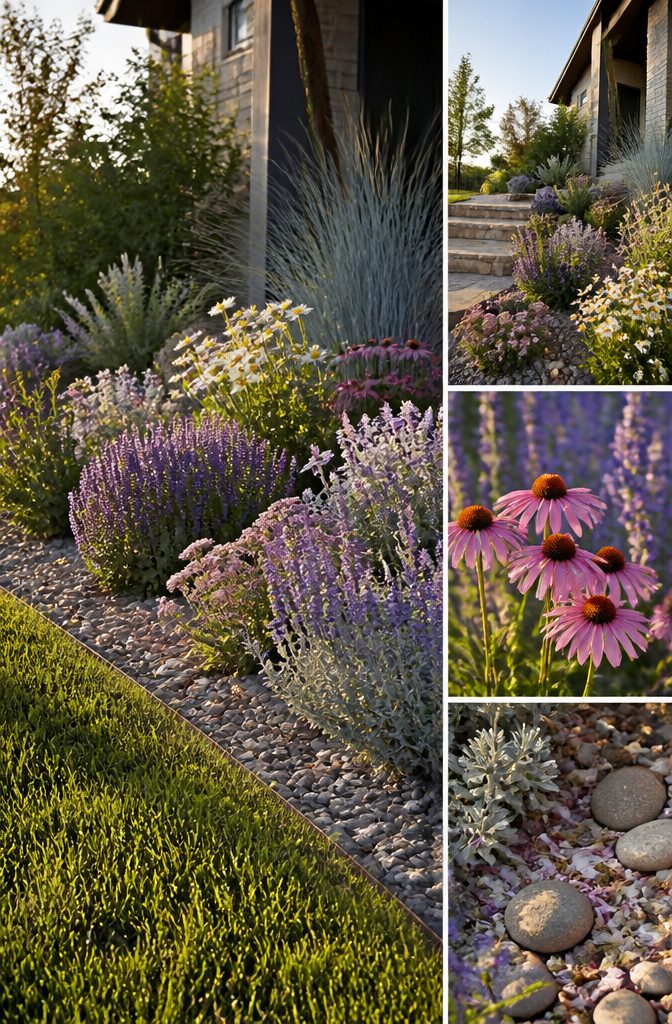
Coneflower, lavender, Shasta daisy, yarrow and Russian sage together give you months of purple, white and pink blooms, so a low-water front yard keeps its color.
Add Blue Avena or another ornamental grass for movement and texture. It sways in the wind and works as a sculptural focal point near the entry.
Mix plants that bloom at different times so something is flowering from spring through fall.
Check each plant’s bloom window on its tag before you buy. A bed of plants that all peak together looks flat the rest of the year.
This pairing was written for Colorado front yards, and the photo examples come from Arizona, Colorado, Texas and California. Check each plant against your own zone before you buy.
Recommended Products

🌱 10000+ Lemon Thyme Seeds for Planting Includes 10000+ lemon thyme seeds for planting, ideal for herb gardens, borders, containers, and outdoor landscaping projects with long-lasting aromatic foliage.


LOW-GROWING CREEPING THYME GROUND COVER: Purple Creeping Thyme creates a dense, low-growing ground cover with attractive foliage and seasonal blooms. Suitable for garden borders, pathways, landscape beds, and other decorative outdoor planting areas.
3. A Small Lawn Patch
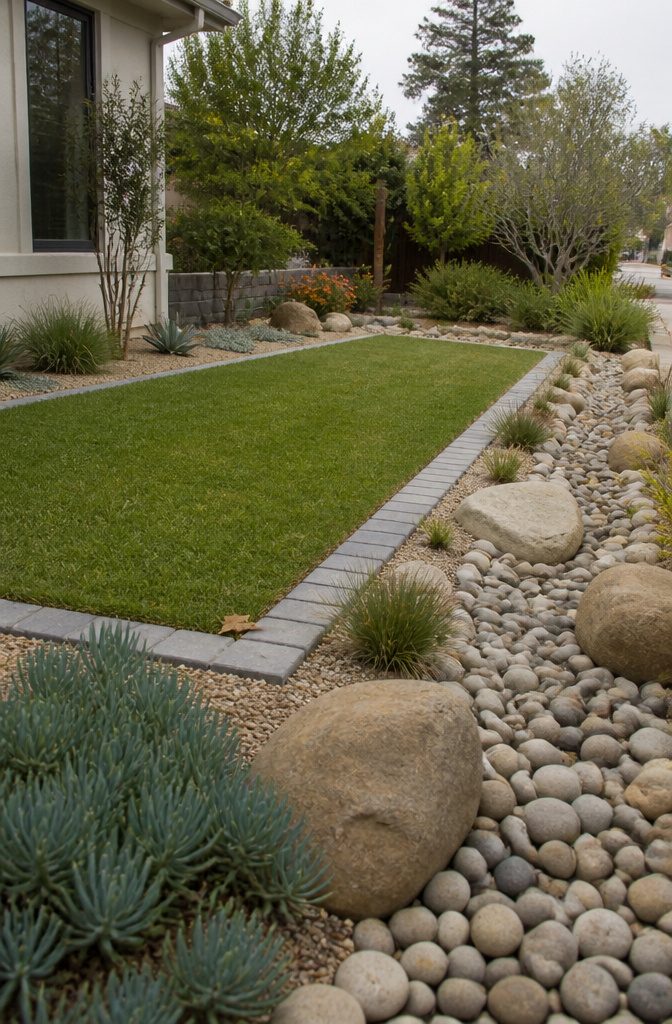
Keeping one small, defined patch of lawn is the easiest way into xeriscaping if you’re not ready to give up grass.
Convert the rest of the front yard to drought-tolerant beds and you keep the classic front-yard look: a square of green beside gravel, succulents and a dry stone creek.
Photos of xeriscaped yards often show exactly this mix, some lawn with mostly drought-tolerant plants.
Keeping a small patch of grass gives you a soft place to walk and play, and it costs you some water and mowing. The grass still needs water, but only the small patch does, not the whole yard.
Give it a crisp edge so it reads as a deliberate feature, and keep the shape easy to mow. Skip this option if you want the biggest water cut; go fully grass-free instead.
Recommended Products

WARM GLOW THAT MAKES YOUR YARD LOOK INTENTIONAL — These 17" vintage pathway lights feature high-efficiency 3000K LEDs and deliver two things at once: a beautiful, clear ground projection across your yard, plus reliable illumination for your garden, walkway, and driveway. It's the kind of light that makes your home feel cared for when you pull in at night. The set of 12 is enough to line both sides of a full pathway.

NYMPHY Solar Lights 4 Pack: Equipped with 56 amazing LEDs (market leading). Solar spot outdoor lights will create the perfect lighting accent wherever it is placed. Light up your garden by channeling the power of the sun without incurring a huge electricity bill. These solar lights can stay lighted for up to 6-20 hours, depending on the amount of sunlight they get. Compared with other solar-powered lights in the market, ours will stay lighted for longer, stay brighter, and are more durable.

2020 New Modern Style: Made of high-impact ABS plastic, boast a crisp black finish, the lampshade with mist surface treatment, non-glaring effect is better to mark your pathway.
4. Hardscape and Dry Creek Beds
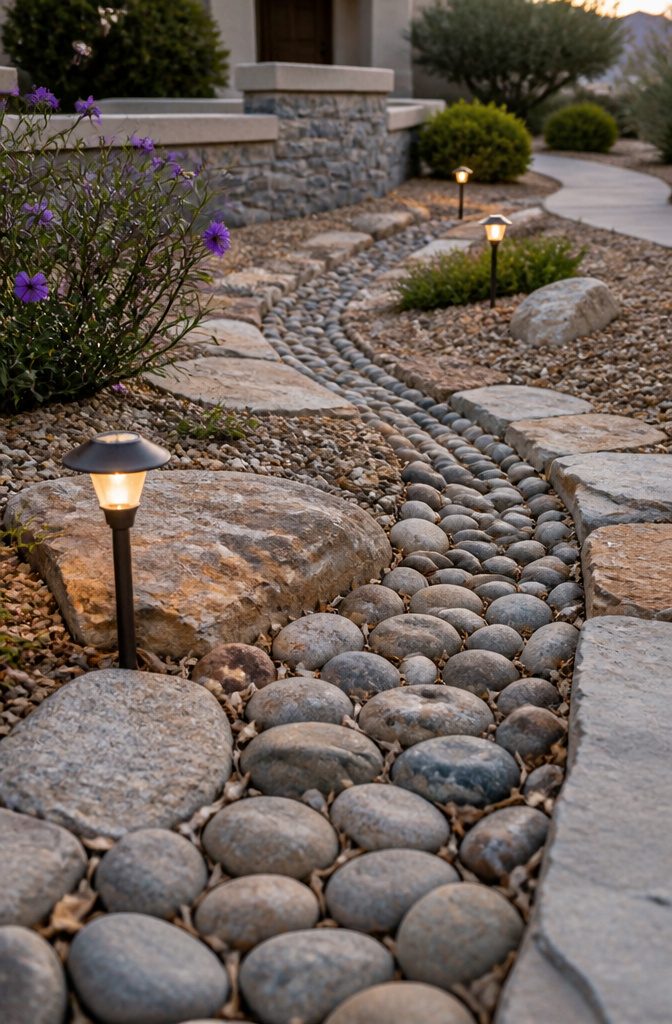
Every square foot of rock, flagstone, or gravel is a square foot you never plant or irrigate. Decorative rock, flagstone accents, and a boulder or two also add texture and visual weight to a front yard.
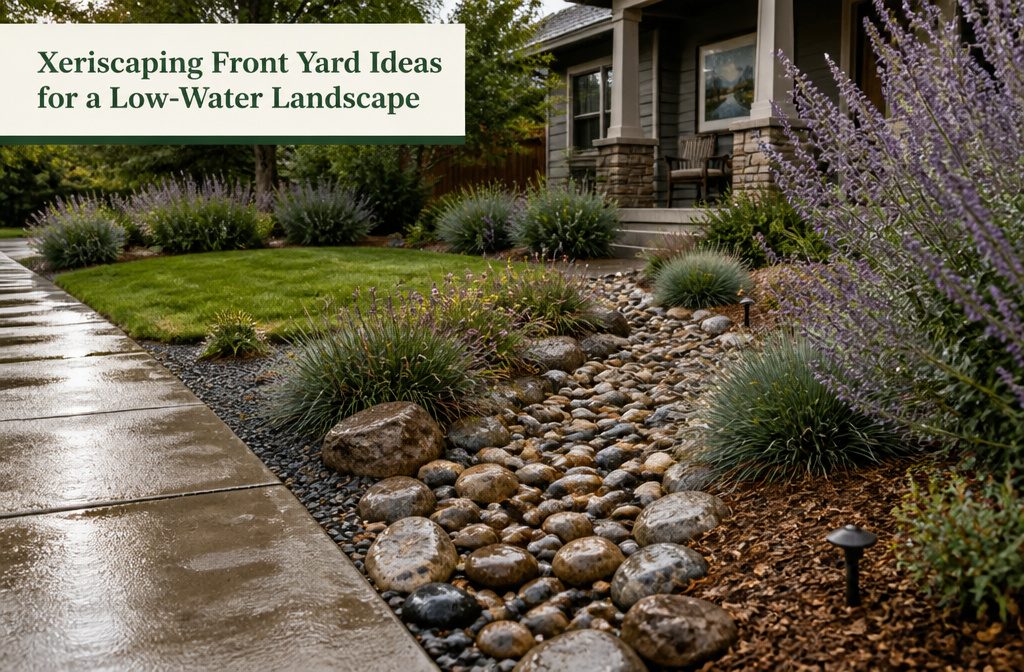
A dry creek bed does the most work of these. It is a design feature and a drainage channel in one, moving water through the yard during occasional downpours and staying dry the rest of the time.
A cobblestone creek running down the center reads like a natural stream. Solar lights along its edge light it at night with no wiring.
Stone can also add height.
A small wall built on a base of gray stones splits a flat yard into two levels. Desert Ruellia set among boulders and gravel gives you one plant accent in an otherwise stone bed.
Recommended Products

Shade-Loving Native Plant – Thrives in partial to full shade; ideal for woodland gardens and low-light areas.

🌾 Vibrant Golden Color for Stunning Landscapes Create eye-catching curb appeal with Golden Sunset Yellow Prairie Grass live plugs featuring tall golden blades that add texture, movement, and warm seasonal color to any garden or landscape design

🔥 SPECTACULAR FLAME-LIKE FALL COLOR Flame Grass transforms from rich green summer foliage into brilliant shades of orange, scarlet, crimson, and burgundy in autumn, creating a dramatic focal point in any landscape.
Contrast and Texture
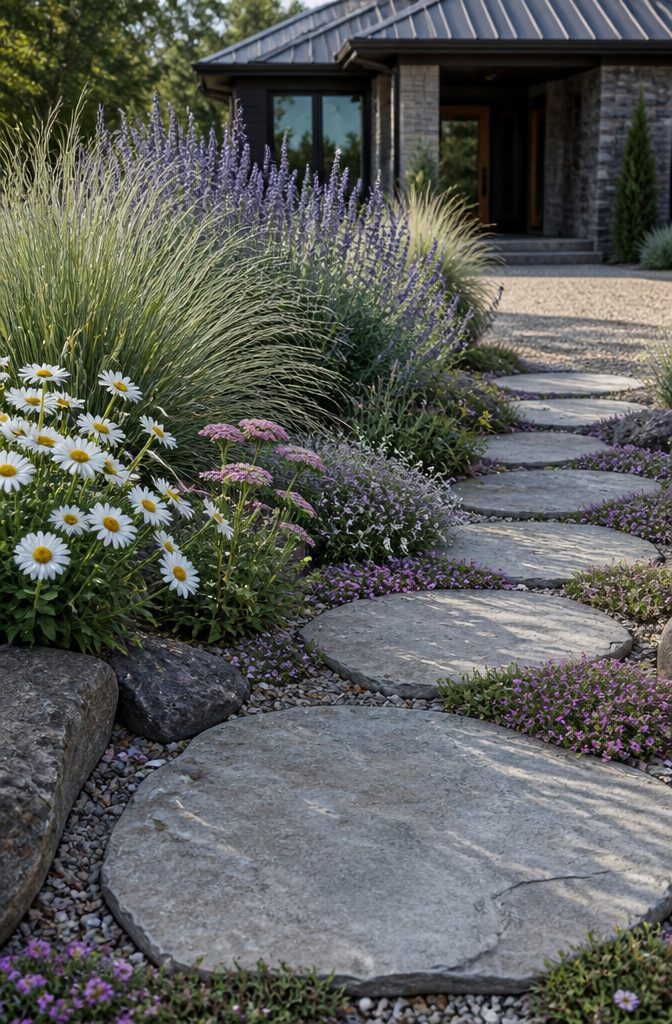
A xeriscaped yard looks planned when neighboring plants differ in shape. Set an ornamental grass, with thin blades that sway in the wind, beside the upright flower spikes of Russian sage or the flat blooms of yarrow and Shasta daisy.
Blue avena grass makes a bold, sculptural focal point near the entry, where the eye lands first.
Color does the same job. Purple, white, and pink blooms read clearly against gray stone, and staggering bloom times keeps something flowering from spring through fall.
For soft against hard, tuck creeping thyme or creeping Jenny between stepping stones so the gaps fill in and the path reads as a garden feature, not a strip of bare rock.
Recommended Products

62,000+ Seeds for Larger Areas: This generous pack of red creeping thyme seeds provides plenty for larger planting areas, multiple garden spaces, and reseeding

🌼 Brilliant Golden Blooms – Produces masses of vibrant yellow flowers that create a stunning carpet of color in spring and early summer.

🌼 Brilliant Golden Blooms – Produces masses of vibrant yellow flowers that create a stunning carpet of color in spring and early summer.
How the Yard Saves Water
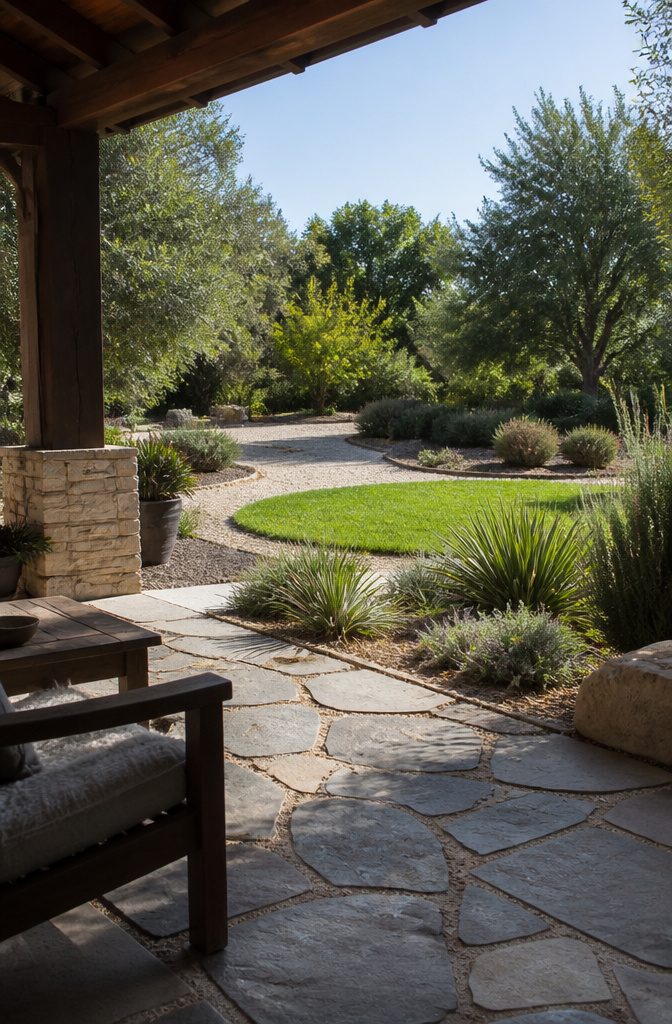
A traditional lawn needs water across its whole surface, which is why replacing most of it with drought-tolerant beds cuts water use.
The same yard then needs only a fraction of what turf takes. Keeping one small, defined patch of grass holds onto the classic green look while the rest of the yard stops drawing on the sprinklers.
Hardscape saves water from the other direction. Every square foot of paving, gravel, or stone is a square foot that never needs planting or irrigating, so the watered area shrinks before you buy a single plant.
With beds, a small lawn patch, and hardscape combined, water goes only where something is growing.
Recommended Products

INNOVATIVE DESIGN: Solar pathway lights adopt an integrated lamp head design, using highly transparent acrylic material and surface-cutting technology, making the lamp head present a diamond-like effect. The light projects 3 ft radius wide-coverage starburst patterns onto the ground at night. This lighting effect is design for decoration.
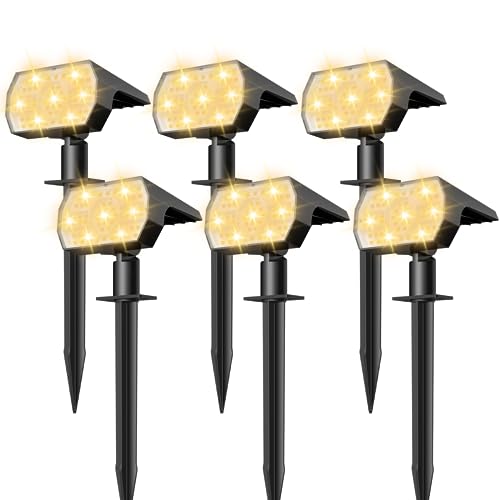
NYMPHY Solar Lights 6 Pack: Equipped with 56 amazing LEDs (market leading). Solar spot outdoor lights will create the perfect lighting accent wherever it is placed. Light up your garden by channeling the power of the sun without incurring a huge electricity bill. These solar lights can stay lighted for up to 6-20 hours, depending on the amount of sunlight they get. Compared with other solar-powered lights in the market, ours will stay lighted for longer, stay brighter, and are more durable.

2-in-1 DUAL LIGHT COLOR MODES - Do you like daylight or warm white light color? No need to pick with our Solar Path Lights, you can easily change between Warm White (3000 Kelvin) or Daylight (5000 Kelvin) light color to find your perfect light color. Switch between warm white for a cozy ambiance or daylight white for maximum visibility, perfect for everyday use, parties, or security lighting.