Costs range from free leaf mulch to artificial turf at $7 to $18 per square foot, but sun and drainage decide which ideas suit your yard.
Self-cleaning roses need at least 6 hours of sun, and succulents sit badly in wet soil, so check your sunniest and soggiest spots before buying anything.
1. Rock and Gravel Beds
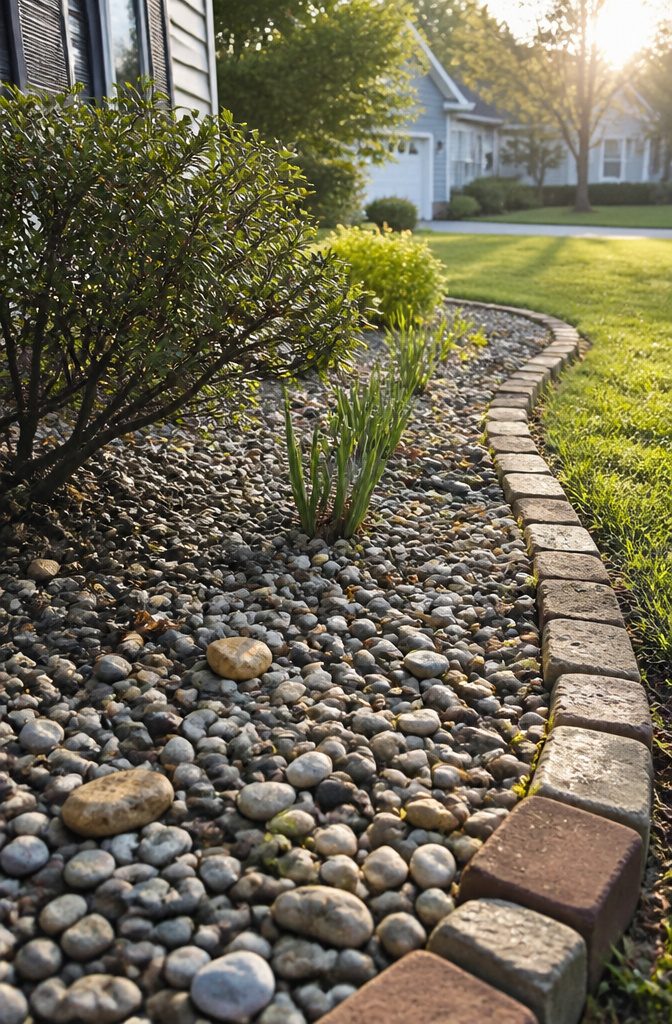
Pea gravel or river rock beats wood chips and pine straw as mulch because you don’t have to replace it every spring or fall. Bob Vila gives the depth:
For best results, aim for a 2- to 4-inch layer of one of these small-sized landscaping rocks, with the thinner layer for small-particled rock.
— Bob Vila
Go thinner with fine gravel, and pull any weed the day it shows, before it seeds.
For a path or small patio, man-made gravel holds up to foot traffic. Natural gravel is smoother but shifts, so save it for light use.
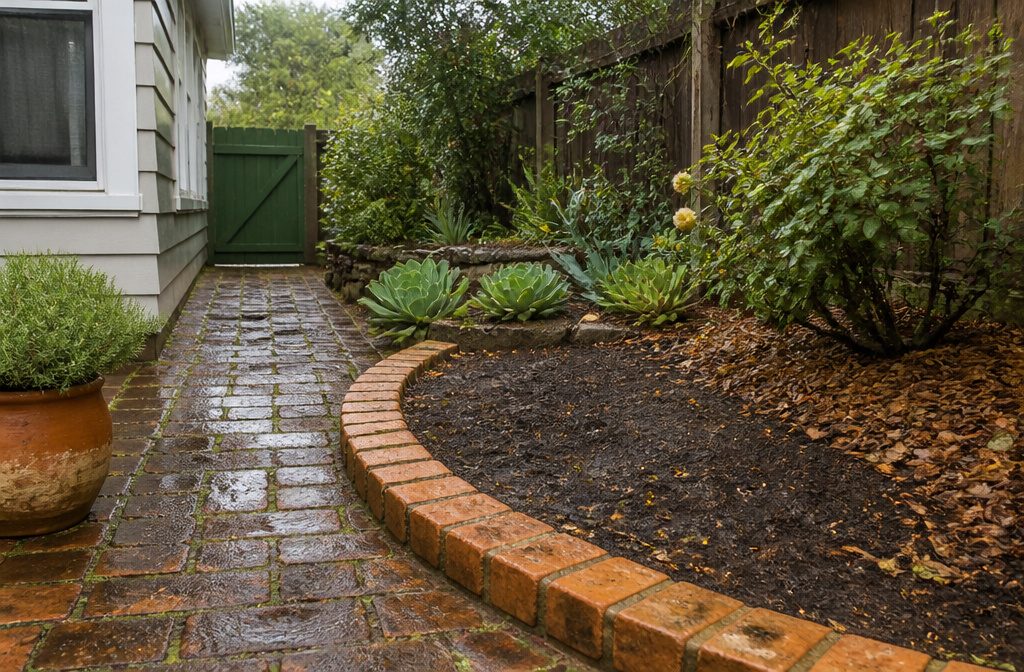
Bricks, stones or broken pavers you already have, set along a bed’s edge, define it without a store-bought border.
Recommended Products

Long-Lasting Use: Made of high-quality, weather-resistant plastic, this landscape edging is both sturdy and flexible enough to hold pebbles, mulch, and other materials in place

【Durable & Flexible Plastic Material】Made of high-quality, weather-resistant rubber, the MIXC garden edging border is designed to bend and shape easily to your landscaping needs. Whether you’re installing in straight lines, curves, or circular beds, the soft yet sturdy material can be trimmed as needed to match your garden layout. Great for long-term outdoor use in all seasons.
2. Add a Walkway
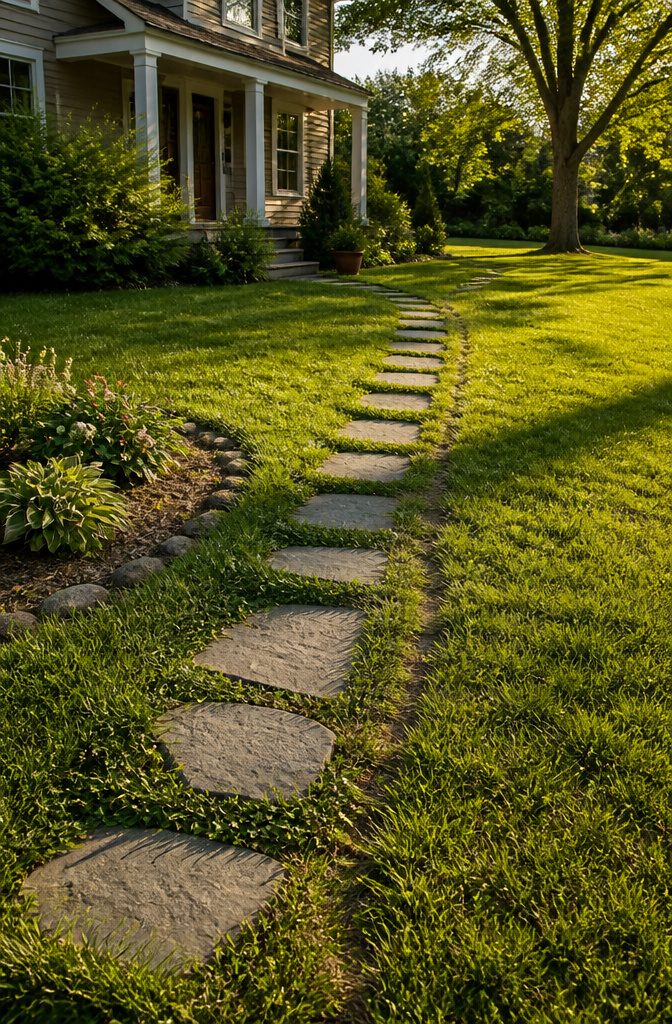
A walkway gives visitors a clear line to the door and makes a plain front yard look planned. Gravel is the cheapest material to lay yourself: dig out the path, spread it, and rake it level.
It creeps into the lawn without edging and is rough going for strollers. Stepping stones set into lawn or ground cover are nearly as cheap, but they suit a casual path better than a main entry.
Pavers cost more and need a level, compacted base, yet they stay put and look tidy.
Flagstone and other natural stone look best and cost the most; the pieces are heavy and uneven, so they fit slowly. Wood works in dry shade but turns slick and rots where it stays wet.
Recommended Products

【Natural River Stone】Our stepping stones, made from river rocks, are naturally stunning. Each stone, crafted from genuine river stones, retains its natural texture to highlight its intrinsic beauty. With their unique natural colors, they can create an eye-catching garden path for your patio.

RUBBER STEPPING STONES: Elevate your outdoor space with these lightweight simulated flagstone rubber pavers that offer the timeless beauty of real stone without the heavy lifting.

UNIQUE OUTDOOR WALKWAY SOLUTION: Elevate your garden, lawn, or backyard with BIRDROCK HOME Rubber Stepping Stones. These durable pavers create a functional and stylish walkway, enhancing your landscape while providing a solid and reliable surface to walk on.
3. Mulch Your Beds
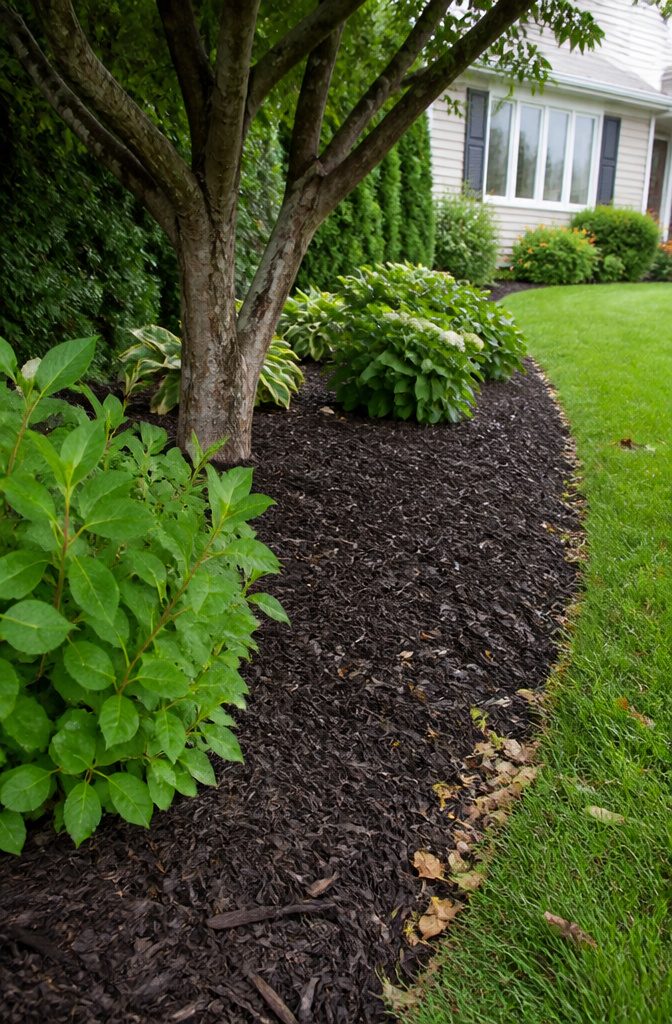
Mulch around trees, shrubs, and flower beds gives a yard a clean, finished edge for very little work.
Bark or wood chips are the best pick for most beds, because the dark color sets off green foliage and makes a bed look tended even before the plants fill in.
The layer also holds moisture in the soil, so you water less, and it suppresses weeds. Rock is a separate option, covered with the gravel beds.
Your own yard supplies free mulch every fall.
Run a mulching mower over fallen leaves instead of raking them, and leave the shredded layer on the lawn no thicker than 1 inch, since a heavier layer builds thatch. Spread any extra over your beds.
Recommended Products

Natural Organic Tree Ring: These tree mulch rings are made of natural coconut fiber, which is very thick, the fiber is evenly distributed, and sturdy, it can keep the soil moisture in the pot well, they can also prevent weeds from growing arbitrarily

ALL-NATURAL INGREDIENTS: No added fertilizers or pesticides

Mulch Ring Tree Mat: You will get 6 pcs tree mulch ring, which are enough for your daily needs, you can use the tree ring to keep weeds from growing; cover them on the roots of plants to look beautiful and tidy
4. Choose Native Plants
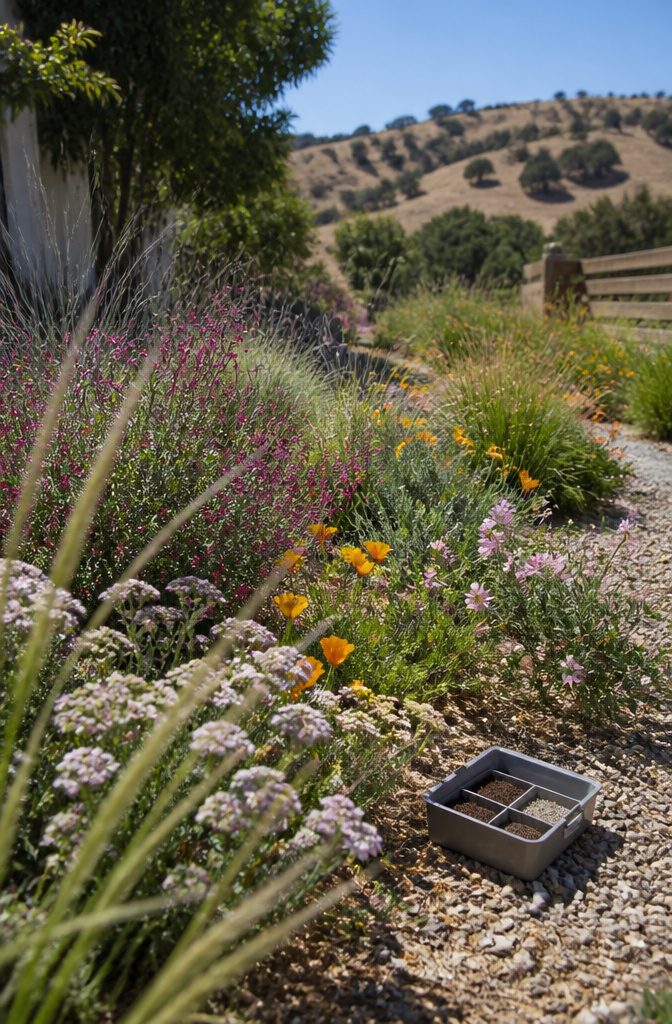
Native plants evolved in your local climate, so they need less water, fertilizer, pesticide and general care than imports, and they draw local birds and butterflies.
In Southern California, good examples include California fuchsia, De la Mina verbena, California buckwheat, California poppy, apricot mallow and deer grass, which stays green through summer without watering.
Those picks suit that region only. For your own list, search "native plants" plus your state.
Check each plant’s USDA hardiness zone before you buy, because anything too tender will fail and waste your budget.
A soil test shows what your dirt lacks and helps you choose plants for your soil type. Your local extension office can help you read the results.
Recommended Products

PREMIUM DROUGHT TOLERANT WILDFLOWER MIX: A carefully curated blend of hardy wildflowers selected to thrive in hot, dry, and low-water conditions. Suitable for xeriscaping, water-wise gardens, low-water landscapes, and challenging growing environments across the continental USA

EXTRA LARGE PACKET contains over 1 full ounce of pure live seeds (7,500+ seeds) - Enough to cover 100 square feet.
5. Plant Perennials
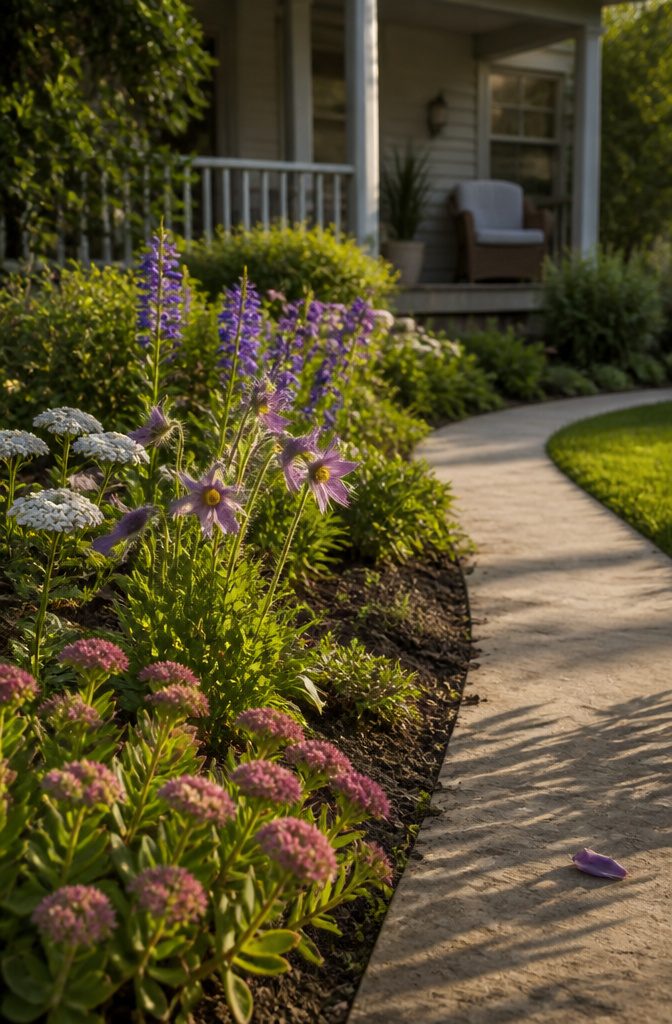
Annuals die at frost and get bought again every spring. A perennial costs more at the checkout, but you pay once and it returns, so the savings grow with every year it survives.
For a yard you tend casually, start with pasqueflower, which tolerates drought, and penstemon, which looks delicate but is durable.
In hot, dry spots, sedum and yarrow are the safest buys. Yarrow can look like a weed, but it earns its place.
Choose plants with different bloom times so something is always flowering. Buy a few kinds now and add more each season as your budget allows.
6. Solar and String Lights
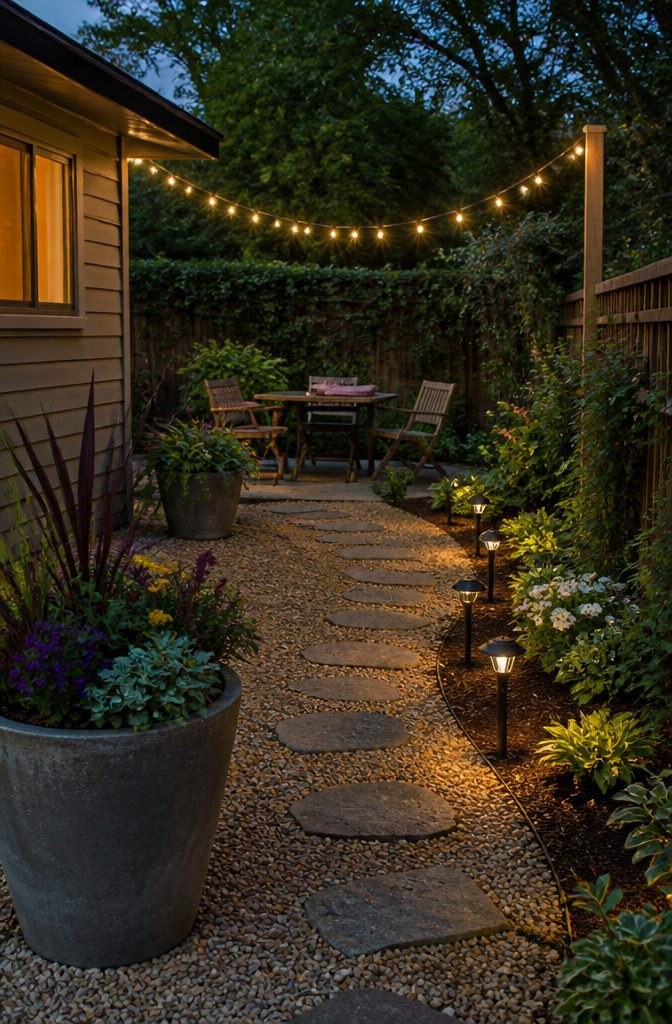
Solar lights need no wiring, so installation means pushing a stake into the soil. The panel charges during the day, the light comes on at night, and your electric bill stays the same.
Line them along a path, around a garden bed, or beside the front entry. Set each one where it gets direct sun most of the day, because under a shrub or porch roof it runs dim or quits early.
String lights suit a patio or backyard better. Hang them over the seating area, where a fence, post, or eave gives you something to anchor to.
Recommended Products

【GLOWING STEPPING STONES】Turn an ordinary garden path into a nighttime feature. Luminous glass stones absorb light during the day and create a beautiful blue-green glow after dark.


【Real Concrete Stepping Stone – Stronger Than Resin Alternatives】Made from real cement instead of plastic or resin, this heavy duty stepping stone offers superior durability and weight. Designed for long-term outdoor use, it naturally strengthens over time and stays firmly in place on garden pathways.
7. Replace Part of the Lawn
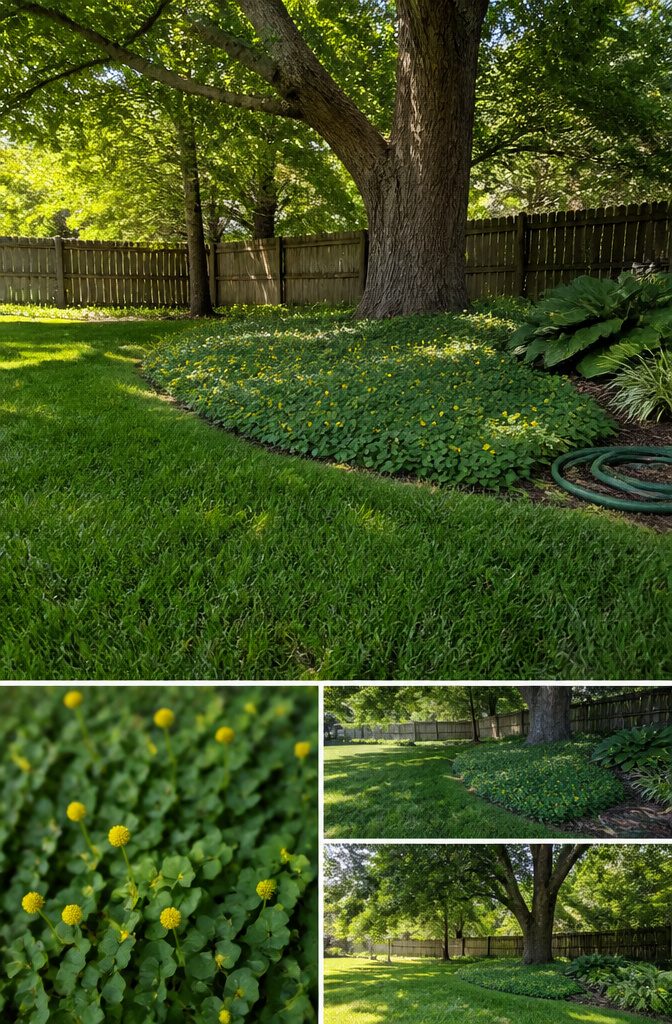
Start with the patch of lawn that costs you the most effort, like the corner you mow around or the bare spot under a tree, and replace only that.
Mat-forming ground covers such as New Zealand brass buttons (Leptinella squalida), Scotch or Irish moss (Sagina subulata), and low-growing clover make a plush carpet that cuts mowing, watering, and fertilizer.
Choose by your climate and how much foot traffic the spot gets. Where nothing needs to grow, gravel or pavers also work.
Artificial turf is the pricey option, at $7 to $18 per square foot for nylon or polymer.
A 100-square-foot patch runs $700 to $1,800, which can swallow a whole year’s yard budget. Skip it unless you truly want zero upkeep.
Recommended Products

Coconut Fiber Mulch Ring: You will get 3 pack round mulch rings, which are perfect for potted plants both indoors and outdoors, cover them on the roots of potted plants to look beautiful and tidy and keep weeds from growing
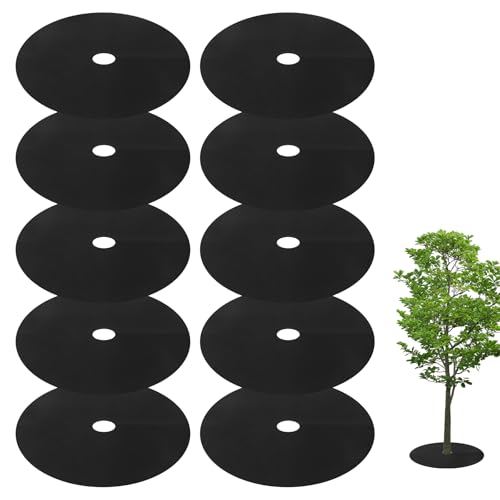
SUPERIOR WEED CONTROL & SOIL PROTECTION – Each tree ring mat measures 39 inches in diameter, providing ample coverage around mature trees, shrubs, and plants. Made of thickened felt material, it blocks sunlight effectively to prevent weed growth while maintaining soil moisture and temperature stability.

Natural Organic Tree Ring: These tree mulch rings are made of natural coconut fiber, which is very thick, the fiber is evenly distributed, and sturdy, it can keep the soil moisture in the pot well, they can also prevent weeds from growing arbitrarily
8. Automate Watering
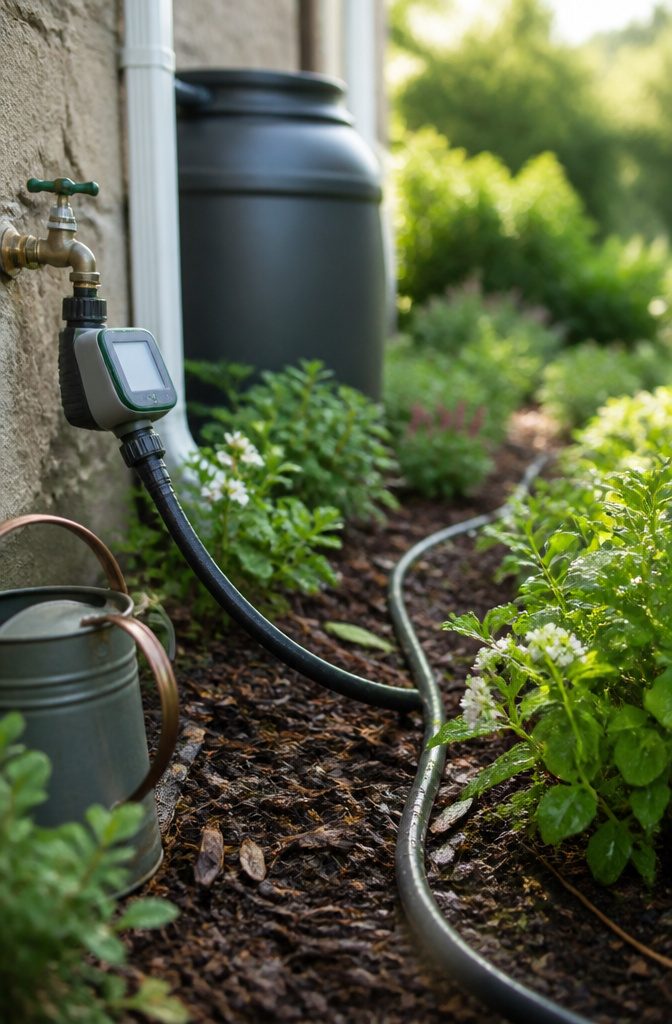
The Rain Bird hose-end timer costs $49.98 on Amazon, and it’s the easiest fix for forgotten watering.
It threads onto your hose bib, has a digital panel, and offers "water now" and "cancel watering" buttons that override the schedule. Run it to a soaker hose laid through your beds under a thin layer of mulch.
Add quick-connect fittings next.
Put a female end on the main hose and a male end on every sprayer, sprinkler and soaker. Swapping tools then takes one pull and a snap.
A rain barrel under a downspout gives you free water.
Empty it before winter so ice doesn’t damage it. If a barrel is more than you want to manage, redirect a downspout 15 feet to a tree and let each storm water it.
Recommended Products
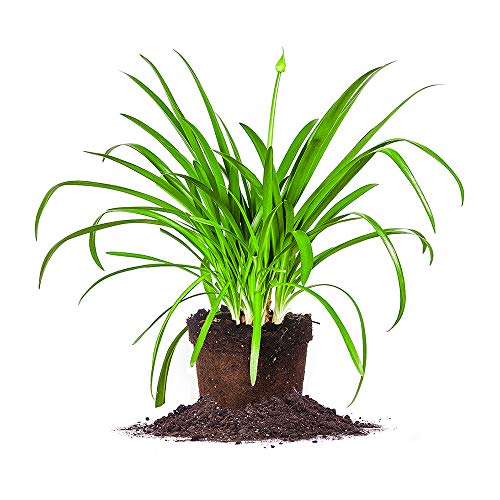
💙Blue Agapanthus is a terrific Option for gardeners and landscapers looking for flowering ground cover! These spring blooming plants grow up and outward, making them an ideal plant to plant in mass for Small borders or Small hedges.

SPECIALIZED FOR SOUTHWESTERN CLIMATES: This heirloom Southwest wildflower seed mix is an ideal wildflower mix for planting and growing in gardens and lawns. Custom-crafted for the unique conditions of the Southwestern U.S., it thrives in hot, dry summers and elevations below 7,000 feet. Perfect for planting from spring to fall, it ensures vibrant flowers and a resilient garden in regions like Arizona, Southern California, Southern Nevada, New Mexico, and Utah.

PREMIUM CALIFORNIA WILDFLOWER MIXTURE. Elevate your garden with Sweet Yards California Wildflower Mixture, a bulk 1-ounce packet bursting with over 7,000 native seeds. This open-pollinated and non-GMO mix is thoughtfully curated for maximum beauty and biodiversity.
9. Evergreen Shrubs and Ground Covers
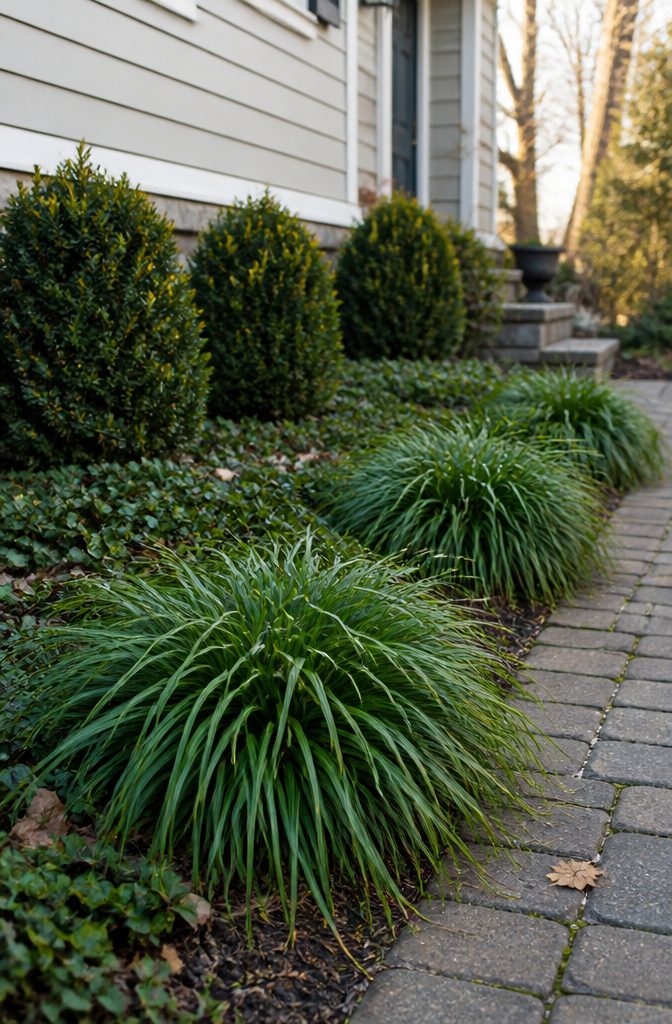
Evergreens keep their color all year, so a bed never goes bare in winter.
Use dwarf varieties in flower beds, set shrubs against the house to hide the foundation, and choose tall, columnar types for privacy. Creeping varieties work as ground cover.
For a border along beds and walkways, clumping monkey grass (Liriope muscari) is the low-effort pick.
It stands up to dogs, deer, bugs and weeds, and it grows in a range of soils and climates. It reaches about 15 inches, so trim it for a neat edge or let it grow long for a looser look.
Buy fewer plants and make each one count. Repeat the same shrub or grass in groups of 3 or another odd number, which reads as deliberate rather than scattered.
Recommended Products

150 UNBREAKABLE STEEL STAKES – Unlike common brittle plastic spikes that snap instantly in hard soil, our flower bed edging kit is equipped with 150 premium steel stakes. These solid metal anchors easily penetrate clay. Secure your landscape edging firmly with confidence and say goodbye to frustrating plastic tools.

【READY TO USE MULCH BINDER — NO MIXING, NO MESS, JUST SPRAY】 Skip the measuring cups and complicated ratios. This ready to use mulch binder comes pre-mixed for fast application straight from the bottle. Simply pour into a garden sprayer or use with an electric sprayer (not included) to secure bark, wood chips, pine straw, and decorative landscape materials with less effort and more consistent coverage.

Durable & Flexible Material GTSABWAY garden edging is Made from high-quality metal, ensuring superior durability and flexibility. Easily shape it into straight lines,curves, circles, or unique contours ,without cracking,Can withstand all kinds of weather conditions, ensuring long-term durability and reliability. providing reliable Garden Border solutions.
10. Succulents in Sunny Spots
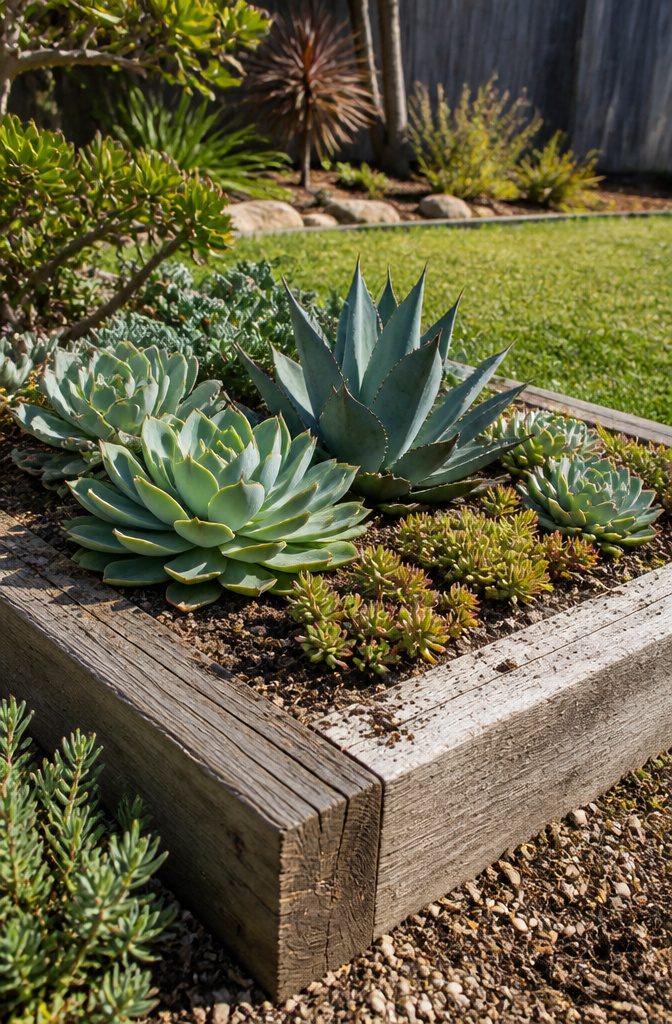
Echeveria, agave, and sedum are tough, colorful, and need little water once they settle in, which makes them a good fit for the hottest, sunniest bed you have.
They also mix well with other plants, so tuck them in among your other plantings instead of confining them to a separate succulent corner.
Drainage decides whether they live.
Their roots are shallow, and they sit badly in wet ground. If your soil is heavy or stays damp after rain, plant them in a raised bed filled with porous, well-aerated soil.
Skip them in shade, where they grow leggy and lose their color. Winter cold is the other limit.
Hardiness differs from plant to plant, so check the tag’s zone against yours. If it falls short, grow them in pots you can bring indoors.
Recommended Products

【Real Concrete Stepping Stone – Stronger Than Resin Alternatives】Made from real cement instead of plastic or resin, this heavy duty stepping stone offers superior durability and weight. Designed for long-term outdoor use, it naturally strengthens over time and stays firmly in place on garden pathways.

Build a Longer Garden Path: 16 pack 15 x 15 in rubber stepping stones provide about 25 sq ft of total surface area, offering enough pieces to create longer decorative walkways through gardens, lawns, flower beds, side yards and backyard landscaping
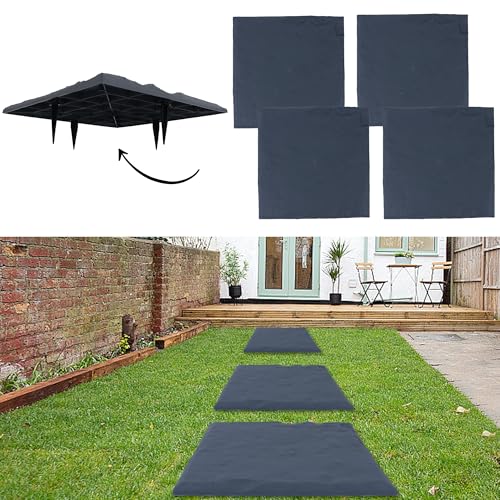
Durable & Easy: These 15.5" stepping stones are made of weatherproof resin, so they can withstand rain, hail, UV rays, and cold temperatures. They also feature four ground stakes for secure installation, making them perfect for patios, walkways, and gardens.
11. Self-Cleaning Roses
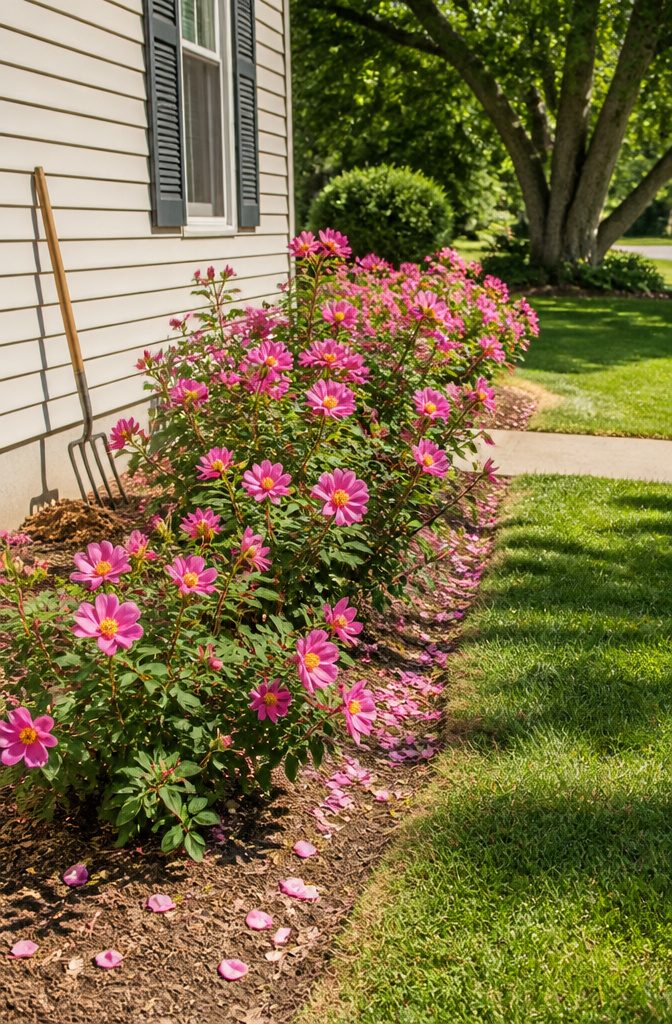
Self-cleaning roses, with Knock Out as the best-known name, give you color without the usual rose chores. They tolerate heat, need little to no pruning, and drop spent blooms on their own, so you skip deadheading.
Feed with an organic rose food in early spring, then apply a liquid fertilizer to the leaves (a foliar feed) through the blooming season.
They need at least 6 hours of sun a day, and that rules out many yards.
In a shaded bed they won’t thrive, so plant something else there. Reserve them for a sunny front strip or a bed along a south-facing fence, where they pay back the $0 effort you’d otherwise spend on trimming.
12. Grow From Seed
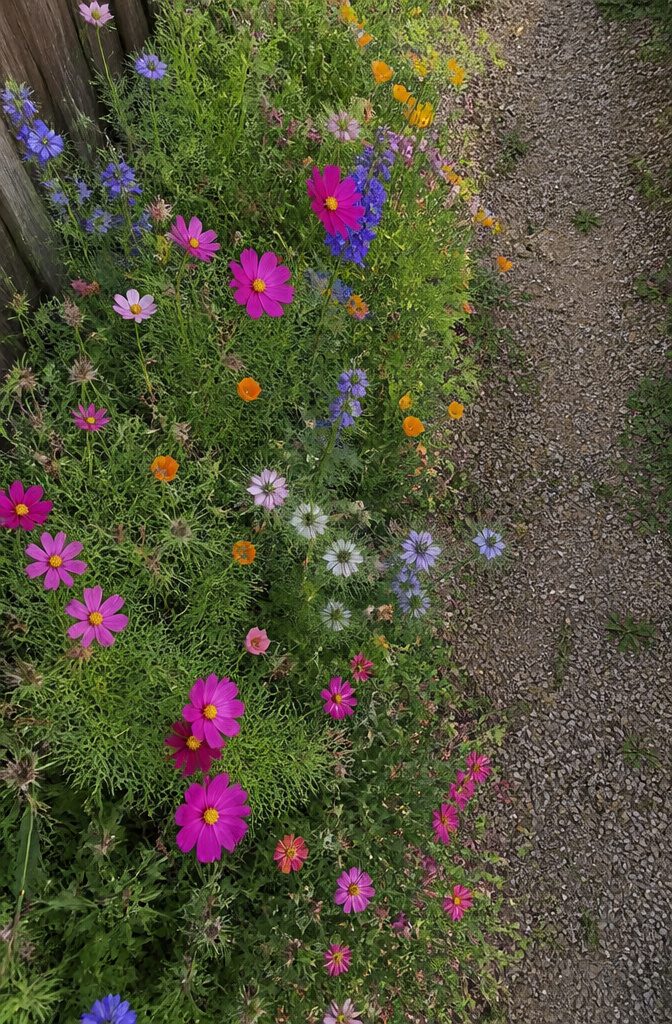
Seed packets cost far less than nursery plants, and some annuals refill the bed on their own.
Sow cosmos, California poppies, giant larkspur, nigella, or portulaca once, then leave the faded flowers on through late summer so the seeds drop or blow around.
Dill and parsley reseed the same way, and dill hosts butterflies. Save seed from your own plants and you only buy packets once.
Runners fill ground even faster.
Creeping Jenny, strawberries, and mint send out stems that reroot. Give mint a container or a border you can pull.
Seeds mean waiting a full season for a full bed, and self-sowers turn up where you didn’t plan them. Pull extras while they’re small.
13. Planters From Household Items
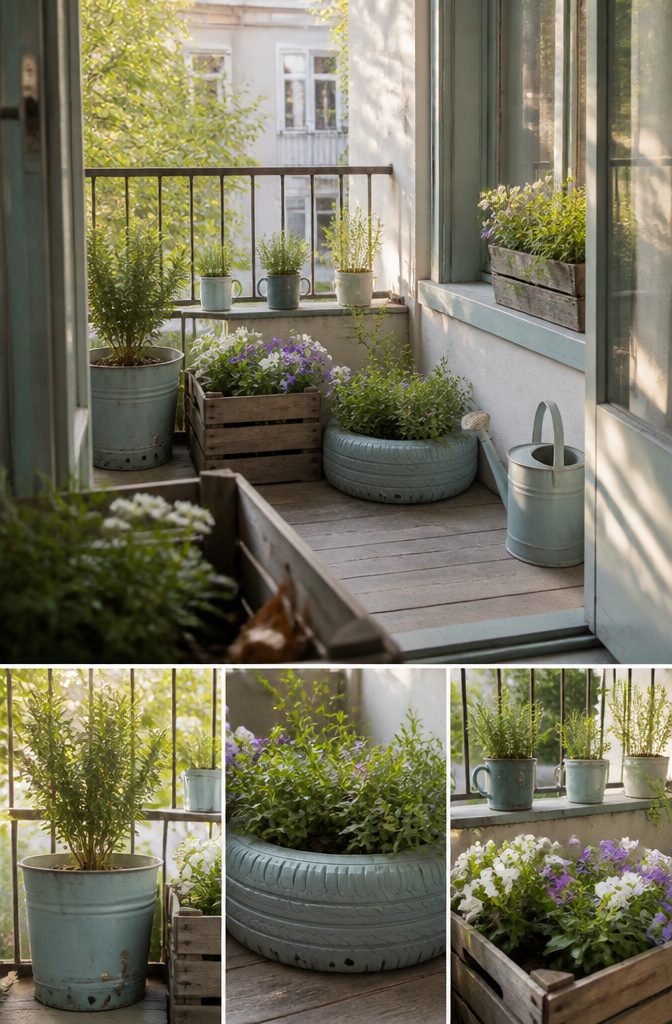
Old paint buckets, wooden crates, worn-out tires and broken mugs all make good planters, and most cost nothing.
Drill drainage holes in the bottom of anything that isn’t already perforated. Standing water rots roots faster than a dry spell kills them.
Paint the outside in a color that matches your door or trim, and a mismatched collection starts to look chosen. Mugs suit small herbs on a balcony rail, while buckets and tires have room for a small shrub.
Where ground space runs out, go up.
A window box mounted under a window holds flowers, trailing vines or herbs and takes no floor space. Swapping the plants each season keeps the front of the house looking fresh for very little money.
Clean Up Before You Plant
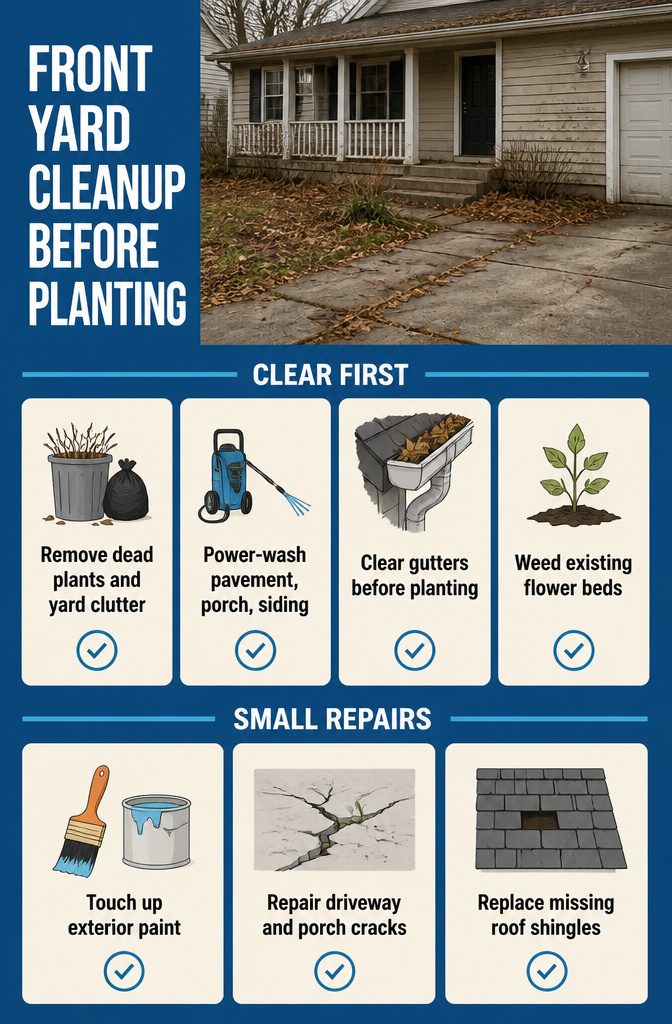
A clean property looks newer before you buy a single plant, and chipped paint and stray dirt are easier to fix once the clutter is gone. Work in this order:
- Pull dead or dying plants and clear clutter from the yard, driveway and porch.
- Power-wash the pavement, porch and siding.
- Clear the gutters.
- Weed the existing flower beds before anything new goes in.
Small repairs come next. They change how the house looks without replacing anything:
- Touch up exterior paint.
- Repair cracks in the driveway and on the porch.
- Replace missing roof shingles.
Where to Save on Materials
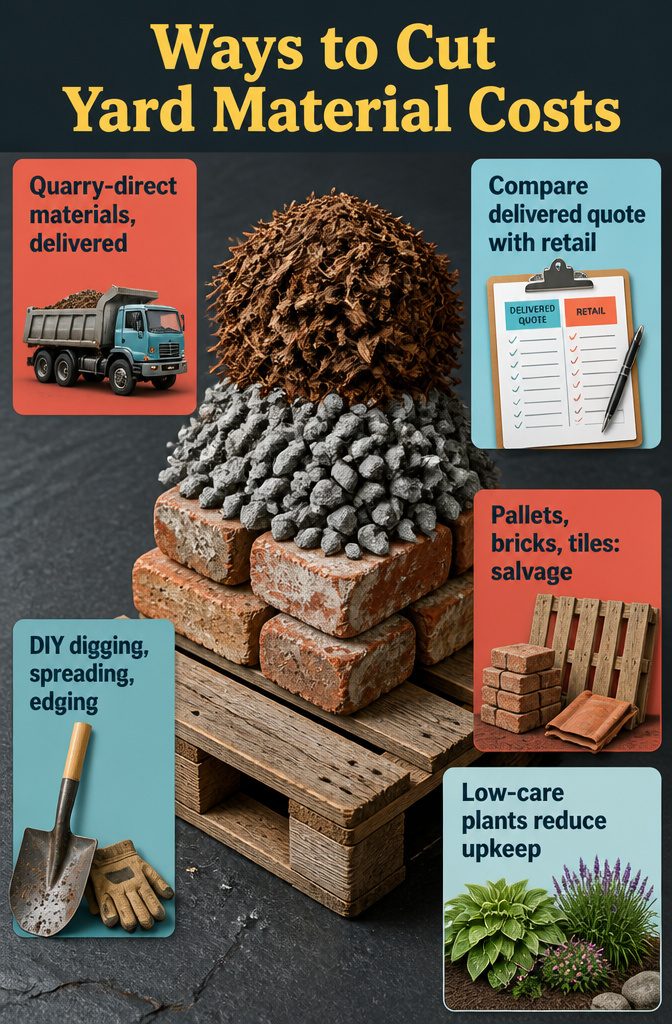
Materials are usually the biggest line in a yard project, and buying at the source cuts out the middlemen.
Pillar Aggregates, LLC sells everything from mulch to rock at quarry-direct pricing and delivers straight from its quarries, so you don’t pay the extra costs that stack up in retail.
Get a delivered quote and compare it with what a home center charges for the same material before you order.
Labor is the second place to save. Digging, spreading, and setting the edging yourself replaces a landscaper’s bill.
Salvage covers the rest: construction sites, home improvement stores, and even grocery stores may give away wooden pallets, and old bricks or leftover roofing tiles cost little or nothing. Low-care plantings then trim the upkeep bill after the first season.