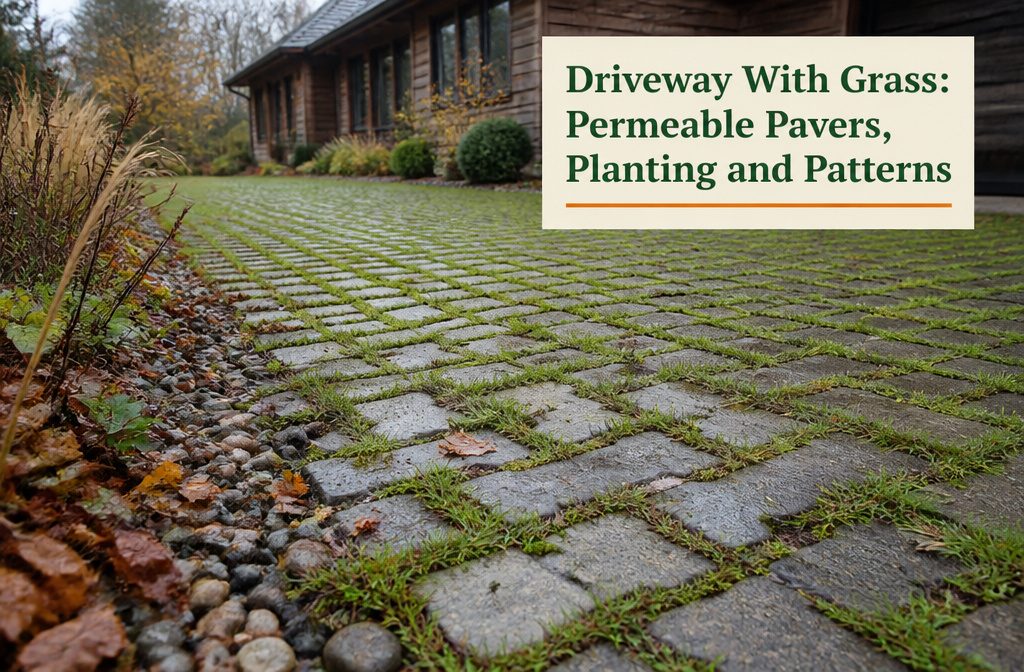
A grass paver driveway is a load-bearing grid or block surface with open joints for turf, so rain soaks into the ground instead of running toward the street.
It needs a compacted gravel base underneath, and it struggles where cars turn constantly. On a lawn, TRUEGRID’s ROOT pavers press into wet grass, and the turf grows in within weeks.
Permeable Grass Pavers
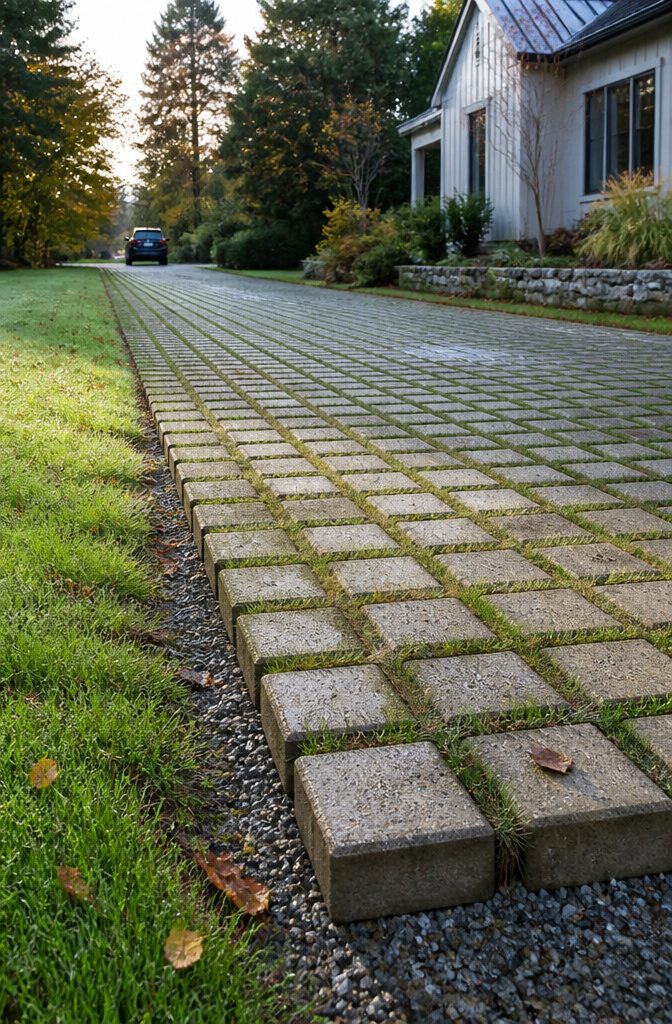
A grass paver driveway is a hard surface with gaps, so rain soaks into the ground under the car instead of running off your lot toward the street.
Two material families do the job. Plastic grid systems such as TRUEGRID are made from 100% recycled plastic, which skips the energy-heavy manufacturing of asphalt and concrete.
Block systems use thick units, either granite Belgian block cobbles or prefabricated concrete aggregate block, laid on a gravel base with open joints between them.
The thickness matters for a driveway, since cars and trucks load it far more than foot traffic does. The same surfaces also work for patios, terraces and walkways.
Recommended Products

DURABLE AND ECO-FRIENDLY: Crafted from 100% recycled PPE plastic, our gravel paver system delivers exceptional strength and longevity; This set includes 22 units with a 1-inch depth, covering an area of 65 square feet
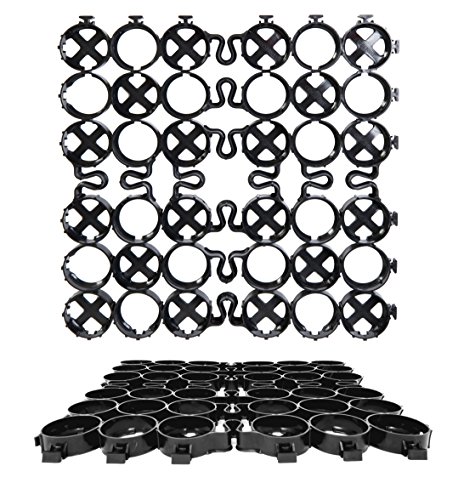
EASY TO USE: Our lightweight permeable pavers are easy for any level of DIYer to install; Feel proud of your own outdoor home improvements!

DURABLE AND ECO-FRIENDLY: Crafted from 100% recycled plastic, our gravel paver system delivers exceptional strength and longevity; This Permeable Paver System includes 14 units with a 2" depth, covering an area of 35 square feet
Choose an Installation System
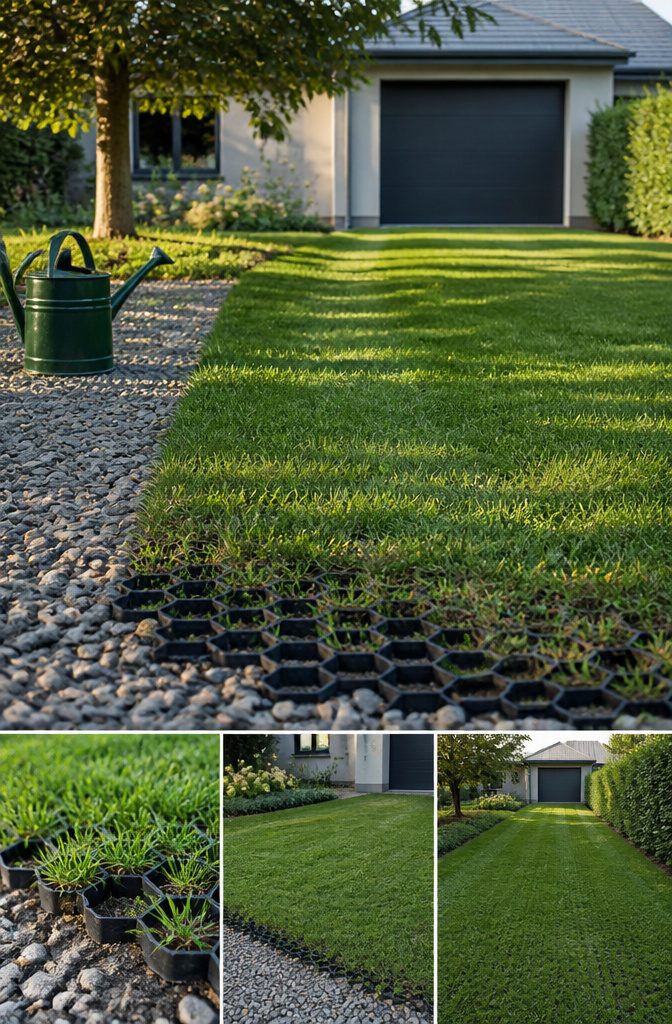
For an existing lawn, ROOT is the TRUEGRID system to pick.
It’s the easiest and least expensive of the three, and you can drive on it right away. Choose the others only if you’re willing to excavate or need heavier duty.
| System | Prep | Surface | Best for |
|---|---|---|---|
| ROOT | Wet the grass, press pavers in | Grass grows in within weeks | Existing lawns |
| PRO LITE | Excavate, fill with soil | Seed or thin sod | n/a |
| PRO PLUS | Same, plus rock base | Seed or thin sod | Fire lanes, heavy commercial |
| Block pavers | Compacted gravel base | Open joints, swept with sand mixture | Cars and trucks |
Recommended Products
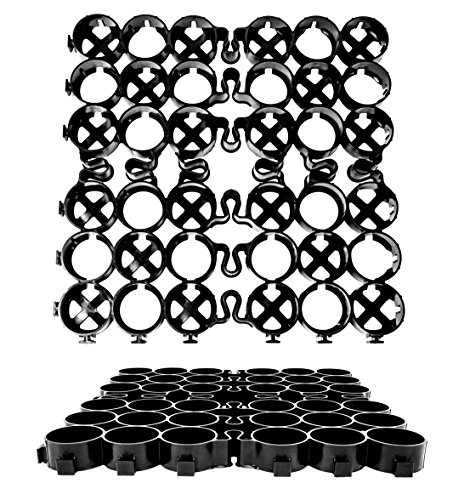
HEAVY DUTY: The PRO PLUS pavers are the industry strongest grid with patented flex joints, never-fail locking tabs handles 250,000+ lb vehicles with 1M psf compression strength

HEAVY-DUTY, DURABLE CONSTRUCTION : Our permeable pavers each piece measures 41 x 41 x 2.5 centimeters (16x16x1inch) and is made of thick, high-strength plastic mesh that can withstand vehicular traffic without deformation, ensuring the long-term durability of your permeable paving system

DURABLE AND ECO-FRIENDLY: Crafted from 100% recycled plastic, our gravel paver system delivers exceptional strength and longevity; This Permeable Paver System includes 14 units with a 2" depth, covering an area of 35 square feet
Planting for the Joints
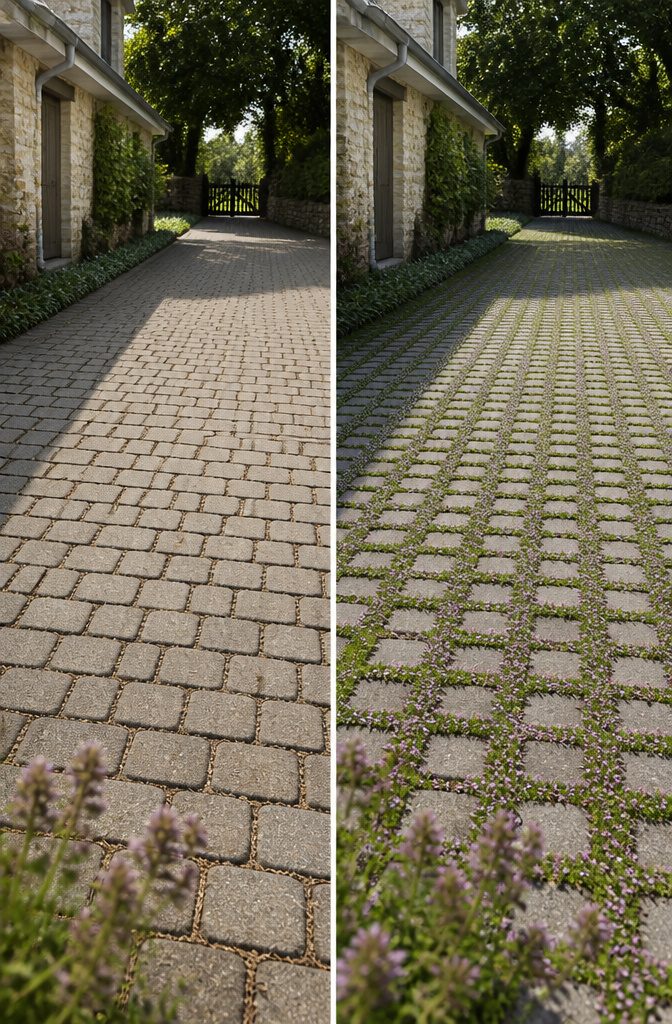
Seed is the slow route. Sod, thyme, or Mazus fills the joints faster, and your light decides which of the three to use.
- Cut-to-fit sod: trim pieces to the width of each joint. It establishes more quickly than seed, and it keeps weeds from taking root in the gaps. Choose it when you want the driveway to look finished fast.
- Creeping thyme, also sold as wooly thyme: plant it in the joints that get full sun.
- Mazus grass: plant it in the joints that stay shaded, such as along a north-facing wall or under a tree.
If your driveway has both light conditions, use thyme in the sun and Mazus in the shade rather than forcing one plant everywhere.
Recommended Products

LOW-GROWING CREEPING THYME GROUND COVER: Purple Creeping Thyme creates a dense, low-growing ground cover with attractive foliage and seasonal blooms. Suitable for garden borders, pathways, landscape beds, and other decorative outdoor planting areas.
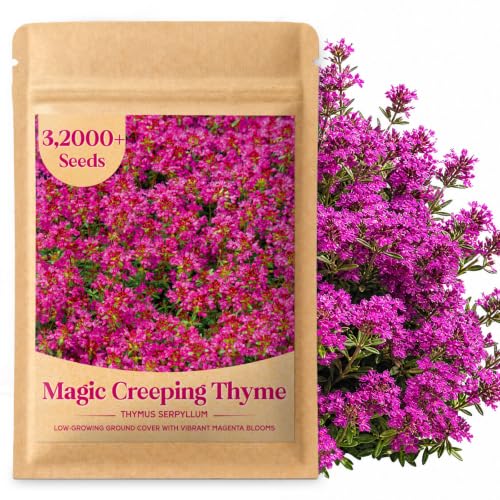
32000+ Seeds For Large Planting Areas: Over 32,000 Magic Creeping Thyme seeds provide generous coverage for pathways, garden borders, rock gardens, slopes and landscape projects. A great choice for creating a fuller planting area with a single packet
Paver Patterns
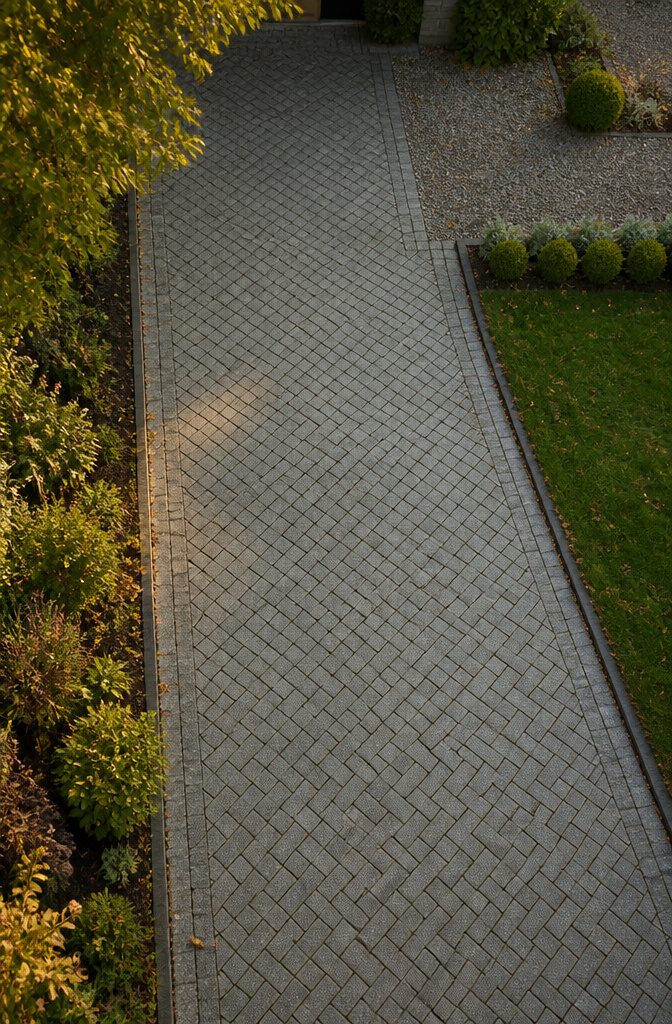
Choose one pattern and repeat it across the whole drive. Clean, organized, consistent layouts read as timeless.
- Running bond: A classic that suits Belgian block cobbles especially well.
- Chevron: The other strong match for Belgian block cobbles. Its angled rows add direction to the surface.
- Checkered grid: A square grid gives a tidy, regular look.
- Basket weave: A woven-looking repeat that stays orderly.
Size the pattern at human scale.
It should feel comfortable to walk and drive across, not overwhelming. A bold layout stretched over a wide drive can overpower the house.
Recommended Products

Strong permeable pavers are structured with 19.7 in. x 19.7 in.x 1.9 in. height (500x500x48 mm), cover 11 sf.(1 sm)

Ground Support for Vehicle Parking: Creates stable parking surfaces for cars, trucks, and trailers across driveways, event venues, and outdoor lots. These interlocking lawn grates deliver solid ground reinforcement without concrete or asphalt installation
Frame the Driveway With Planting
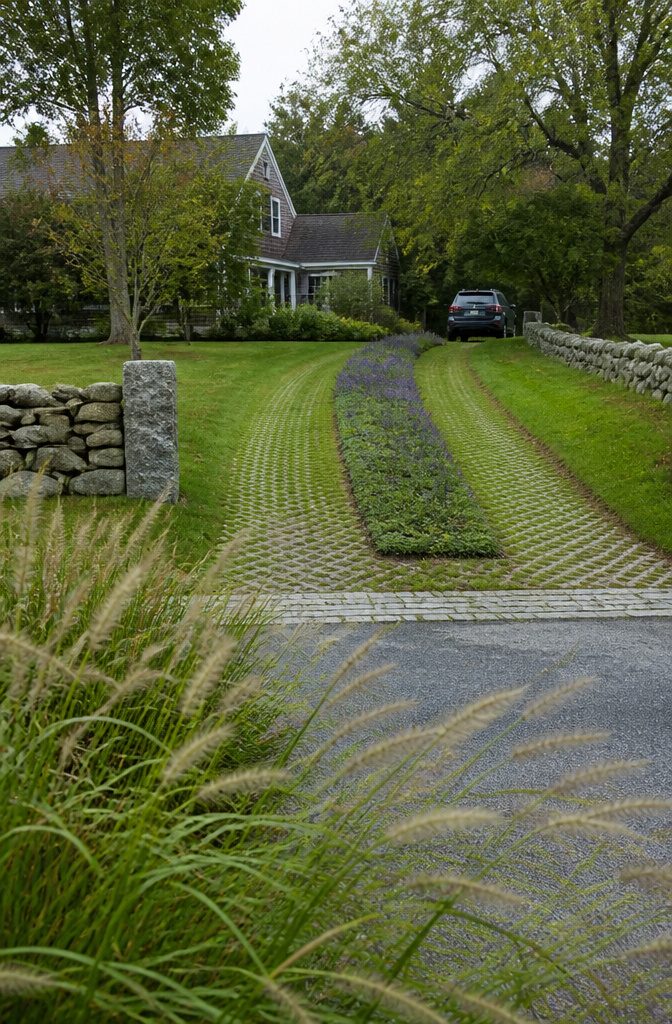
Tires touch only two narrow tracks, so a driveway doesn’t need paving from edge to edge. In the first layout, two tire strips carry the weight and a garden fills the middle.
From the street it reads as a long ribbon of planting, and it looks the most like a garden. Keep the center to low, tough plants, since it sits under the car.
The second layout reverses the roles: two gravel strips with a grass-paver strip between them. It looks tidier and more uniform, like a lawn edged in stone.
The tires ride on the gravel, so the grass strip sees little wheel traffic and stays greener. Pick the garden version for more plants, and the gravel version for less fuss.
Recommended Products

Strong permeable pavers are structured with 19.7 in. x 19.7 in.x 1.9 in. height (500x500x48 mm), cover 11 sf.(1 sm)
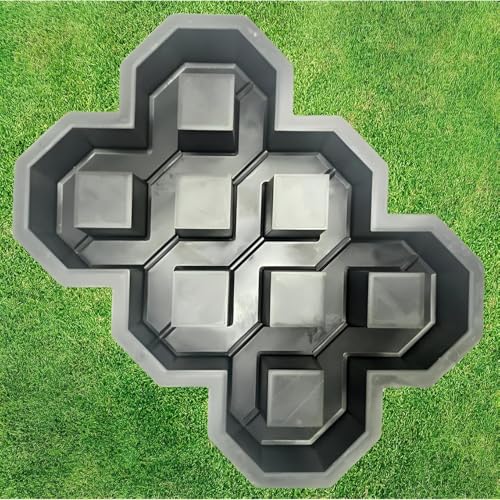
✅ 100% QUALITY🌲 Betonex Concrete Molds Plastic Molds for the making patio concrete tiles. Reusable Paving mold for concrete - Easy to use to create a wonderful garden walkway, garden path stones, stepping stones, pathway, backyard path.

✅ 100% QUALITY🌲 Betonex Concrete Molds Plastic Molds for the making patio concrete tiles. Reusable Paving mold for concrete - Easy to use to create a wonderful garden walkway, garden path stones, stepping stones, pathway, backyard path.
Lower Upkeep and Cost
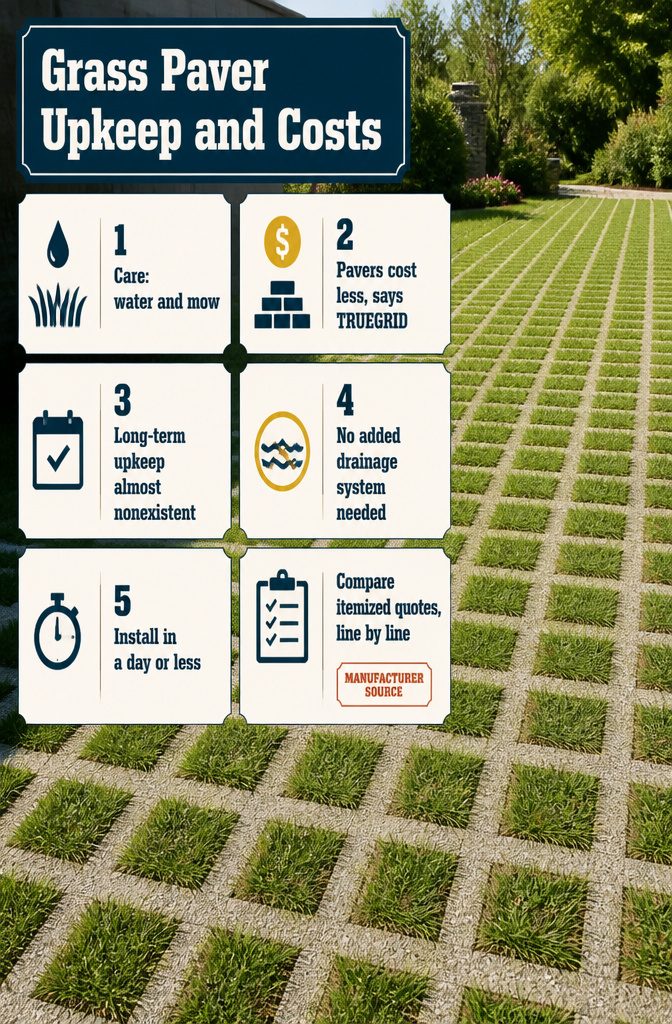
TRUEGRID, a maker of grass pavers, says care for the surface is the same as for a regular lawn: "Just water and mow it, that’s all." The company also says its pavers cost less than concrete or asphalt, and it describes long-term maintenance costs as almost nonexistent.
Two more claims bear on your budget.
TRUEGRID says no added drainage system is needed. It also says installation takes a day or less, which would cut labor charges.
All of this comes from the manufacturer, and the company gives no dollar figures. Request itemized quotes for a grass paver driveway and for concrete or asphalt, then compare the totals line by line, including base work and drainage.
Water and Drainage
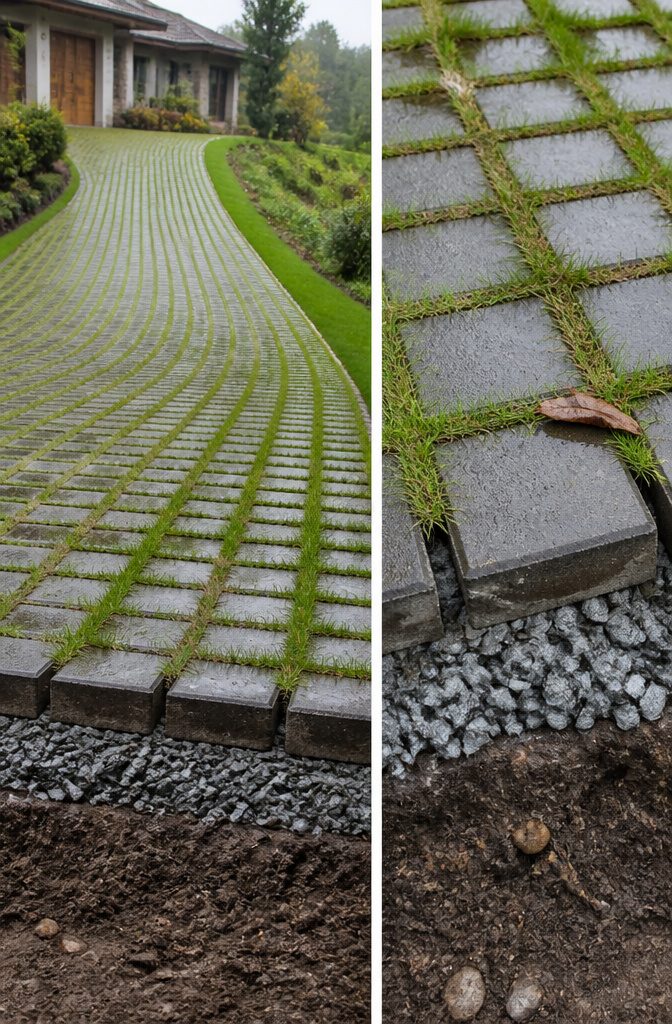
Grass pavers let rain pass through the surface and into the soil instead of sheeting off toward the street, which cuts runoff and flood risk. That only works if the layers underneath are right.
To install grass pavers, you need to add a base layer of compacted gravel underneath. "You can’t just put them on top of mud."
Without a compacted gravel base, water has nowhere to go, and the driveway floods instead of draining.
The soil adds a second benefit.
TRUEGRID says microbes in the soil feed on automobile pollutants and clean the water before it recharges aquifers. It also says its pavers are made from 100% recycled plastic.
Where Grass Driveways Work
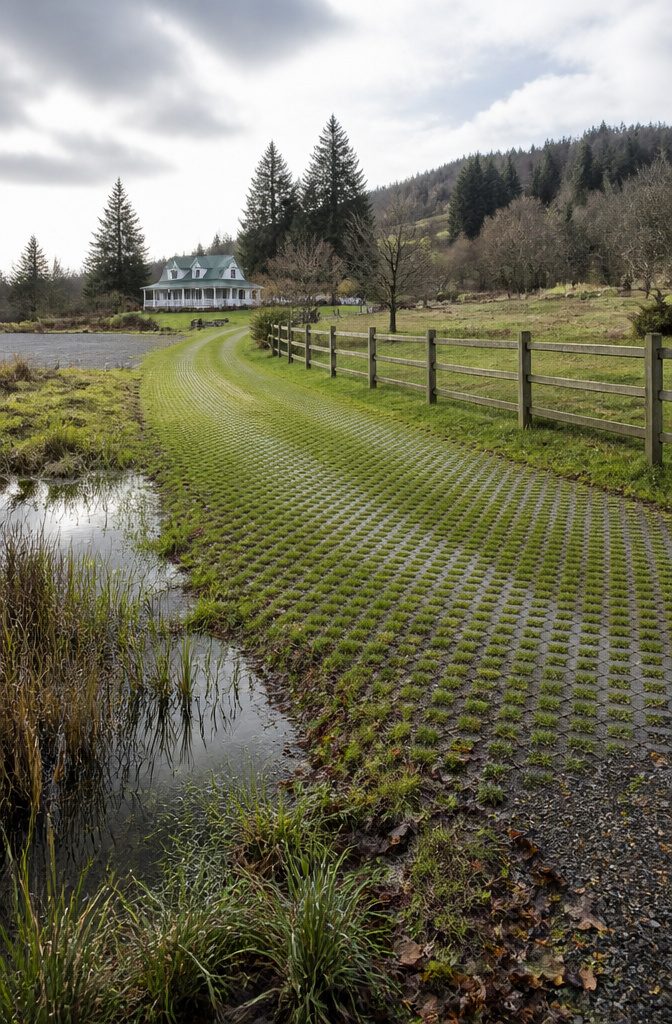
Grass pavers suit driveways that see occasional cars, like a country drive.
The same surface works for parking lots and fire lanes. Near the house, it makes good terraces and walkways, which helps if you want a hard surface that reads as lawn.
Wet spots are a good match too. Water passes through the pavers instead of sitting at the surface, so a low corner where rain pools is less likely to turn into ruts or mudholes than plain turf.
Skip them where cars turn constantly. Frequent tire turning tears the grass out of the joints and leaves mud, so a tight turnaround or a daily parking pad is a poor fit.
How It Looks Next to a Lawn
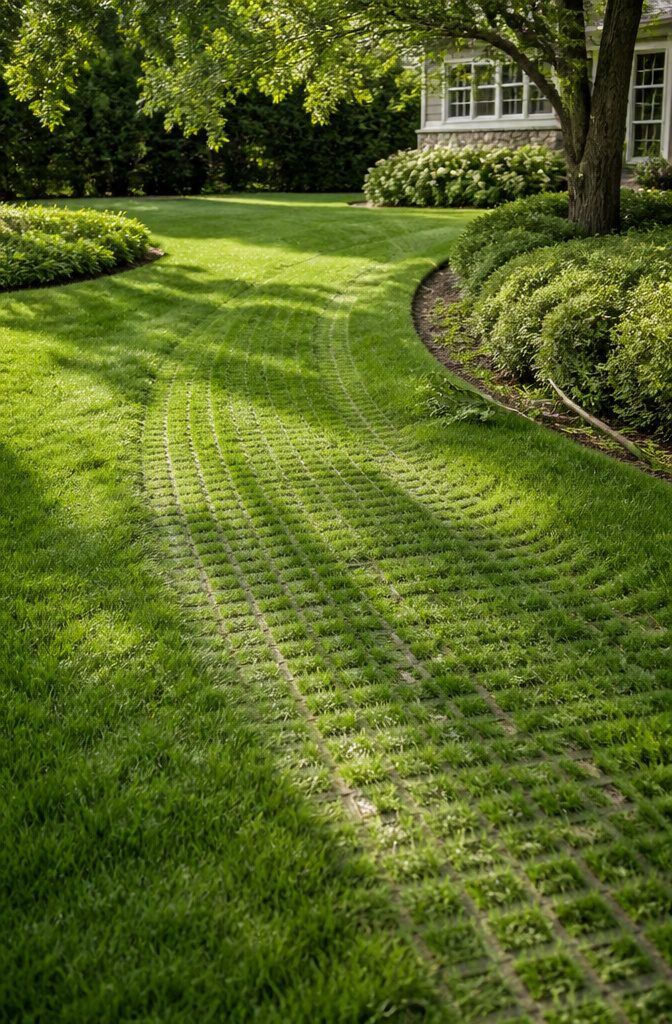
A concrete or asphalt driveway reads as a gray slab cut into the yard.
Grass pavers are built right into the lawn, so the drive keeps the same soft green surface as the grass beside it, with no hard edge where one ends and the other begins.
The grid shows at first.
Once ROOT pavers are pressed into wet turf, the grass grows in over a few weeks and the pavers become mostly invisible. Because the pavers can be trimmed to fit around other features, curves and borders keep clean lines.
Water drains through the surface instead of sitting on top, so a grass drive is less likely to rut or turn to mud. If you want green year-round, artificial turf also works with the system.
Frequently Asked Questions
Can you have a driveway with grass?
Yes, by using grass pavers.
These are either plastic grids or thick blocks laid with open joints, and grass or other plants grow in the gaps. Rain soaks through into the ground instead of running toward the street.
What is the best grass paver system for an existing lawn?
ROOT, one of the TRUEGRID systems, is the one to pick for an existing lawn.
You wet the grass and press the pavers in, with no excavation, and you can drive on it right away. The grass grows in over a few weeks.
Does a grass paver driveway need a gravel base?
Block pavers and the excavated TRUEGRID systems do.
They need a compacted gravel base, because without one water has nowhere to go and the driveway floods. ROOT is the exception for existing lawns, since it is pressed straight into wet turf.
What should I plant between the pavers?
Cut-to-fit sod fills the joints fastest and keeps weeds out.
Creeping thyme suits joints in full sun, and Mazus grass suits shaded joints. Seed works too, but it is the slow route.
Is a grass paver driveway cheaper than concrete or asphalt?
TRUEGRID says its pavers cost less than concrete or asphalt, but that claim comes from the manufacturer and comes with no dollar figures. Get itemized quotes for both options and compare the totals, including base work and drainage.
How do you maintain a driveway with grass?
Care is the same as for a regular lawn: water it and mow it. TRUEGRID describes long-term maintenance costs as almost nonexistent.
Can a grass driveway handle daily parking and turning?
It handles occasional cars well, such as a country drive, but not constant turning. Frequent tire turning tears the grass out of the joints and leaves mud, so a tight turnaround or a daily parking pad is a poor fit.
For heavier duty such as fire lanes, TRUEGRID’s PRO PLUS system is the option listed.
What paver pattern looks best on a grass driveway?
Running bond and chevron are the two strongest matches for Belgian block cobbles.
Checkered grid and basket weave also work. Pick one pattern, repeat it across the whole drive, and keep it sized to a human scale.