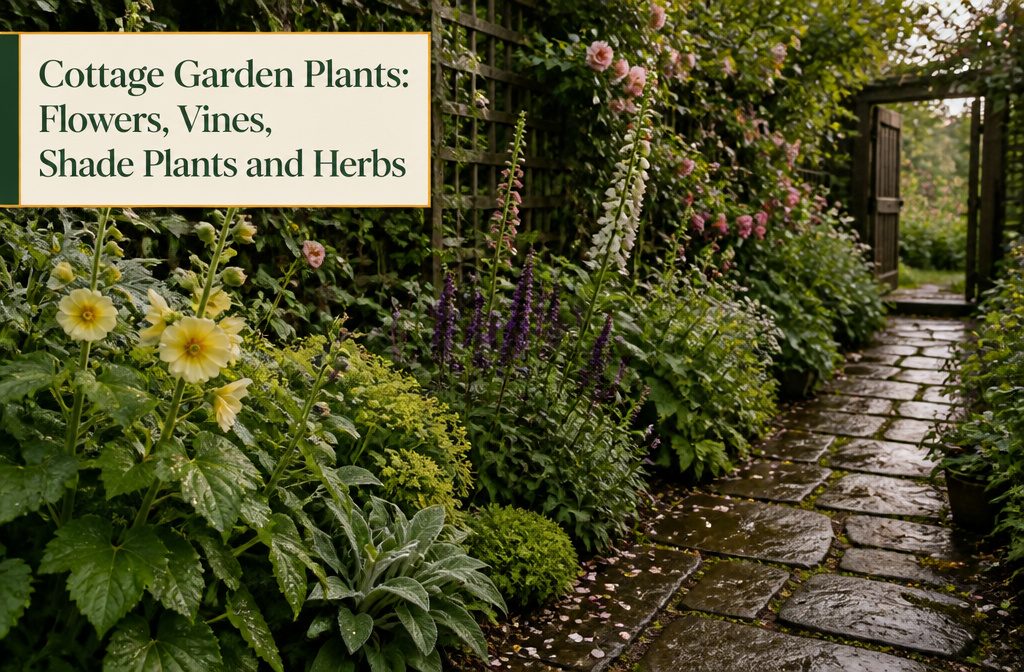
A cottage garden is a dense, informal border where flowers, herbs and vegetables grow together with no bare soil showing.
Short-lived types, like common hollyhocks, leave gaps. Choose perennials such as Alcea rugosa, favor those hardy to zone 4, and fill the spaces with annuals until the perennials mature.
Hollyhocks
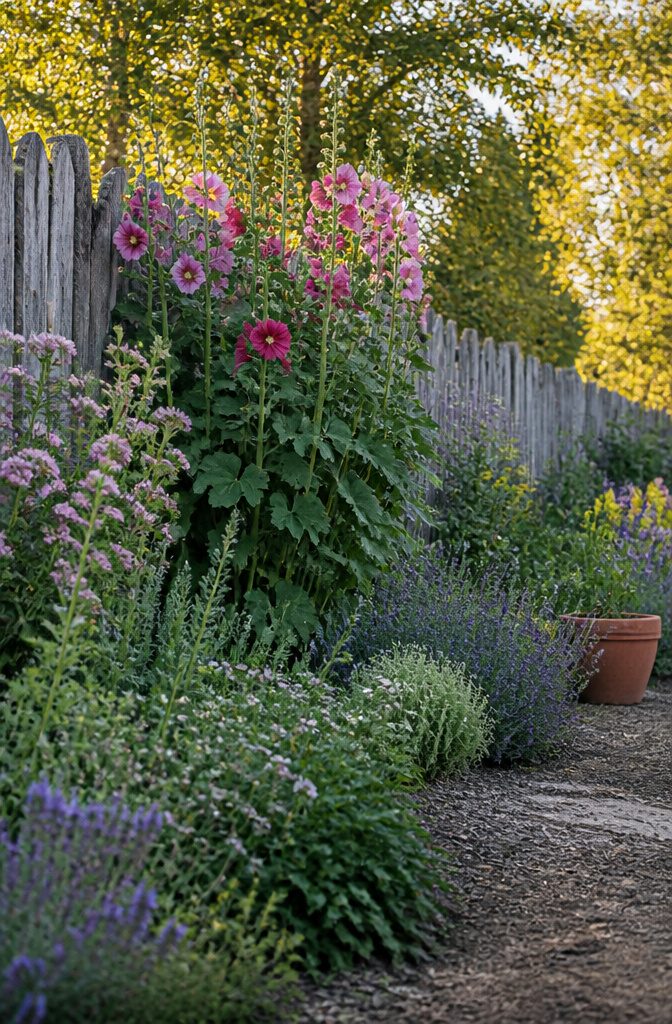
Hollyhocks belong in a cottage garden as much as any flower does, but the usual types are short-lived.
A planting can thin out after a season or two and leave a gap you have to refill. Alcea rugosa, a hardy perennial hollyhock from Russia, is the better pick if you want the old-fashioned look without replanting.
Give it a permanent spot at the back of a border or against a fence or wall, where it can stay for years.
A perennial pays off only if you leave it alone, so don’t plan to move it later when the rest of the bed fills in.
Recommended Products

Abundant Garden Coverage: With over 3000 hollyhock seeds (Alcea rosea), this value-packed set is ideal for large-scale planting in outdoor gardens, flower beds, or backyard borders, offering tall and vibrant perennial blooms in a beautiful mix of red, yellow, pink, white, and more.
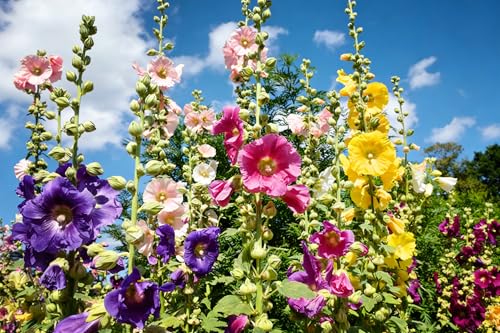
Stunning Double Hollyhock Blooms in Mixed Colors: Our Hollyhock Seeds Mix features exquisite double-flowered varieties that produce fully ruffled, peony-like blooms in a vibrant range of colors—from soft pinks and deep reds to sunny yellows and pure whites. These show-stopping flowers create a romantic, old-fashioned charm in any garden setting.
GIANT COTTAGE GARDEN FLOWERS – 5 TO 8 FT TALL – Transform your garden with hollyhock seeds that produce dramatic 5–8 ft plants crowned with lush double blossoms up to 3–5 inches wide. These hollyhocks flower seeds build a classic vintage wall of color, perfectly suited for borders, fences, and pollinator habitats across sunny landscapes in USDA Zones 3–9.
Delphiniums at the Back
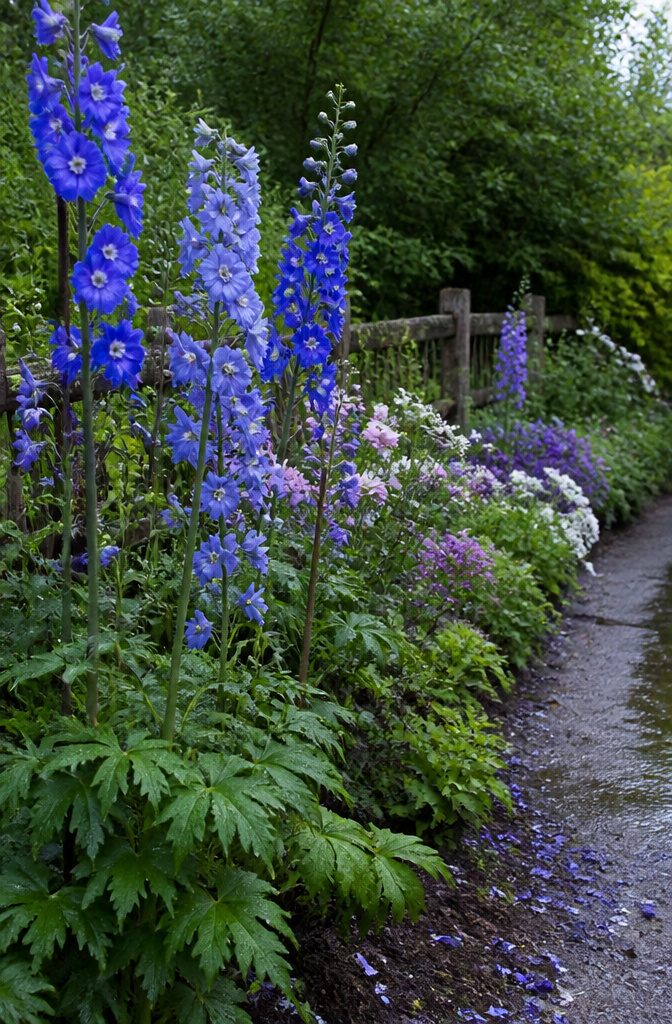
Delphiniums belong at the back of the border, where their spires rise behind everything else instead of blocking it.
Plant them in front and they hide the shorter plants you paid for. Plant them behind and those plants become the lower layer of the same picture.
In a dense, informal planting, most flowers form soft mounds and rounded heads.
Spires add the vertical line that keeps the bed from reading as one low, fuzzy mass, and they pull the eye upward. Set them in clumps rather than as single stems.
Tall flower stalks bend in wind and rain, so put stakes in early, before the stalks start to lean. In a tightly packed bed, a toppled spire has nowhere to go.
Recommended Products

Each offer includes two stackable amaryllis plant support stakes
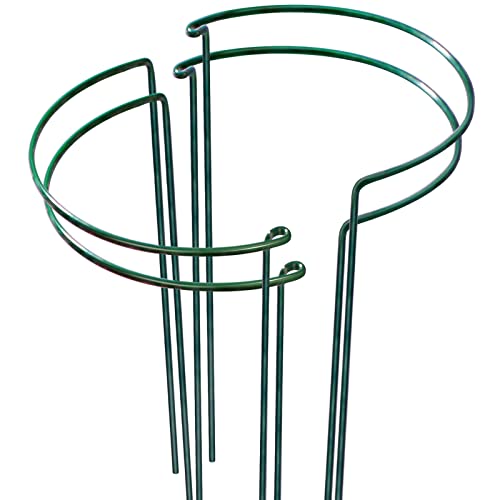
Perfect Plant Supports: 40cm/15.8 inch high, 25 cm/10 inch wide, 4mm thick, ideal peony cages and supports, plant stakes for indoor plants, bushy plants like peonies, hydrangeas, monsteras, roses, salvias, cone flowers, etc. tomato plants and vine plants like cherry tomato, pepper, pumpkin, cucumber, melon etc., and small sapling.
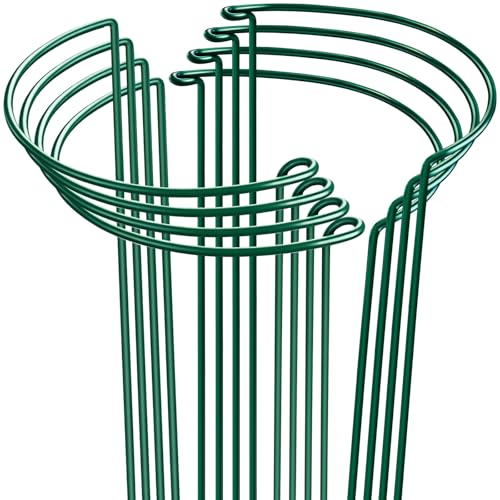
Smart Half Round Design Plant Support: half round design make the garden stakes easy to fit around the plants, just attach 2pcs together to support your plant. Effective at supporting plants up to 3 foot when using these plant plant stakes for outdoor plants.
Foxgloves
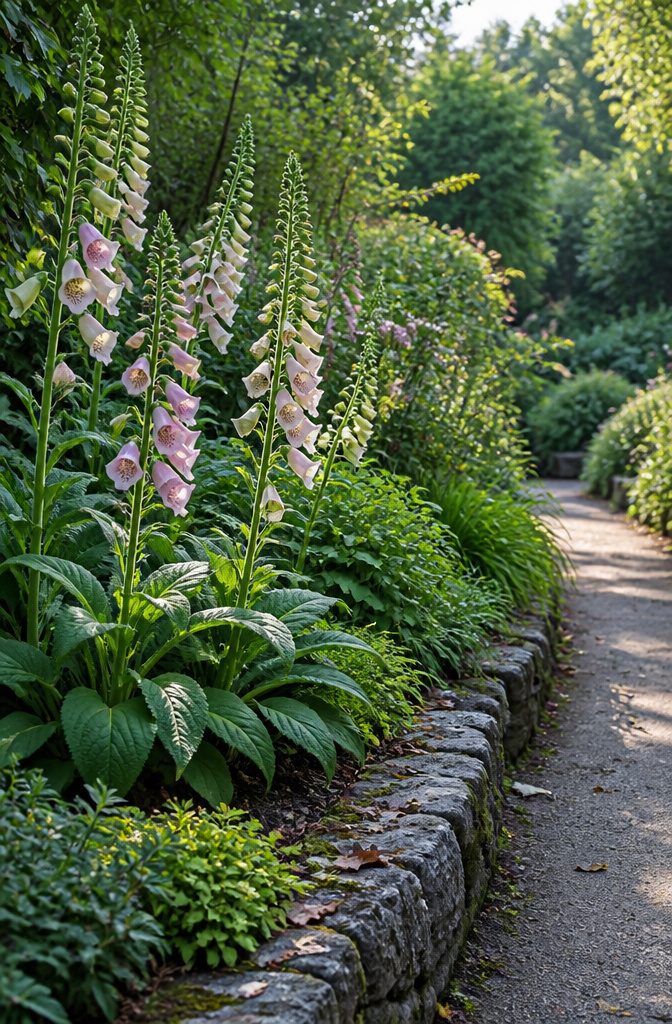
Foxglove (Digitalis) is one of the first plants people picture in a cottage garden, and it earns the spot.
Choose perennial selections over the short-lived kinds. A short-lived foxglove leaves a hole in the border after its brief run, and a cottage bed depends on looking full.
Perennial types return in the same place, so each purchase keeps paying off, which matters when your plant budget is small.
Check the tag or the online listing for the word "perennial" before you buy. If it isn’t there, look up the variety name first.
Recommended Products

Tall Cottage Garden Bloom: Foxglove excelsior mix seeds grow elegant foxglove flower spikes reaching up to 47 inches tall, producing pastel tubular blooms from spring through summer, perfect for dramatic vertical interest in cottage style garden flowers.
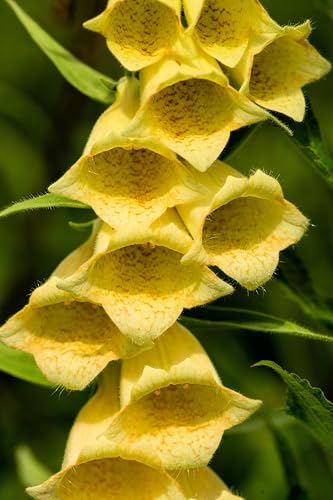
CLASSIC PERENNIAL: Yellow Foxglove (Digitalis Grandiflora) produces stunning pale yellow blooms with brown splotches from May through June, with potential rebloom in September for extended garden color.

EXCELSIOR FOXGLOVE - MONUMENTAL GOTHIC SPIRES WITH GRAPHIC SPOTTED THROATS - MAXIMUM VERTICAL OF MEGA-DECORATIVE DECORATIONS. FLORAL BELL TOWERS OF VICTORIAN GARDENS. Flawless chemical-free, non-GMO heirloom seeds from an American brand. Certified for parameters of genetic stability, freshness, germination, viability. Comfort zone for zones 3-9.
Clematis on Trellises
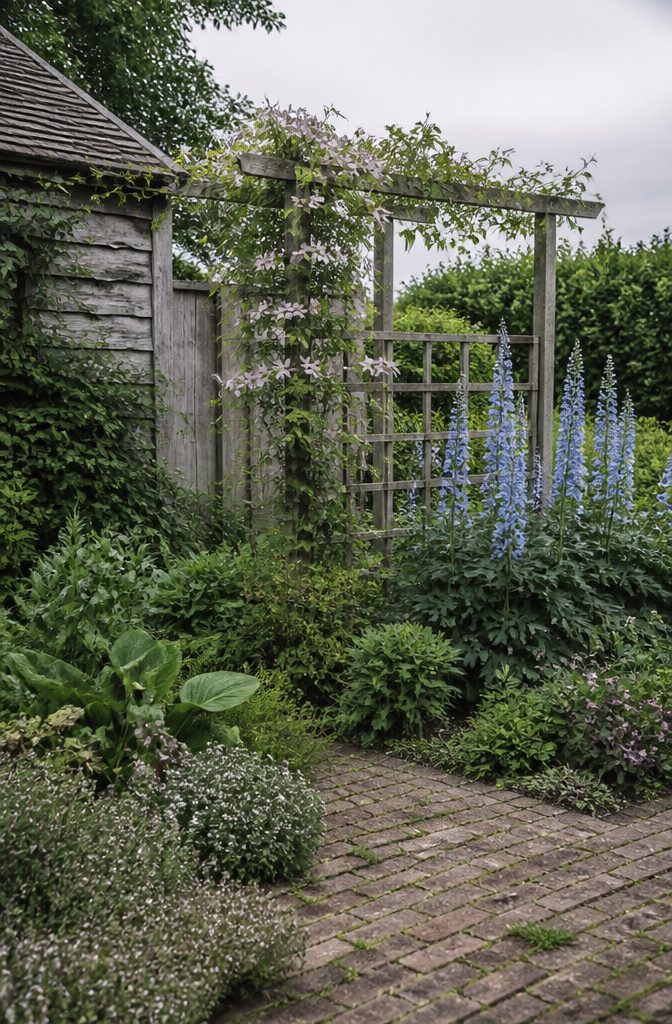
Clematis gives the back of a border height that starts at the fence line and keeps climbing.
A trellis set behind the lower plants lets the vine cover a bare fence or shed wall, and it hides the leggy stems of earlier bloomers. The border then reads in layers, stepping up toward the vine.
Delphiniums suit the same back row because both plants grow upright. Plant the clematis beside the delphinium spikes, not directly in front of them, so the trellis frames the spires instead of hiding them.
A white or pale clematis keeps blue delphiniums in focus, and a deeper purple makes the pairing richer.
Recommended Products

【Unique Design】This trellis for climbing plants outdoor is designed with a mushroom top decoration, which will make your garden look unique and different. This plant trellis made of Metal pipe with thickened PP plastic coated for longer service life. Many bumps designed on metal tubes will guide plants climb higher,and help them stay firmly on the trellis even in harsh weather.NOTE: The rods are metal pipes with a thick plastic coating, and the support rings and Decor Heads are plastic.

PRODUCT SIZE - Trellis netting 5Ft *15 Ft, 3.5 inch square mesh, easily cut to desired size to use. Important note: The trellis netting comes in a vacuum sealed bag.
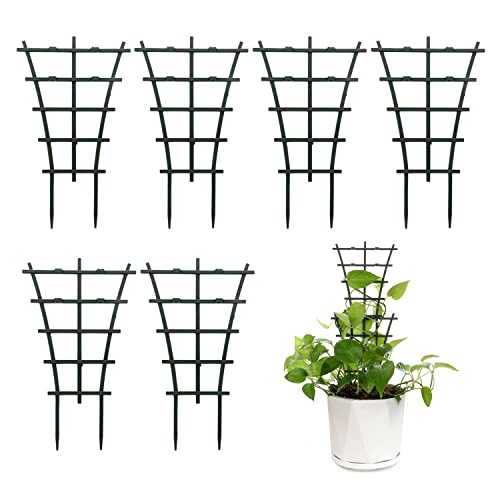
【Upgarded New Version】Our plant trellis is upgraded with high quality new material, increase the weight by 31%, reinforced to be more sturdier, providing stronger support for your potted plants
Roses
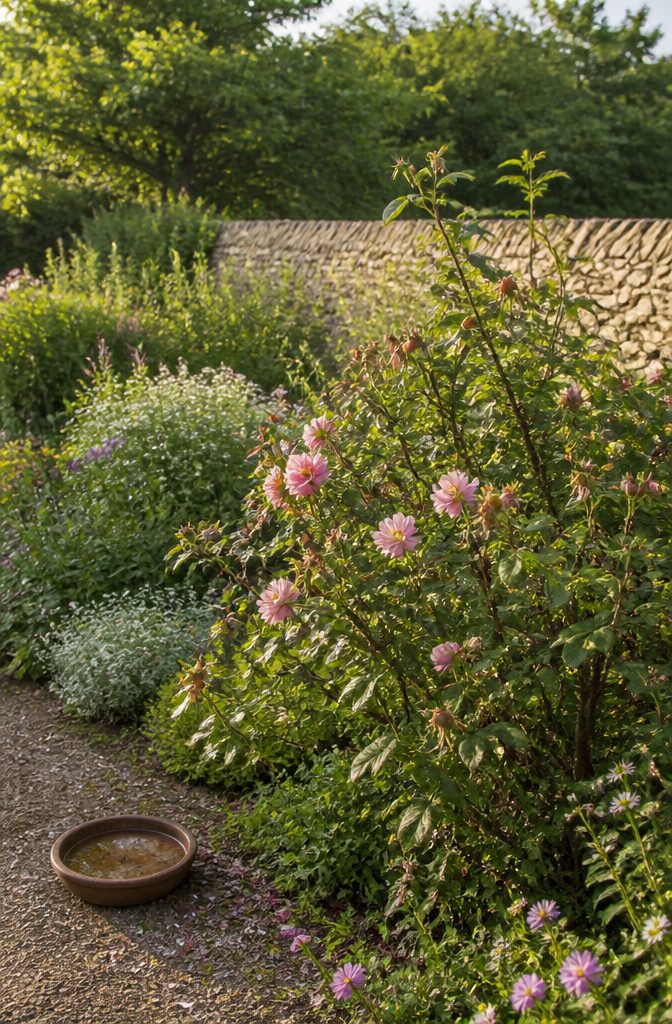
Roses are the traditional English cottage-garden plant, and a cottage border without one tends to feel unfinished. They look right when planted among other flowers rather than in a bed of their own.
Let the blooms mix with the softer shapes around them and the planting reads as loose and a little overgrown, which is the look you want here.
Rosehips earn a second use from the same plant.
The fruits that form after the petals drop were used in teas, so stop deadheading once the season winds down and let them develop. They also keep the bush interesting after the flowers are gone.
Poppies for Zones 3–9
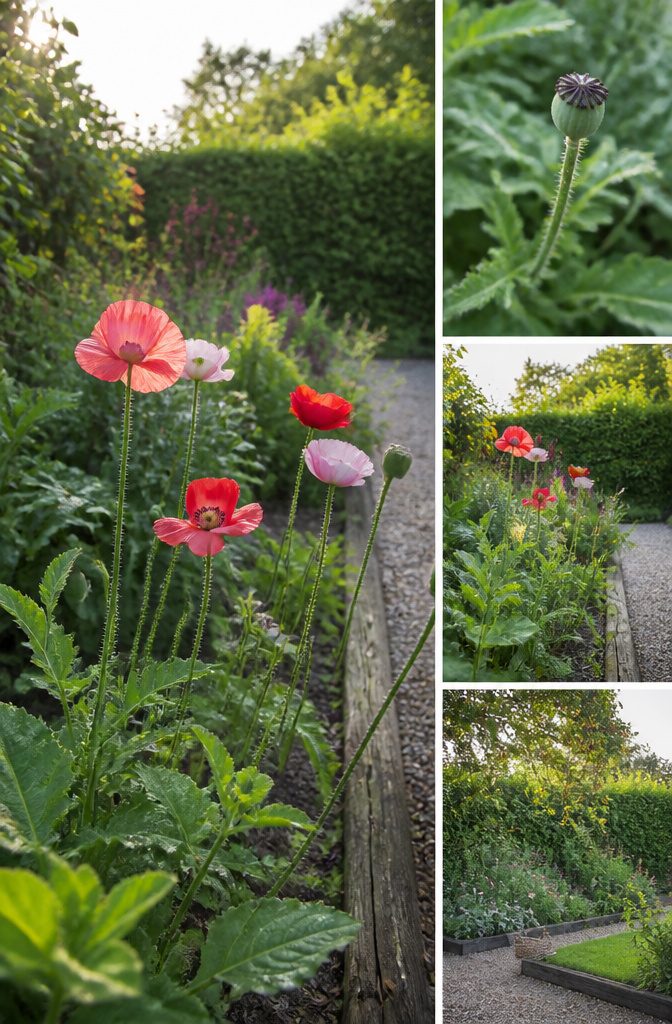
Poppies (Papaver) are rated for Zones 3–9, a span that covers most US yards, from cold northern winters to the long summers of the South, including Oklahoma County’s Zone 7.
They come in annual and perennial forms, so you can fill a gap this season and also plant something that returns.
Fine Gardening calls poppies one of the most beloved cottage flowers, then adds a warning:
Poppies (Papaver spp. and cvs., Zones 3–9) are one of the most beloved and desirable garden flowers, but they aren’t as easy to please as many sources make them out.
Treat the zone rating as permission to try them, not a guarantee. Start with a small planting of one annual and one perennial, and keep whichever settles in.
Recommended Products

Versatile Garden Placement: This hollyhock features tall flower spikes and is suitable for cut flowers. It can be planted in cottage gardens, flower beds, balconies, at the back of borders, or in front of fences and walls, attracting hummingbirds, bees, and butterflies

300 HEIRLOOM SEEDS: Each pack contains 300 heirloom hollyhock seeds, offering an abundant supply for planting across your garden landscape

VISUALLY STUNNING BLOOMS: Double White hollyhock seeds deliver a stunning heirloom flowers with bridght white double blossoms These perennial flower seeds are perfect for cottage gardens, offering vibrant, durable color all summer. Ideal hollyhock seeds for planting outdoors to enhance your garden.
Annuals and Love-in-a-Mist
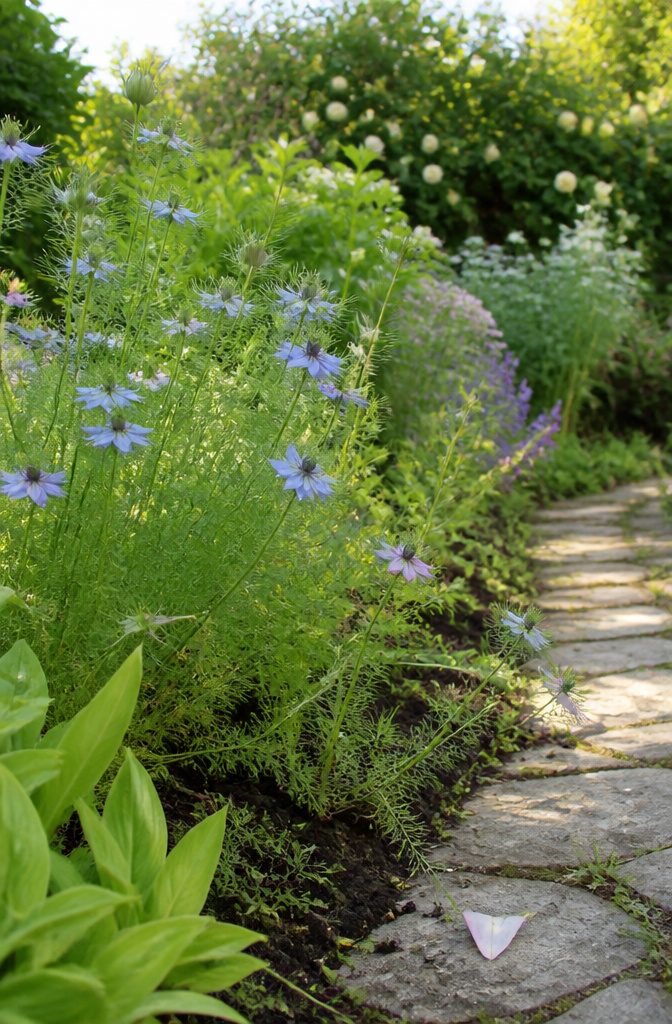
Perennials take a few seasons to fill their space, and the bare soil between young plants is where annuals earn their place on a small budget.
They bloom the first year and cover the gaps, so the border looks full while the long-term plants settle in.
Love-in-a-mist (Nigella damascena) is the one to start with. It is a charming little cottage garden annual with spidery, finely cut foliage and whirligig flowers in pastel shades.
That airy texture softens the heavier leaves of its neighbors, and the pale color sits easily beside nearly anything. Tuck it into gaps in front of taller perennials, where the foliage can show.
Recommended Products
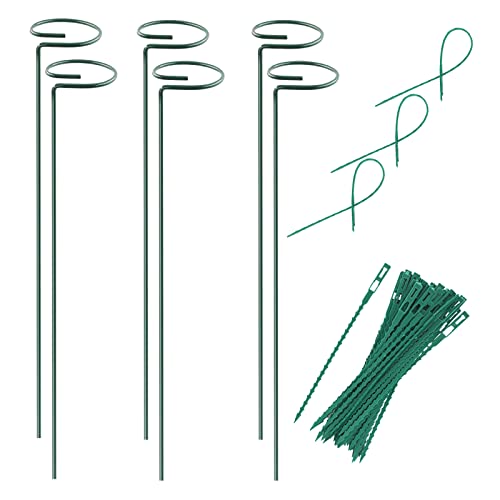
Versatile Plant Support Dimensions: Plant support stakes measure 15.9 inch long with an inner hoop diameter of about 2.5 inch, providing strong support for most flowers and plants with small stems including amaryllis, rose, peony, lily, tomatoes, vegetables, young trees, Narcissus, and monstera leaves, holding stems straight and upright.

【Easy to Use】DIY and use a hammer or mallet to nail the anti-corrosion nylon piles to the soft ground. You can build a clean and tidy garden without hiring workers.

Perfect size combination - These plant sticks come in a combo that can be used as a 12" tall planter or can be combined into a 24" tall one, inner diameter of the Hoop is about 2.6 inch. Allows you to use multiple scenes.These stakes are strong to support plants. Fit for most fllowers and the plants with small stem, supported amaryllis well, like rose, peony, flowers, lily, tomatoes, vegetables, young tree, Narcissus, etc. tall stakes hold stems straight to keep.
Hostas
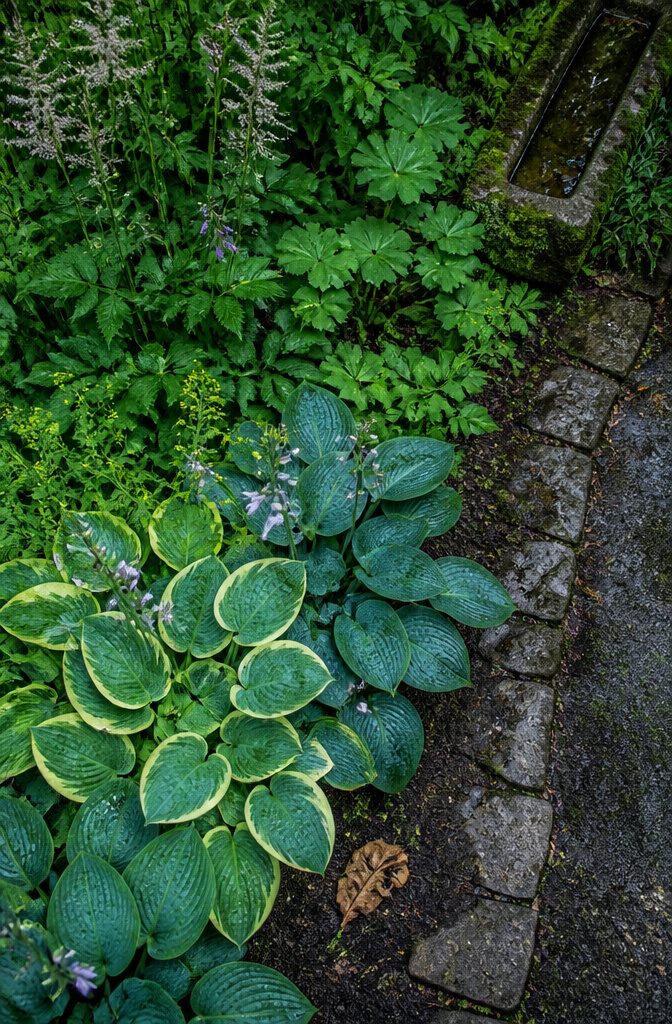
Hostas earn their place for their leaves, not their flowers. The blooms are lavender or white spikes that rise in summer and are pleasant enough, but the foliage carries the plant from spring until frost.
Leaf color runs from blue-gray to chartreuse to green edged in cream, and the texture ranges from smooth to deeply puckered. In a cottage border, that broad, calm leaf is a useful counterweight to the spiky, airy flowers around it.
Give them part sun, ideally morning light with afternoon shade, because strong afternoon sun scorches the leaf edges.
Slugs chew holes in the leaves, so check the plants after rain. Tuck hostas in front of taller perennials to hide their bare lower stems.
Recommended Products

Native Wildflower: A beautiful perennial that supports local ecosystems.

★ Seed Information ★ Package includes approximately 600 seeds. If the number of seeds does not match the indicated amount, please contact us, and we will solve this problem ASAP. On the back of each packaging you will find English instructions for planting and growing. Please follow the instructions for a good harvest

Bulk Mixed Colors: Over 350,000 Common Foxglove seeds for filling garden borders and flower beds with tall spire blooms, creating layered height and color in outdoor landscaping
Hellebores for Winter Color
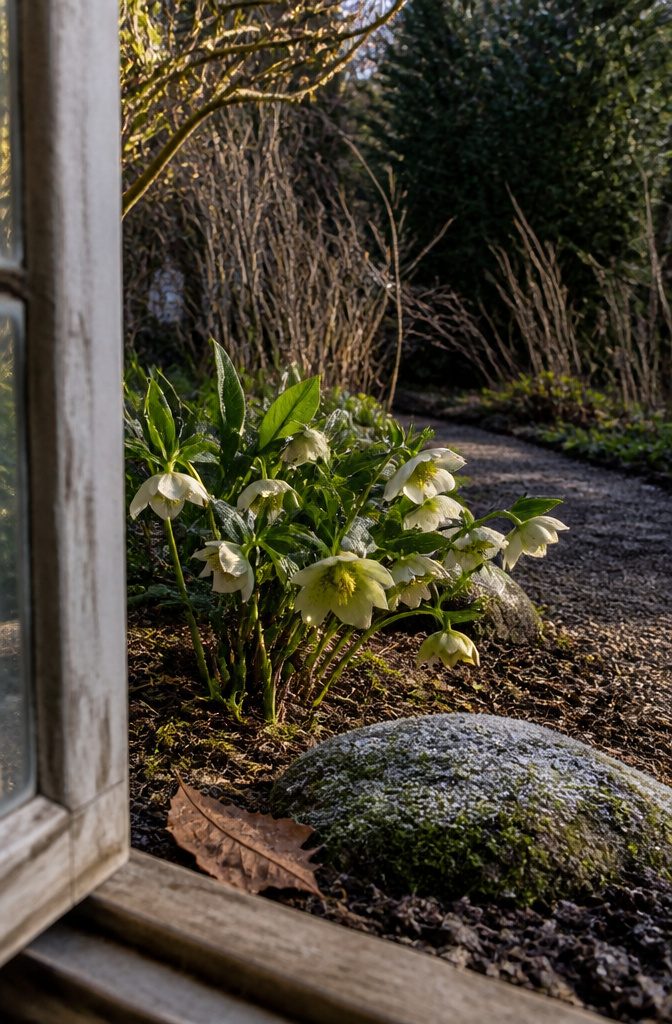
Hellebores bloom when almost nothing else in a cottage garden does. In winter and early spring the border is bare stems and mulch, and few plants stand out the way hellebores do.
That timing is the reason to buy them: they cover the gap between the last fall color and the first perennials waking up, so the bed never goes blank.
They are perennials for part sun, so give them a spot with some light and some relief, like the edge of a tree’s canopy.
Plant them where you can see them from a window. In cold weather you will look at them far more than you will stand next to them.
Recommended Products

6FT Obelisk Trellis for Climbing Plants: 6 FT(H69.2") x W12.7" adjustable round obelisk trellis for climbing plants outdoor. Compact 12.7" base fits pots and raised beds. Supports roses, vines, and potted plants

Weather-Resistant Garden Trellis: This 6.2ft garden obelisk trellis is made with PE-coated steel and plastic connector rings to help resist outdoor rust and weather exposure. Insert the trellis at least 10in into soil for better stability in gardens, yards, raised beds, or large pots.

Small Size - Length: 10.2"/26 cm; Upside width: 6.1"(15.5 cm); Underside width: 2.2"(5.5 cm), perfect small trellis for potted plants. Dark green makes it invisible for beauty
Jack-in-the-Pulpits
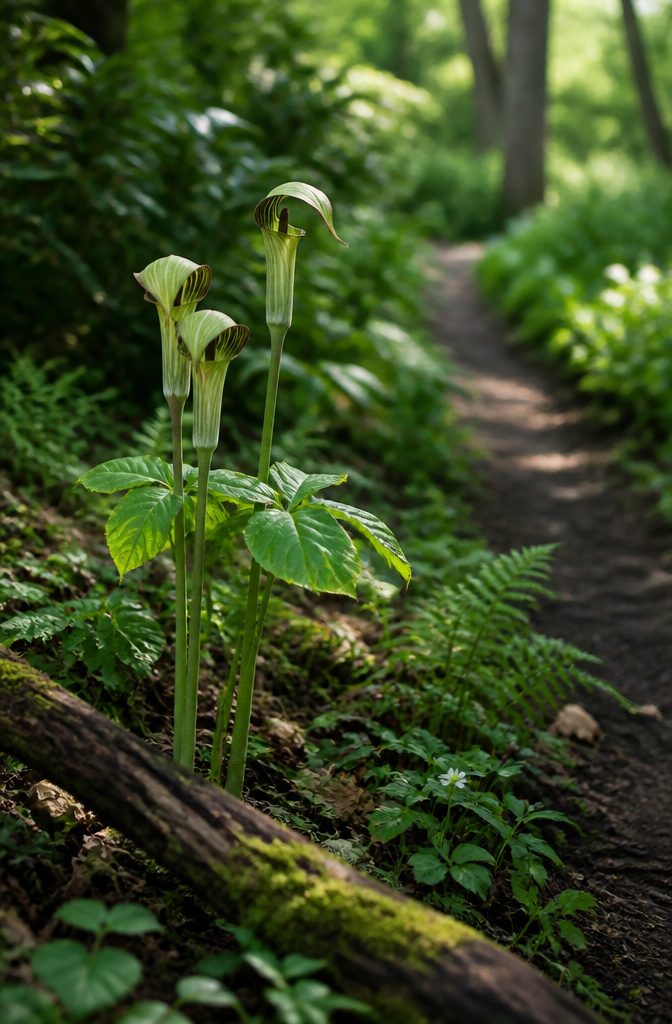
Jack-in-the-pulpits (Arisaema) are what a cottage bed needs when it starts to look too tidy.
The hooded flowers on upright stalks look nothing like a foxglove or a rose, yet the plant still reads as cottage because it carries a woodland, farmhouse feel.
They are rare and underused, so a neighbor is unlikely to have one.
Give them a part-sun spot, such as a bed that gets dappled light under a tree.
Plant them close to a path or window, because the hood is easy to miss from across the yard. Early settlers dug them from the woods for their cabin gardens, and they still suit a loose, gathered planting.
Recommended Products


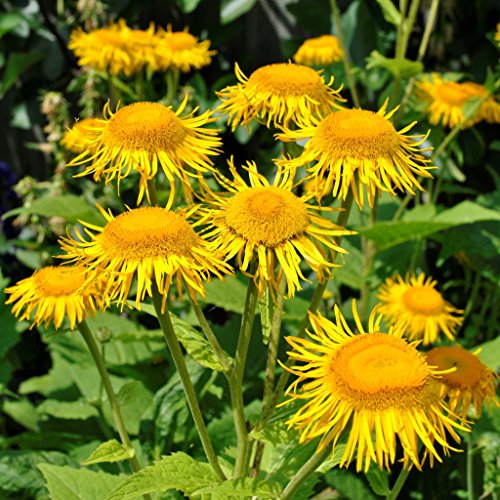
Premium quality perennial herb seeds package containing 40 Elecampane (Inula helenium) seeds, producing tall plants with bold yellow daisy-like blooms and aromatic roots.
Trilliums
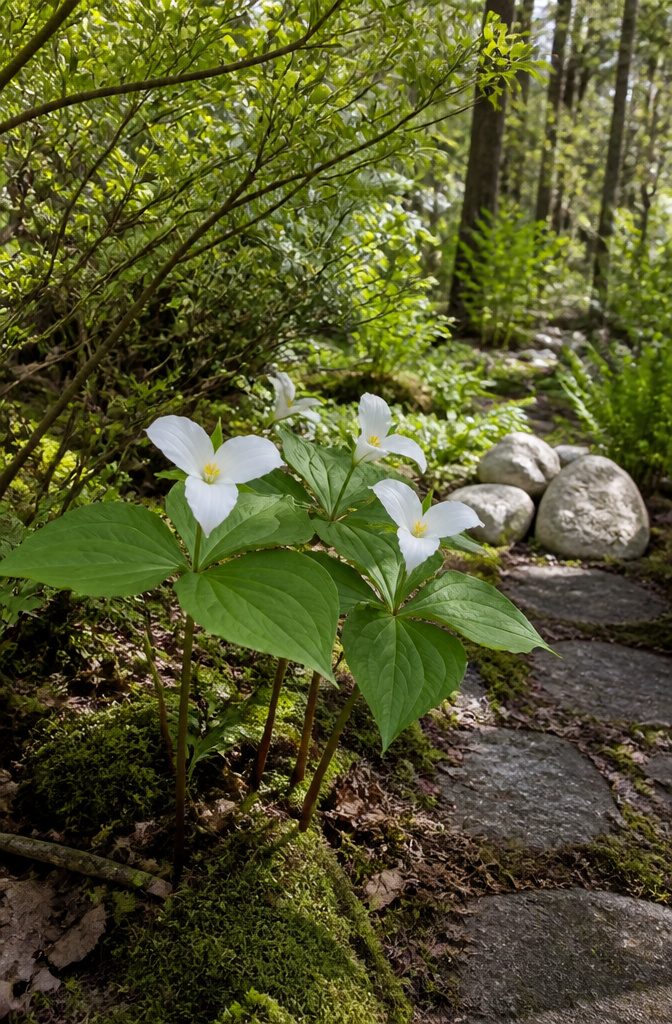
Trilliums are rare plants, and that rarity is the reason to give them a spot.
Each stem carries its leaves in a set of 3, a neat, geometric shape that most cottage plants don’t have, and it adds oddity and foliar interest without breaking the informal, gathered-from-the-woods feel of the garden.
They belong in a part-sun spot with woodland character, such as the edge of a tree canopy or the side of a shrub where light is filtered.
Put them where you can see them from a path or window, since the form rewards a close look. Use them as an accent in a few small groups rather than a mass planting.
Native Gentians and Orchids
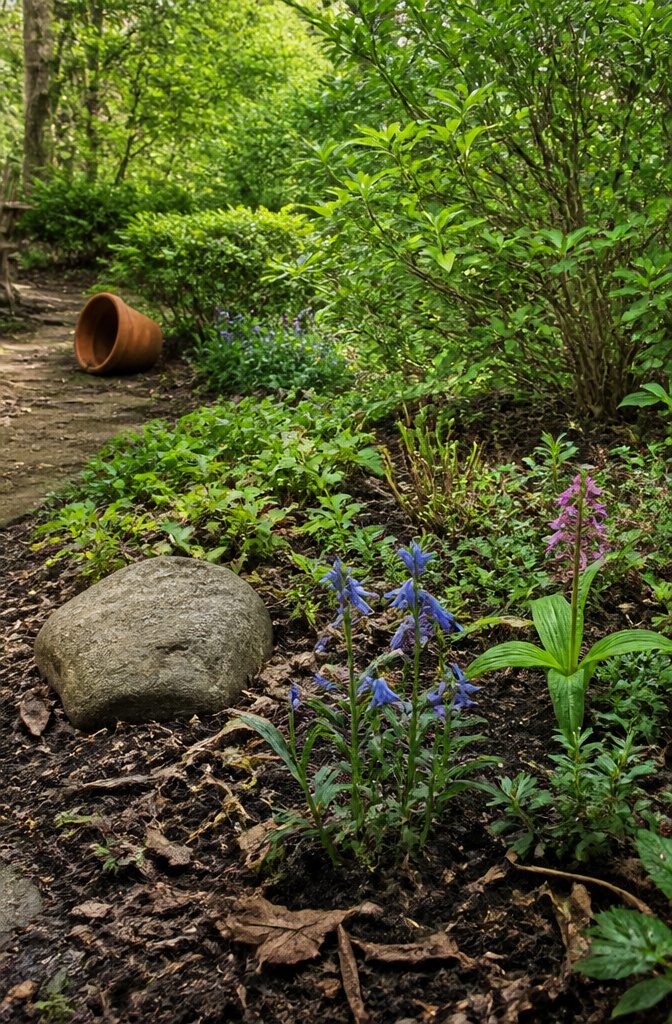
Gentians and native orchids suit the gardener who already has the familiar cottage flowers and wants something the neighbors don’t.
Both are slower and fussier than a packet of annual seed, so use them as a few accent plants, not as the backbone of a border.
Choose species native to your own region, since they already match your local soil and climate.
Buy only nursery-propagated plants, never wild-collected ones. Digging orchids from the wild damages native populations, and wild transplants rarely survive in a home garden anyway.
Plant them at the front of a bed where you can see them from a window or path, and mark the spot so you don’t dig them up while they are dormant.
Vegetables and Herbs
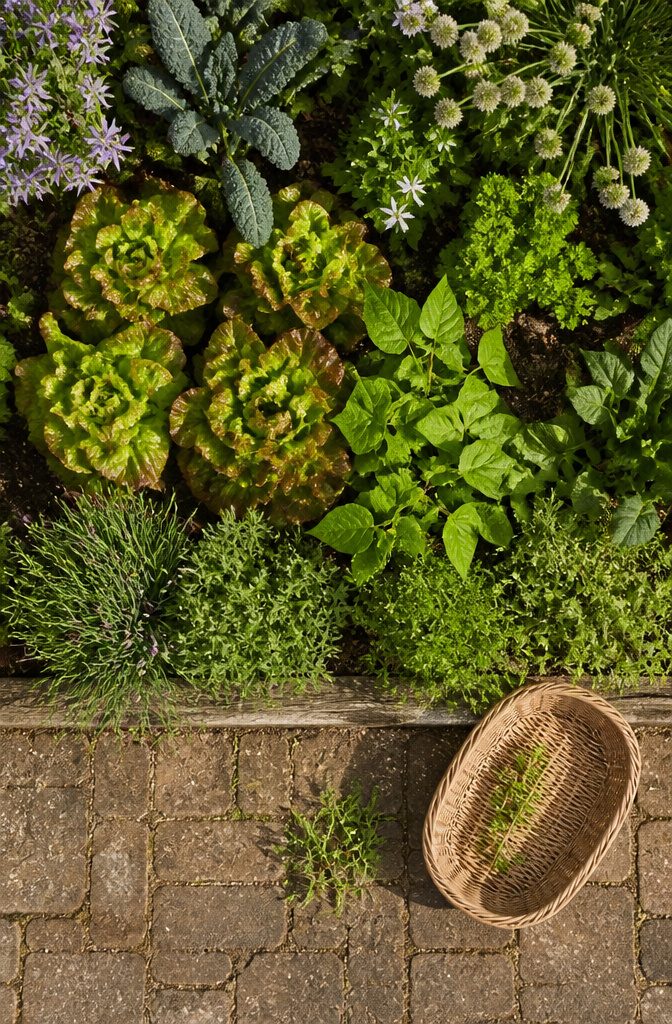
Cottage gardens began as working plots. From the 16th century into the 20th, families on small properties grew food, herbs and flowers in the same beds because they had no room to separate them.
That logic still suits a small yard. Plant vegetables and herbs in the border, not in a separate bed, so every square foot earns its place.
Tuck lettuce, kale or bush beans between perennials, and line a path with thyme, chives and parsley, where you brush past them and can pick a handful on the way to the kitchen.
Herbs suit a beginner better than vegetables: they take less space and need less fuss. Skip sprawling squash unless you have a fence for it.
Arrange the Border
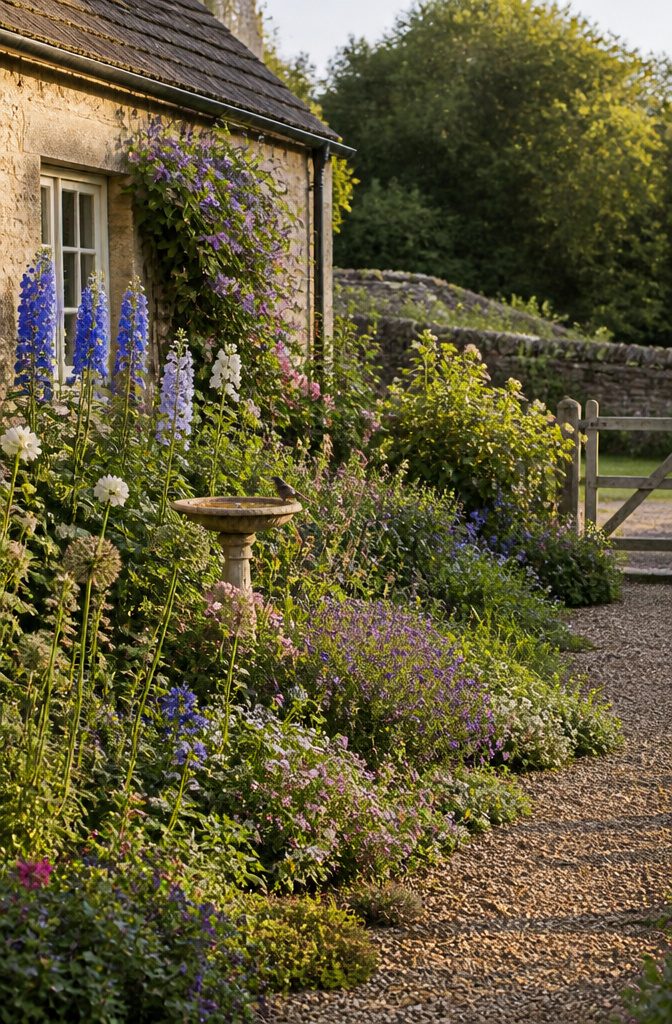
Run the border from the side of a building out to the property edge, and plant it densely and informally, with a mix of shapes, forms and colors and no bare soil showing.
Put the tallest plants at the back: delphiniums along the wall or fence, and clematis climbing a trellis behind them. Mid-height perennials go in the middle, with low, spilling plants along the front so the layers step down and overlap.
Perennials take a season or two to fill in. Tuck annuals into the gaps meanwhile, and pull them back as the perennials spread.
Many cottage plants are bee friendly, so the border draws pollinators and birds. A birdbath, feeder or bee house set among the stems fits the style.
Choose for Zone and Water
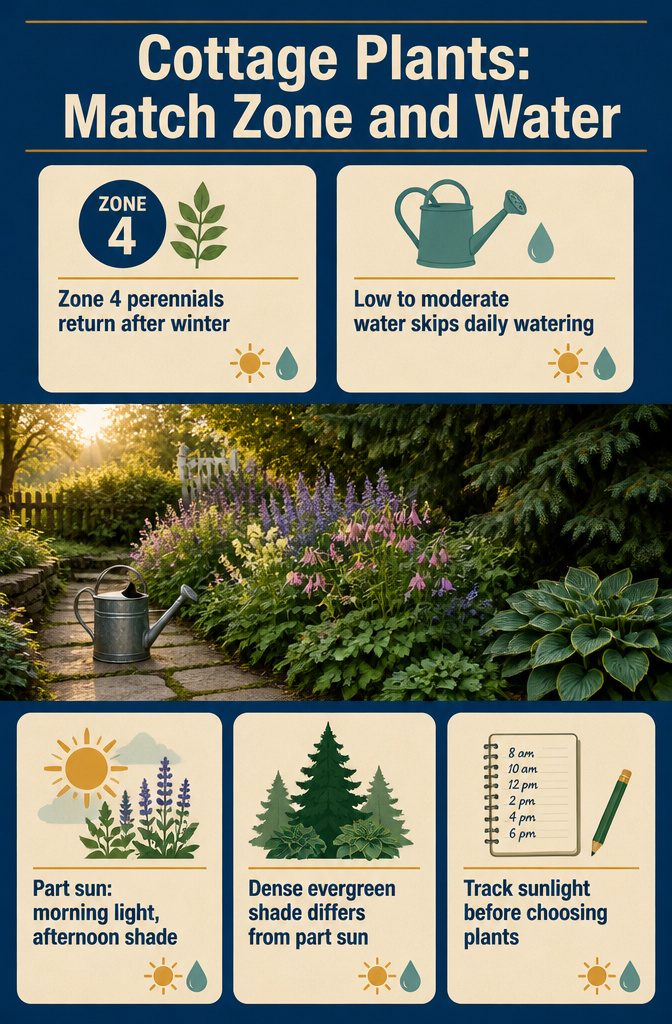
Check your USDA zone and your light before you buy anything. Perennials hardy to zone 4 are the safest choice: they return after cold winters, so you plant them once instead of replacing them each spring.
Choose ones with low to moderate water needs, and you skip the daily hose routine that eats time and eventually the plants.
Light matters as much as zone. The shade-tolerant plants in this guide do best in part sun, such as morning light with shade in the afternoon.
Deep shade under a dense evergreen is a different condition. Watch one spot from morning to evening, write down when the sun hits it, and buy for the conditions your yard has, not the ones in the plant tag photo.