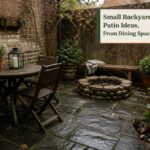
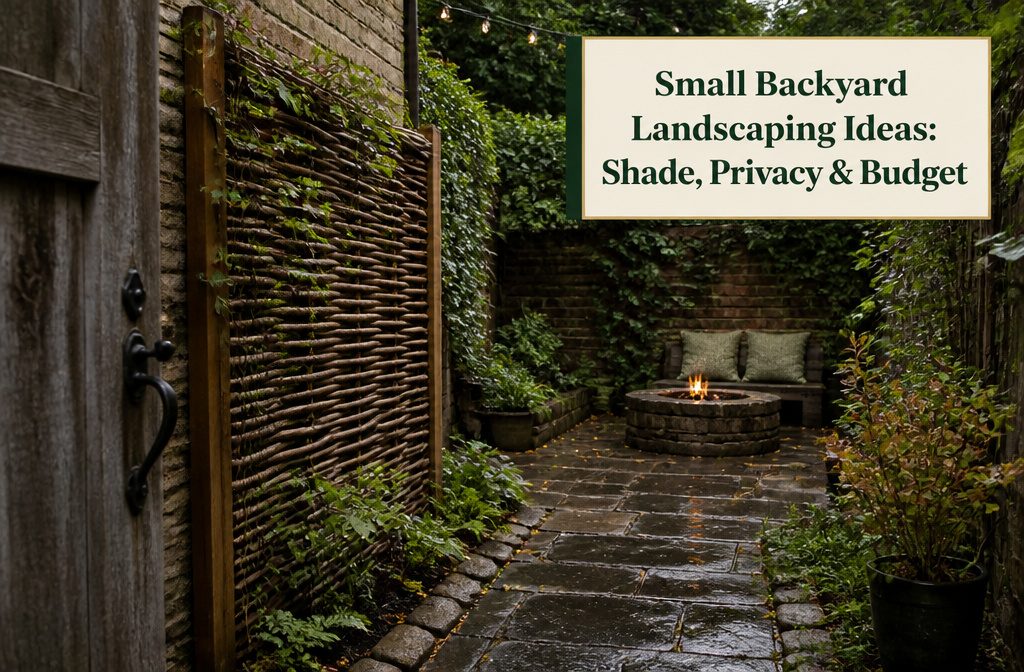
Ideas here run from string lights and cushions to a built fire pit or a shed, and the deciding rule is how much ground each one takes.
A tree or wide hedge eats the few feet a narrow yard has. A 3′ x 7½’ willow trellis gives privacy in a few inches of depth.
1. A Tree for Shade
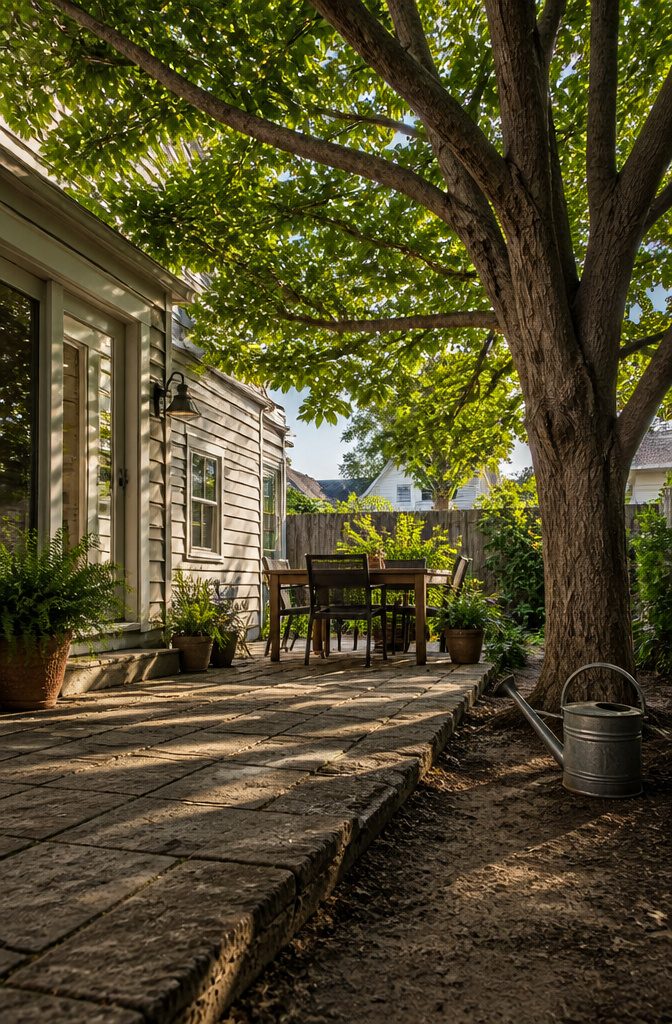
A tree does more work in a small yard than any other single plant. Its canopy shades the patio and the back of the house, which keeps rooms cooler in summer and trims energy costs.
It absorbs carbon dioxide, releases oxygen, gives local wildlife a place to live, and becomes the natural focal point your eye lands on from the kitchen window. Over time it can also add to your property value.
If you have a bare corner and can wait for growth, plant the tree.
If the yard is too tight for a trunk and roots, a cantilever umbrella gives shade the day you set it up, and its pole stands to the side instead of through the table.
Recommended Products

MULTIFUNCTIONAL PLANTER AND PRIVACY SCREEN: Combine gardening and outdoor privacy in one stylish design. This metal planter box with trellis provides space for flowers, climbing plants, and decorative greenery while the tall screen helps shield selected views around your patio, backyard, or balcony. It can also serve as a decorative screen near an outdoor AC unit when placed appropriately.

40% MORE LEAVES FOR DENSER PRIVACY COVERAGE: Featuring 1,200 faux ivy leaves, nearly 1.4x more than standard 864-leaf panels, for fuller greenery and better privacy coverage.The layered foliage helps minimize visible gaps, block unwanted views, and create a more private, comfortable outdoor space for your balcony, patio, or backyard

Multi-Functional Raised Garden Bed with Trellis: This versatile metal planter box serves triple duty as: an elevated garden bed for vegetables and flowers,a sturdy trellis for climbing plants, and a decorative privacy screen - perfect for backyards, patios, and balconies. Its space-saving design maximizes your growing area while enhancing outdoor aesthetics.
2. An Outdoor Living Room
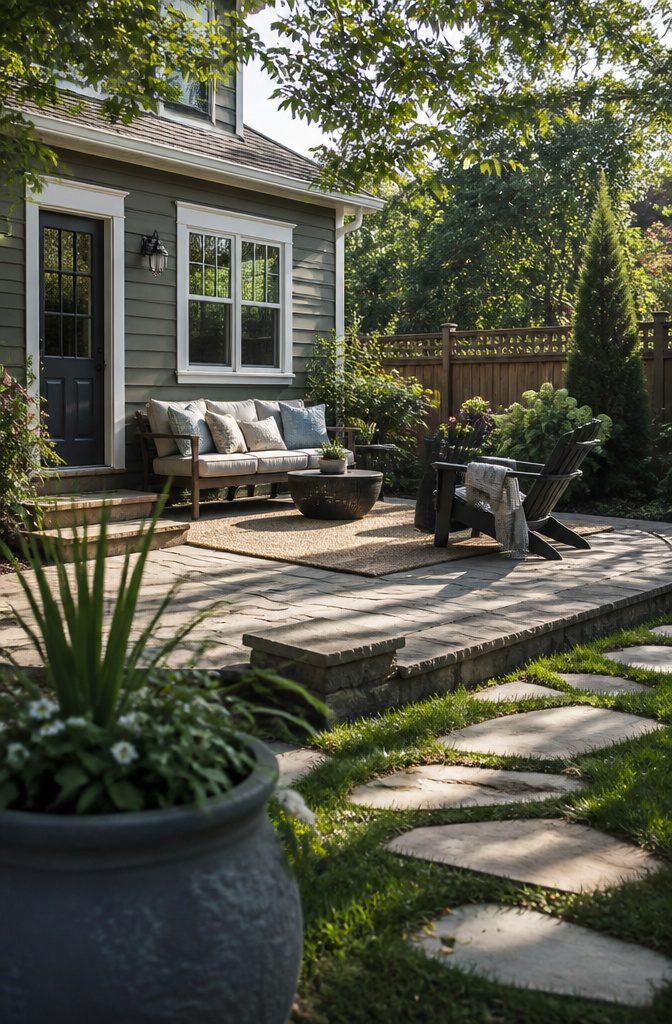
Furnish the seating area the way you would a living room: a sofa or a pair of chairs, a rug underfoot, and accent pillows on top.
Place it on the patio or deck close to the back door, with a clear way in and out so nobody squeezes past a table to sit down.
If money is tight, new cushions on furniture you already own do much of the work, so spend the savings on the rug.
Add seats that can move. Adirondack chairs are the easy choice because you can pull a few into a circle for guests and push them back against the fence afterward.
In a small yard, a seating spot that serves more than one purpose beats a fixed set.
Recommended Products

【 55ft LED Connectable String Lights 】- This outdoor light comes with 25+2 G40 LED bulbs. Each bulb is 2 feet apart for a total length of 55 feet. It supports an end-to-end connection of up to 14 strings, allowing you to customize the length you need. These lightweight and convenient patio lights are easy to carry and store

Superior Brightness & Connectable - Unlike dim low-voltage string lights, our 120V outdoor lights provide 2X the brightness for full illumination. Built with pure copper wiring for improved conductivity and safety, they support end-to-end connection of up to 15 strands without voltage drop or dimness, ideal for large spaces. If you need powerful lighting for a grand setup, this is your good choice.

100FT String Lights for Outside: BYGUQ 30 meter outdoor patios lights is perfect for covering expansive areas like patio, gazebos. The same model can be connected up to 200 feet, great for outdoor hanging lights, deck lights, and fence lighting.
3. Flower Beds and Pollinator Plants
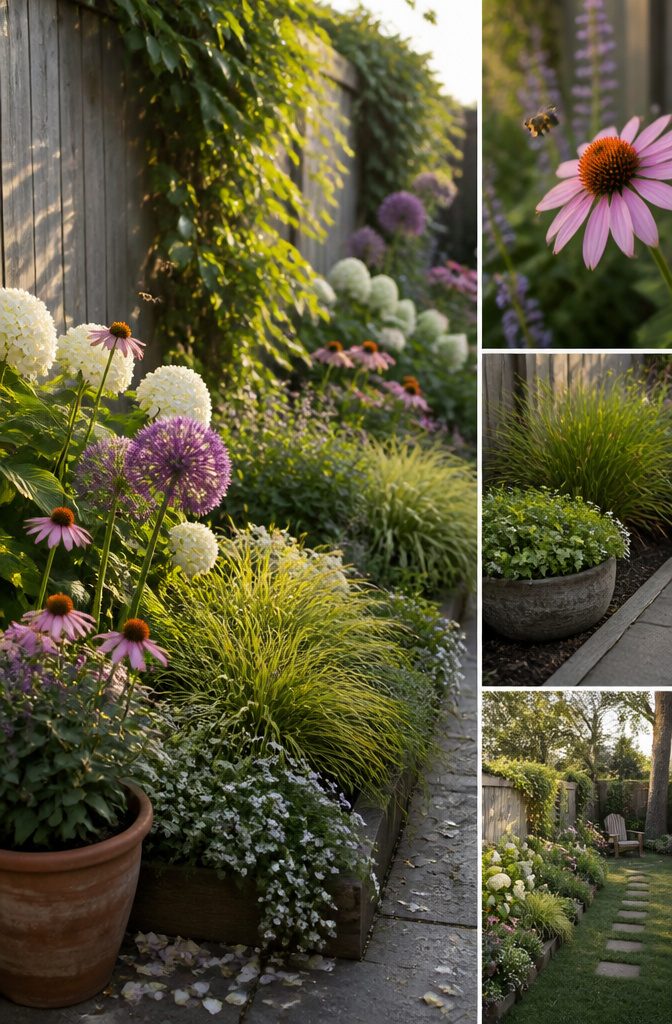
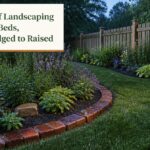
Where ground meets fence, a hard line makes a small yard feel boxed in. Blur it with a fast-growing climber on the fence and a low spiller at its base.
All Gold Japanese forest grass suits shade and Feather Falls sedge suits sun; both grow in zones 5–9, form mounds of cascading foliage, and behave in tight space.
For the bed itself, a pollinator planting of native flowers draws bees, butterflies, and hummingbirds, and it can run loose and meadow-like or stay neatly clipped.
Hydrangea Incrediball (zones 3–9) adds big round blooms. Alliums add more round shapes and grow from bulbs, so put a reminder on your calendar: plant them in September.
Recommended Products
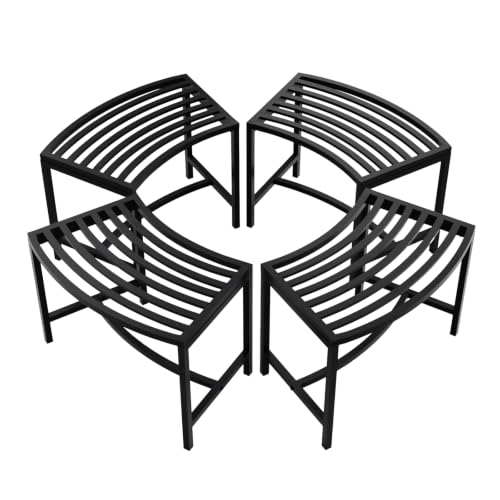
Built to Last: Crafted from heavy-duty iron, our backless patio benches feature a durable, smooth non-toxic finish. The reinforced T-shaped base design provides exceptional stability, safely supporting up to 300 lbs per bench.

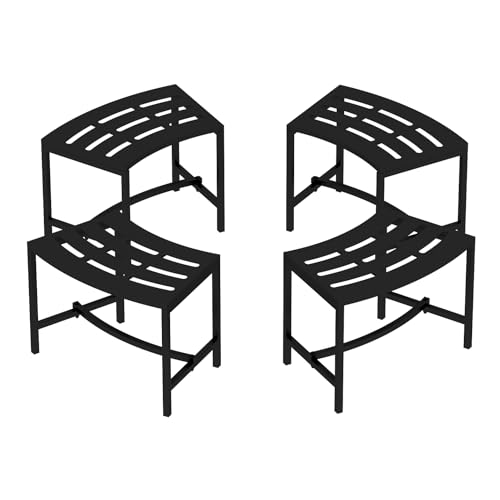
🍧【HEAVY DUTY】Our outdoor backless benches for fire pits are made of heavy-duty iron with a smooth, non-toxic coating. The T-shaped structure makes the fire pit benches more sturdy, with a maximum weight capacity of up to 300 lbs.
4. Raised Beds for Edibles
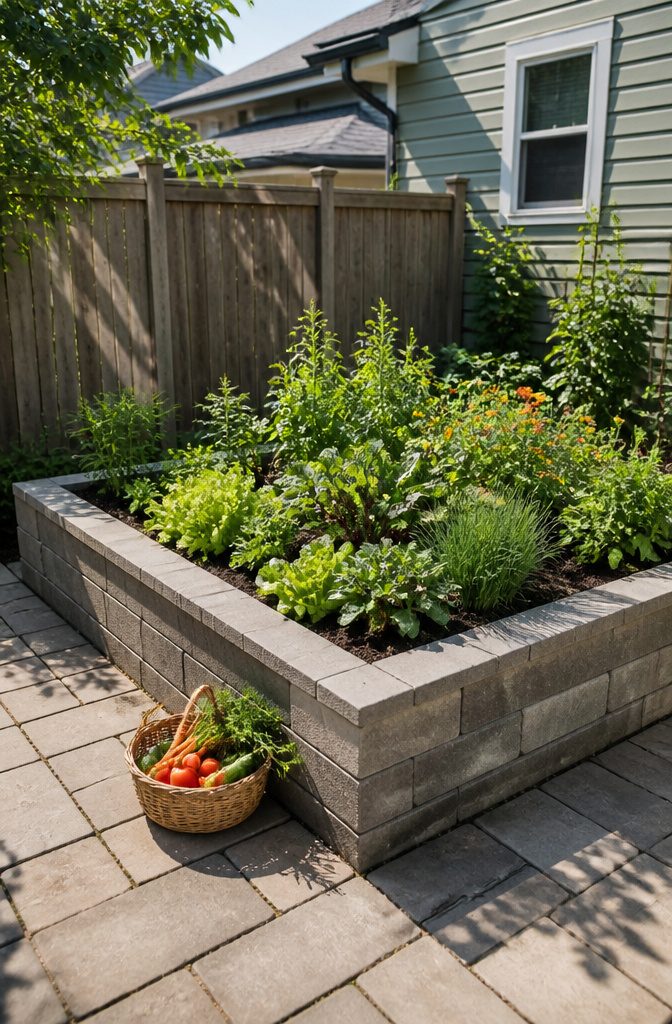
A raised bed lets you control the soil and the layout, which matters when your whole yard is a few steps wide. Retaining wall blocks make the best frame.
They stack into clean, geometric beds that look more finished than wood and last longer. If all you have is a patio or balcony, containers do the same job on a smaller scale.
Put the bed where it gets at least 6 hours of direct sun, since most vegetables and cutting flowers do poorly in less.
Start with herbs and a few vegetables you’ll actually eat. Kids can pick their own crop, and harvesting is an easy way to get them interested.
5. Privacy Screens
Trees, shrubs, a row of arborvitae, a fence, a trellis, a pergola, a screen or an outdoor curtain will all block sightlines, but they use very different amounts of ground.
In a narrow yard, skip trees and wide shrub hedges, which eat into the few feet you have.
A fence, trellis or freestanding screen gives privacy in a few inches of depth. Arborvitae keeps its greenery all year if you can spare a strip for it.
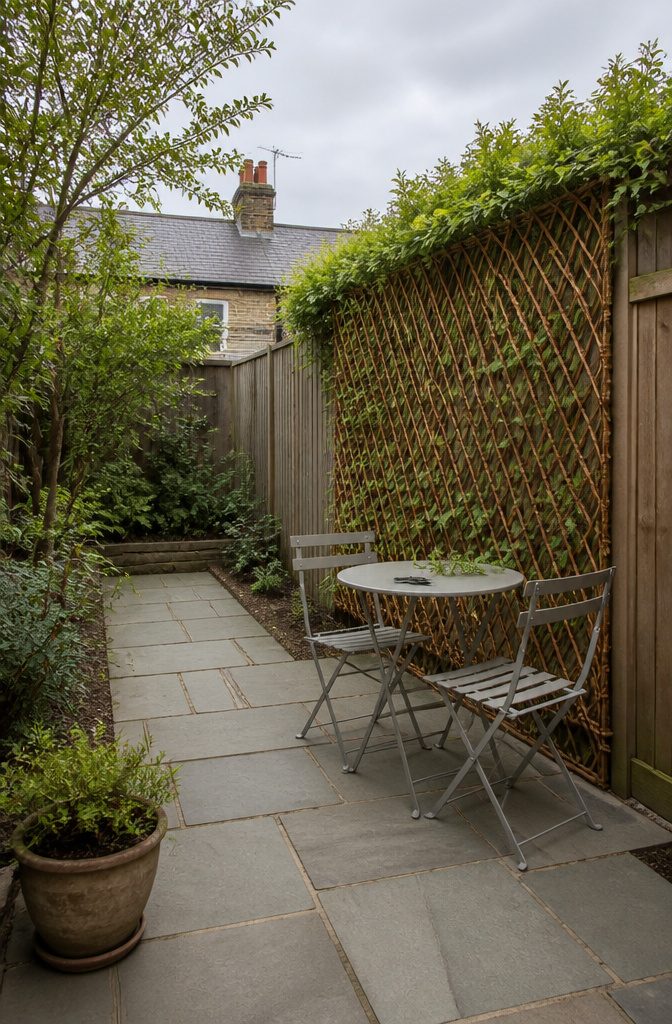
To frame an extra seating spot, fasten an expandable willow trellis panel (3′ x 7½’) to a wooden fence and snip it into a shape with secateurs.
Pair it with slight, open-framed furniture such as a bistro set. You can see the paving run under and behind it, so the yard still looks as big as it is.
Recommended Products

HOW WEED BARRIER WORKS - Mulching the soil with this weed barrier fabric can effectively retain soil moisture, increase soil temperature, promote root development to improve the yield and quality of plants. The soil temperature in the plants’ root concentration area can be increased from -5℃ to above 5℃ in at the beginning of spring. It can be raised to above the starting temperature of growth to maintain a certain growth of roots

PRODUCT DETAILS: Gardener's Supply Raised Garden Beds Aluminum Corners - Set of 4. Our ingenious Raised Bed Corners are weatherproof aluminum brackets that can steadily hold heavy weights of soil/plants and can be used to extend the length/width of our outdoor planter box. A reliable accessory for raised beds gardening.

HOW WEED BARRIER WORKS - Mulching the soil with this weed barrier fabric can effectively retain soil moisture, increase soil temperature, promote root development to improve the yield and quality of plants. The soil temperature in the plants’ root concentration area can be increased from -5℃ to above 5℃ in at the beginning of spring. It can be raised to above the starting temperature of growth to maintain a certain growth of roots
6. A Fire Pit
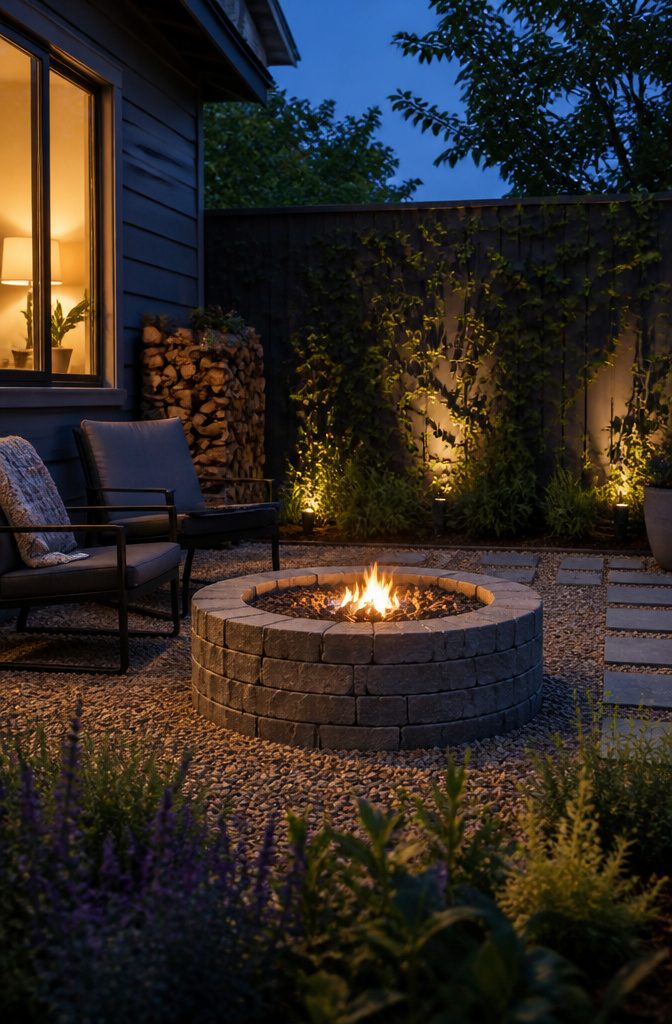
A fire pit gives a small yard a place where people end up sitting, and it works in every season: warmth in winter, marshmallows in summer.
It also draws the eye, so set it where you can see it from a window or the back door.
A portable pit can be moved as the yard changes, which suits renters and tiny patios. A built pit looks permanent, and the Rinox Firepit Collection is an affordable way to make one with a custom, durable look.
Build it if you plan to stay; buy portable if you might move. Check local burn rules before the first fire.
Recommended Products

PRIVACY SCREEN: Tall architectural frame creates attractive outdoor privacy, ideal for shielding patios from neighbors, dividing seating areas, or creating secluded nooks

Bright Sunflower Privacy Fence – Designed with lifelike green leaves and cheerful sunflower flowers, this expandable faux greenery fence adds a warm outdoor look to patios, balconies, gardens, fences, walls and backyards

Multifunctional metal elevated planting bed: This multi-functional metal raised planter bed with trellis combines a raised planting bed, climbing frame, and privacy screen into one unit. It can be used to grow climbing plants, vegetables, and vines, easily creating an outdoor space that is both aesthetically pleasing and private. Whether in a patio or on a balcony, it makes efficient use of space, adding a touch of neatness and style to your green corner
7. Landscape Lighting
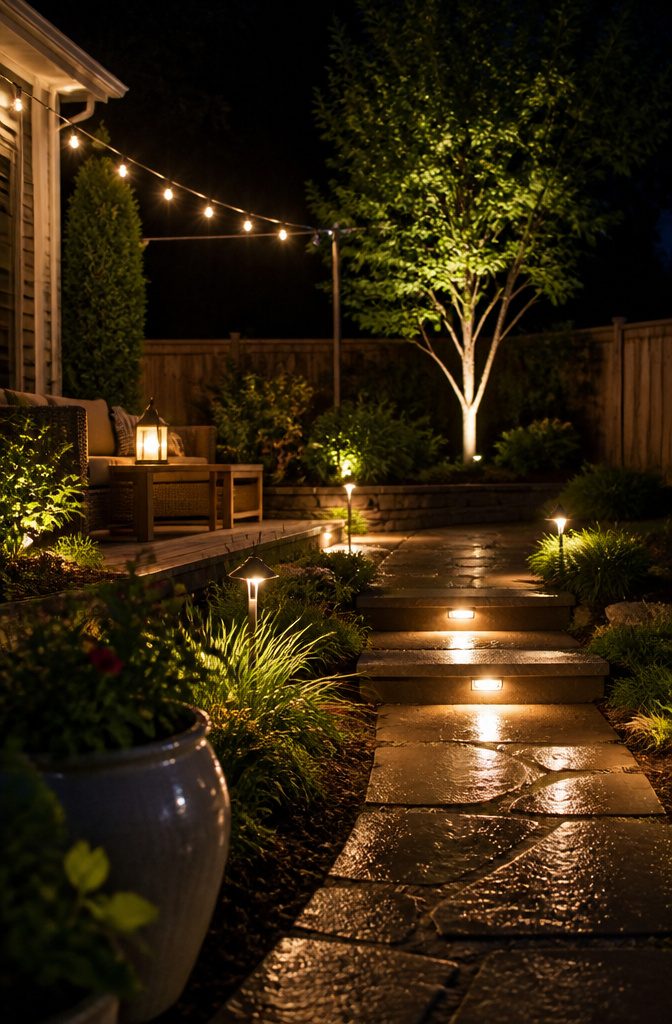
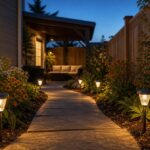
String lights are the cheapest way to set a mood, and in a small yard they do the most work. Hung over a seating area, they mark out the space and make it feel like a room after dark.
Solar path lights and LED lanterns are the other budget options, and lanterns can sit on a table or the ground wherever you want a warm pool of light.
Put path lights along walkways, and light every step and change of level, because steps and other hazards are where people trip in the dark.
For a focal point, aim an uplight at a specimen tree, a water feature, or a sculpture. Pick one feature to highlight rather than lighting everything.
8. Pavers Instead of Grass
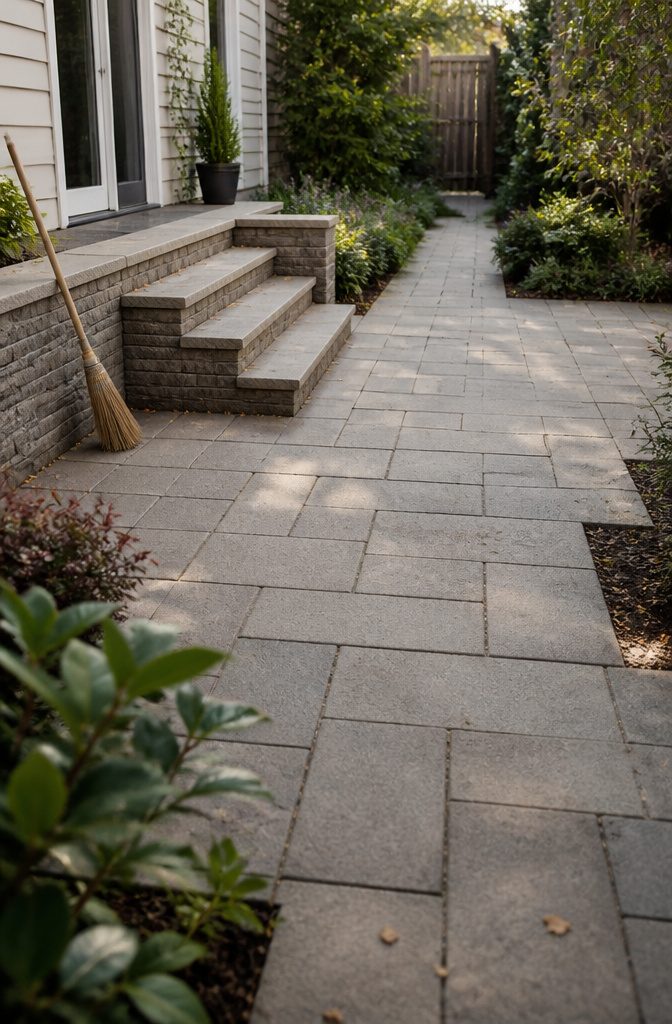
Grass in a small yard still needs mowing, edging and watering, even when you barely walk on it.
Concrete pavers or slabs can replace all of it or just the busiest stretch, and they work for a patio, a path, or full-yard coverage.
Neutral tones keep slabs, walls and stone steps looking like one surface.
Rinox makes pavers in Sky Grey, Ash Charcoal, Caviar, Oka Beige and Solino. Pick one or two and repeat them across the ground, the wall and the steps instead of mixing five.
Upkeep is light.
Sweep off dirt and leaves before they stain, and clean with a hose or a low-pressure washer. Re-sand the joints every few years to keep the pavers locked in place and weeds down.
Recommended Products

Premium Canadian Hemlock Wood: Adirondack chair made of durable, weather-resistant Hemlock with water-based paint for lasting outdoor furniture beauty.

🍧【HEAVY DUTY】Our outdoor backless benches for fire pits are made of heavy-duty iron with a smooth, non-toxic coating. The T-shaped structure makes the fire pit benches more sturdy, with a maximum weight capacity of up to 300 lbs.

9. Retaining Walls for Zones
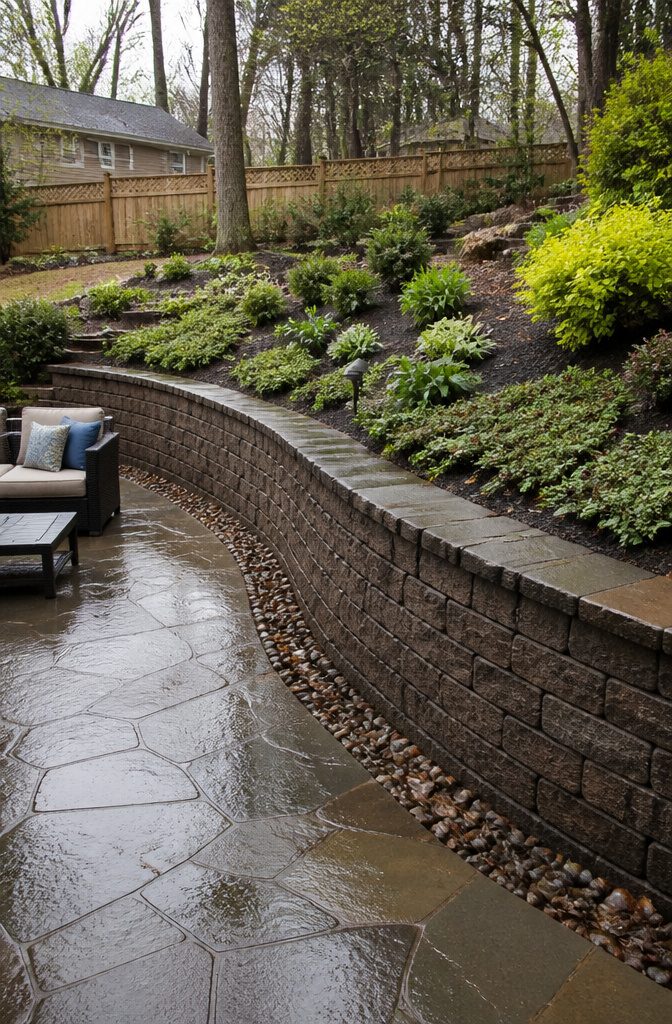
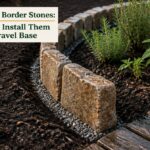
A low wall divides a small yard into rooms without the visual weight of a fence.
Rinox retaining walls can mark off a planting bed, a seating spot, or an entertaining area, and they hold back soil while they do it, which adds depth to a flat-looking space.
On a sloped yard, step the wall into terraces and plant each level with ground cover or shrubs with strong roots. The roots grip the soil and slow erosion between the walls.
Upkeep is light, but check the wall for shifting or drainage problems, especially after heavy rain.
Look for leaning, gaps opening between blocks, or water pooling behind the wall. Sweep off dirt and leaves so they don’t stain the surface.
Recommended Products

【Perfect Fit for Loveseats】Includes 1 seat (46"L x 26"W x 4"H) and 2 backs (24"L x 19"W x 4"H). Whether you need outdoor loveseat cushions for a wicker frame or love seat cushions for outdoor furniture for a standard patio set, this size fits most wicker loveseat cushions outdoor applications.

Water & Fade-Resistant: Made of 300GSM high-density oxford fabric, this wicker chair cushion is suitable for both indoor and outdoor use. A waterproof coating is applied to both the surface and inner layers, and the solution-dyeing process provides effective resistance against UV rays, fading, light rain, and daily wear. This keeps the cushion looking vibrant and well-shaped even after long-term outdoor use.

[3 Piece Wicker Cushion Set ] Aegisun’s 3 piece wicker cushion set includes 1 loveseat cushion (44" x 19") and 2 U-shape cushions (19" x 19" x 5"). Designed as outdoor cushions for wicker furniture, it fits most rattan chairs, patio benches, and outdoor settees. Please measure your chair before purchasing for best fit.
10. Vertical Planters and Trellises
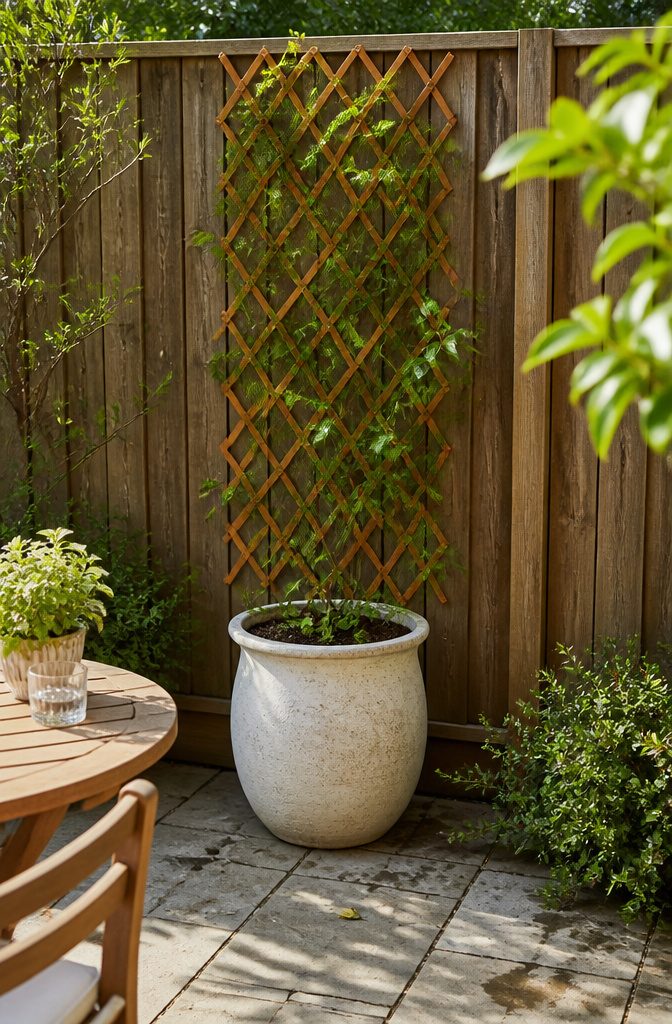
Growing up uses the one thing a small yard has plenty of: air.
The expandable willow trellis, a 3′ x 7½’ panel, stands taller than most people, and its footprint on the ground is only as wide as the pot at its base.
Set it against a fence or the back of the patio, plant a climbing vine or annual at the foot, and a bare vertical surface becomes a green wall without costing you a square foot of lawn or seating.
Sun Bleached pots from Threshold at Target suit this job because their pale, chalky finish keeps the base from looking heavy against the willow.
Buy one large pot for the climber rather than several small ones, which only crowd the patio.
Recommended Products

Durable & Rust-Resistant Construction:Made of high-quality carbon steel with a rust-resistant coating, these heavy-duty garden bed brackets are built to last in all weather conditions. Perfect for outdoor raised beds and planter boxes.

Professional-Grade Material: Crafted from heavy duty woven polypropylene, this weed barrier fabric is a no chemical, tear-resistant solution designed for professional landscaping. Its high-density composition effectively blocks UV radiation, ensuring a weed-free garden and preserving soil health

HOW WEED BARRIER WORKS - Mulching the soil with this weed barrier fabric can effectively retain soil moisture, increase soil temperature, promote root development to improve the yield and quality of plants. The soil temperature in the plants’ root concentration area can be increased from -5℃ to above 5℃ in at the beginning of spring. It can be raised to above the starting temperature of growth to maintain a certain growth of roots
11. Dark Fences and Mirrors
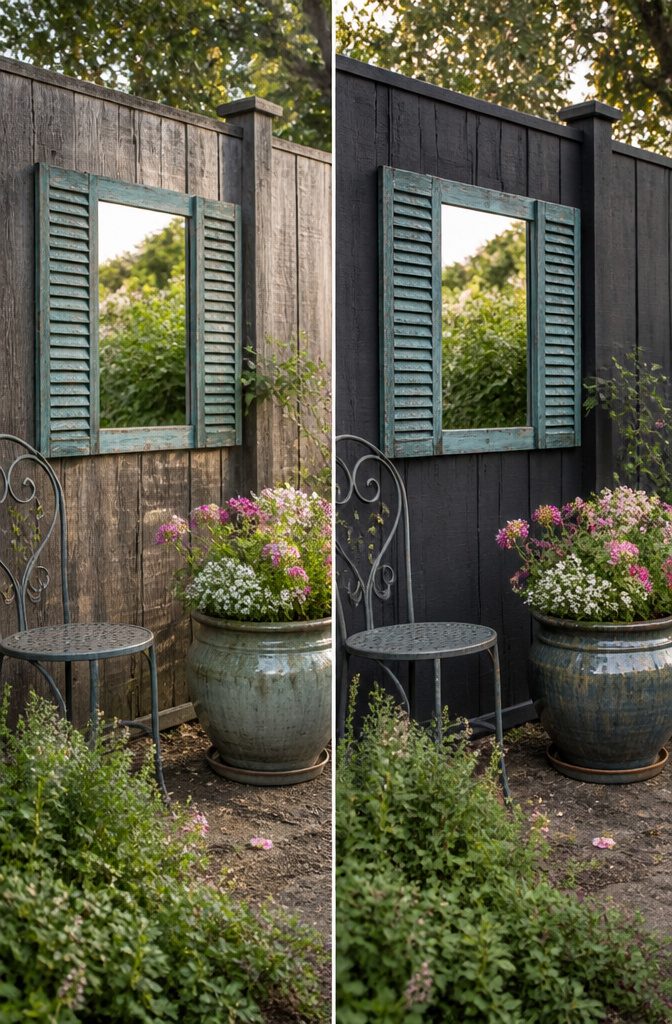
Paint a boundary fence a deep color and it seems to sit farther away, while flowers and furniture in front of it look brighter.
BEHR Solid Color House and Fence Exterior Wood Stain, sold at The Home Depot, comes in three dark shades worth a look: Espresso Beans, a deep brown with character; Slate, a short step from black; and Equestrian Green.
Staining a small yard’s fence fits in a weekend.
A mirror on a wall or fence adds depth in a different way: your brain assumes the garden continues behind it. Esschert Design makes a shuttered, distressed garden mirror in blue or green, which suits a cottage look.
MirrorOutlet’s framed window mirror fits a modern garden. Both are sold through Amazon.
12. Diagonals, Spheres, and Repeated Color
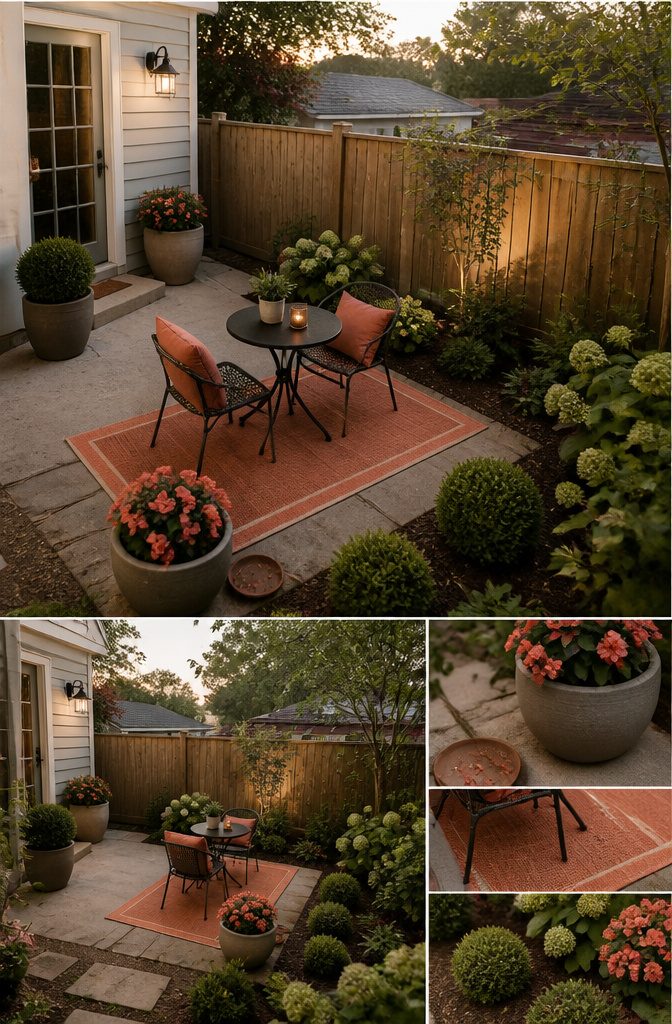
Straight lines send the eye the short way across the yard, so a table squared to the fence makes the space read narrow.
Move furniture so it sits at an angle to your boundary fences, and your eye will draw a line that’s far longer, making you perceive the space to be much bigger.
Turn your seating at an angle to the fence.
Then pick one bright accent color from blooms you already grow. Repeat it in cushions, an inexpensive patio rug, and quick-blooming annuals.
Round shrubs or a round planter give the eye a place to circle. Matching pots by the door and on the patio tie house to yard.
13. A Shed and Personal Touches
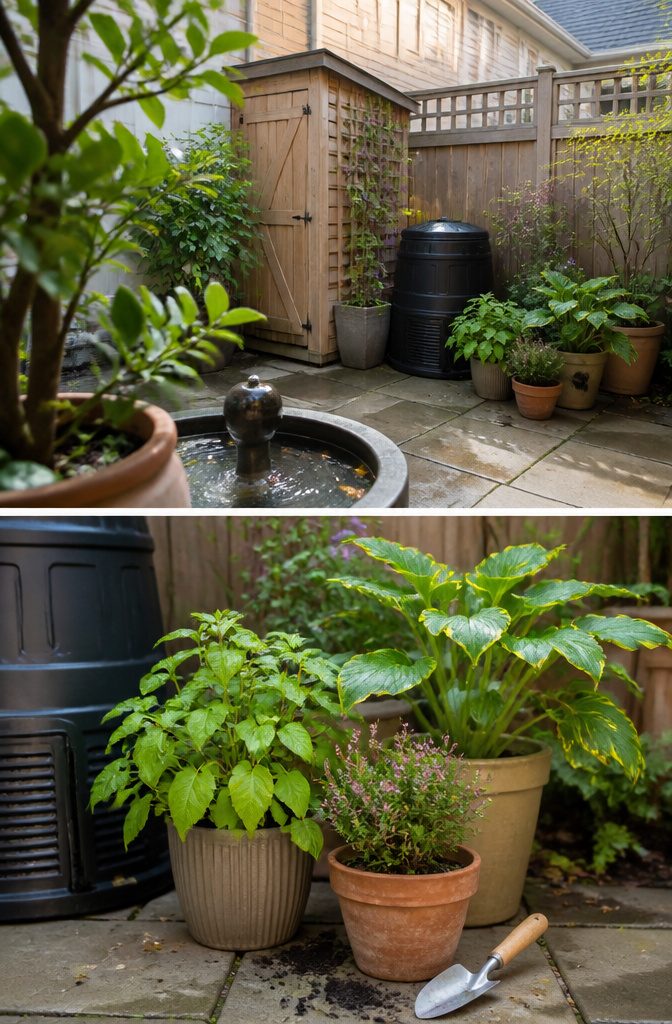
A shed earns its footprint only if it does a job the house can’t. Storage is the plain version: mowers, tools and soil bags leave the patio, and the yard reads as larger.
An office or gym adds usable room without an addition, but it is an upfront investment, so it suits a yard where one corner can be given over to it.
For personal touches, the pieces that fit a small footprint are a container garden, a bubbling fountain, or a compost bin. A trellis with a flowering vine adds personality while taking almost no ground.
An outdoor kitchen needs the most space. Skip it unless you already cook outside most weeks.
Choose Native Plants for Your Zone
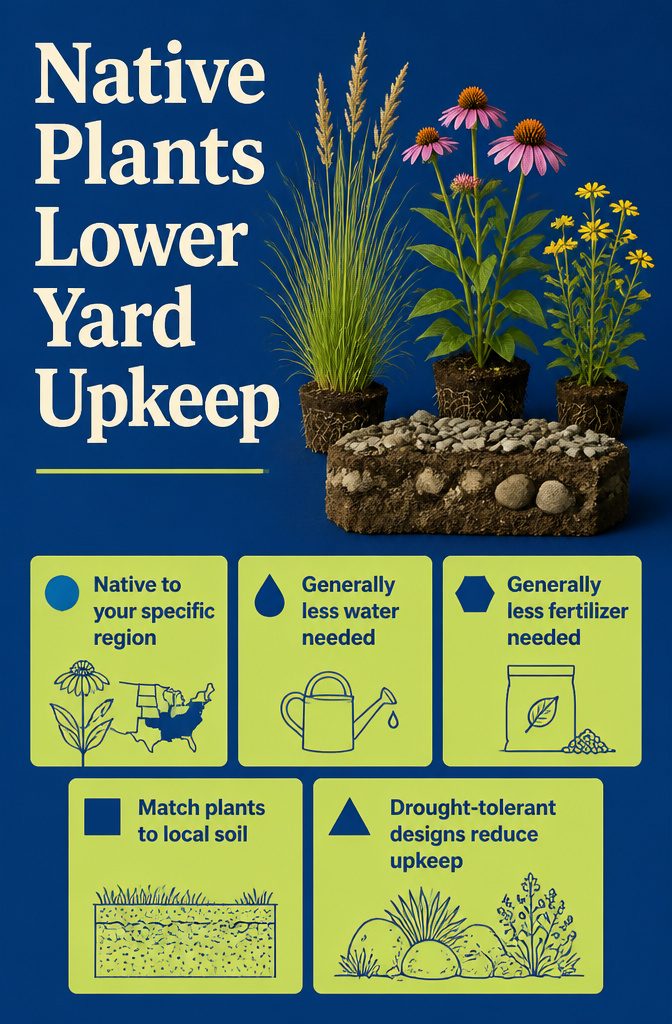
Native plants have adapted to your region’s climate and soil, so they generally need less water and fertilizer than non-natives.
On a small yard and a tight budget, that lowers your water bill and your weekend workload, and local wildlife benefits too.
Before you buy, check three things. First, confirm a plant is native to your region, not just to the country.
Second, match it to your yard: how dry summers get and what your soil is like. Third, be honest about upkeep.
If you want minimal maintenance, a drought-tolerant or xeriscape design, perhaps with a rock garden, keeps watering and trimming low. Then pick a style you like looking at, because a plant you dislike is one you’ll end up pulling out.
Plan in Phases on a Budget
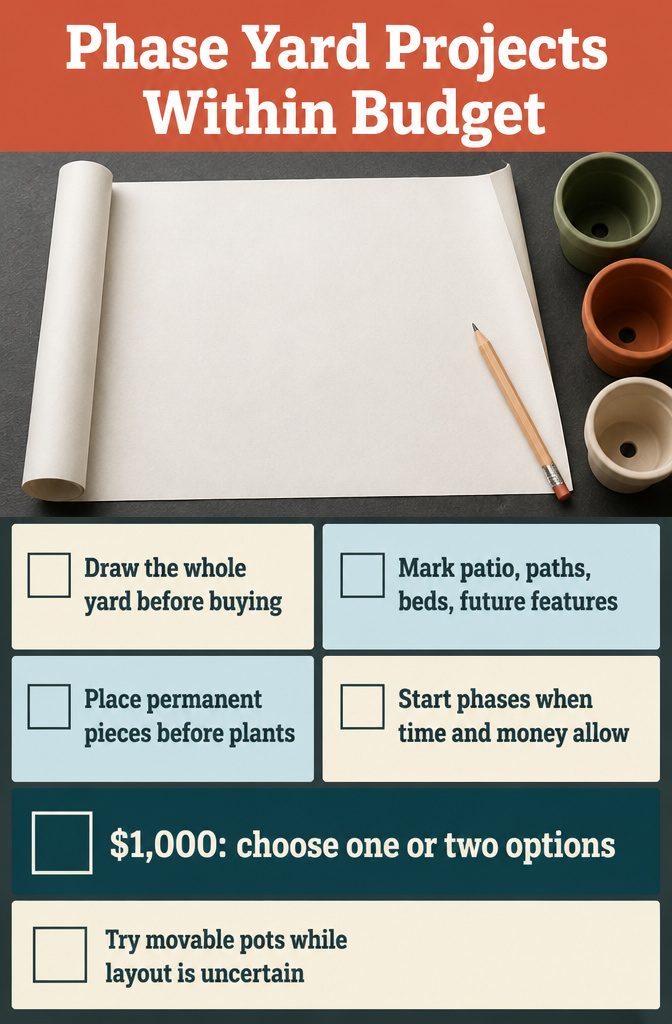
Draw the whole yard on paper before you buy anything, so a later project never means digging up what you planted earlier.
- Mark where the patio, path, beds, and any future tree or wall will go, even if you won’t build them for years.
- Place permanent pieces first and fill in around them. Plants in the wrong spot are the ones you end up moving.
- Split bigger goals into phases and start each when you have the money and time. One finished corner beats four half-started ones.
- A $1,000 budget covers potted plants, pathway pavers, outdoor lighting, or a raised garden bed. Choose one or two for phase one.
- Start with pots if you’re unsure of the layout, since you can move them when the plan changes.
Frequently Asked Questions
How do I make a small backyard look nice?
Break the yard into simple zones: a small seating area, a path, and a few plants.
Pavers or slabs in 1 or 2 neutral tones replace grass that needs mowing, and a trellis or vertical planter adds greenery without using ground space. Repeating the same few materials makes the yard read as one connected space.
What can $1,000 do for a small backyard?
A $1,000 budget covers potted plants, pathway pavers, outdoor lighting, or a raised garden bed.
Choose 1 or 2 for the first phase and finish them before starting the next. Pots are a low-risk start because you can move them if the layout changes.
How do I landscape a small sloped backyard?
Step the slope into terraces with retaining walls, then plant each level with ground cover or shrubs that have strong roots.
The roots grip the soil and slow erosion between the walls. Check the walls for leaning or pooling water after heavy rain.
What adds the most value to a backyard?
Patios, retaining walls, and outdoor lighting are the upgrades most often named, along with neat beds, pathways, and a layout that is easy to maintain. A tree can also add to property value, though it takes years to grow.
How do I create a tranquil small backyard?
Keep the layout simple, add plenty of greenery, and use soft lighting.
String lights over the seating area give a warm glow after dark, and a bubbling fountain adds a calming sound. A climbing vine on the fence softens hard edges.
How do I maintain pavers, slabs, and retaining walls?
Sweep off dirt and leaves regularly so they don’t stain, and clean with a hose or a low-pressure washer.
Re-sand the joints between pavers every few years to keep them locked in place and hold weeds down. For retaining walls, look for shifting or drainage problems, especially after heavy rain.