The ideas run from a few pots by the door to a fenced fire pit, and your house and site pick which fit: its style, its sun, wind and drainage, and your USDA zone.
Zone limits your plant choices directly. Emerald Snow loropetalum grows in zones 7–9, while Anglo-Japanese yew grows in zones 4–7.
1. Welcoming Entry and Path
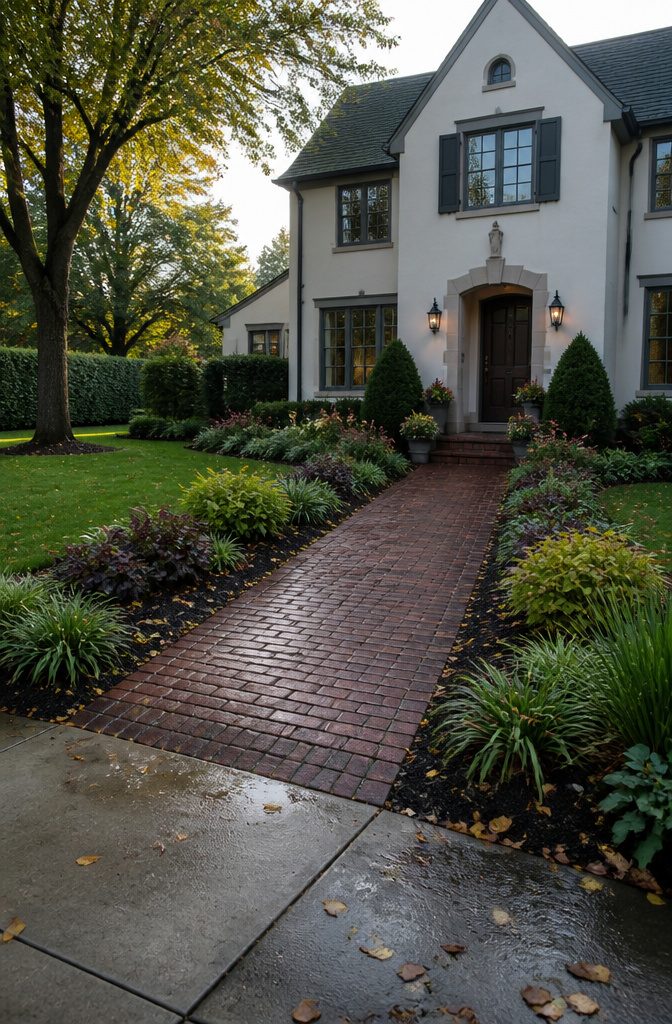
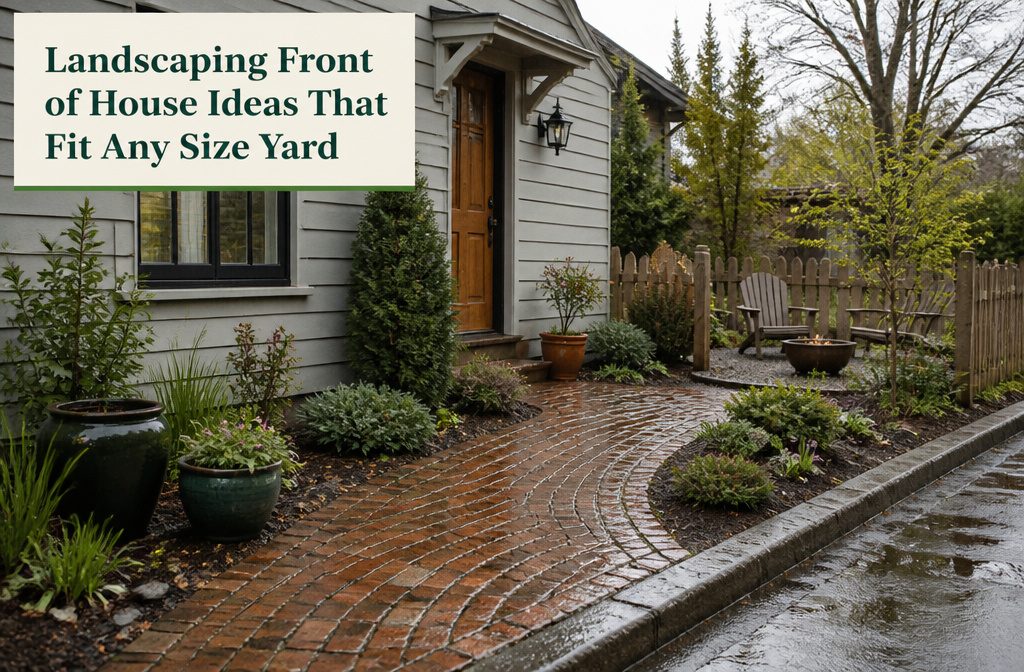
Frame the door with a matched pair of shrubs for a formal house, or layer tall, medium and low plants in a loose group for a relaxed one. Link the door to the street with a walkway that reads clearly.
A straight path suits formal designs. A curve feels softer and leaves more room for beds along the sides, which you can border with perennials, ground cover, mulch, or ornamental grasses.
Edging keeps path material in place and beds tidy, and old bricks do that job cheaply.
Gravel or mulch also make budget-friendly paths. Keep plantings open near the walk so sight lines stay clear from the street to the door, and widen the path where it meets the sidewalk to signal that visitors are welcome.
Recommended Products

This is a Start Brick: The specific purpose is to start non-circle projects. For Beuta Landscape Edging Only

Realistic Faux Stone Texture: Our landscape edging boasts a lifelike stone texture with detailed surface patterns that add depth and a polished look to your outdoor space. It beautifully enhances garden beds, lawns, pathways and flower beds, bringing a natural, decorative touch to any yard.

STAYS IN PLACE - Our edging stays securely in place, keeping mulch and other materials from migrating into other areas of your landscape for a pollished look
2. Foundation and Seasonal Planting
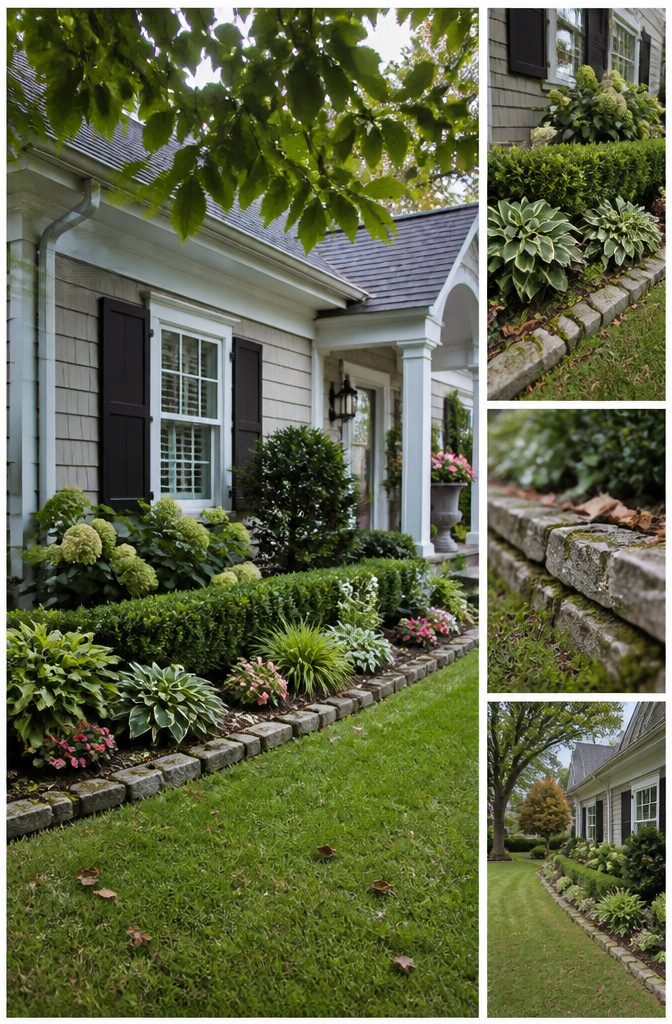
Evergreens carry the bed in winter, so start there. Low boxwood hedges give a clean line along the foundation, and larger shrubs behind them add height.
Evergreens alone look heavy and flat, so mix in flowering shrubs for seasonal color, perennials for bloom, and ornamental grasses for movement. Fill the gaps with ground cover and flowers.
In a small yard, pick dwarf hydrangeas and small ornamental grasses, since both stay interesting across more than one season.
Variegated hosta handles shady spots beside the house. Native plants need less maintenance and less water, which helps on a tight budget.
This bed sits right where people look first, so it drives curb appeal more than almost anything else you plant.
Recommended Products

Excellent for evergreens, dogwoods, hydrangeas, magnolias and many other acid-loving trees and shrubs

ULTRA-REALISTIC TPE CEDAR FOLIAGE: Unlike cheap plastic alternatives, our 5ft artificial cedar trees are crafted with premium Real-Touch TPE material. The multi-layered, verdant leaves mimic the natural texture and color gradation of a live cedar shrub. Perfect for elevating your front porch, farmhouse entryway, or patio with evergreen vibrancy that looks authentic even from a close distance

FOR USE ON: Use Evergreen-tone organic fertilizer for all needle leaf and broadleaf evergreens. This includes pine, fir spruce, juniper as well as azaleas, rhododendron and camellias
3. Front Yard Seating
A porch is the safest way to put seating out front.
A swing on one side and cushioned lounge chairs on the other keep a traditional look, which matters under an HOA, since seating areas detached from the house meet the most resistance. Rules vary, so check yours before building.
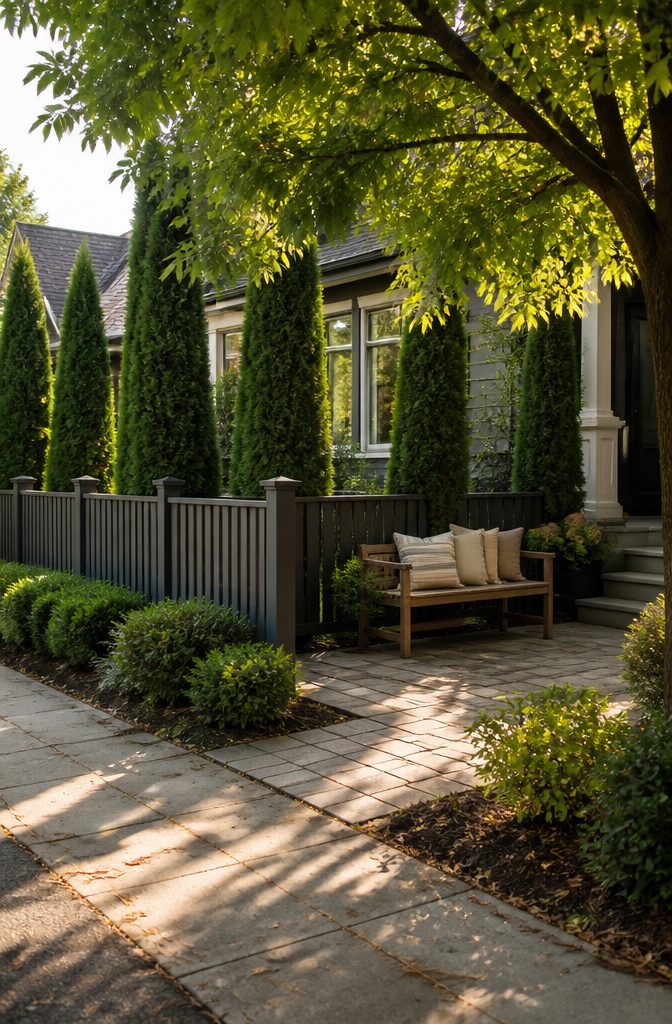
With a deep front yard or a wide entry, a small paver patio near the door can hold a bench, container gardens, or wrought-iron furniture and look intentional.
For a fire pit, a 4-foot fence plus tall, evenly spaced evergreens hides seated guests from the street. Gaps between the trees still let you glimpse the house, and a canopy tree overhead adds dappled shade by day.
Recommended Products

Released in 2010, it is a dwarf, compact shrub with dark green foliage that turns mahogany red in fall. Its white, 6.5 in. inflorescences are held upright above the foliage and gradually turn pink as they age.


This Plant will Ship in a fabric Grow Bag ( see pics ) - The plants are currently growing in a 1 Pint nursery pot However they will NOT ship in a plastic pot.
4. Hardscape and Planting
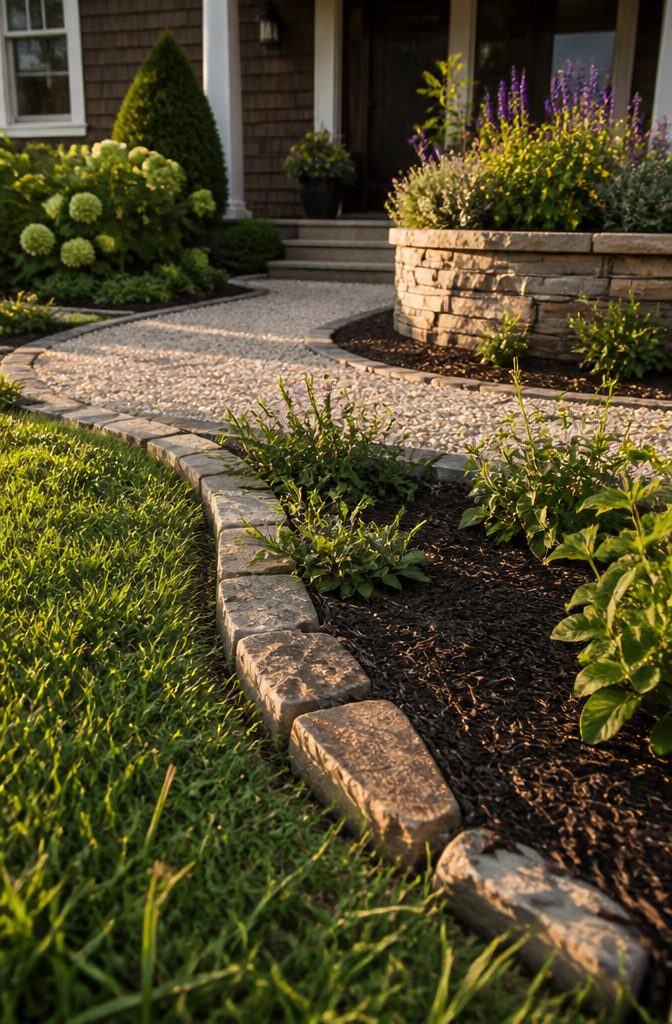
Hardscape gives a front yard its frame, and plants make that frame look lived in.
Patios, paths and driveways in stone, brick or concrete hold their shape when the beds are bare in winter. Let plants spill over the edges so the lines look intentional rather than stiff.
Edging does the daily work. Natural stone, brick, steel, concrete or river rock keeps grass out of your beds and draws a clean line between lawn, mulch, gravel and walkway.
Stone also works as a path, a border, a low-maintenance rock garden, or a planter that doubles as a focal point.
Raised beds suit entrances, walkways and spots with poor soil or drainage. Build them from natural stone, brick, concrete blocks or landscape timber, and match the material to your house.
Recommended Products

FUNCTIONAL OUTDOOR SEATING: Lightweight and durable, this fiberclay bench makes a marvelous addition to your garden, porch, patio, deck, or poolside area

[REAL STONE APPEARANCE] The look and heft of carved stone without the cracking, chipping, or weight of solid concrete. Cast from natural stone powder and recycled resin for authentic texture and lasting durability.
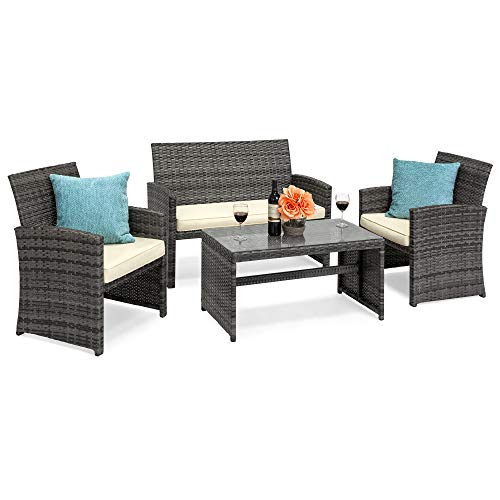
MODULAR FURNITURE SET: This versatile furniture set features a table, one double sofa, and two chairs to provide four seats that can be mixed & matched to your sitting space
5. Coherent Style and Layout
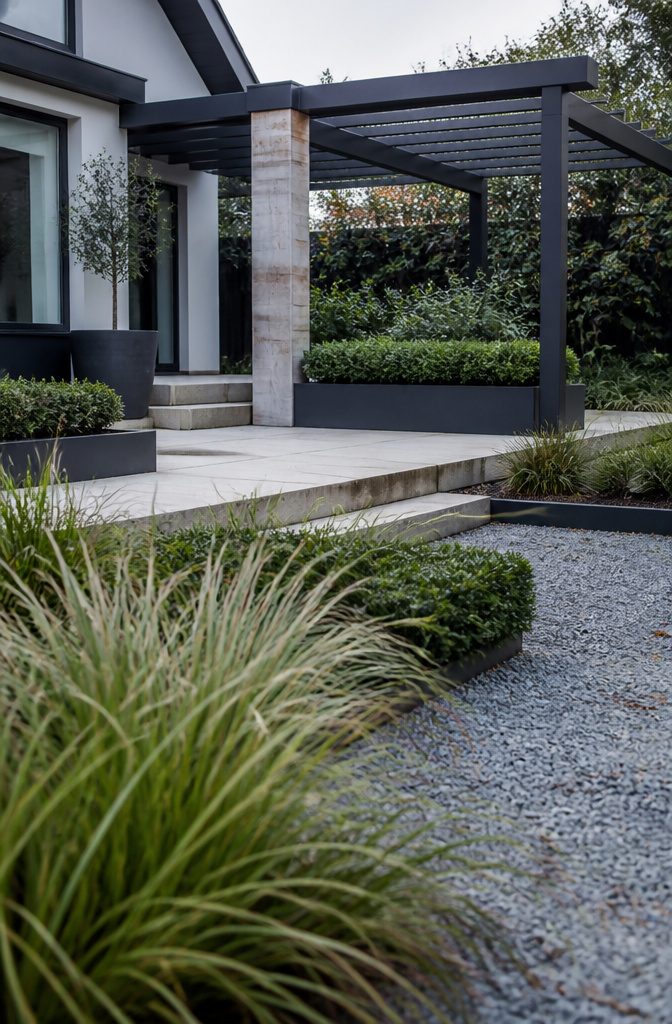
Choose the direction from the house, not from a photo you like.
A contemporary or minimalist home pairs well with right angles: rectangular beds, paver paths, gravel walkways, concrete planters, low hedges and ornamental grasses, with few plant varieties and strong contrast.
A traditional house with a complex facade does better with a calmer yard: shrubs, perennials, a lawn, and ivory herringbone pavers, all in a limited color palette so the architecture stays the focus.
Whichever you pick, repeat one or two materials and colors across paving, planters and structures. A pergola can match the house’s black and blonde exterior, and one deck surface can tie separate spaces together.
Recommended Products

EASY INSTALLATION: Sections of edging simply slide together and can be tapped with a mallet, which eliminates digging

PERFECT SIZE: Our 4×2×1ft raised garden bed comes with Rubber Edging Strip x 1, Hand Wrench x 1, Screwdriver x 1, Gloves x 1. It is easily movable, meeting diverse planting needs for growing vegetables, flowers, fruits, and herbs in your patio, yard, garden, or greenhouse
Realistic Faux Stone Texture: Our landscape edging boasts a lifelike stone texture with detailed surface patterns that add depth and a polished look to your outdoor space. It beautifully enhances garden beds, lawns, pathways and flower beds, bringing a natural, decorative touch to any yard.
6. Containers and Planters
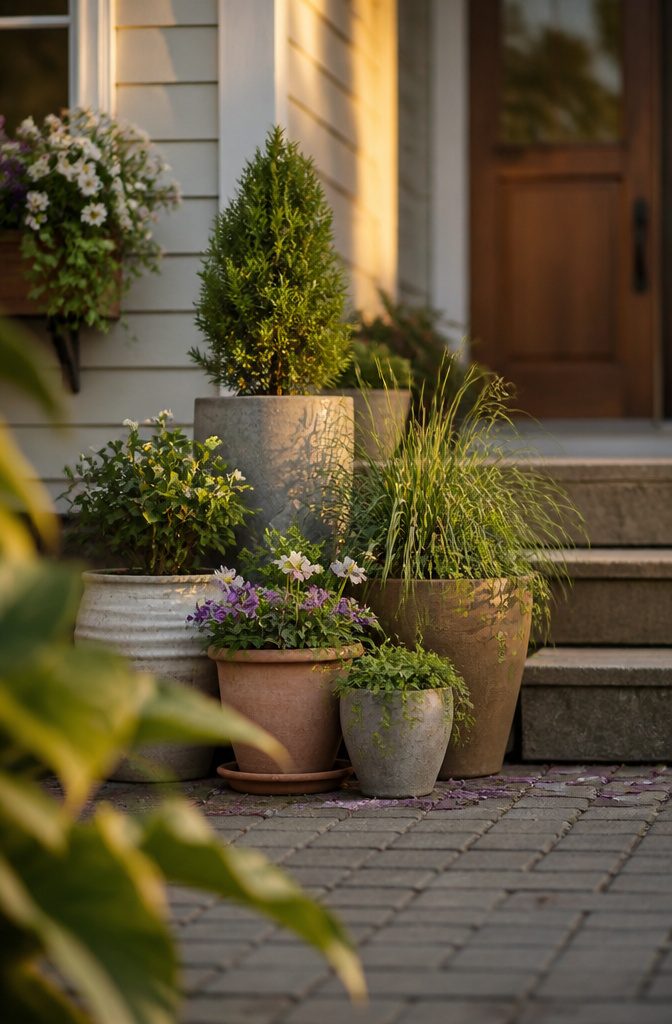
Pots do the work of a bed when you don’t have one. Set them beside the front door, at the foot of the steps, next to a garage entrance, or on a small patio.
Fill them with annuals, compact shrubs, ornamental grasses, or evergreen accents. Boxwood in a pot gives an entry year-round structure, and annuals around it can change with the season.
Choose containers that suit the house, with a material and shape that echo its style. Group smaller pots at different heights and sizes instead of lining up identical ones.
Under windows, a window box with trailing plants and small evergreens brings color close to the house. Where floor space runs out, grow upward.
7. Reduce Lawn and Maintenance
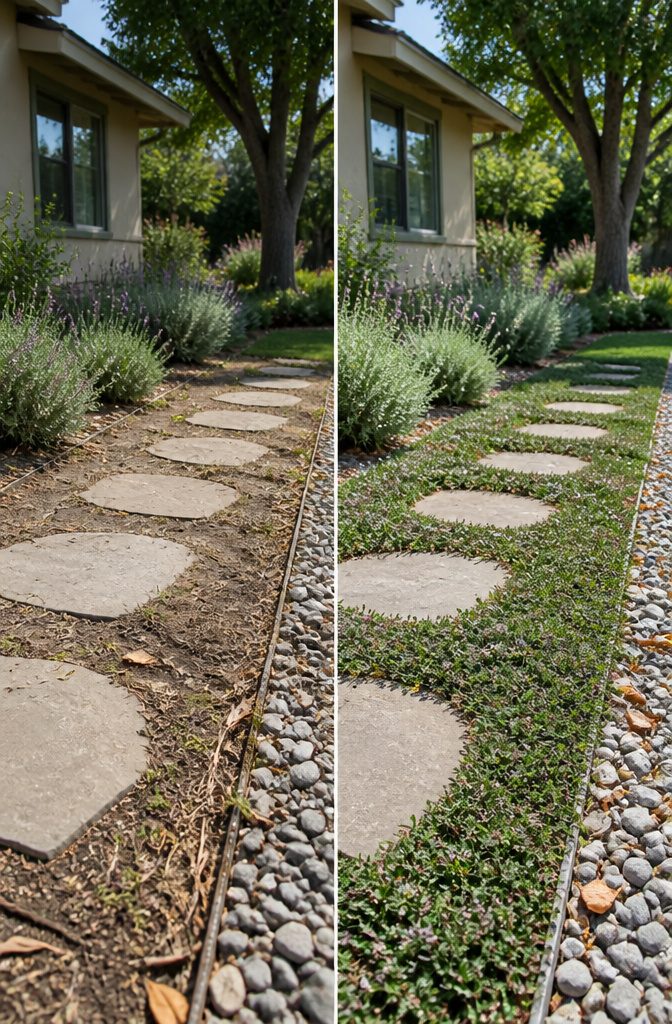
A lawn asks for mowing, watering, fertilizing, and weed control, so the quickest way to cut chores is to make it smaller.
Give up the awkward corner or the strip along the street first, since those patches are usually the hardest to keep looking good.
For sun, creeping thyme is a low-effort ground cover that adds texture, and vinca minor is a second choice that needs little upkeep. Lavender and sage suit dry, sunny spots and cut your water use.
Under trees or along the shaded side of the house, hostas and ferns fill the space a lawn would struggle in. Gravel between plantings gives the bed a clean edge and one more texture.
Recommended Products

FOR USE ON: Use Evergreen-tone organic fertilizer for all needle leaf and broadleaf evergreens. This includes pine, fir spruce, juniper as well as azaleas, rhododendron and camellias

ULTRA-REALISTIC TPE CEDAR FOLIAGE: Unlike cheap plastic alternatives, our 3ft artificial cedar trees for outdoors are crafted with premium Real-Touch TPE material. The multi-layered, verdant leaves mimic the natural texture and color gradation of a live cedar shrub. Perfect for elevating your front porch, farmhouse entryway, or patio with evergreen vibrancy that looks authentic even from a close distance

ULTRA-REALISTIC TPE CEDAR FOLIAGE: Unlike cheap plastic alternatives, our 4ft artificial trees for outdoors are crafted with premium Real-Touch TPE material. The multi-layered, verdant leaves mimic the natural texture and color gradation of a live cedar shrub. Perfect for elevating your front porch, farmhouse entryway, or patio with evergreen vibrancy that looks authentic even from a close distance
8. Lighting and Focal Points
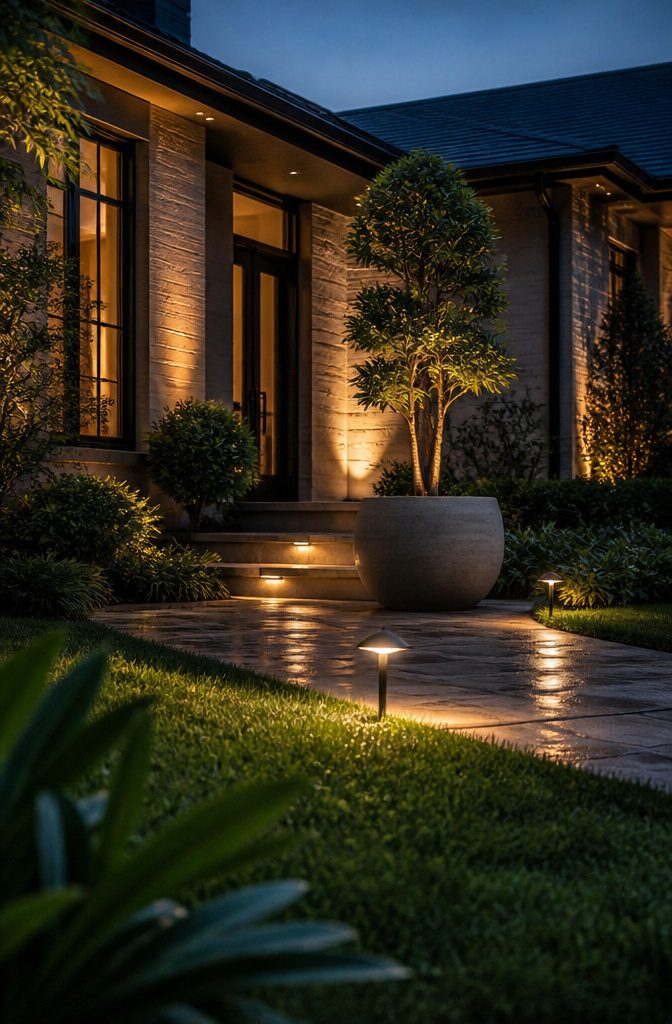
Light the paths, steps, and entryway first, since those are where a missed step happens after dark.
Lighting also makes the house look finished from the street. After that, aim one fixture at a plant or feature you want seen, such as an ornamental tree.
Choose a single focal point.
One or two well-chosen features look better than several competing pieces. A stone fountain, a large concrete planter, decorative urns by the door, or a bench near the walkway all work.
Put it where the eye already goes: near the front door, at a walkway curve, or at the center of a planting bed.
Lighting and distinctive features are both among the elements linked to higher home value, so they earn a spot in a $500–800 budget.
Recommended Products

Each offer includes one plant grown in a 4 inch pot

For sale is 1 Strawberry Sundae Hydrangea that is approximately 14-20" tall and shipped in a gallon pot.
9. Privacy and Safe Boundaries
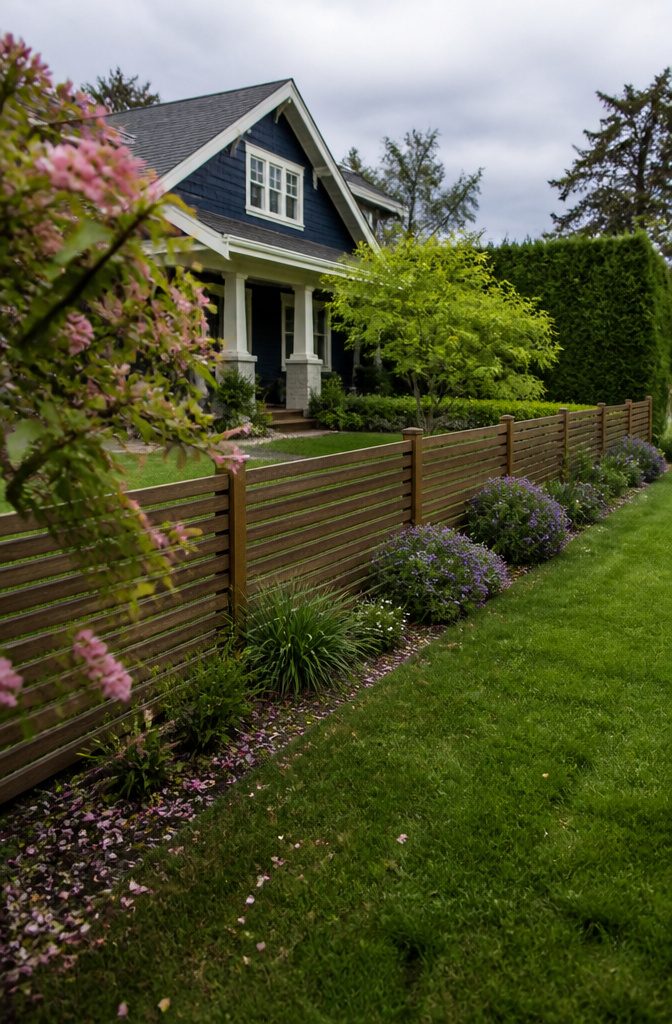
A low fence with boards spaced under 3 inches apart holds in kids and dogs while still letting light through. Hogwire works too.
Neither stops a dog that leaps, so a jumper needs a taller fence. Run planting beds along the street side so passers-by see shrubs and flowers, and keep the lawn open inside for play.
For street noise and views, plant tall hedges or shrubs, and choose evergreens for coverage year-round. Layer them: a row of natives in front of the hedge softens the green wall and often needs less upkeep.
Stop short of screening the whole front. A tall, solid barrier cuts the welcoming feel, so leave openings or keep some sections low.
Recommended Products

【Sturdy and Safe】This garden bench is made of cast iron backrest and metal frame, which is stable and sturdy for long-term use. The chair is all finished with round edges and smooth surface, providing you with safe relaxation

Rust-Resistant Frame: Made from durable cast iron with a powder-coated finish.This garden bench holds up well against rain, humidity, and sun, with good resistance to flaking and corrosion. The rust-resistant surface helps it maintain its look through multiple seasons with minimal maintenance.

🪑 One-Piece HDPE Rocker — Won't Warp Like Wood or Crack Like Cheap Plastic: Traditional bent rockers lose elasticity and sag within a season. This outdoor rocking chair uses a precision-cut one-piece HDPE rocker that delivers smooth, consistent motion year after year — no warping, no sagging, no squeaking. Perfect for your front porch, deck, patio, or garden.
10. Adapt the Design to Your Site
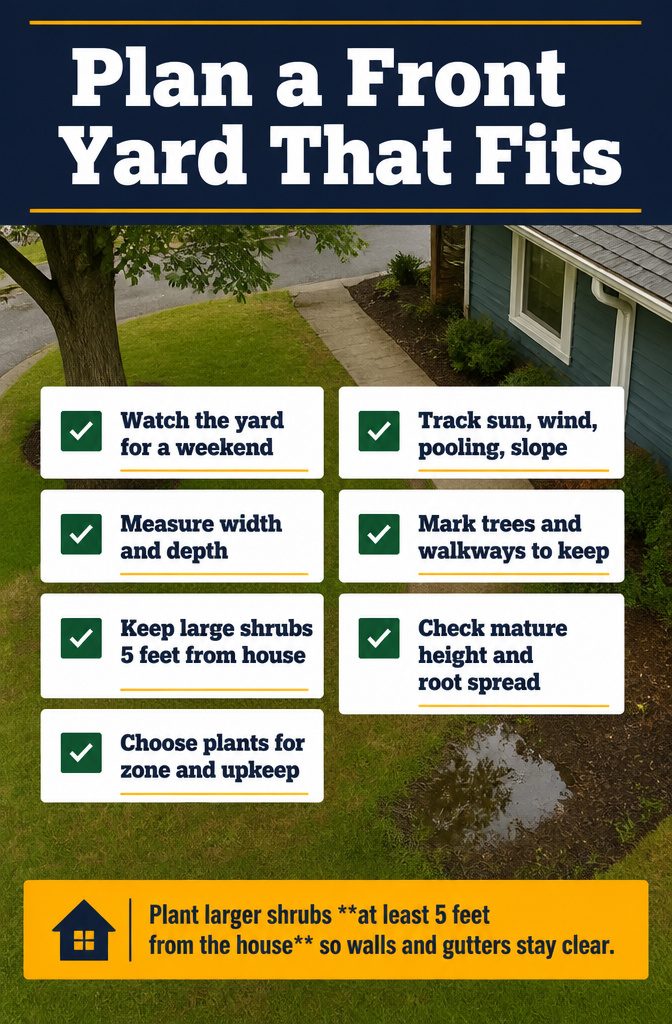
Spend a weekend watching the yard before you buy anything. Note where sun lands in the morning and afternoon, which corner takes the wind, where water pools after rain, and how steep the slope is.
Measure the width and depth, and mark what stays, such as a mature tree or a walkway.
Plant larger shrubs at least 5 feet from the house so walls and gutters stay clear. Read the tag for mature height and root spread, and keep aggressive-rooted trees away from pipes and foundations.
Look up your USDA zone and favor native or climate-suited plants.
They adapt to local conditions better than poorly suited ornamentals. Then be honest about upkeep: if you won’t prune often, skip plants that need it.
Recommended Products

LARGE PLANTING SPACE: Designed with a long bed space (5CuFt) deep enough to provide your plants and vegetables with ample room to breathe and grow healthy

8-Pack Faux Stone Garden Edging: Includes 8 gray landscape edging panels designed to create a clean stone-look border for flower beds, lawns, mulch areas, walkways, patios, and paths

【 Durable and Long-lasting 】The BIRDSINYARD raised garden bed, available in a convenient two-pack, is constructed from thick galvanized steel. It features a rust-resistant and corrosion-resistant coating, ensuring it can withstand humid weather and tough conditions without warping or rusting, even with long-term use.
Plant Sizes and Zones
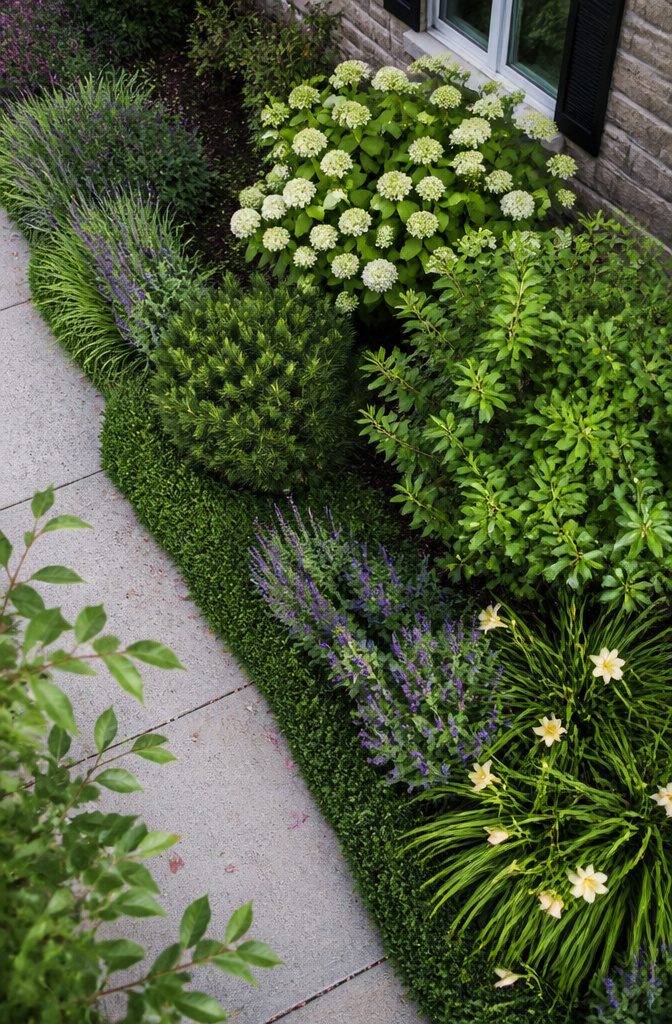
Mature size sets where each foundation plant fits, and zone sets whether it survives your winters.
| Plant | Mature size | USDA zones |
|---|---|---|
| Emerald Snow loropetalum | 4–6 ft high, 3–4 ft wide | 7–9 |
| Hydrangea | n/a | 3–9 |
| Gardenia | 5–6 ft | 8–11 |
| Anglo-Japanese yew | 3–4 ft | 4–7 |
| Japanese yew | 4–5 ft | 4–7 |
| English yew | 2–4 ft | 4–7 |
| Wintercreeper | 1–2 ft | 5–9 |
| Fire Chief arborvitae | 3–4 ft | 5–9 |
| Dwarf arborvitae | n/a | 3–7 |
| Baby Gem Japanese boxwood | up to 3 ft wide | n/a |
| Winter Gem boxwood | up to 4 ft | n/a |
Check your USDA zone against the range before you buy. For a sunny bed, lavender, salvia and daylilies suit full sun.
Mulch and Watering
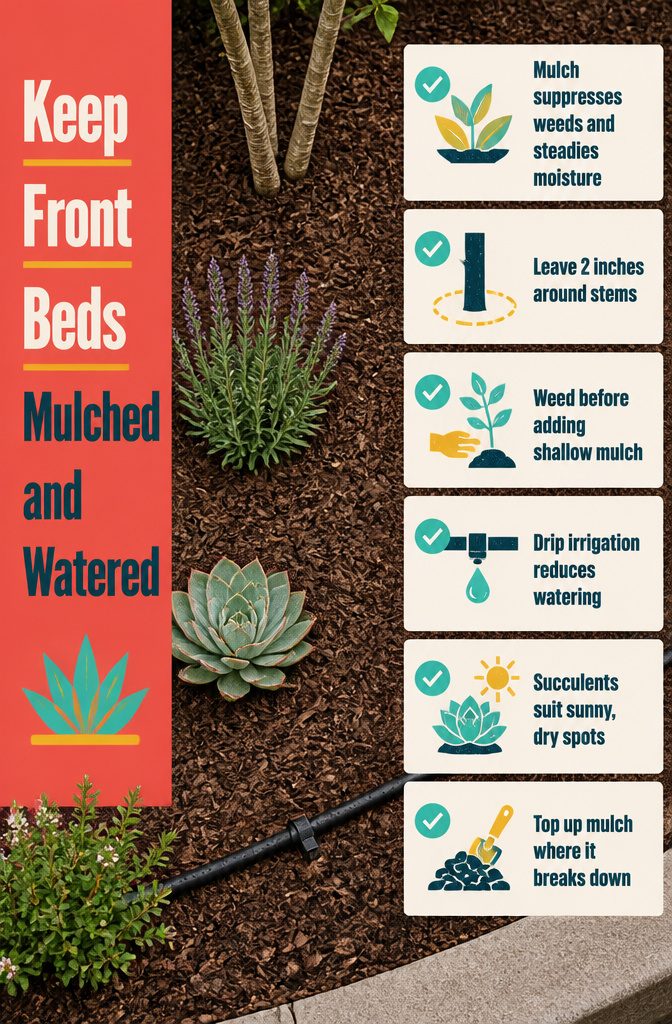
Mulch and drip irrigation do most of the work of keeping a front bed alive and tidy.
- Mulch suppresses weeds, holds soil moisture, and keeps soil temperature steadier.
- Keep it about 2 inches back from trunks and stems. Mulch pressed against bark traps moisture and causes problems there.
- Pull weeds before you spread a new layer, and keep the layer shallow. Too much mulch holds excess water and can hurt plant health.
- Add drip irrigation to cut how much you water.
- Choose native or climate-suited plants. Succulents suit sunny spots and need little water.
- Each season, weed the bed and top up mulch only where it has broken down.
Frequently Asked Questions
How can I make my front yard more inviting and social?
Keep plantings open along the walk so the door is visible from the street, and widen the path where it meets the sidewalk.
Then add seating, such as a porch swing with lounge chairs or a small paver patio with a bench. Together these make the yard read as a place to stop and visit.
Will an HOA allow a functional front yard?
It depends on your HOA, but a functional front yard is usually possible.
Seating that sits apart from the house meets the most resistance, so build it into the porch instead, with a swing on one side and lounge chairs on the other. Rules vary, so check yours before you build.
How do I create a safe front yard space for my kids or dogs?
Use a low fence with boards spaced under 3 inches apart, or hogwire. Either one holds kids and dogs in while letting light through.
A dog that jumps needs a taller fence. Run planting beds along the street side and leave the lawn open inside for play.
How do I choose the best plants for the front of my house?
Pick plants whose mature size fits the spot, that are rated for your USDA zone, and that tolerate dry spells.
Set larger shrubs at least 5 feet from the house, and read the plant tag for mature height and root spread. Low evergreens such as boxwood keep the foundation bed looking good in winter.
Which plants work best in a small front yard?
Dwarf hydrangeas and small ornamental grasses are good choices because both stay interesting across more than one season.
Variegated hosta handles shade beside the house. When floor space runs out, use window boxes, containers, and plants that grow upward.
How can I design a low-maintenance landscape for the front of my house?
Choose native or climate-suited plants, spread mulch, and add drip irrigation.
Mulch suppresses weeds and holds soil moisture, and it should stay about 2 inches back from trunks and stems. Making the lawn smaller also cuts mowing, watering, fertilizing, and weed control.
What are some budget-friendly landscaping ideas for the front of a house?
Gravel or mulch paths cost little, and old bricks make cheap edging.
Perennials and native plants help too, since natives need less water and upkeep. Shrinking the lawn lowers your ongoing chores as well.
What landscaping works best for a full-sun area in front of a house?
Lavender, salvia, and daylilies all do well in full sun.
Creeping thyme is a low-effort ground cover for sunny beds. Lavender and sage also suit dry spots and cut your water use.
How can I use stones in my front yard landscaping?
Stone works as a path, a bed border, a low-maintenance rock garden, a planter, or a statue that serves as a focal point.
As edging, natural stone or river rock keeps grass out of beds and draws a clean line between lawn, mulch, gravel, and walkway.
What type of front yard landscaping adds the most value to a property?
Lighting and distinctive features are both linked to higher home value.
A maintained lawn, colorful flower beds, trimmed bushes, and clear paths can add value too. Start lighting with the paths, steps, and entryway, then add one feature people notice, such as a stone fountain or large planter.