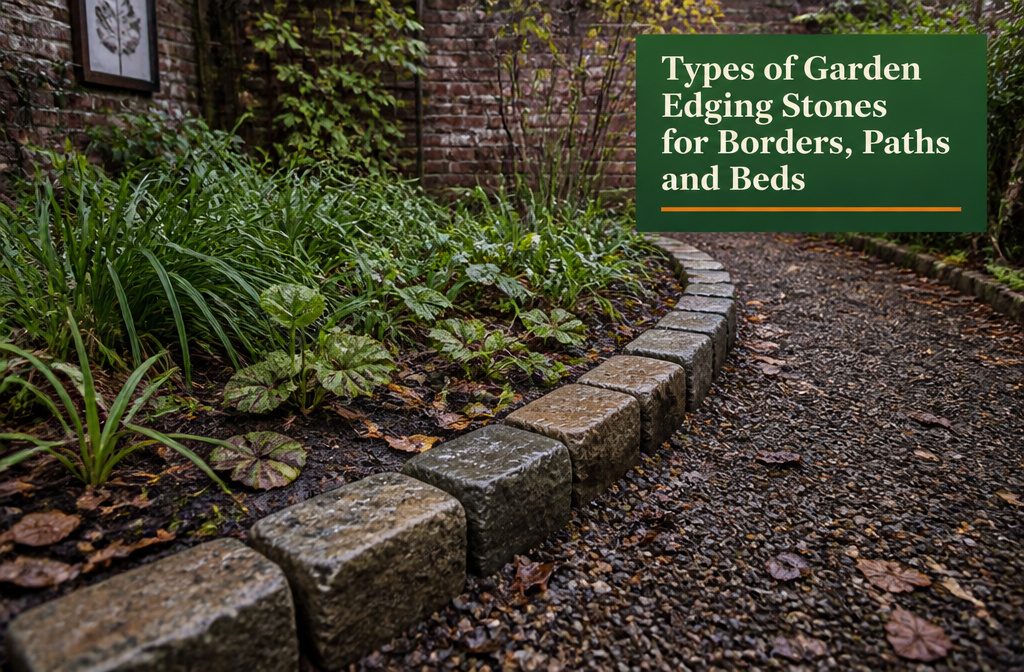
The 6 stones run from Borealis, styled after railroad ties, to polished, granite-like Raffinato, and your house’s style decides between them.
Size and finish can backfire: Röcka looks heavy on a small patio bed, and Raffinato looks stiff beside the loose, spilling plants of a cottage garden.
1. Borealis for a Wood Look
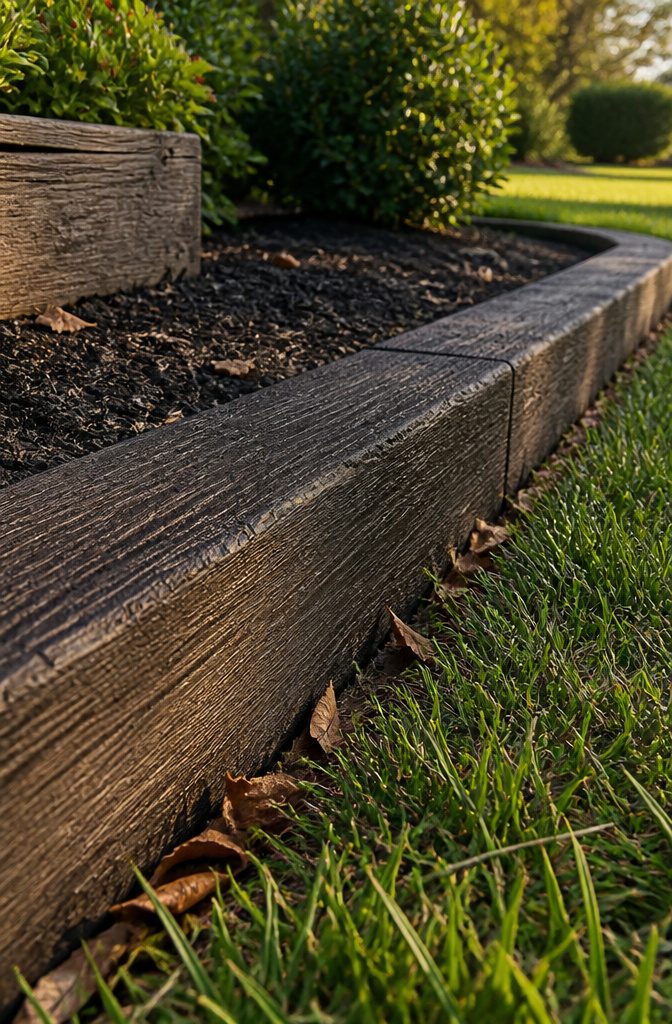
Borealis is designed to look identical to a piece of wood while giving you the strength, durability and staying power of stone.
That makes it a good fit if you like the look of a timber border but don’t want to replace wood when it rots.
The design takes its cue from railroad ties, which appear in both traditional and modern landscapes. Borealis comes in three calm colorways: gentle Hazelnut Brandy, soft beige and rich Smoked Pine.
Smoked Pine is the one to pick if you want the border to read as a deliberate line, since the richer tone stands out against mulch and lawn.
Beige and Hazelnut Brandy blend in more quietly, which suits a natural, rustic bed.
Recommended Products

🌼 Durable Polypropylene Dog Ear Garden Edging Panels Made from high-quality polypropylene (PP) plastic, these dog ear fence-style garden edging panels are built to withstand outdoor use. The flexible plastic design helps prevent cracking, peeling, and chipping, while corrosion resistance protects against fading and rotting. This ensures long-lasting durability and an extended product lifespan for your landscape edging and lawn border projects.
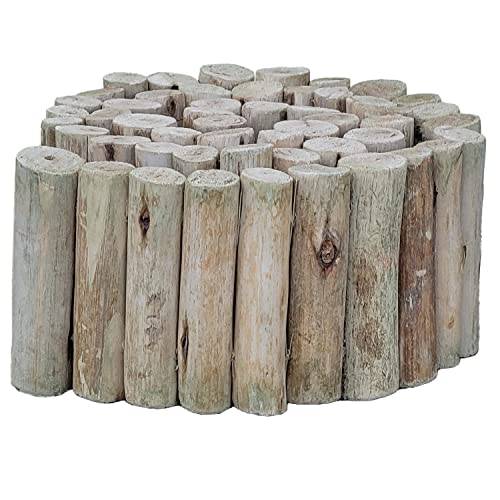
DECORATIVE GARDEN BORDERS: Create a beautiful floral display in your garden and enhance your landscape curb appeal with Eucalyptus wood flower bed borders
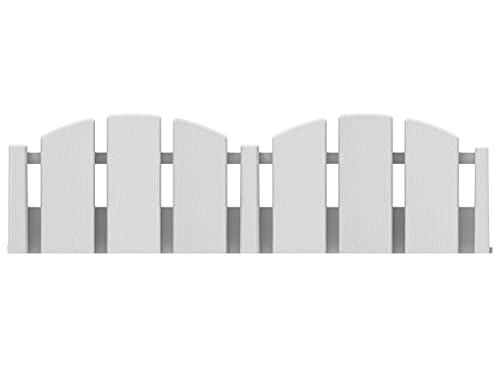
EASYFLEX DECORATIVE NO-DIG LANDSCAPE EDGING: Get a beautifully landscaped yard without all the work of a dig-in lawn edging; simple installation without trenches or shovels
2. Raffinato Polished
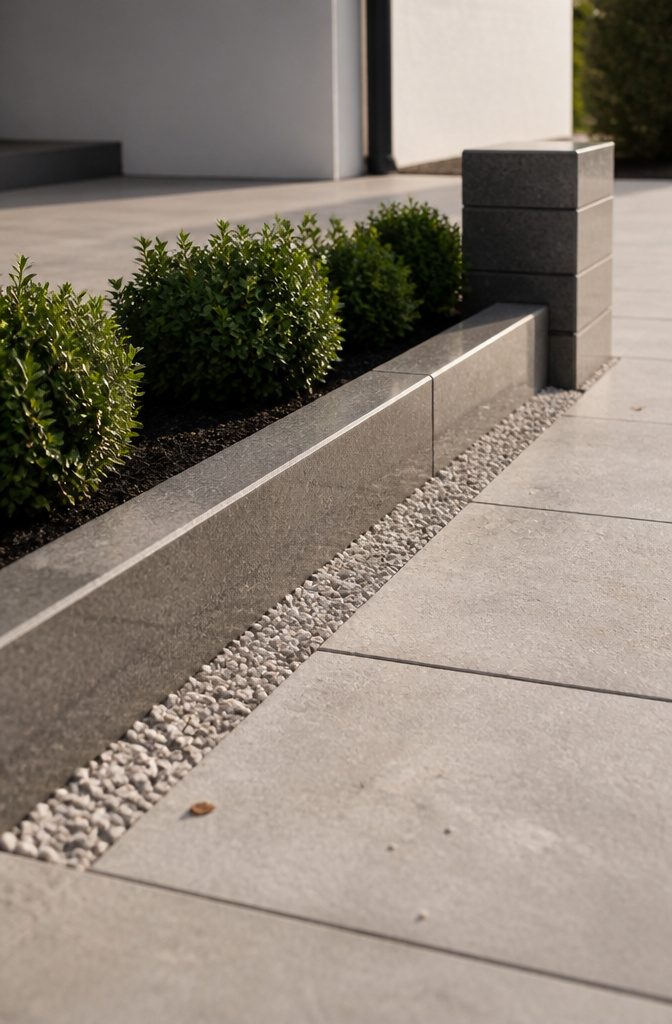
Raffinato suits a modern house with straight lines. It is made from high-quality concrete with fine aggregates, and the smooth, polished face reads like granite rather than cast block.
That finish works as a minimalist frame around a patio or along a sidewalk, where a rough, rustic stone would look out of place.
It comes in Beige Cream, Greyed Nickel and Onyx Black.
Greyed Nickel is the easiest neutral to pair with most paving and siding. Onyx Black gives the sharpest contrast against light gravel.
The same stone doubles as a wall corner or pillar block, so a border can end in a finished corner in the same material. Skip it for a cottage garden, where the polish looks stiff beside loose, spilling plants.
Recommended Products

EASYFLEX DECORATIVE NO-DIG LANDSCAPE EDGING: Get a beautifully landscaped yard without all the work of a dig-in lawn edging; simple installation without trenches or shovels; color may vary due to the unique manufacturing process.

EASY INSTALLATION: Sections of edging simply slide together and can be tapped with a mallet, which eliminates digging

【12 Grits for Progressive Polishing】 Get a complete set of 4-inch diamond polishing pads with 12 grits ranging from 50 to 8000 for every stage of stone finishing. Start with coarse grits to remove scratches and surface imperfections, then gradually switch to finer grits for a smooth, high-gloss finish. This stone polishing kit includes a rubber backing pad with a 5/8"-11 threaded connection and a matching threaded attachment for added convenience
3. Röcka for Larger Borders
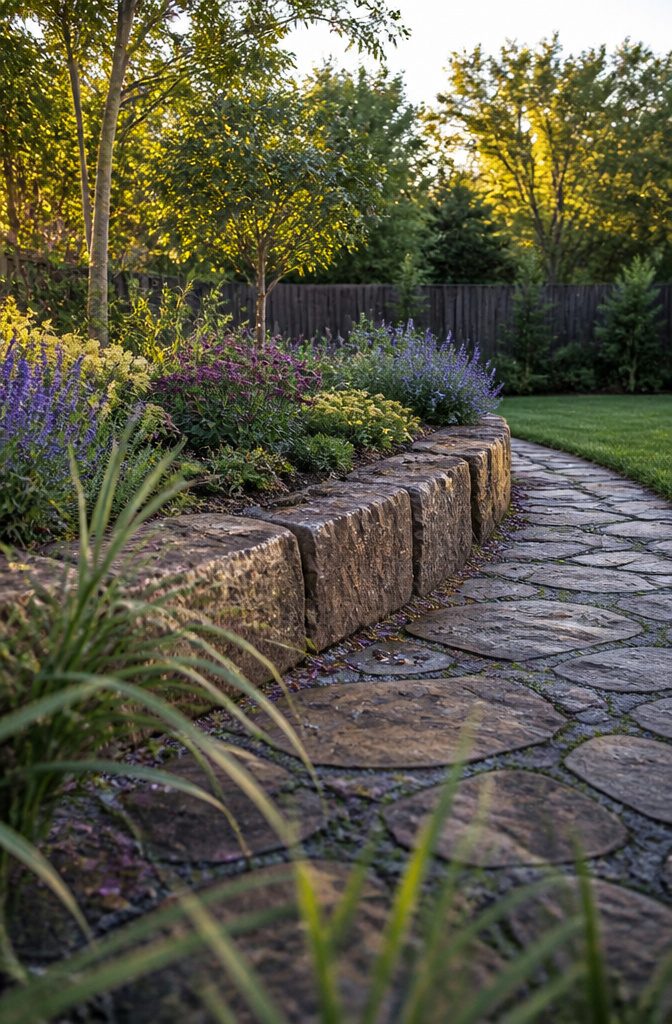
Röcka is the edging stone to choose when you want the border to read as a feature.
Its carved faces and organic texture copy the look of rugged natural stone, and its larger size gives it the presence to define a garden border, line a walkway, or build up a raised flower bed.
It comes in three colors: Chocolate Brown, Riviera and Rock Garden Brown. All three suit traditional or rustic yards, where they add a stately look without overwhelming the plantings.
On a small patio bed or a sleek modern front yard, a stone this big will likely feel heavy, and a slimmer style from this list is the better call.
Recommended Products

Stone-Look Decorative Landscape Edging: 2.75 inch tall rustic stone design complements any flower gardens and provide clean look for your gardens, flower beds, lawns, grass, raised garden beds, shrubbery, pathways, yard trees, ground pool, etc.

EASYFLEX DECORATIVE NO-DIG LANDSCAPE EDGING: Get a beautifully landscaped yard without all the work of a dig-in lawn edging; simple installation without trenches or shovels

Durable & Flexible Material GTSABWAY garden edging is Made from high-quality metal, ensuring superior durability and flexibility. Easily shape it into straight lines,curves, circles, or unique contours ,without cracking,Can withstand all kinds of weather conditions, ensuring long-term durability and reliability. providing reliable Garden Border solutions.
4. Avignon
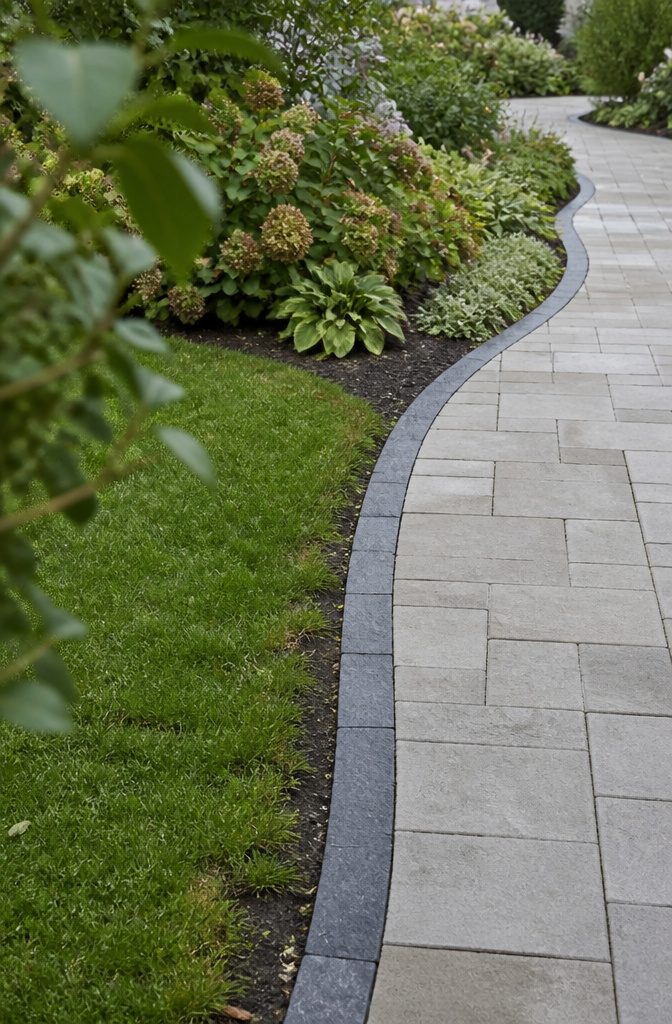
Avignon is the slimmest-looking stone of the 6, and that is its selling point.
The slate-textured surface reads as classic rather than chunky, so it draws a clean line around flower beds, lawns, and walkways without becoming the focus of the yard. It suits both traditional and contemporary houses.
The marbling comes in Champlain Grey, Chestnut Brown, and Shale Grey. The patterning is soft enough that it won’t overpower the plantings or paving beside it.
Choose Avignon when you want a quiet, polished edge. Skip it if you want a bold, heavy border that reads from the street.
Recommended Products
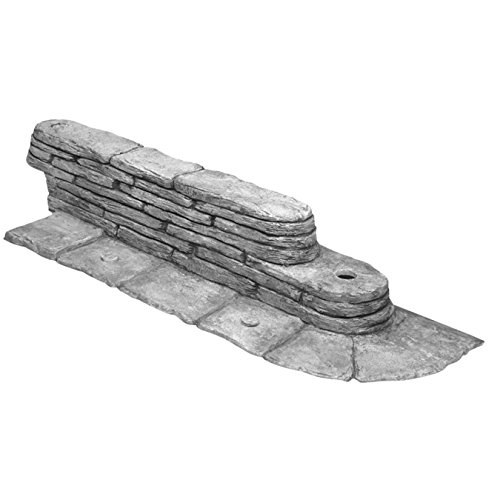
20-FOOT LAWN EDGING – This package includes 20 feet of landscape edging for lawn use that sports flanged edging for trim-free mowing. Each piece of this plastic product also has stakes to anchor the edging. The Bedrocks anchor edging requires no additional digging.

SHIPMENT CONTAINS: One 5 inch x 40 foot brown flexible landscape edging coil with 10 matching stakes for securing garden borders
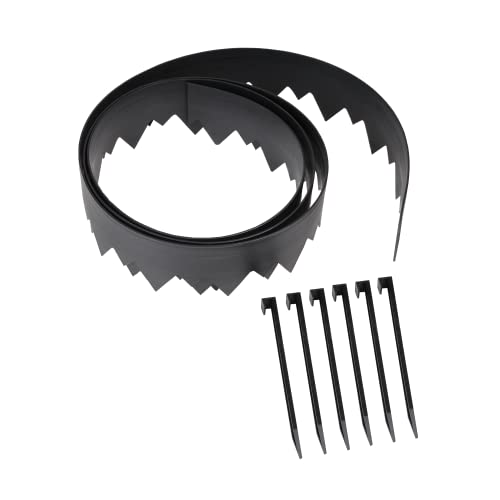
Pound‑In Lawn Edging – Create clean, defined garden borders without hiring a professional; installs with minimal ground preparation.
5. Pietra
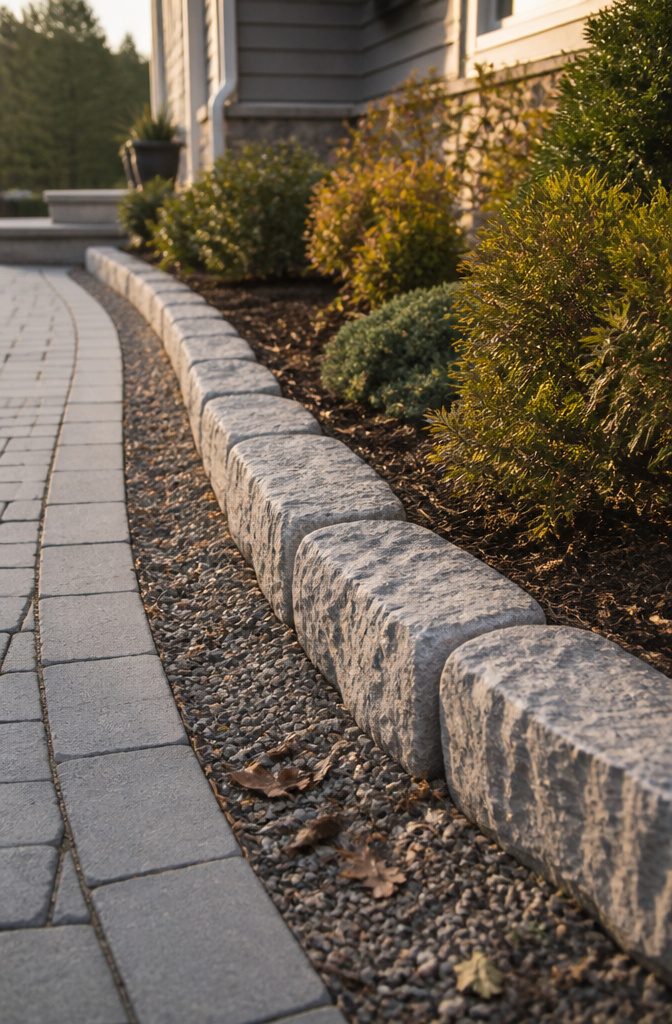
Pietra takes its look from granite: a rugged, rough-faced surface cast in concrete, so you get the appearance of natural stone with concrete’s durability.
That texture reads as rustic, which suits sidewalk edging, driveway borders and garden accents better than a tight, formal bed line.
It comes in four colors: Chestnut Brown, Sandlewood, Shale Grey and Champlain Grey.
The palette is versatile enough that you can match the color to your pavers, house trim or gravel and carry one tone from the walkway to the bed.
Chestnut Brown and Sandlewood suit warm-toned yards, while Shale Grey and Champlain Grey sit best beside gray hardscape.
Recommended Products

8-Pack Faux Stone Garden Edging: Includes 8 gray landscape edging panels designed to create a clean stone-look border for flower beds, lawns, mulch areas, walkways, patios, and paths

Realistic Stone Texture: Our stone landscape edgings feature a lifelike stone texture design. The raised surface patterns add depth and dimension to your outdoor spaces. Each piece measures 1180x95x57mm/46.46x3.74x2.24in, making them perfect for enhancing pool edges, garden beds, and pathways. These lawn edging provide a clean, refined look for both large and small spaces.
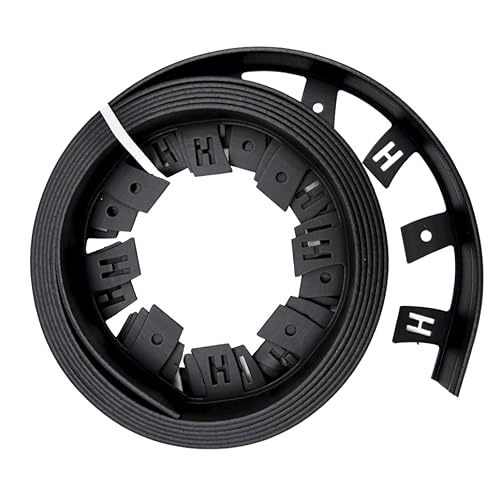
Uses - Designed for areas to be prepared with pavers, bricks, or stones along walkways, driveways, or patios.
6. Brandon With a Rippled Top
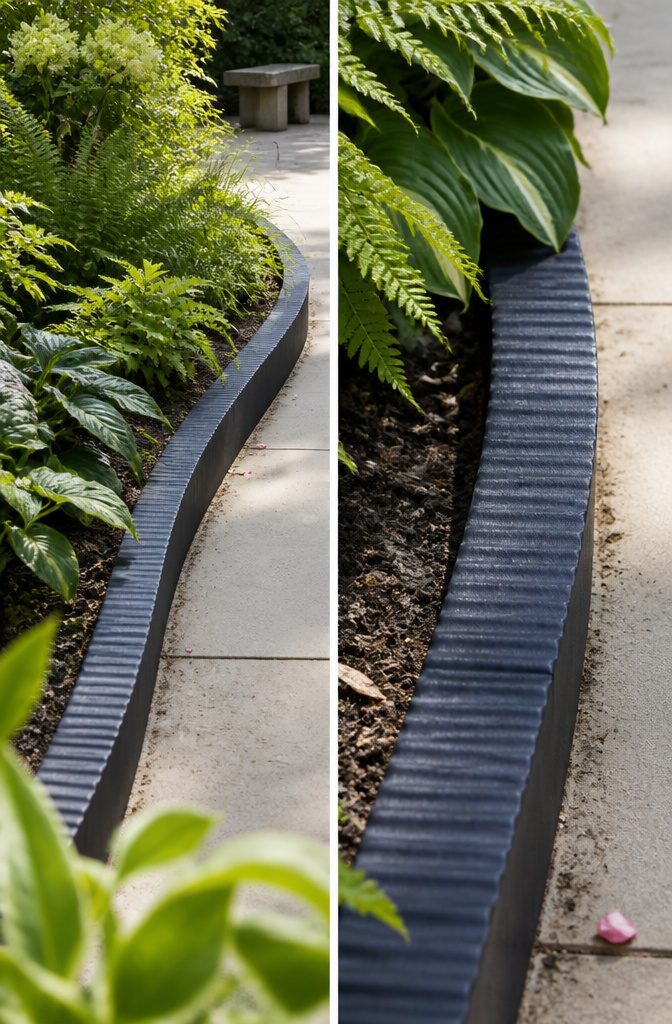
Brandon sits between minimalist and eclectic design. Its sides are perfectly smooth, while the top has a zen texture of subtle rippling peaks running from corner to corner.
That contrast suits modern gardens, patios, pathways, and flower beds, and it shows best where you look down on the top, such as along a walkway.
It comes in six colors: Champlain Grey, Chestnut Brown, Chocolate Brown, Onyx Black, Caffè Crema, and Shale Grey.
Onyx Black is the boldest choice against green foliage, while Caffè Crema and the greys read softer. Pick one color for the whole border so the ripple is what people notice, not a change in shade.
Recommended Products

Decorative Brick Red Finish for Rustic Charm: This short wood fence features a warm brick red finish that adds natural beauty and a decorative touch to any outdoor space. Ideal as a wood garden fence for flower beds, pathways, and yard accents.

【Product Dimensions】Size: 5.9" in height and 47" in length (comes in 2 packs). Each pack includes 4 U - shaped nails. This small garden fence is great for dividing areas or clearly marking borders.

Refined Carbonized Pine Wood: Crafted from premium pine, our wood landscape edging is carbonized for durability, sanded smooth, and coated for superior weather resistance. Unlike untreated wood, it won’t leave messy carbon residue on your hands.
What Edging Stones Do
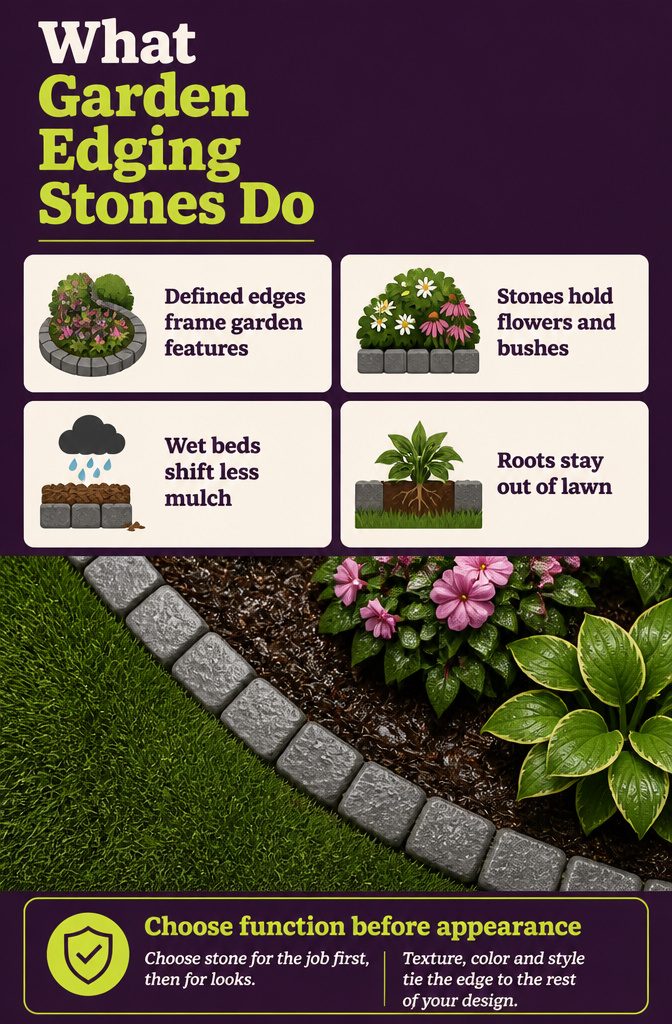
Edging stones handle five jobs:
- Frame flower beds, patios, walkways and other features with a polished, defined outline.
- Keep bushes and flowers in place.
- Stop dirt and mulch from shifting when the bed gets wet.
- Contain plant roots so they stay out of the lawn.
- Separate lawn from bed so you can mow without hitting flowers.
As Techo-Bloc puts it:
Edging stones are more than just a pretty face: when used to define a garden bed, they can also secure your bushes and flowers, preventing dirt and mulch from shifting when it gets wet.
Choose stone for the job first, then for looks. Texture, color and style tie the edge to the rest of your design.
Recommended Products

✅ 100% QUALITY🌲 This is set of 2 pcs Plastic ABS 2mm of Decorative betonex Straight edge stone mold for concrete reusable - Easy to use to create wonderful arden edge stone. Log Stone edging molds can produce more than 50 tiles for arranging garden Border.

sturdy & Weather-Resistant: Made from sturdy PP plastic, this landscape edging stone is built to withstand outdoor elements, providing a long-lasting solution for defining your garden areas.

EASY INSTALLATION: Sections of edging simply slide together and can be tapped with a mallet, which eliminates digging