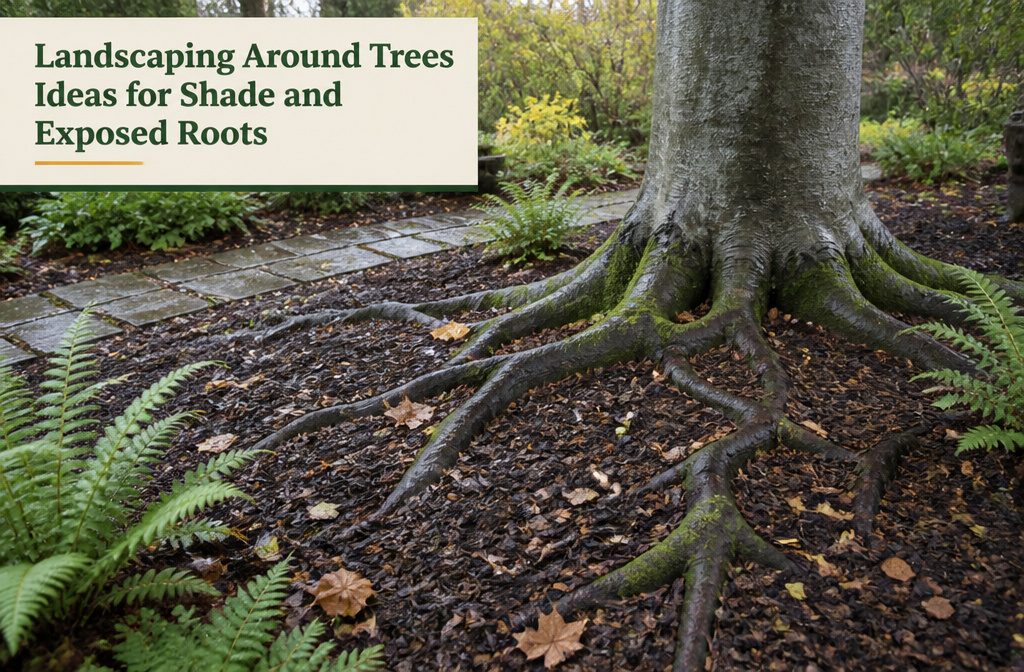
Cover bare soil and exposed roots with 2–3 inches of mulch, not more dirt.
Soil piled over roots suffocates them, and mulch heaped against the bark, the "volcano" shape, invites decay and rodents. Keep the mulch at least 6 inches from the trunk and spread it out to the drip line.
1. Mulch, 2–3 Inches Deep
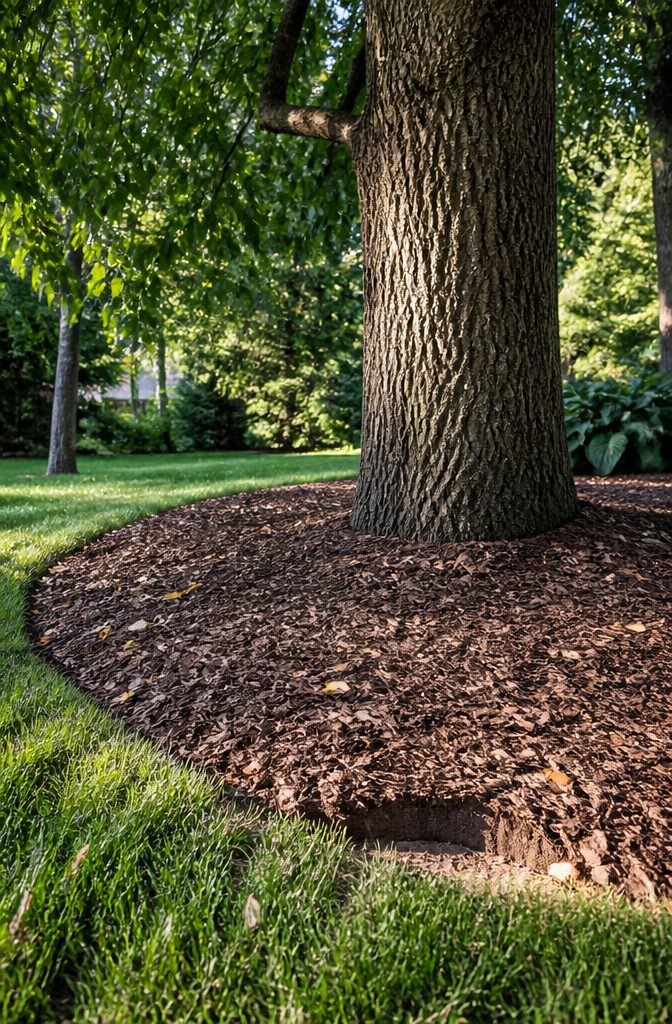
Mulch is the first fix for bare soil and exposed roots.
It hides the roots, cuts weeds, holds soil moisture, and shields roots from heat and cold. Bark chips or lava rock are good choices because they don’t compact, so water and oxygen still reach the soil.
Spread a layer 2–3 inches deep and keep it at least 6 inches from the trunk.
Anything thicker than 3 inches can damage the tree. Mulch piled against the bark, the "volcano" shape, invites decay, disease, pests, and rodents.
Extend the layer out to the drip line, the ring beneath the canopy edge where water drips off the leaves. Reaching that ring is the minimum, so wider is fine.
Recommended Products

100% Organic & Peat-Free: Our organix mulch mix is 100% organic & peat-free. Peat is one of Mother Nature’s most important stores of carbon. Instead of imported peat, the base of our soils is made from upcycled plant matter or wood fines from the United States!

Includes 10lb block of Back to the Roots compressed Coconut Husk Mulch that expands to over 2 cubic feet of mulch. Use it for gardens, raised beds, pet bedding and more

Natural Organic Tree Ring: These tree mulch rings are made of natural coconut fiber, which is very thick, the fiber is evenly distributed, and sturdy, it can keep the soil moisture in the pot well, they can also prevent weeds from growing arbitrarily
2. Shade-Tolerant Plants
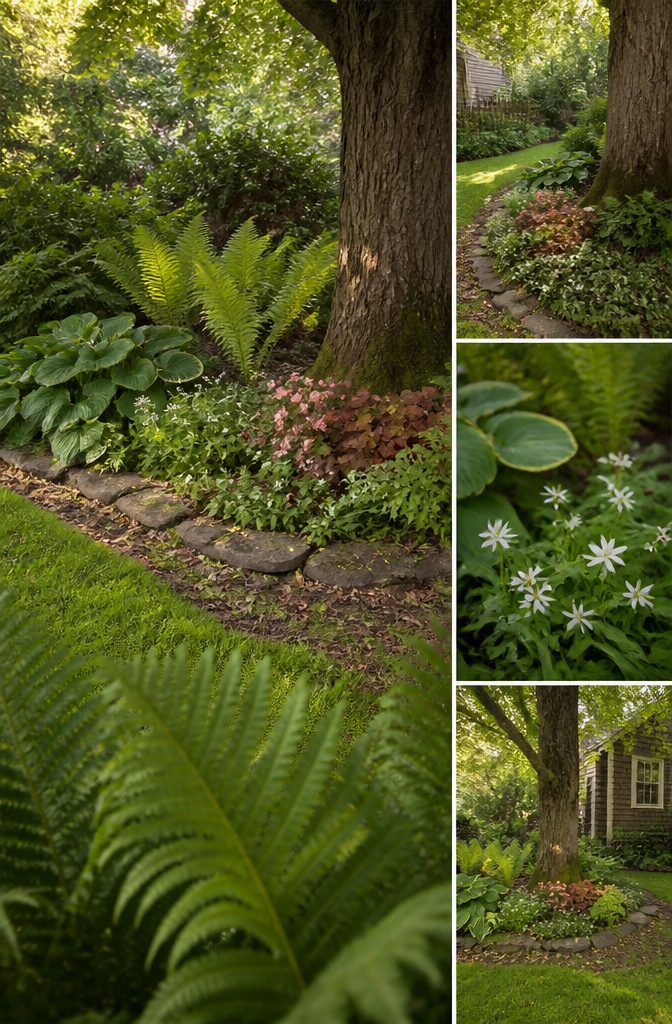
Shallow-rooted annuals, small perennials and low groundcovers work best under a canopy.
They need little soil depth and cope with root competition. Where the canopy blocks nearly all light, ferns and hostas are the picks to choose.
Part-sun spots under dappled shade allow more choice: impatiens, coral bells and coleus all fit. For the bare ground between them, sweet woodruff, creeping liriope, yellow archangel and bunchberry spread low without needing deep soil.
Espaliered trees, trained flat against a wall, cast less shade than a free-standing tree.
That makes the border beneath them a spot for lavender, zinnias, pansies and marigolds. Leave the base of any tree some open space so you don’t cut into its roots.
Recommended Products
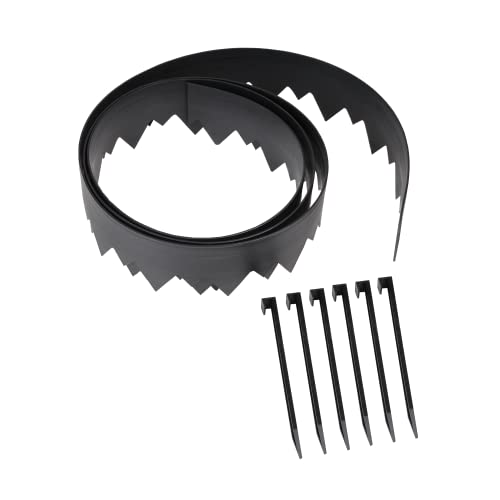
Pound‑In Lawn Edging – Create clean, defined garden borders without hiring a professional; installs with minimal ground preparation.

𝐀𝐛𝐨𝐮𝐭 𝐭𝐡𝐞 𝐄𝐝𝐠𝐢𝐧𝐠: Enhance your garden with our 6-pack landscape edging set, providing 20 ft of total coverage when connected. Each panel measures 40" L x 8" H, creating clean, defined borders while helping keep grass and weeds out for a neat, well-maintained look.

【Create Clean Landscape Borders with No Dig Installation】Create neat, professional-looking edges around flower beds, lawns, pathways, and garden features without trenching or heavy digging. Simply position the edging and secure it with the included spiral spikes for a fast DIY landscape upgrade.
3. A Tree Ring Garden
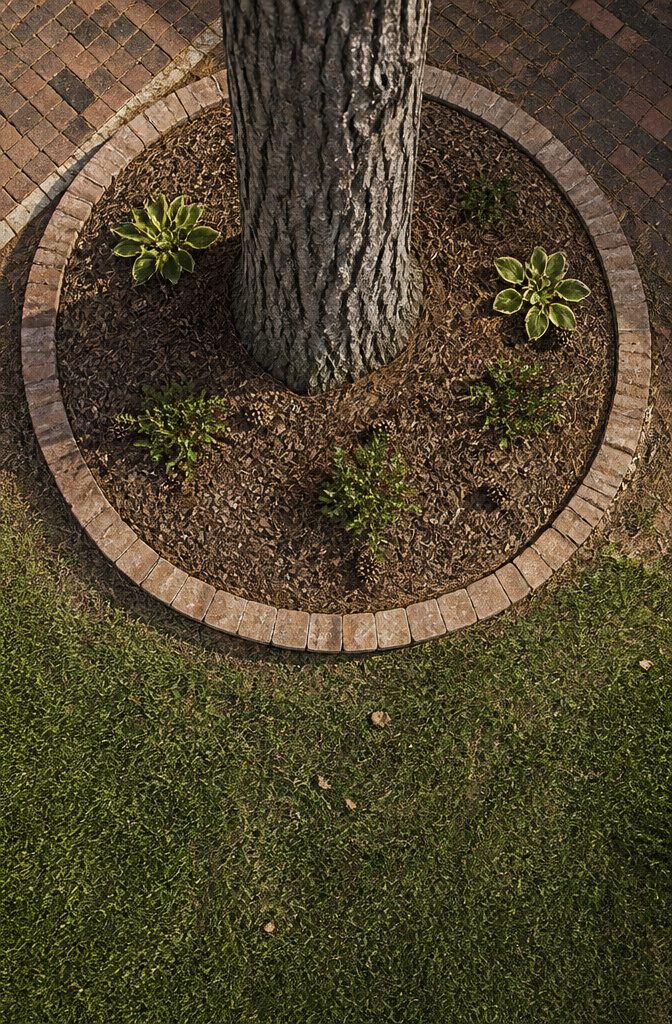
A tree ring is a circular border that marks off the ground around the trunk. It keeps foot traffic and mowers off the roots, gives the tree a finished look, and shrinks the area you have to maintain.
Pavers, bricks, cinderblocks, or pebbles all work as the edge, so pick whichever matches your patio or house.
Set the border at least 8–10 inches out from the trunk, so the ring never crowds the base. Fill it with mulch, rocks, pine cones, or low plants, as long as nothing in it harms the tree or its roots.
Skip the mound: soil should never be stacked against the bark, even if it makes the ring look fuller.
Recommended Products
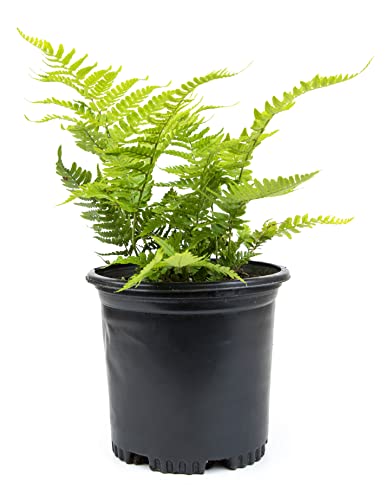
Autumn fern is one of many popular landscaping plants that gardeners grow as lawn edging along a garden pathway, ground cover, a landscape border, or in a hanger planter and in plant pots. This real fern ships in a 1-gallon nursery pot.

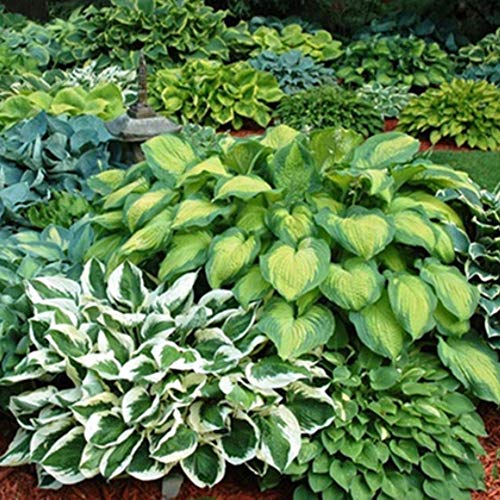
Bare Roots, Often Called Hosta Bulbs: Hostas grow from bare root crowns rather than true bulbs - many gardeners simply call them hosta bulbs. Pack includes 6 bare roots of mixed heart-shaped hostas.
4. Rocks Over Exposed Roots
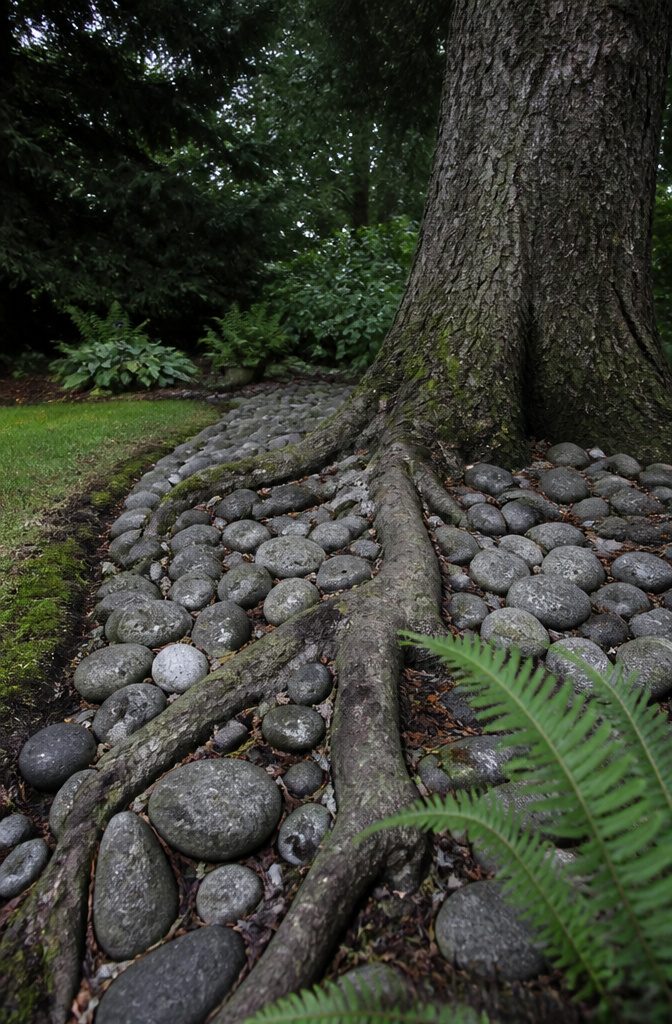
Where roots break the surface, rocks or bricks tidy the base of the tree without asking anything to grow in ground that won’t allow it.
Set them between and around the exposed roots as a low, planting-free cover. This suits dense shade, where little grows anyway, and it saves you the watering and upkeep a planted bed would need.
Skip the soil. Piling dirt over roots to make a planting pocket can suffocate them, because roots need oxygen just as you do.
Rocks or mulch suit the job better than a thick soil layer. Leave out landscaping fabric or plastic sheeting under the rock as well.
It holds back weeds, but it also blocks air and water from reaching the roots. Keep some open space right around the trunk.
Recommended Products

Professional Grade Weed Barrier: LAVEVE weed barrier fabric is made of woven polypropylene material. Its high-density and permeable characteristics effectively stop weed growth and protect soil health so your plants can grow well.

Ultimate Weed Control & Soil Protection: Our premium weed barrier fabric acts as a powerful weed blocker, blocking sunlight to stop weeds dead in their tracks. It also protects valuable soil from erosion, keeping your landscaping beds neat and pristine.

Heavy Duty Weed Barrier Fabric: Crafted from 5.8 OZ high-density, tear and corrosion resistant woven fabric. VEVOR 4 x 100FT woven weed barrier landscape fabric is the preferred choice for agriculture and industry. It ensures superior weed prevention and promotes soil health, keeping your landscaping remain weed-free for an extended period.
5. Edging or a Low Hedge
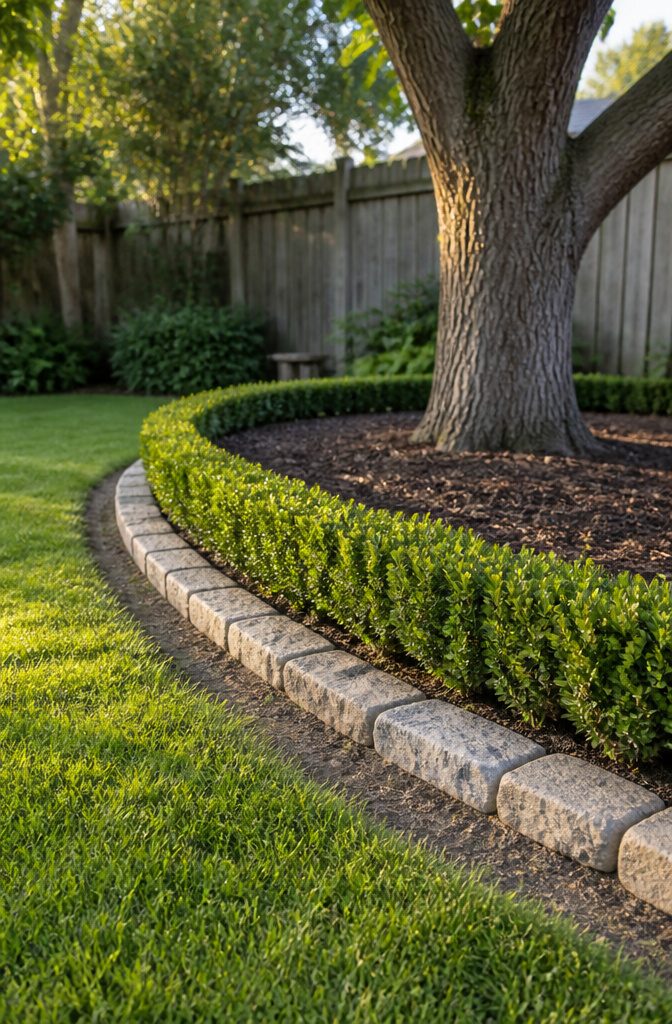
Edging does two jobs around a tree: it marks where the bed ends, and it steers foot traffic away from the base so the soil over the roots doesn’t compact.
Stones, bricks, metal edging and small fences all work, and each gives a clear boundary where no walkway exists.
Choose stone or brick that rests on the surface, because edging that has to be trenched in can cut into the roots you’re trying to protect. Keep any border well back from the trunk, too.
A low hedge of box or privet frames the bed with more polish.
It holds loose mulch such as bark chippings or slate in place and hides the seam where lawn meets bed. Plant it at the bed’s outer edge, not near the trunk.
Recommended Products

【IDEAL DRAINAGE】 These lava rocks are all natural and organic. Ideal for pots with no drainage holes you can place the lava rocks at the bottom of the planter so the water can pool without drowning the roots. Lava rocks are porous and will absorb and slowly release excess water back to the plant. Perfect for preventing root rot.

🌱HELP GROW BETTER: Natural black lava rocks contain trace minerals that plants need to grow and help them grow strong. Just place the lava rocks at the bottom of the pots, so the water can pool without drowning the roots, helping the plants grow better.

Enhance the drainage and aeration of your succulents, cacti, and bonsai plants with our premium red horticultural lava rocks
6. A Path Around the Roots
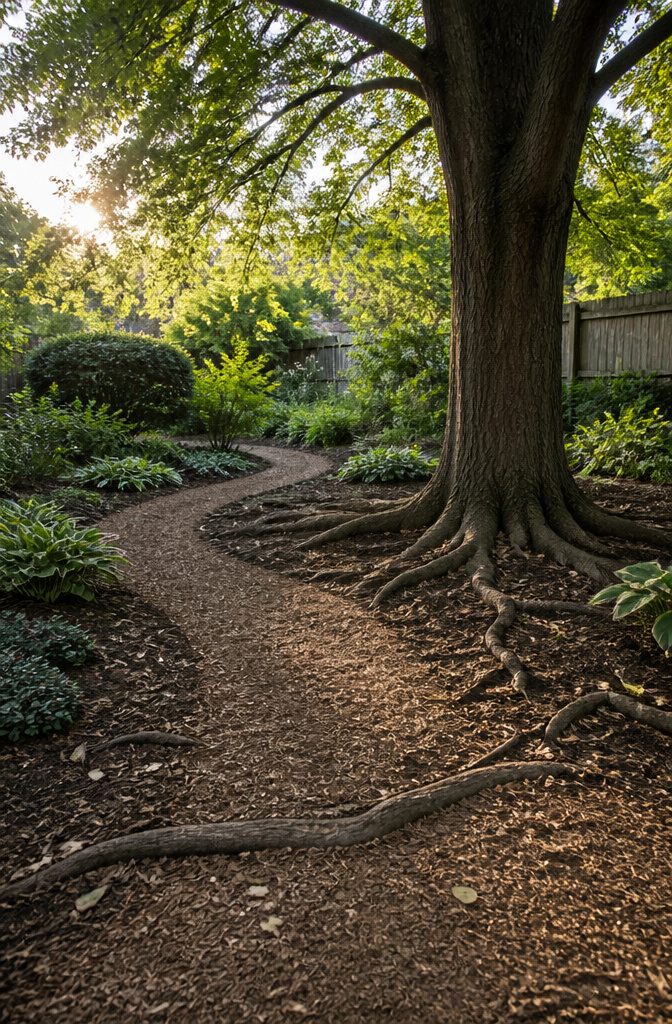
Exposed roots trip people, and a walkway that bends around them gives feet a clear place to go.
It also connects the tree area to the rest of the yard and orients visitors toward where they should walk. Lay out the route by following the gaps between roots, and curve the path rather than crossing any root.
Resist the urge to build the path up with fill.
Piling dirt over roots to level a walkway suffocates the tree, because roots need oxygen just as you do. Mulch is the safer surface: it blends with the surrounding beds and lets the roots keep breathing.
Recommended Products

Mulch Ring Tree Mat: You will get 6 pcs tree mulch ring, which are enough for your daily needs, you can use the tree ring to keep weeds from growing; cover them on the roots of plants to look beautiful and tidy

🌳Perfect Non-woven Tree Guard: The mulch ring mat is made of high-density non-woven fabric which is biodegradable, durable and breathable, keeps the soil moist, fertilizer easily penetrates into the plant roots, and also avoids the loss of water and nutrients (Note: According to Tree diameter size optional, can be cut)

6 Pack, Easy To Fit: Includes six 20-inch rubber tree rings with 3-inch center openings, pre-cut seams and no landscape staples required; trim the opening as needed and measure the trunk and desired coverage area before ordering.
7. Seasonal Bulbs
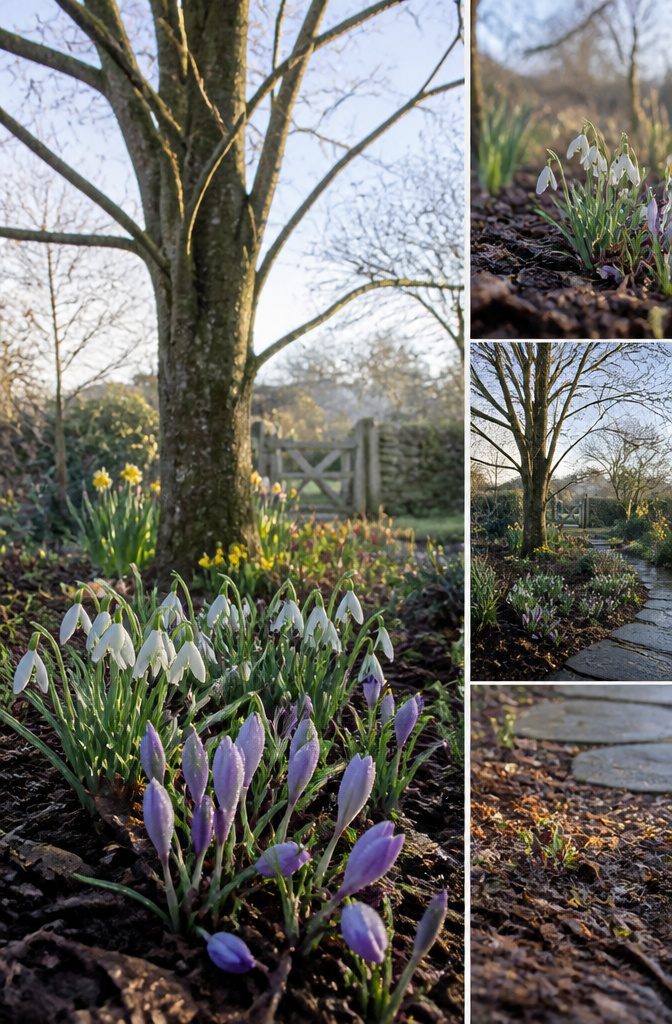
Bulbs sprout and bloom before the tree has its full leaves, so they get light while the branches are still bare. Plant in this order for a long run of flowers:
- Earliest: snowdrops, winter aconites and crocuses.
- Next: snowflakes, fritillaries and narcissi.
- Later: tulips, alliums and camassias.
- Muscari (grape hyacinths): these grow well under trees and shrubs.
- Pairings: primroses, daffodils, pansies and early tulips make a good combination.
Underplanting risks injuring roots, so spread organic mulch over the tree’s base first. That gives you room to plant the bulbs without cutting into the roots.
Bulbs multiply and return each year. Once they finish blooming they go back underground, so you can keep mulching, feeding and watering the tree as usual.
Recommended Products

What You Get: Landscaping edging kit included a 25ft edging coil 3 inch tall, 35Pcs galvanized steel staples. More staples help you design more professional landscape projecct

Long-Lasting Use: Made of high-quality, weather-resistant plastic, this landscape edging is both sturdy and flexible enough to hold pebbles, mulch, and other materials in place

What You Get: Landscape edging kit included a 20ft edging coil 4 inch tall, 30Pcs metal staples. More staples help you design more professional landscape
8. A Deck or Patio Around the Tree
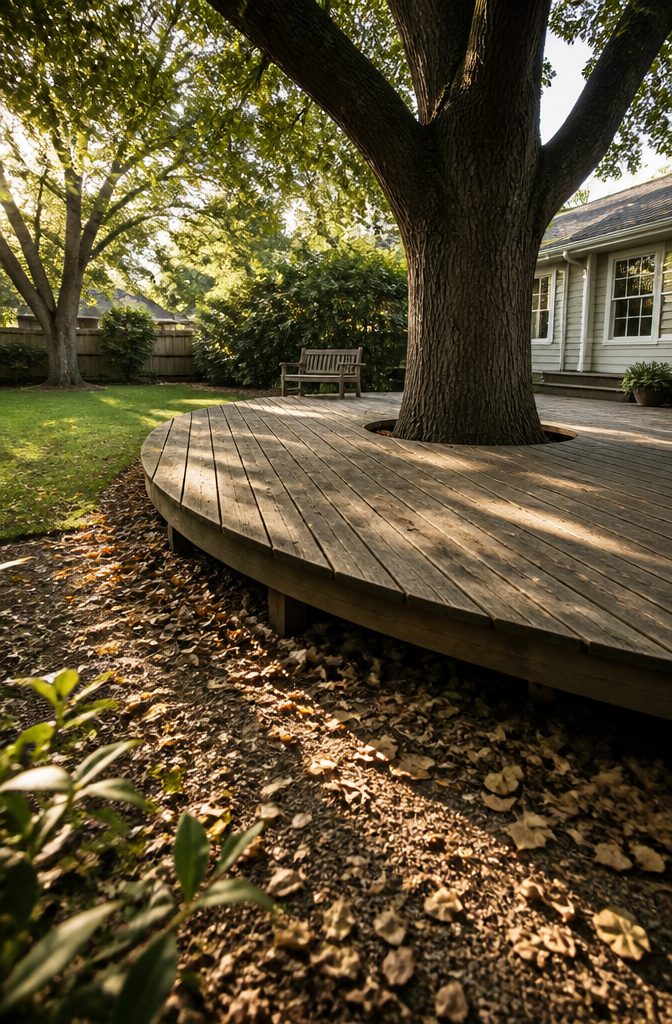
A raised wood deck protects the roots underneath it. It keeps foot traffic off the soil, so years of walking no longer compact the ground, and water and oxygen still reach the roots through the gaps between boards.
Fallen leaves slip through the same cracks and return nutrients to the soil as they break down.
The costs come as the tree grows.
A thickening trunk can crack the boards beside it, so leave generous room around it. Trees also change shape with age, which can crowd your layout.
Expect litter to sweep up, and wood construction can attract termites. Seating within 2 feet of a large tree feels close to nature, and close to whatever it drops.
9. A Bench Around the Tree
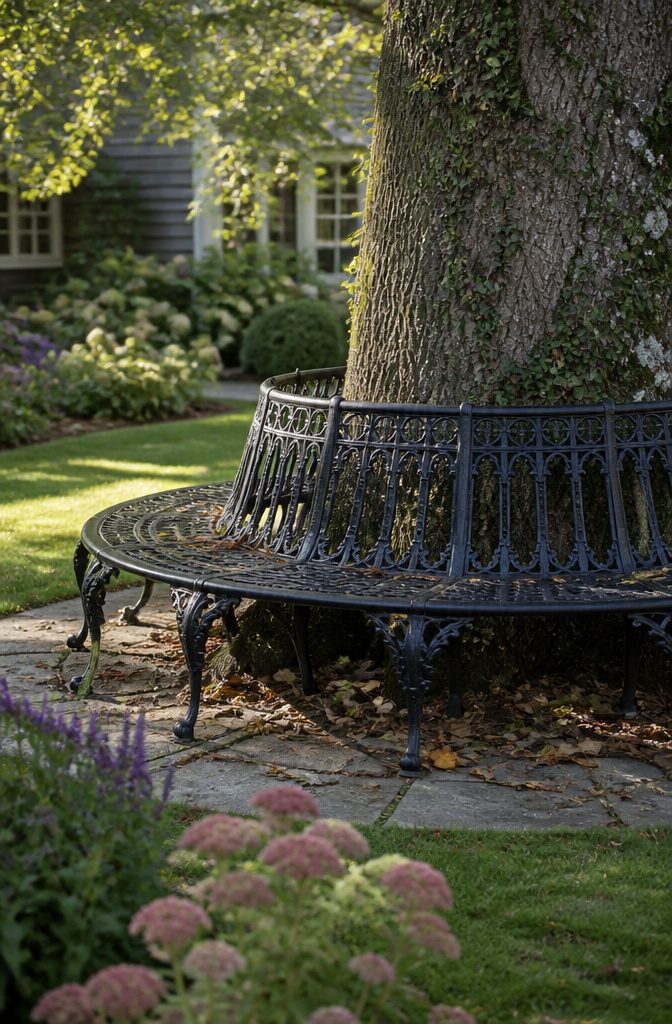
A circular bench around a large trunk gives you a shaded seat and makes the tree the first thing your eye lands on.
Many companies sell tree benches in two main styles. Cast iron suits a traditional yard, with an old-fashioned look and a formal feel.
Hardwood gives a country look and sits comfortably beside a cottage garden or a wood-sided house. Pick the material to match your house, because the bench will be the most visible object under the canopy.
If a stock size doesn’t fit your tree, customized designs are available and are built to last for years. Of the ways to landscape around a tree, this is one of the easier.
Recommended Products

Weed Blocking Landscape Fabric:Groweco Heavy Duty Weed Barrier Fabric is made of 100% Virgin polypropylene.The use of weeding cloth can provide weed protection for you,make your workplace clean and hygienic,make your work more comfortable and improve your work effciency.

【Professional High-Quality Weed Barrier Fabric】 Our weed barrier fabric is meticulously crafted from 3.2oz heavy-duty professional polypropylene, boasting exceptional tensile strength and tear resistance. It can handle extreme weather conditions such as scorching heat and freezing cold with ease, as well as withstand wear and tear in various complex scenarios, maintaining a stable performance over an extended period.
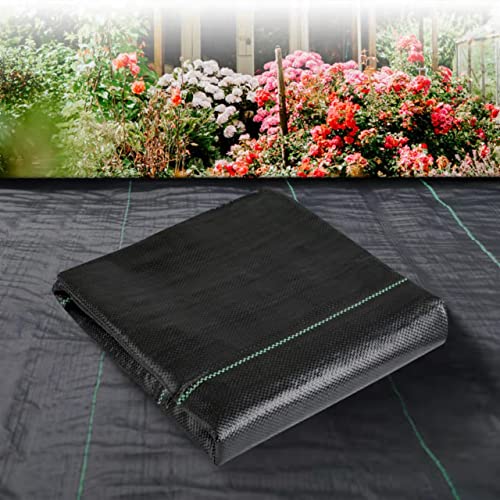
Premium Weed Barrier Fabric:Weed barrier landscape fabric is a type of geotextile fabric that is commonly used in landscaping and construction.With excellent weed control properties, providing a clean and tidy landscape.Very strong and durable,Pro landscape weed barrier will provide you with premium weed protection for a very long time.
10. Garden Ornaments
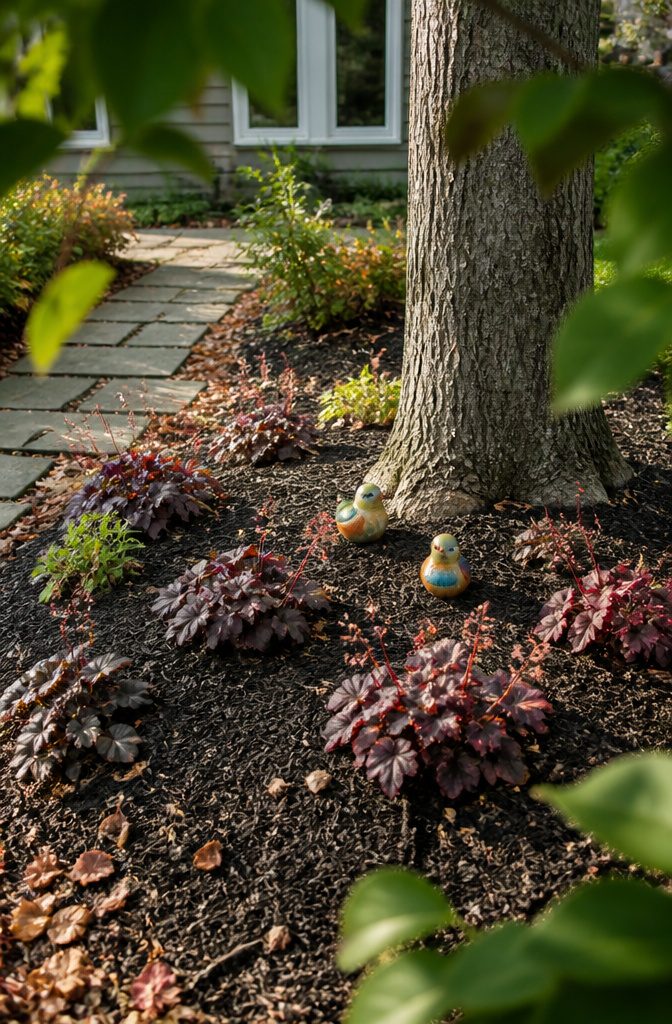
Garden ornaments add color and a little whimsy to the ground under a tree, and they work best as a finishing touch on a bed that already has mulch, small stones, or shade-tolerant groundcovers.
A bright piece stands out against a dark mulch bed. Coral bells beside it add foliage color that stays put when the ornament is the only other thing there.
Pick one or two pieces and leave room around them.
A few well-placed ornaments read as a deliberate focal point, while a crowded base reads as clutter. Set them where you’ll see them from a window, since that’s where most people look at their trees.
Recommended Products

✅ Water Drainage and Soil Aeration: Enhance your plant's health with optimal water flow and root oxygenation.

MULTIPLE USES: Cacti, bonsai, succulent containers, and potted plants

Note: 5-8 mm black lava rock is crushed from larger volcanic rock pieces, so packaging may contain minor residue and dust. Adding it directly to the aquarium will cause water cloudiness, please rinse thoroughly with clean water.
11. A Retaining Wall
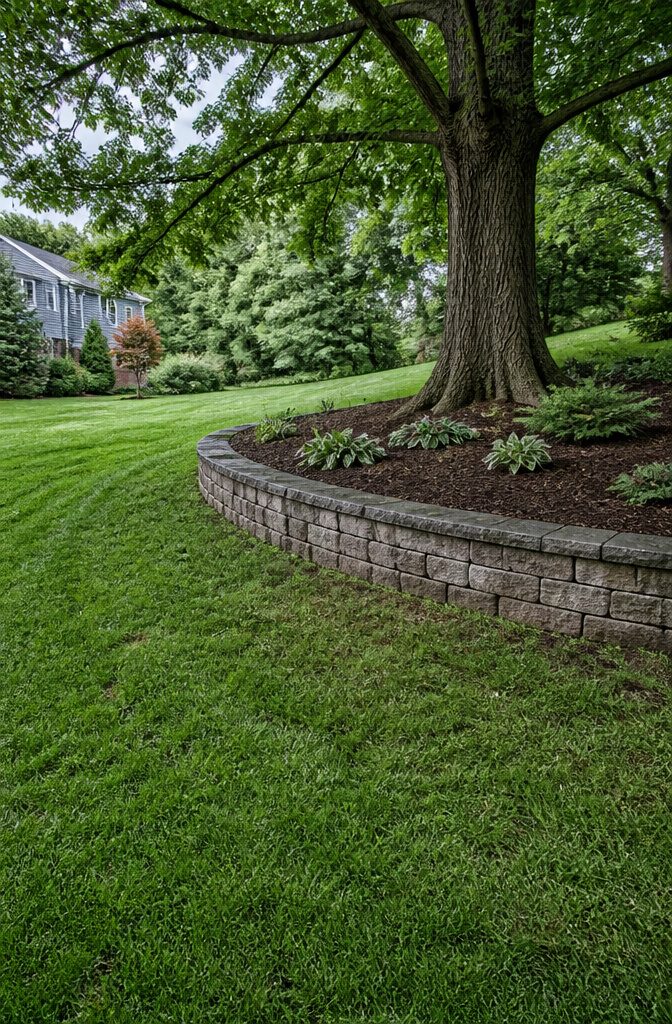
A retaining wall turns the base of a tree into a focal point.
Built from pavers or stone, it replaces bare roots and patchy, uneven grass with a clean, finished edge. It adds curb appeal and gives the yard a more uniform look.
It also does a practical job. If soil washes away from the tree, or the ground beside it slopes and sits unevenly, a retaining wall holds the grade in place and makes the bed look planned instead of patched.
This is one of the pricier ideas on the list. If your tree stands on level ground and nothing is eroding, a cheaper treatment will give you a tidy base without the cost of a wall.
12. Landscape Lighting
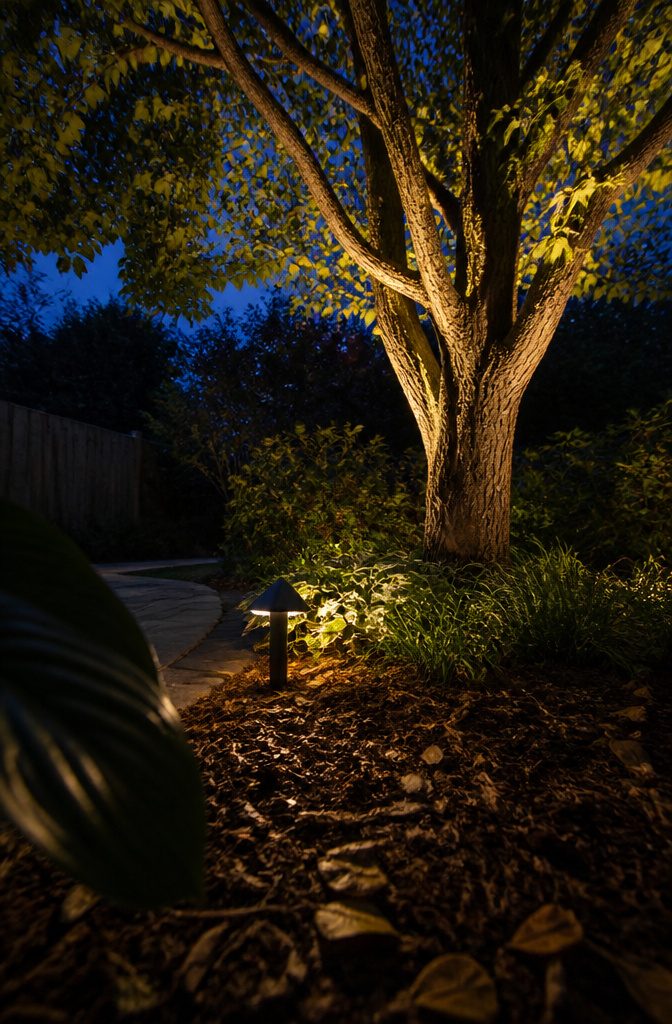
Lighting keeps the work you put into the tree area visible after dark.
A fixture aimed at the planting bed or the base of the trunk shows off the design you built around the tree, and the same light gives you some security when you step outside at night.
It also sets the mood for evening entertaining. Light the area around the tree, and a deck supper with friends gets a backdrop.
If flying insects are a worry, turn off the lights at the door and let only the lit trees glow. Bugs then have less reason to follow guests inside, and the sky above the branches stays visible.
13. A Succulent Bed
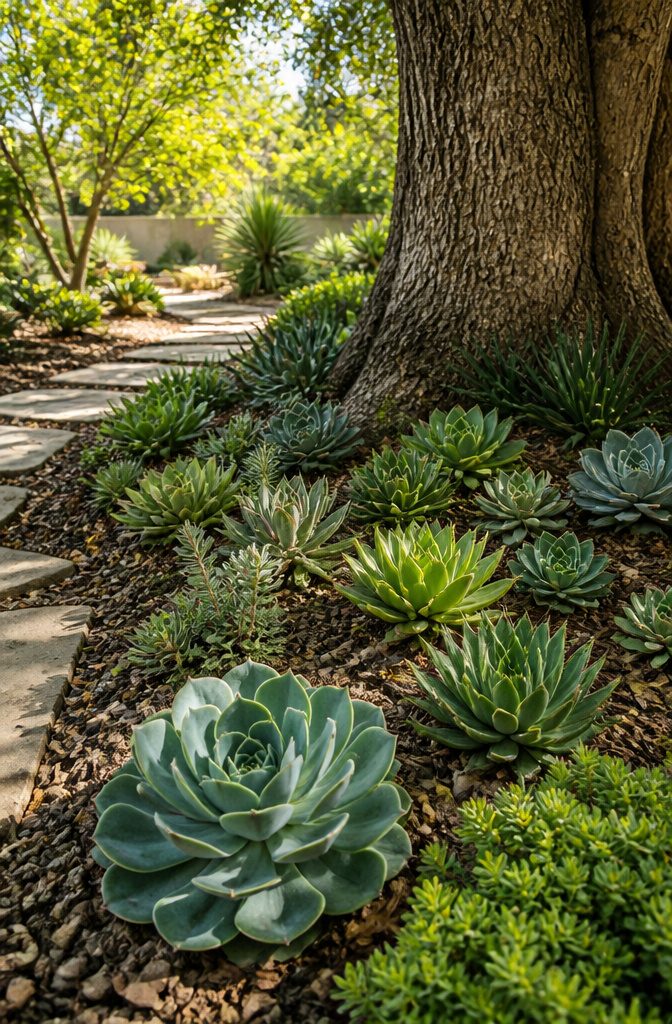
Most succulents like sun, but long hours of direct light combined with extreme heat can scorch them.
A tree solves that by casting shade across the bed and softening the hottest part of the day, so the plants get light without the burn.
Succulents also come in a wide range of sizes and forms, which gives the bed plenty of texture and color under a canopy that might otherwise look plain.
Learn the basic care rules for succulents before you start digging, since their needs differ from the shade perennials growing nearby.
Read the tag on each plant for its sun tolerance, and place the most sun-sensitive ones closest to the trunk, where shade lasts longest.
Deep Roots Versus Shallow Roots
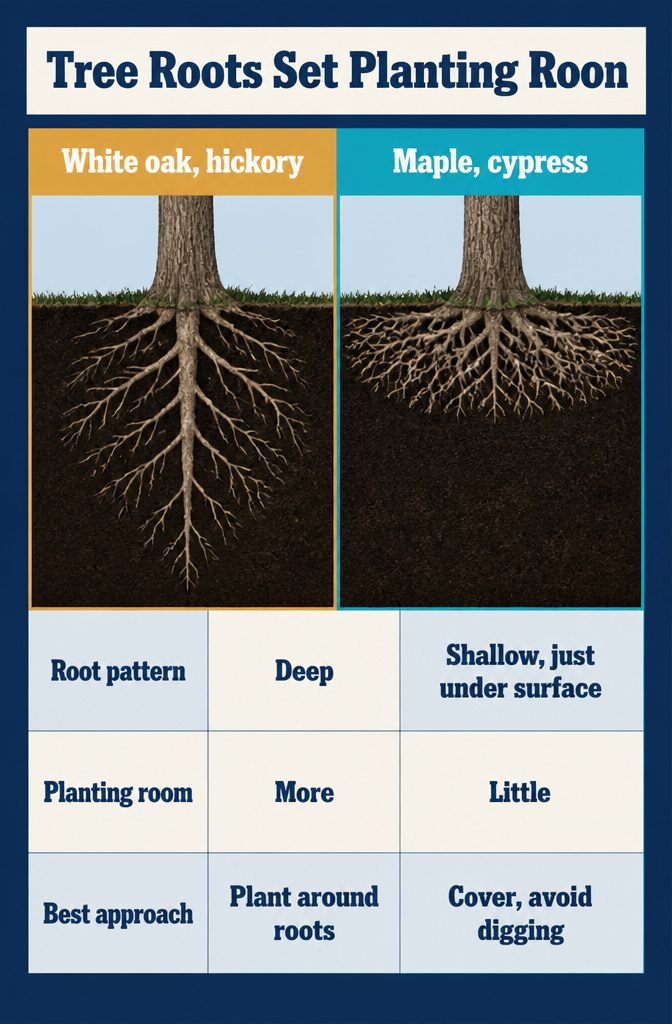
Root pattern decides where planting is safe.
White oak and hickory are deep-rooted, so the soil near the surface is mostly open to new plants. Maple and cypress roots sit just beneath the surface, so shallow-rooted trees leave much less safe planting room.
| Tree | Root pattern | Planting room | Best approach |
|---|---|---|---|
| White oak, hickory | Deep | More | Plant beneath, working around any roots you find |
| Maple, cypress | Shallow, just under the surface | Little | Cover the ground instead of digging |
Before planting under any tree, probe with a hand trowel. If it keeps hitting roots, stop and choose a non-digging option.
Protect the Trunk and Roots
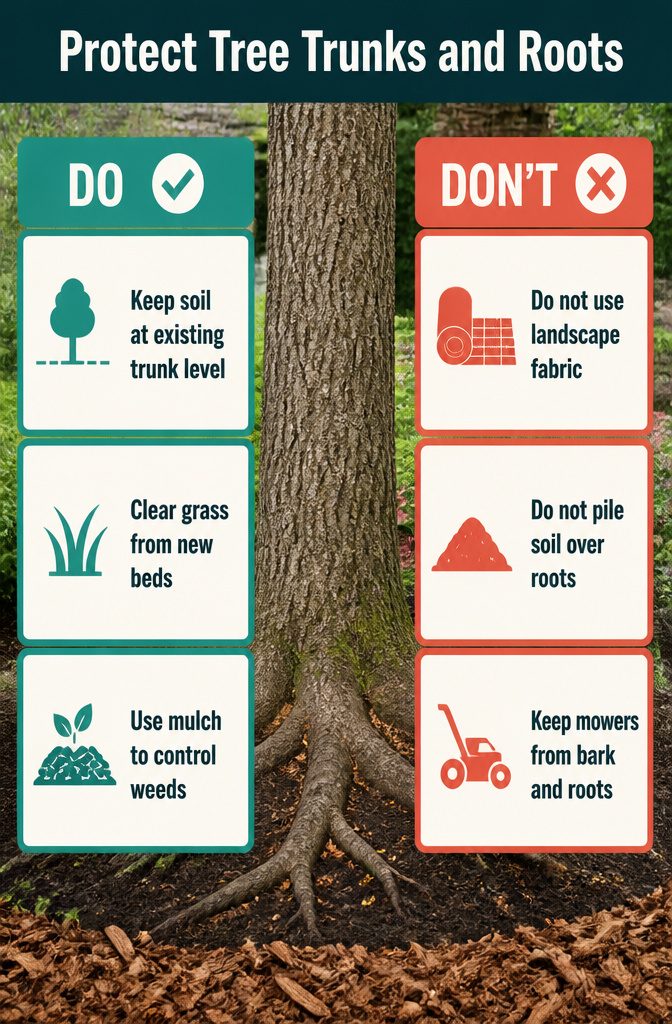
Most damage around a tree comes from what gets added to it, so keep these rules in mind:
- Keep the soil at its existing level near the trunk. Soil piled high holds moisture against the bark and rots it. It also keeps water from reaching the roots.
- Clear all grass from a new bed. Thatch blocks water and oxygen.
- Skip landscape fabric and plastic sheeting.
- Control weeds with mulch. Mowers and string trimmers injure bark and roots.
- Don’t pile soil over exposed roots. Roots need oxygen, and a thick layer of dirt suffocates the tree.
Exposed roots can trip you, get cut by a mower, and lift nearby structures.
Cuts leave open wounds that invite disease. If the tree sits near a patio, wall, or foundation, a landscape architect can help you avoid costly mistakes.
Frequently Asked Questions
What is the best thing to put around trees?
A 2–3 inch layer of mulch, such as bark chips or lava rock, is the best all-purpose choice.
It covers bare soil and exposed roots, holds moisture, and lets water and oxygen through. Shade-tolerant plants, rocks, or a tree ring border also work if you want something more decorative.
How much mulch should I put around a tree?
Spread it 2–3 inches deep and keep it at least 6 inches from the trunk.
Extend the layer out to the drip line, the ring under the edge of the canopy; going wider is fine. Anything thicker than 3 inches can harm the tree, and mulch piled against the bark invites rot, pests, and rodents.
How does mulch help when landscaping around trees?
Mulch cuts down weeds, keeps soil moist, and protects roots from heat and cold.
Loose materials like bark chips and lava rock stay uncompacted, so water and oxygen still get to the roots. Pulling it back from the trunk prevents rot.
How can I control weeds around my tree?
Mulch is the safest weed control, and it should be your first step. Clear existing grass from a new bed before you mulch, since thatch blocks water and oxygen.
Skip landscape fabric and plastic sheeting, which block weeds and cut off air and water to the roots, and keep mowers and string trimmers away from the bark and roots.
Can I landscape around exposed roots?
Yes. Cover them with mulch or set rocks or bricks between and around them, or lay a curved path that follows the gaps between roots.
Do not pile soil over them, because roots need oxygen and a thick layer of dirt can suffocate the tree.
Are exposed roots bad?
They cause several problems: they are a tripping hazard, they can lift nearby structures, and they keep grass from growing.
Mowers can also cut them, and those cuts leave open wounds that let disease in. Mulch, rocks, or a path around them reduces the risk.
What plants grow well near tree roots?
Shallow-rooted, shade-tolerant plants do best: ferns and hostas in deep shade, and impatiens, coral bells, or coleus where light is dappled.
Low groundcovers such as sweet woodruff, creeping liriope, yellow archangel, and bunchberry fill the gaps. These need little soil depth and handle root competition.
What is a tree ring garden, and why is it popular?
A tree ring is a circular border, often made of pavers, bricks, or pebbles, that separates the ground around the trunk from the rest of the yard.
It keeps mowers and foot traffic off the roots, gives the tree a finished look, and leaves less area to maintain. Set the border at least 8–10 inches from the trunk.
Why use edging around a tree, and what can I make it from?
Edging marks where the bed ends and steers foot traffic away from the base, which stops the soil over the roots from compacting.
Stones, bricks, metal edging, and small fences all work. Choose a type that rests on the surface, since edging that must be trenched in can cut into roots.