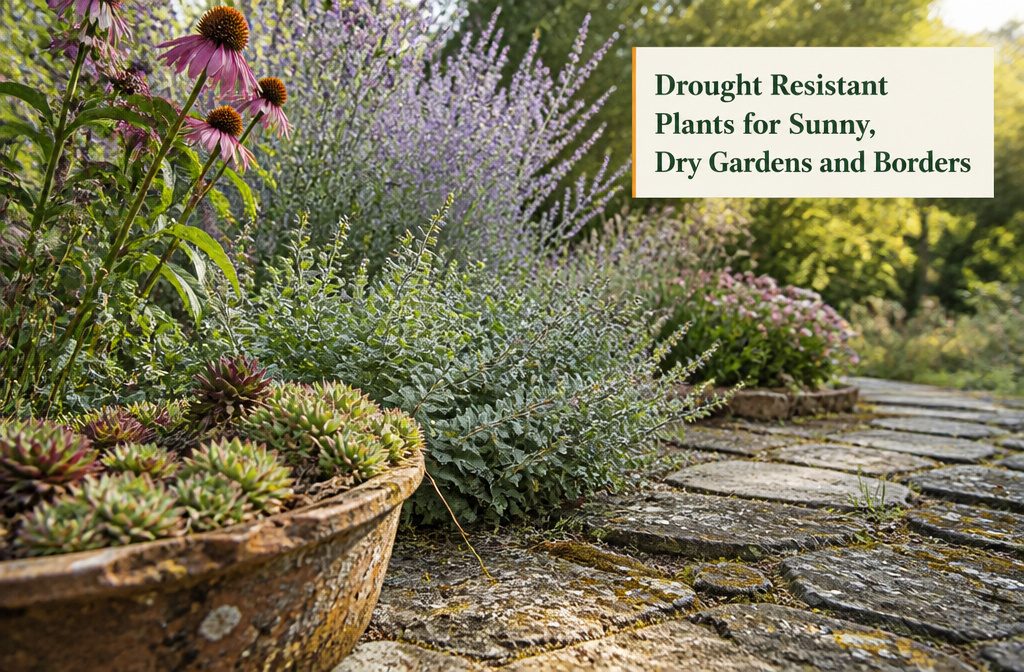
Sun-loving perennials and succulents such as coneflower, sedum, and Russian sage count as drought resistant plants once their roots are established.
Until then, new catmint needs regular water. Too much water is the one thing that reliably kills hens and chicks, so drainage matters more than sun.
Coneflower and Black-eyed Susan
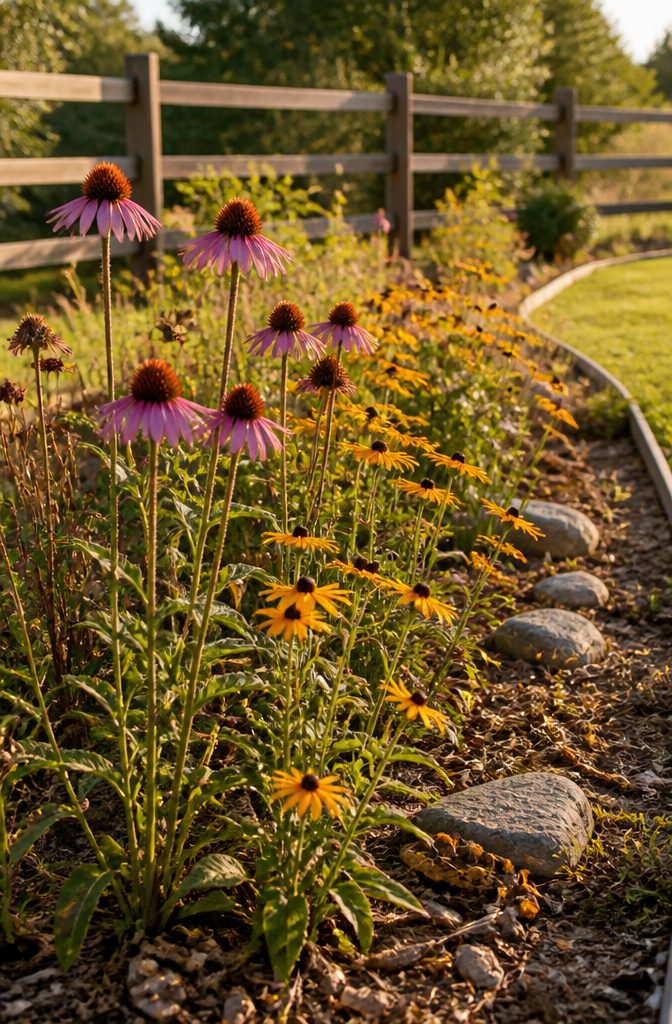
Purple coneflower and black-eyed Susan are native prairie daisies, both hardy in zones 3–9 and both happy in full sun.
Coneflower grows 2–5 feet tall and 1½–2 feet wide, and blooms from mid-summer into fall. It needs well-draining soil.
Leave the seed heads standing so songbirds have food in winter. Black-eyed Susan blooms from summer to early fall in gold, bronze, and brown, and its coarse, hairy foliage puts deer off.
For a small yard, pick black-eyed Susan.
It tops out at 1–4 feet and can stay as narrow as 1 foot, so it fits a tight border without crowding its neighbors. Choose coneflower if you have the height to spare and want the winter birds.
Recommended Products

HEAT TOLERANT GRASS SEED - Our cool-season grass seed mix contains perennial rye, Kentucky bluegrass, and tall fescue. This turfgrass mix performs best in full sun to lightly shaded growing conditions due to its ability to tolerate heat.

Compact Dwarf Growth: Dwarf lance leaved coreopsis seeds produce tidy 16 in tall plants with bright yellow blooms, ideal for small home garden, borders, and containers where full-size coreopsis plants may be too large.

DROUGHT TOLERANT WILDFLOWER SEEDS: Create a colorful, water-wise garden with a carefully selected mix of heat-tolerant annual and perennial wildflowers that thrive in dry conditions and western landscapes. Ideal for low-water gardens, xeriscapes, and sunny areas.
Aster and Beardtongue
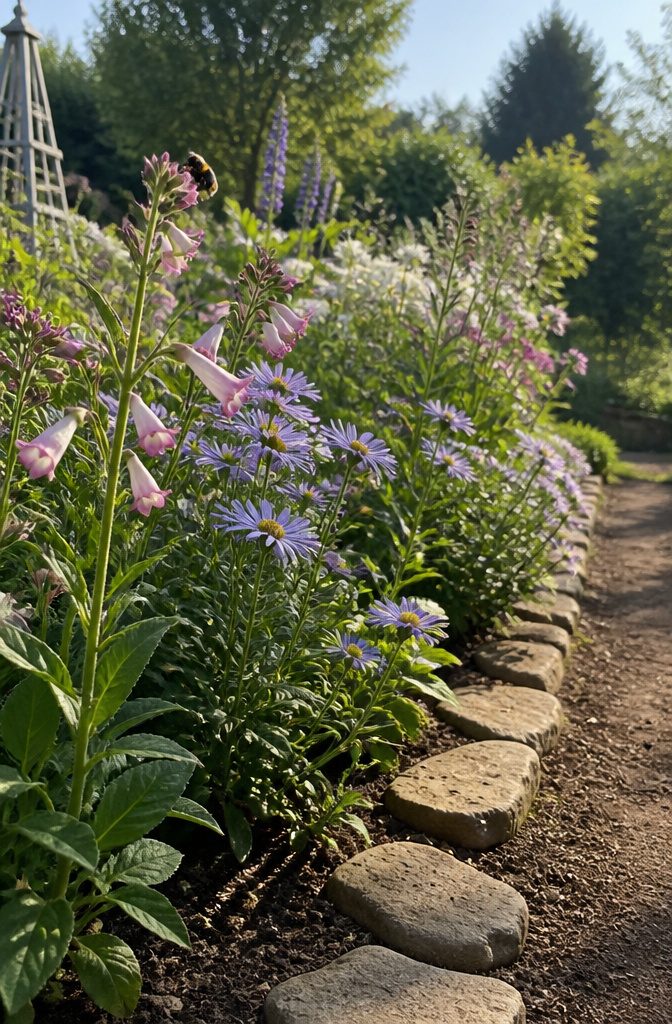
Beardtongue (Penstemon) opens the season.
It grows in zones 3–9 in full sun and blooms from spring to early summer, and some types rebloom if you deadhead. Its tubular flowers draw bees, butterflies, and hummingbirds.
Listed height runs 6 to 96 inches, with a spread of 8–20 inches, so check the tag. Low growers suit a rock garden or curbside strip, and tall ones suit a cottage border.
Aster (Symphyotrichum) carries the color after that.
It grows in zones 3–8, in full sun to partial shade, 1–6 feet tall and 1–4 feet wide. Daisy-like flowers in purple, blue, white, or pink open from summer into fall.
Asters prefer rich, well-draining soil but tolerate a wide range of conditions. Plant the two together and the border has pollinator color from spring through fall.
Recommended Products

Hardy in USDA zones 4-8. Due to varying agricultural regulations, we do not ship to the following states: AK, AZ, CA, CO, ID, MT, NV, OR, UT, WA and HI.

High quality seeds and expert guidance: Experience the quality seed difference. We are committed to providing the highest quality, open-pollinated, non-GMO, drought resistant wildflower seeds to our customers. A trusted source of high quality flower seeds since 1985.

LIVE SEDUM TILE: 10" by 20" live plant mat featuring a combination of sedum succulent plants with earthy colors and contrasting shapes. These easy ground cover plants offer endless DIY possibilities.
Blanket Flower and Yarrow
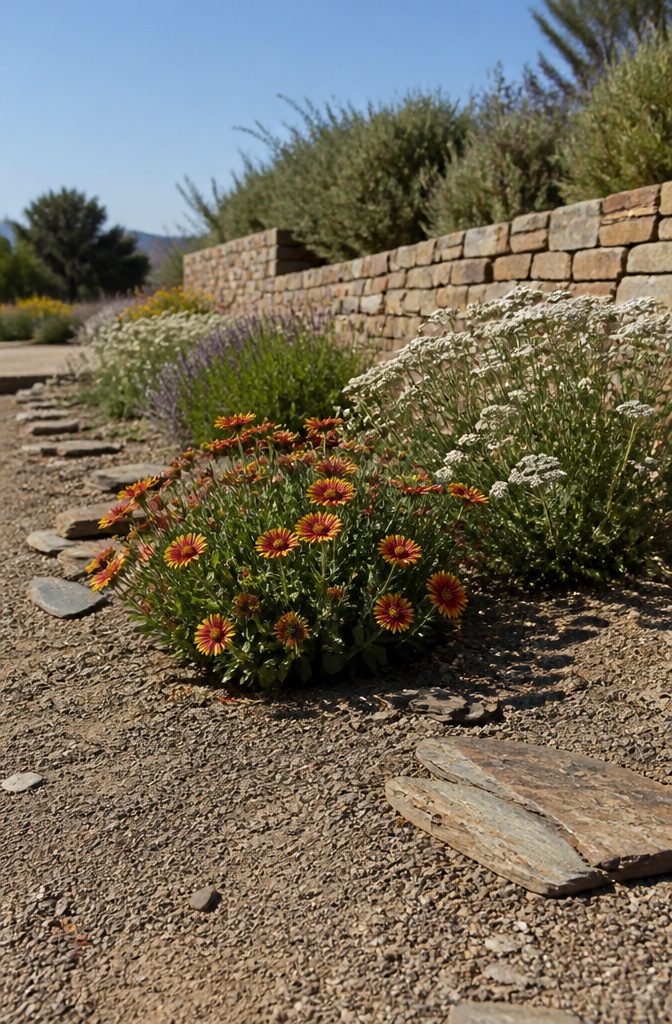
Blanket flower (Gaillardia) thrives in full sun and lean soil in zones 3–10.
It forms a mound 1–3 feet tall and 1–2 feet wide, with red, orange, coral, or yellow flowers from summer into fall. It is short-lived and often grown as an annual, so budget for replanting.
Yarrow (Achillea) is hardy in zones 3–9, and some listings stretch that to 11.
It grows 1–3 feet tall (up to 4 feet in some varieties) and 2–3 feet wide, blooms in summer, and tolerates heat and poor soil. Skip the seedy varieties, which need weeding to stay contained.
Lavender, Russian Sage, and Salvia
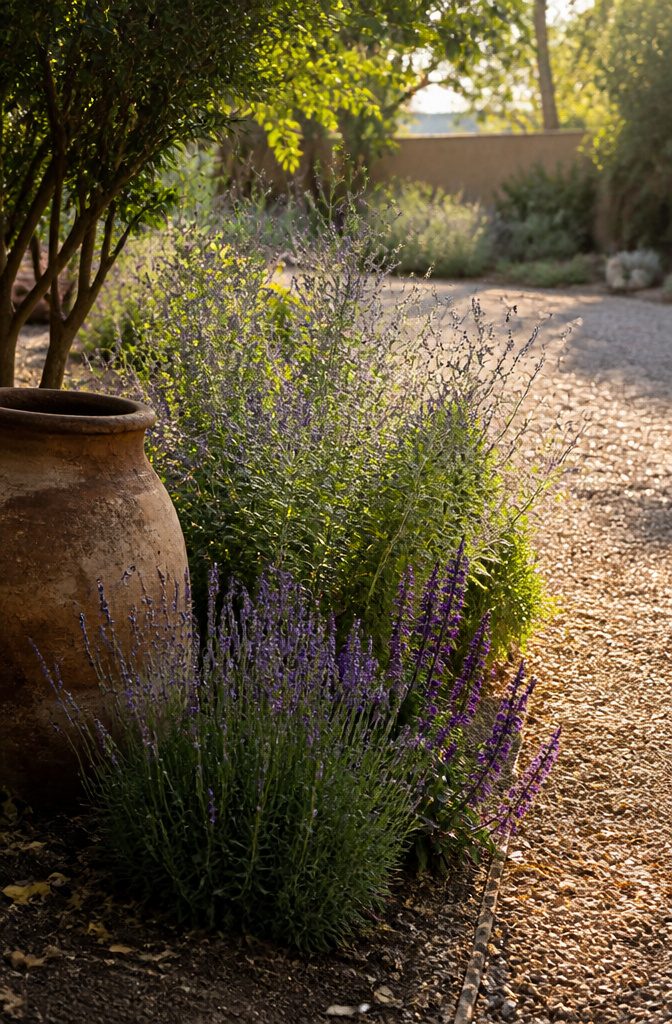
Lavender grows in zones 5–9 in full sun, reaching 1–3 feet tall and 1–5 feet wide, with summer bloom.
Its spread varies a lot by variety, so check the plant tag before you buy. Russian sage is hardy in zones 4–9, which makes it the pick for colder yards.
It stands 4–5 feet tall and 3 feet wide, with spiky blue flowers from mid- to late summer that draw pollinators. Give it full sun and well-draining soil, and it does fine on neglect.
For a small space, salvia wins. It stays 1–4 feet tall and 1–3 feet wide, blooms from spring to fall, and fits a container or a narrow waterwise border.
Zones 5–9. Bees, butterflies, and hummingbirds visit it.
Catmint and Cranesbill Geranium
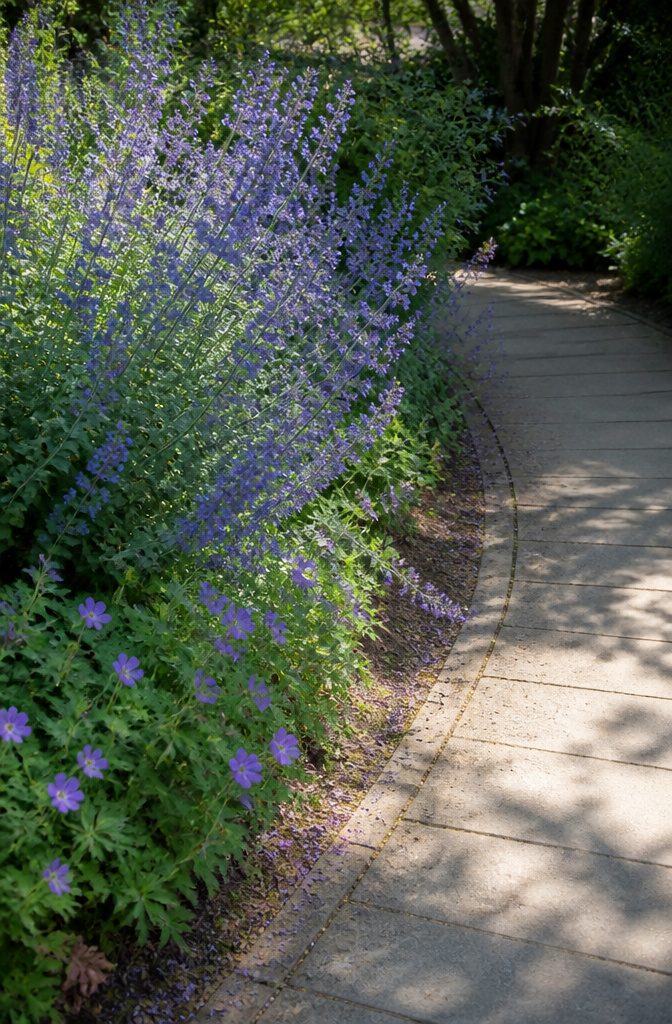
Catmint is the better pick for a sunny border edge.
It grows in zones 3–8 and blooms from late spring to fall in blue, white, or pink. It reaches 2–3 feet tall and wide, so give it room beside a walkway.
It accepts varied soil and partial shade, but new sprouts need regular water until their roots establish. After that, dry spells rarely bother it.
Cranesbill geranium fits spots where catmint is too big. It grows in zones 3–9, stands 6–24 inches tall, spreads 6–36 inches, blooms spring to fall, and lives for years in poor soil.
Buy true cranesbill (Geranium), not the annual Pelargonium sold as "geranium" in pots. Its tolerance for partial shade suits a path that loses sun by afternoon.
Recommended Products

Pollinator Favorite: Scarlet sage seeds grow vivid red tubular blooms on 18-inch upright hummingbird sage plant that draws honeybees, and butterflies to sunny flower beds and native garden spaces.

VIBRANT BLUE BLOOMS FOR A BEAUTIFUL LANDSCAPE: Our Blue Sage (Salvia Farinacea) Wildflower Seeds bring brilliant blue blooms to your garden, adding eye-catching color to borders, flower beds, and open spaces. This perennial salvia plant enhances any outdoor area with its tall, graceful flowers, providing a bold and lasting visual impact from early summer through fall.

Quick Germination: bee balm seeds for planting outdoors sprout in 10–20 days at 60–70 °F when surface‑sown and kept moist; perfect for USDA 2‑9 flower beds, containers—wild bergamot wildflower seeds that lure pollinators.
Sedum, Hens and Chicks, and Spurge
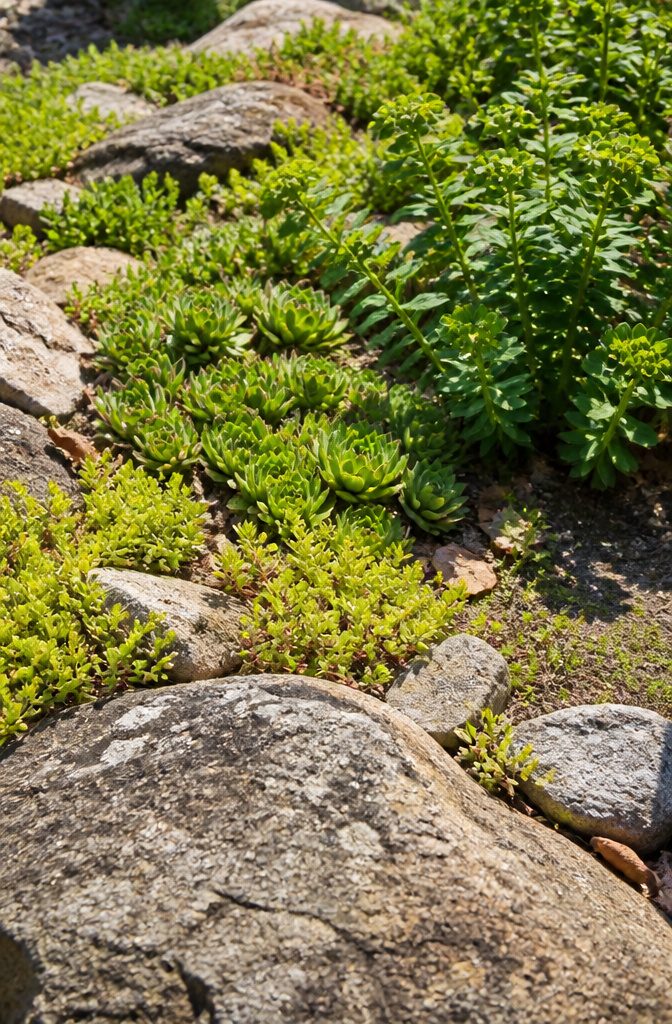
Sedum is the easiest of the three to place. It is hardy in zones 3–11 and takes full sun to partial shade.
Heights run from 2 to 36 inches, so low types work as living mulch and upright types fill a border. It blooms summer to fall, and butterflies visit.
Hens and chicks (zones 3–8) forms rosettes 3 to 6 inches tall and up to 20 inches wide, in full sun to light shade.
Overwatering is the one thing that reliably kills it, so give it well-drained soil. Its shallow roots also suit containers.
Spurge (zones 4–11) wants full sun and good drainage.
It reaches 6 to 36 inches tall and wide and needs little care once established. Wear gloves, since the milky sap irritates skin.
Recommended Products

High Germination Ease: Sow aubrieta cascade purple aubrieta deltoidea seeds in 60–65°F soil. Aubrieta rockcress sprouts in 10–14 days, ideal as flower seeds for airy borders, walls, rock gardens.
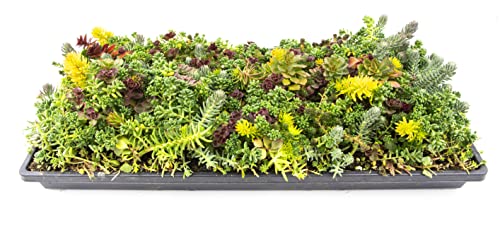
Use these decorative plants as outside plants for landscaping, patio plants, a sedum tile plant border, fairy garden decor, or in a succulent garden. Sedum plants like these and other real succulents live happily together.

Hardy Zones 5-9 or indoors
Blue Fescue and Wormwood
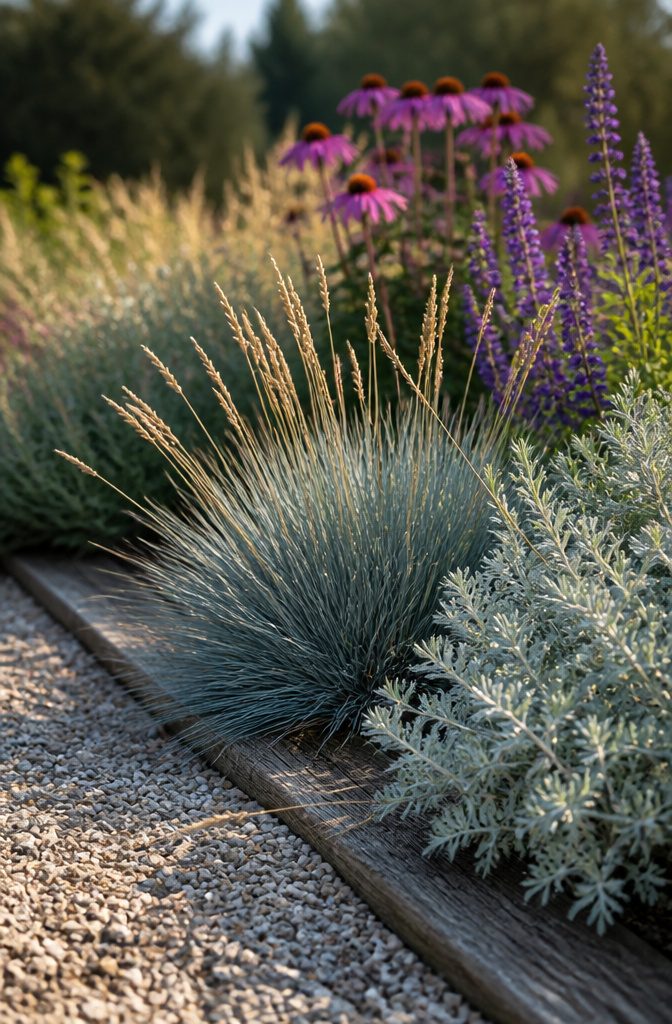
Blue fescue is the tidy one. It forms an evergreen clump of silvery blue blades 10–12 inches tall and 24–28 inches wide, hardy in zones 4–8, so it fits a pot or a small bed without crowding anything.
Wheat-colored seed heads hold on all summer. Plant it in full sun next to salvias or coneflower, where its fine texture settles bolder blooms.
Wormwood (Artemisia) is the larger, looser choice, hardy in zones 3–10. The genus has over 200 species, so read the tag: height runs 1–5 feet and spread 1–12 feet, and some reach about 3 feet wide.
Check whether Artemisia is invasive in your area before buying, because it can spread in some regions. Give it full sun and well-drained soil, and use the aromatic silver foliage in a dry border or container.
Recommended Products

High Germination Performance: Black eye susan seeds show reliable sprouting in 14–21 days after 4 weeks cold stratification. Suitable garden seeds for USDA zones 1–12, ideal wildflower seeds bulk for gardens, flower beds, and containers.

VIBRANT & LONG-LASTING BLOOMS: Black-eyed Susan vining plants feature vibrant, 5-petalled flowers with white, yellow, and orange petals, and a black center, creating a striking display in any flower bed or fence. These annual flowers bloom at a height of 60-84 inches, during summer to fall, attracting pollinators like bees, butterflies, and hummingbirds.

Dwarf Rustic Mix: These black eyed susan seeds grow compact branching plants reaching about 19 inches tall with full-size red and yellow blooms and dark centers. Ideal black eyed susan seeds for planting in garden beds, borders, or containers.
Bugleweed and Pinks
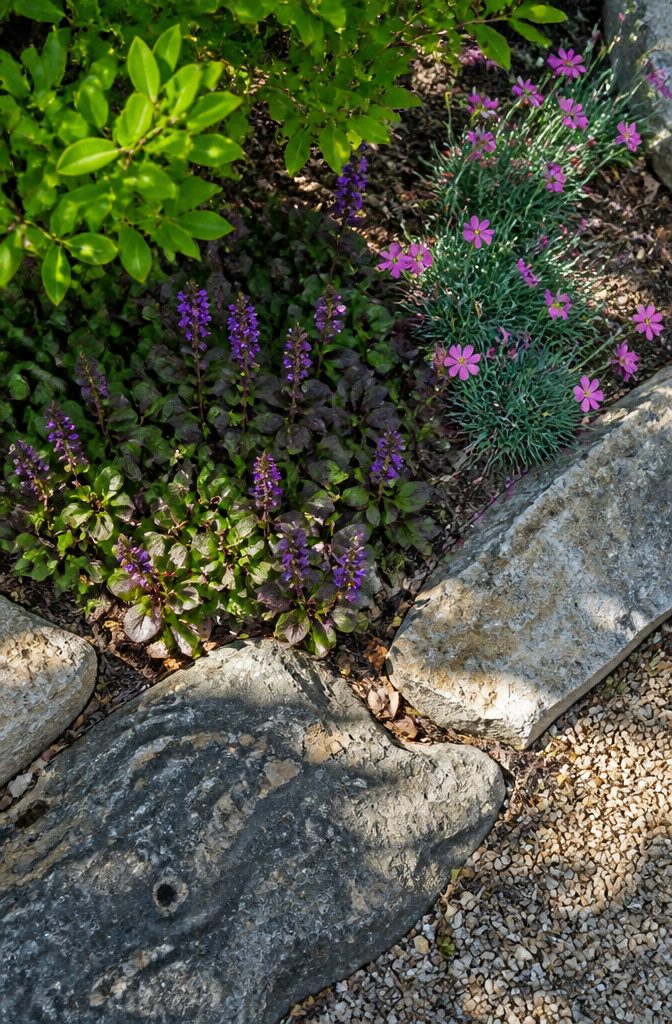
Bugleweed is the pick for dry shade under trees and shrubs, hardy in zones 3–10 and fine in sun too.
It forms a mat 6–9 inches tall and 6–12 inches wide, with pink, blue or purple flowers in mid- to late spring over green, purple, gold or variegated leaves.
It can spread rampantly, so plant it in tough spots and hold back water to keep it in check.
Pinks suit the sunnier side.
Native to alpine and rocky ground, they handle dry conditions in zones 3–9, in full sun to partial shade. Size runs 4–36 inches tall and 4–24 inches wide depending on the type, so check the tag.
The clove-scented flowers bloom spring to early summer, with some rebloom in fall. Use them in a rock garden, along a curbside strip or as pathway edging.
Recommended Products

Abundant Seed Count: Contains 285 premium coneflower seeds, providing ample quantity to create expansive wildflower displays throughout your outdoor garden spaces, meadows, or naturalized landscape areas with vibrant, eye-catching blooms

PREMIUM DROUGHT TOLERANT WILDFLOWER MIX: A carefully curated blend of hardy wildflowers selected to thrive in hot, dry, and low-water conditions. Suitable for xeriscaping, water-wise gardens, low-water landscapes, and challenging growing environments across the continental USA

High Germination Performance: Echinacea seeds for planting show strong, reliable sprouting in 3–4 weeks when soil stays moist. Ideal garden seeds for USDA zones 4–9 gardens and outdoor flower beds.
Lantana and Purslane
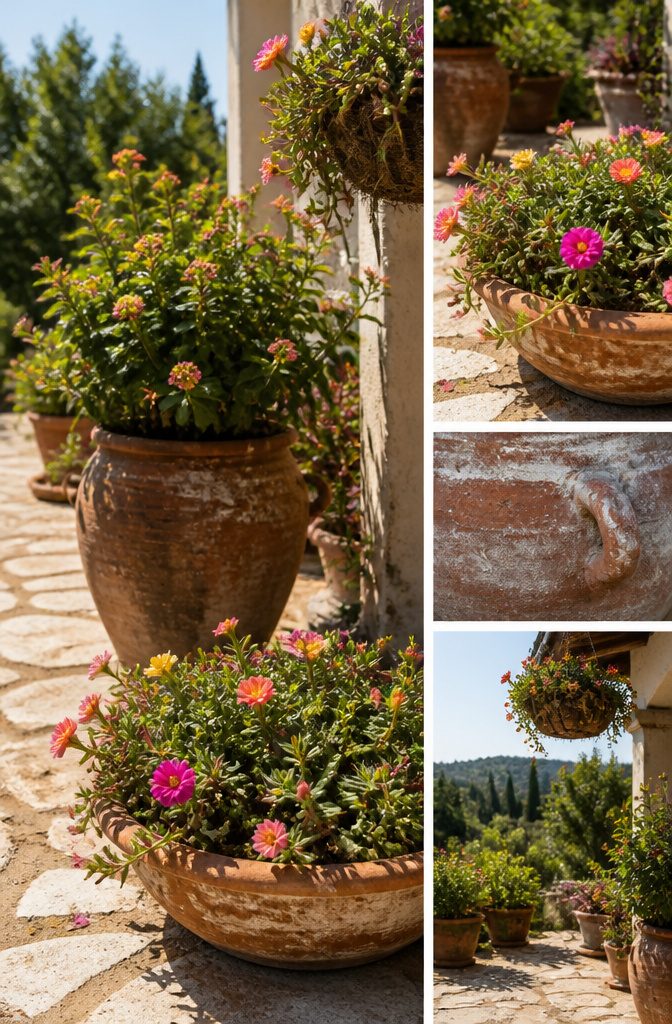
Lantana is the pick if you want height and butterflies. In zones 9–11 it grows as a perennial shrub 2–6 feet tall and blooms nearly year-round where frost never comes.
In colder zones it is an annual, but it still reaches 3–4 feet tall and 1–3 feet wide in one season, flowering from late spring to frost. Give it full sun, and plant it alone in a large container.
Purslane does the opposite job: a low edge for hot pots and hanging baskets. It stays 3–12 inches tall, spreads 6–24 inches, and carries small rose-like flowers from summer to frost.
It tolerates heat, drought, poor soil, and neglect. It is perennial only in zones 10–11, so plan on replanting yearly elsewhere.
Recommended Products

Small transplants in a tablespoon of soil and wrapped together in a moist paper towel. Grows large in just a few warm months.

TOP SIZE FLOWER BULBS: Supplied as top size planting bulbs selected for developing compact, upright Kobold Gayfeather plants with strong stems, suitable for sunny beds, borders, containers, and cutting gardens.

🦋 Brilliant Seasonal Color Blanketflower Seeds (Gaillardia aristata) produce vibrant daisy-like blooms in shades of red, orange, and golden yellow that brighten landscapes from summer through fall. These colorful flowers create eye-catching displays in borders, pollinator gardens, meadow plantings, and containers.
Spot Drought-Tolerant Traits
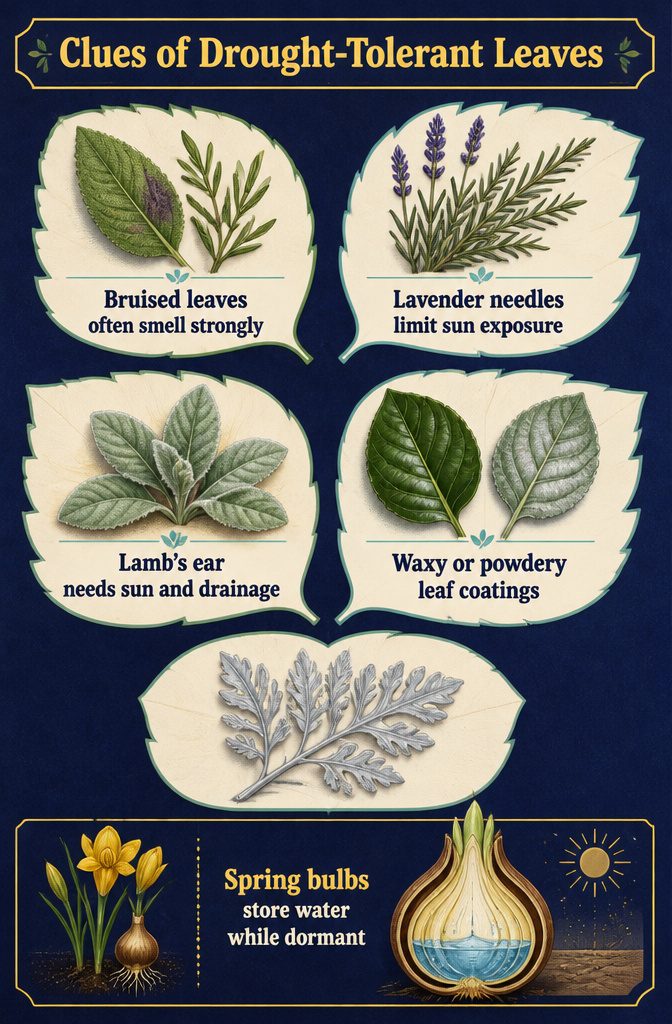
Rub a leaf between your fingers.
Bruised foliage with a strong scent usually signals a plant built for dry ground, which fits lavender and wormwood. Then look closer at the leaves.
Lavender’s are small and needlelike, so they expose little surface to the sun. Lamb’s ear is covered in hairs that give it a velvet feel, and it wants sun and well-draining soil.
Other plants carry a waxy coating or a powdery bloom. Some leaves are so reflective they look almost metallic, like the silvery foliage of wormwood.
Spring bulbs break the pattern. Many go dormant in summer and store water in the bulb, so they prefer a dry site after they bloom.
Recommended Products

Quick Germination: Surface-sow purple rockcress flower seeds; light required. Sprouts in 10–14 days at 60–65°F. Start indoors 6 weeks before last frost — garden seed planting, great seeds for planting.

Hardy in USDA zones 4-8. Due to varying agricultural regulations, we do not ship to the following states: AK, AZ, CA, CO, ID, MT, NV, OR, UT, WA and HI.

Succulent is a unique houseplant that will transform in color under different lighting conditions
Where to Use Them
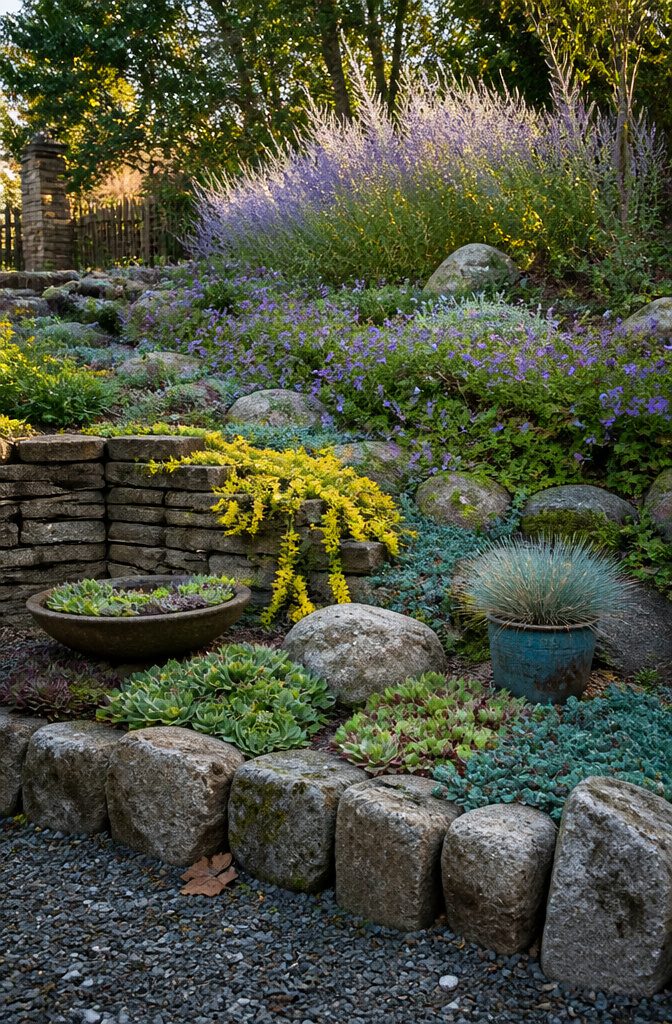
Match each plant’s habit to the spot you have:
- Borders: Russian sage grows 4–5 feet tall and 3 feet wide, so give it the back of a dry border.
- Curbside strips: Russian sage handles the heat. Cranesbill geranium (6–24 inches tall) also suits these strips.
- Slopes: Cranesbill geranium’s spreading roots help control erosion.
- Rock gardens: Sedum and hens and chicks (3–6 inches tall) fit between stones.
- Walls: Golden stonecrop creeps over stone and softens rock walls and garden edges.
- Groundcover: Choose low sedum species, which start at 2 inches. Save taller ones for borders.
- Containers: Hens and chicks and blue fescue both work. Hens and chicks has no deep root system, so even a shallow birdbath or an old shoe can hold it.
Sun, Soil, and Watering
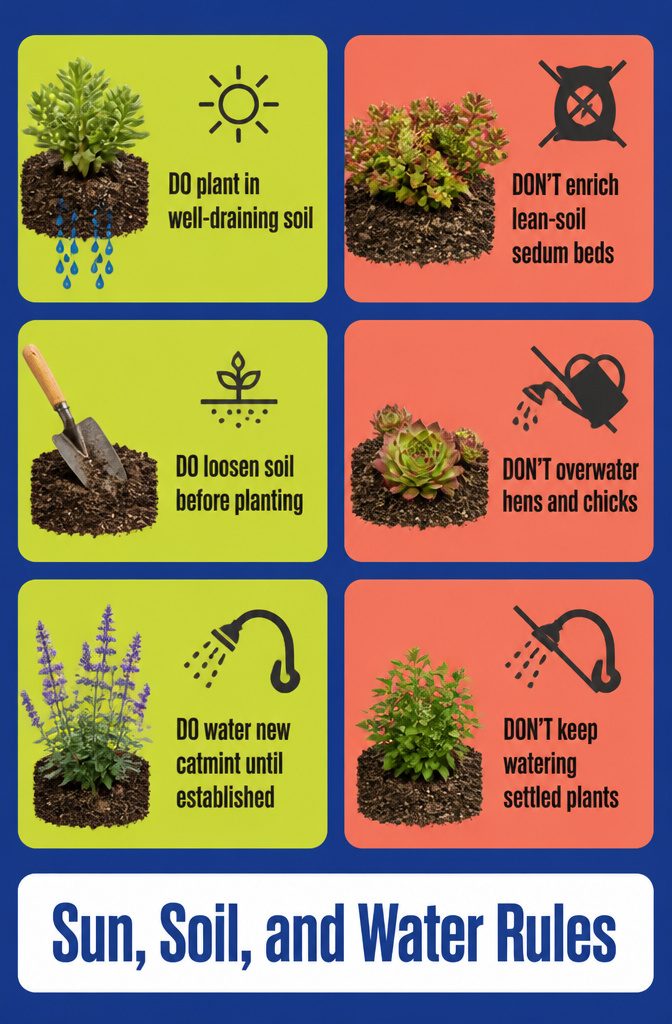
Most drought resistant plants want full sun. Coneflower and hens and chicks also take light to partial shade.
Drainage matters more than exposure: plant in well-draining soil, and for plants that prefer lean ground, such as sedum, skip compost and other enriching amendments. Loosen the soil before planting and check that water drains away instead of pooling.
New plants still need help. Catmint should be watered well until its roots are established, and after that it fends off dry spells on its own.
Hens and chicks go the other way: too much water is the one thing that reliably kills them. Once a plant is settled, hold back the hose.
Yard-Wide Ways to Save Water
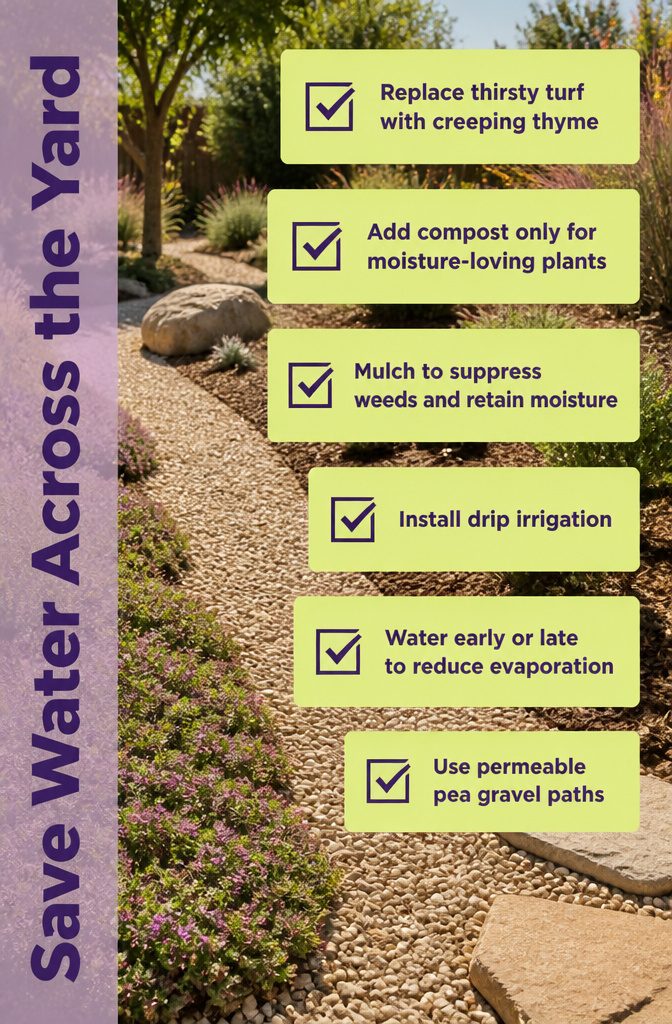
Set up the yard itself to hold water and lose less of it:
- Replace thirsty turf with groundcovers that tolerate foot traffic, such as creeping thyme or sedums.
- Work compost into soil for plants that need moisture held near their roots. Skip it for lean-soil plants; loosen the soil instead and check drainage.
- Mulch with organic matter or small stones to suppress weeds and keep moisture in.
- Install drip irrigation, and water early or late in the day so less evaporates.
- Add boulders, patios, and pathways for structure. Build paths from pea gravel, which is permeable and slows runoff.
Plants for Pollinators
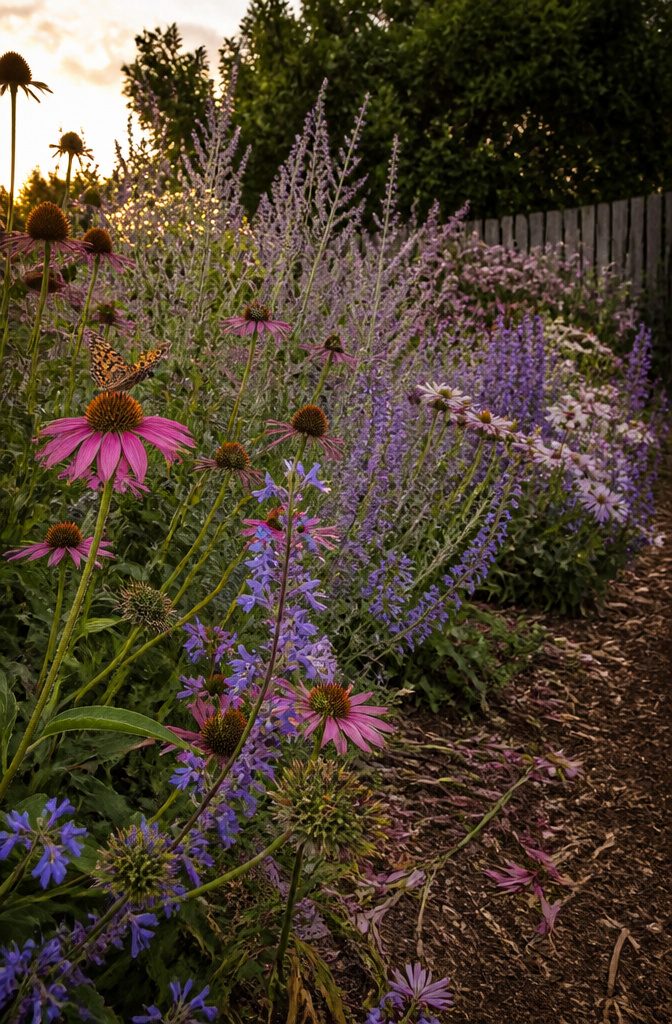
Purple coneflower feeds two seasons. Butterflies and other pollinators visit its flowers from mid-summer to fall, then songbirds eat from the seed heads in winter, so leave the seed heads standing instead of cutting them back in fall.
Aster covers the late end of the year, blooming from summer to fall in purple, blue, white, or pink, and it grows in zones 3–8. Beardtongue draws bees, butterflies, and hummingbirds.
Russian sage and catmint fill the gaps between.
Russian sage brings in bees, but its varieties differ in how many insects they attract, so check the tag if pollinators are your goal. Catmint reaches about 24 inches high and wide, and new plants need water until their roots establish.
Toxic and Invasive Plants
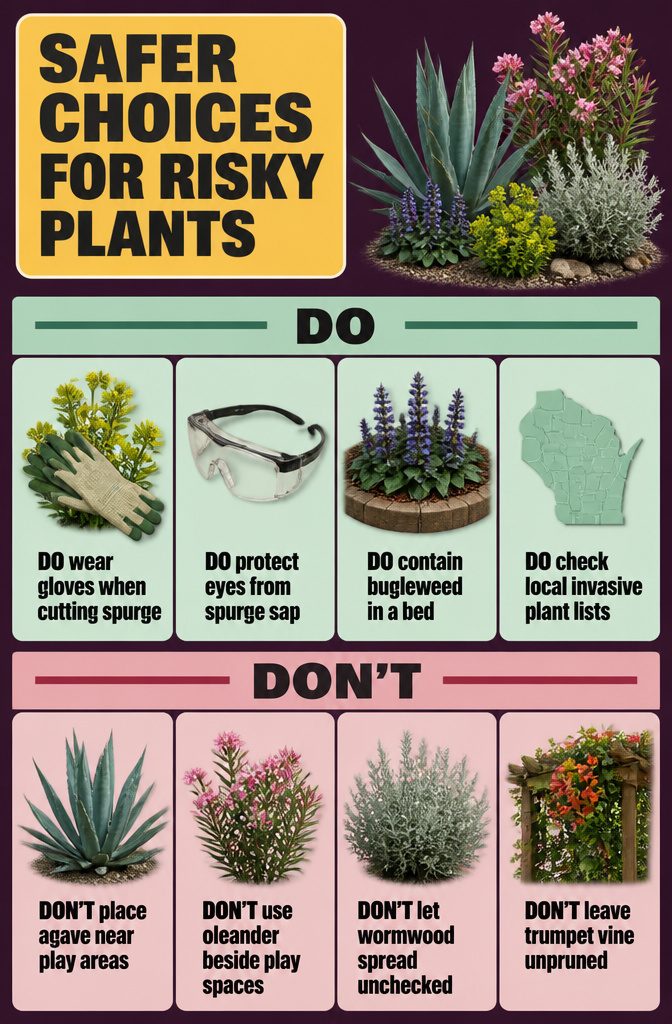
Several dry-garden favorites carry a risk, either to people and pets or to the rest of your yard.
- Spurge: The sap can irritate skin and severely damage eyes. Wear gloves and eye protection when cutting it back.
- Agave: Toxic if eaten, so keep it away from where kids and pets play.
- Oleander: Toxic to children and pets. Skip it as a hedge along a play area or dog run.
- Bugleweed: Can spread rampantly. Give it a contained bed rather than an open edge.
- Wormwood: May be invasive in some areas, and it can spread up to 12 feet wide.
- Trumpet vine: Grows fast and becomes invasive without regular pruning. Keep it on a trellis or pergola and trim it often.
Before you buy any of these, check your state or county invasive plant list.
Frequently Asked Questions
What plant needs the least amount of water?
No source ranks one plant as the lowest, but succulents and yucca sit at the dry end.
Succulents need little water and do well in sunny spots with little rainfall, and Yucca filamentosa (zones 4–11) is described as about as drought-tolerant as plants get.
Which drought resistant plants tolerate full sun and heat?
Coneflower, black-eyed Susan, blanket flower, lavender, Russian sage, and yarrow all grow in full sun. Yarrow and purslane also handle heat and poor soil, and blanket flower grows in zones 3–10 in lean soil.
Juniper is another heat-resistant option. Pair any of them with well-draining soil, since drainage matters more than sun exposure.