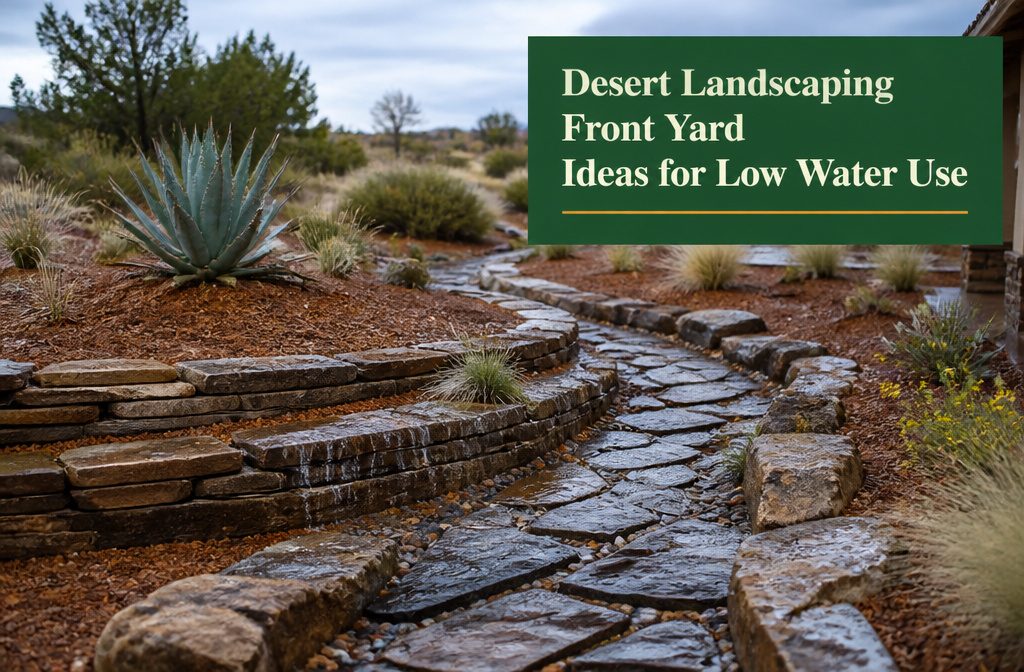
These ideas range from a single agave on a gravel mound to tiered flagstone walls, and your site decides between them: region, frost, sun exposure and drainage.
A Phoenix plant list won’t automatically work in a high-desert yard, and a dry creek bed won’t redirect water if the grade slopes toward the house.
1. Modern Gravel Garden
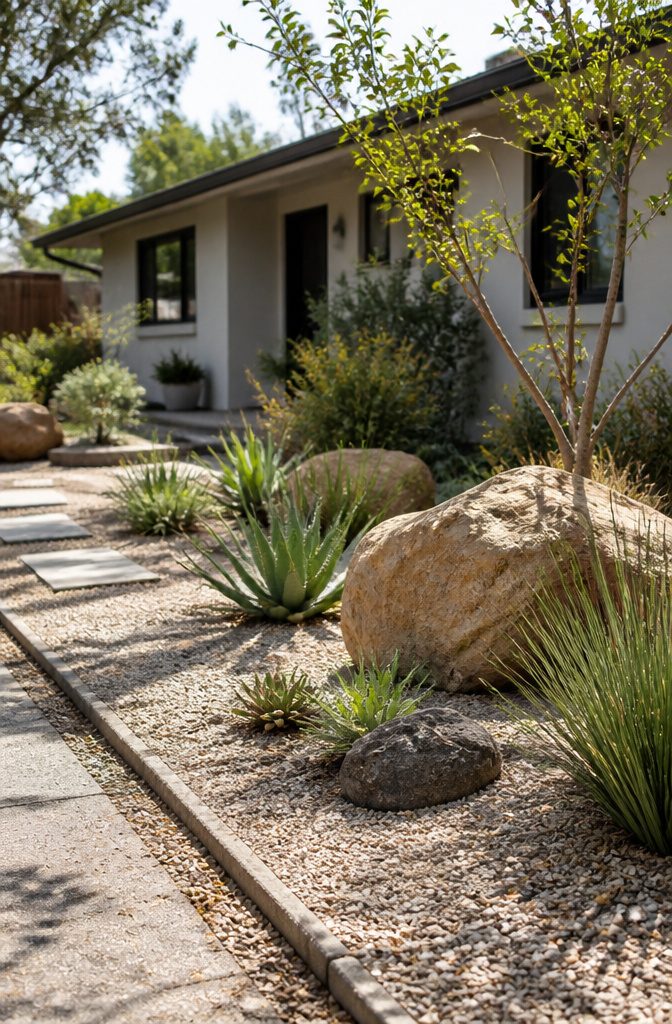
Gravel gives a front yard structure, but plants should be the focus. Set a few large boulders first so they don’t crush new roots, then group plants around them and repeat smaller gravel through the beds.
Rock mulch, decomposed granite and decorative gravel are the usual ways to cover the soil.
Spread 2–3 inches of decomposed granite or pea gravel, and keep it back from plant crowns. Dark stone reflects heat onto nearby leaves.
To order, multiply square feet by depth in inches, then divide by 324.
At 300 square feet and 2 inches, that comes to about 1.85 cubic yards, before an allowance for settling or waste. Gravel alone doesn’t make a yard low maintenance; the plants and the drainage underneath still decide the upkeep.
Recommended Products

100% PERMEABLE ROCK GLUE FOR LANDSCAPING AT AN UNBEATABLE VALUE: Our 100% permeable stone glue covers up to 200 sq ft, securing rocks, pea gravel, pebbles & decomposed granite with lasting strength, while staying permeable to support soil hydration & nutrient flow

SAY GOODBYE TO MESSY MULCH & PEBBLES FOREVER: Our Glue is the original landscape glue that powerfully holds garden mulch, wood chips, shells, sand, pine straw, small pebbles, hay and straw, small gravel, and leaf piles in place. No more mulch wash-outs on your sidewalk!

ROCK-SOLID BOND AT MAXIMUM VALUE: Lockscape Sticky Rock Glue for landscaping delivers exceptional coverage at the best value. Designed for rocks, pea gravel, pebbles, and decomposed granite (not a mulch glue), it ensures long-lasting durability and curb appeal—without overspending!
2. Cactus Showcase
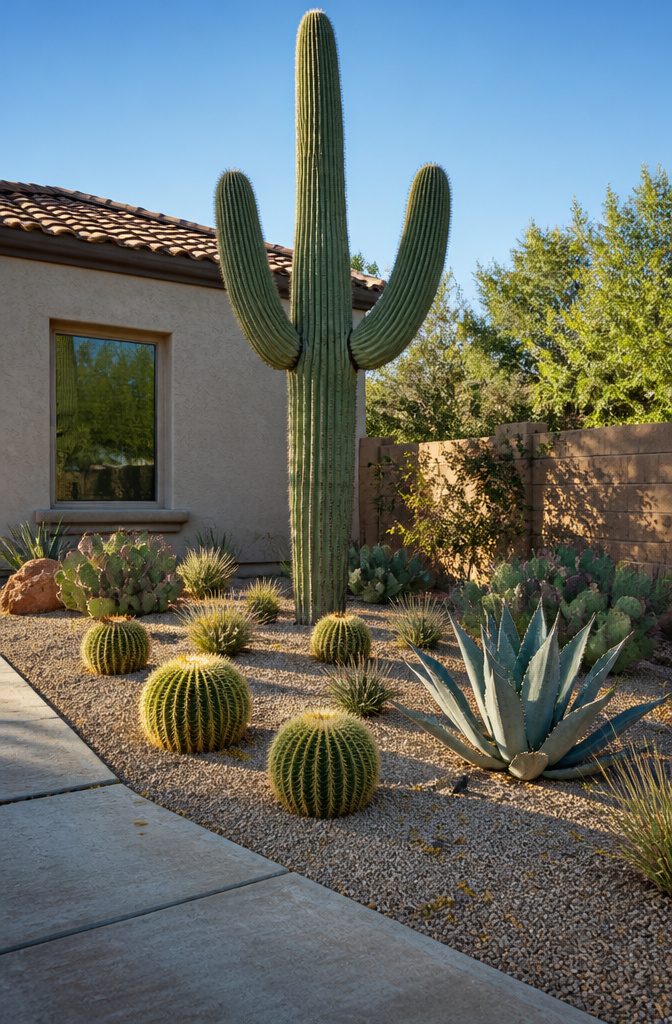
A towering saguaro or a multi-armed organ pipe cactus works best as the one feature your yard is built around. Set it in a bed of contrasting gravel so the plant reads like a sculpture on a pedestal.
Use just a few large specimens and leave open gravel between them, so each silhouette stays clear from the street. Fill in low with golden barrel cacti and prickly pear pads, which add layers without clutter.
Plant in spring so roots settle before winter. Handle spiny plants with thick gloves and tongs or carpet scraps.
Use decomposed granite around them, not organic mulch, which holds moisture against the stems. Give each plant a slow drip emitter at its base, run deeply but infrequently.
Recommended Products

2.0 gallon per hour pressure-compensating emitter delivers same uniform flow rate from beginning to end of tubing runs
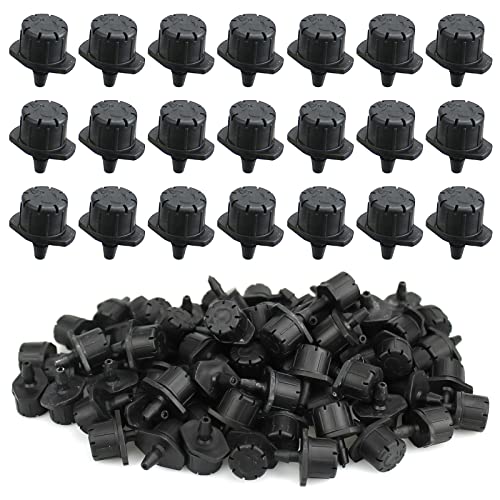
Package Include:You will receive 100pcs adjustable irrigation drippers sprinklers
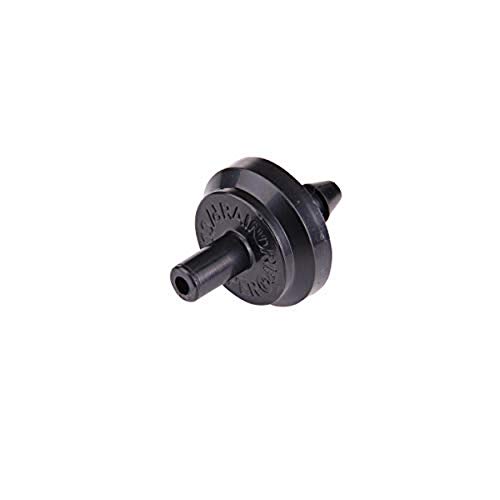
PRESSURE-COMPENSATING EMITTER: Maintains a constant 1 GPH flow rate even when the water pressure changes
3. Succulent Borders
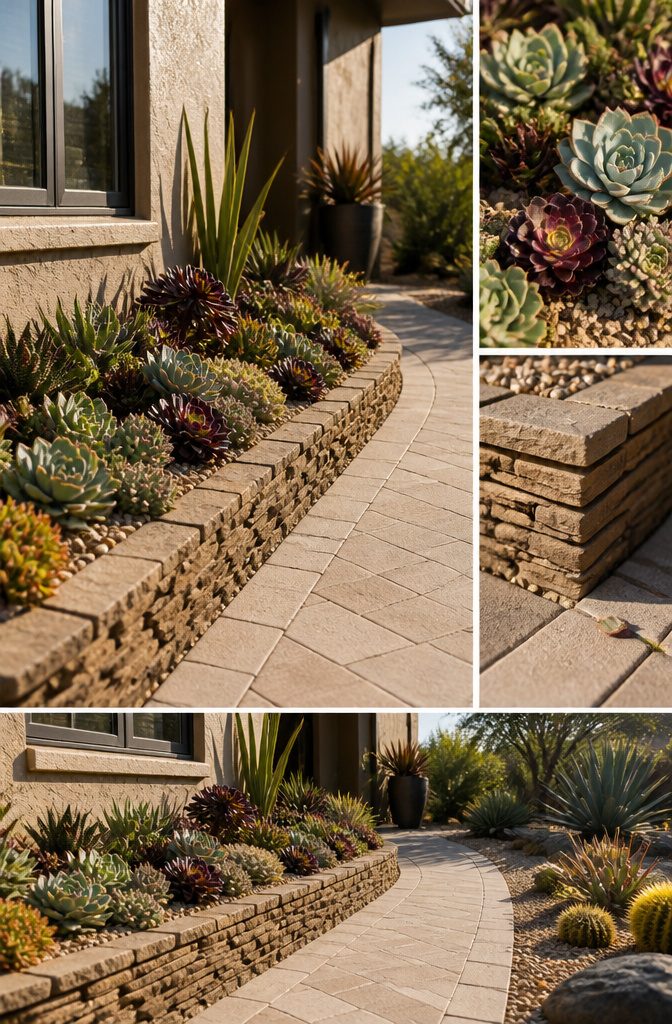
Repeating rosette-form succulents along a walkway or foundation makes a border that looks planned. Edge the bed with steel or stone, fill it with fast-draining cactus mix, and plant echeveria, sedum, aeonium, and haworthia in drifts.
Space each plant for its mature size, and top the soil with small gravel or crushed granite to keep leaves off damp ground.
For more impact, lift them into raised beds with walls 12–18 inches high, built from stuccoed block, corten steel, or stacked stone. The height speeds drainage and keeps cold air from pooling around frost-tender plants.
Either way, soak deeply every 2–3 weeks in summer and cut back in winter.
4. Dry Creek Bed
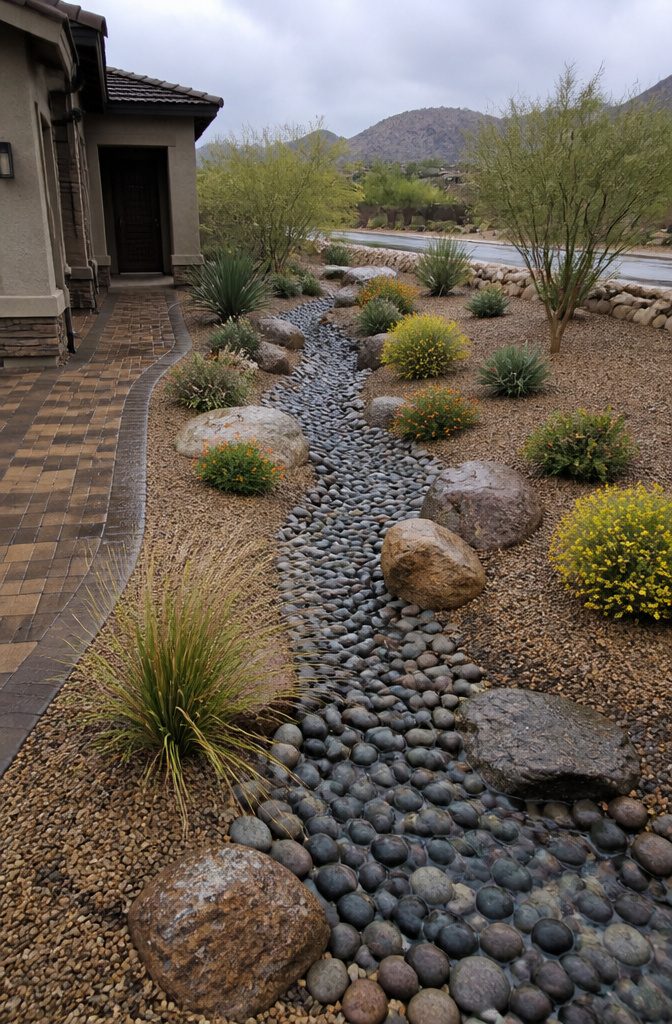
A dry creek bed works when it follows the path water already takes across your yard. Dig a winding channel about 6 inches deep, line it with landscape fabric, and fill it with smooth river rock in blues and grays.
Make it wider and deeper where a downspout discharges, and set a few larger boulders along the banks so they read as natural outcrops.
Stones do not fix a bad grade. If the slope underneath points at the house, the rock will not redirect the water, so have a contractor or your local stormwater office review any major grading.
Never aim roof runoff toward a foundation, a neighbor’s property, or a public walkway. After heavy storms, rake the stones smooth.
Recommended Products
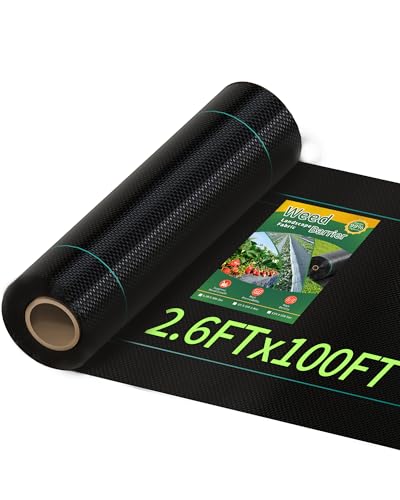
Weed Control: Woven polypropylene physically blocks sunlight to prevent weed seed germination, keeps flower beds, vegetable gardens, and landscaping weed-free without chemical herbicides.
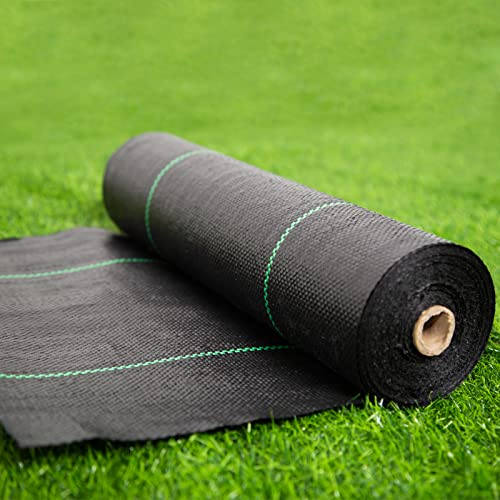
【Premium Weed Barrier Fabric】 Made of thick polypropylene woven fabric, this heavy duty weed barrier fabric is durable and helps keep your garden and flower beds free of weeds for long-term use.
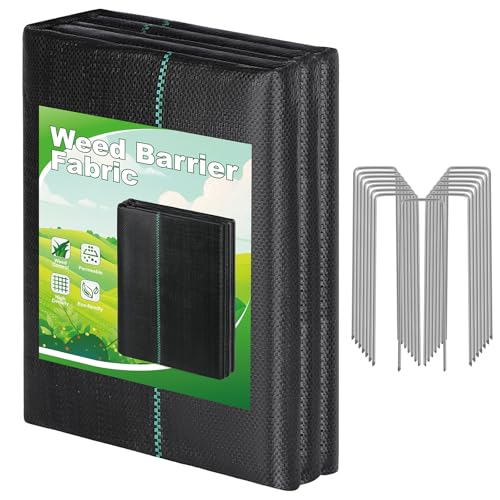
Reliable Weed Control Without Blocking Water: FEED GARDEN Weed Barrier Fabric is designed to effectively help reduce unwanted weed growth in garden beds, flower beds, and landscaping areas while allowing water and air to reach plant roots. The breathable garden fabric promotes healthier soil conditions and helps reduce maintenance throughout the growing season
5. Agave or Palm Focal Point
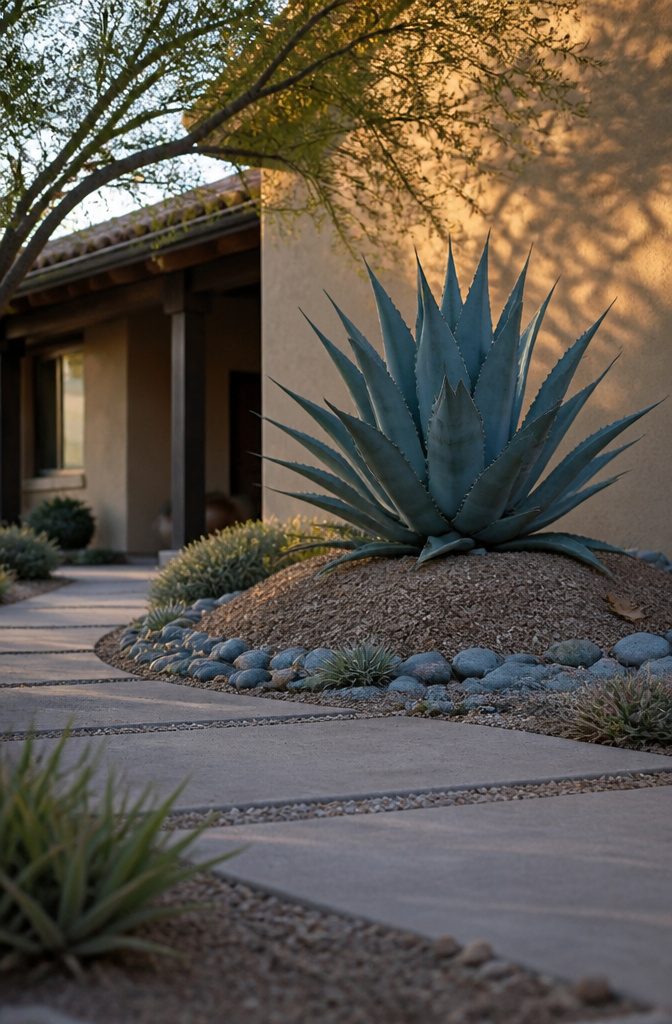
Pick one sculptural plant and let it carry the yard.
An agave is the easier choice: century plants, blue agaves, and artichoke agaves form rosettes up to 6 feet wide, so check the mature width before you buy and leave that much clearance from the walkway and wall.
Plant it on a raised mound of gravelly soil for drainage, ringed with smaller stones in a similar color.
A Mediterranean fan or date palm suits a larger yard. Surround it with decomposed granite, and keep gravel from piling against the trunk.
In a small yard, choose compact ‘Blue Glow’ agave.
Add a few low succulents, limit the gravel to one color, and keep a direct path to the door. Most agaves bloom once and die, but their pups carry on.
Recommended Products

NO DILUTION NEEDED - READY TO SPRAY FORMULA: Skip the mixing & messy measuring. Our Lockscape rock glue max is ready to use straight from the bottle. Simply shake & pour into your sprayer, and enjoy professional results that lock rocks in place with zero hassle.

ROCK-SOLID BOND AT MAXIMUM VALUE: Lockscape Gravel Glue for landscaping delivers exceptional coverage at the best value. Designed for rocks, pea gravel, pebbles, and decomposed granite (not a mulch glue), it ensures long-lasting durability and curb appeal—without overspending!

SUPERIOR STONE GLUE FOR ROCKS: Our landscape glue powerfully holds small gravel, small pebbles, mulch, wood chips, shells, sand, pine straw, hay and straw, and leaf piles in place - the perfect Landscape Adhesive. It improves the organic layer's resistance to erosion and displacement by wind and rain, but still allows water to pass through!
6. Stone Walls and Terraces
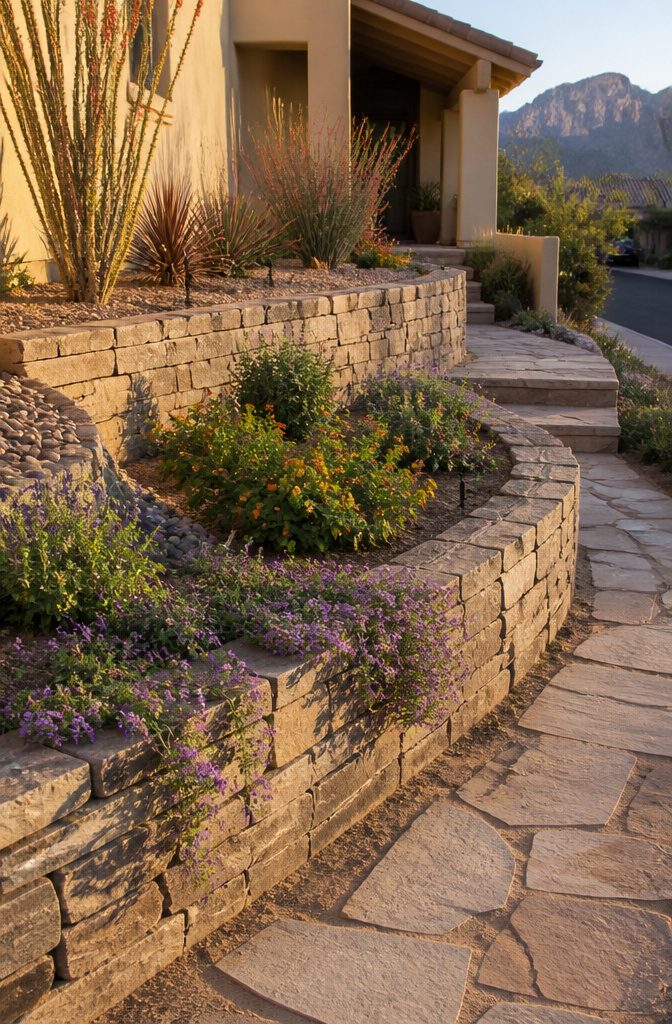
On a sloped front yard, two or three tiers of flagstone or ledgestone walls stop erosion and give you level planting space.
Ocotillo and red yucca suit the top tier, lantana and salvia the middle, and trailing verbena the lowest wall.
Dry-stack or mortared stone both work, but lay drainage gravel behind each wall so water never builds up. Fill the beds with a sandy, fast-draining mix.
On a flat lot, low walls at sitting height can enclose a gravel courtyard at the entry, with a path wide enough for two people. A patio of 12-by-24-inch travertine pavers can sit right beside the planting.
If your existing walkway or patio is sound and well placed, build around it. Replacing it for symmetry eats budget without improving the yard.
Recommended Products

Color: Black and Red Material: Plastic

1.0 gallon per hour pressure-compensating emitter delivers same uniform flow rate from beginning to end of tubing runs

Works like soaker hose only better because it doesn’t clog and requires no maintenance
7. Native Plant Garden
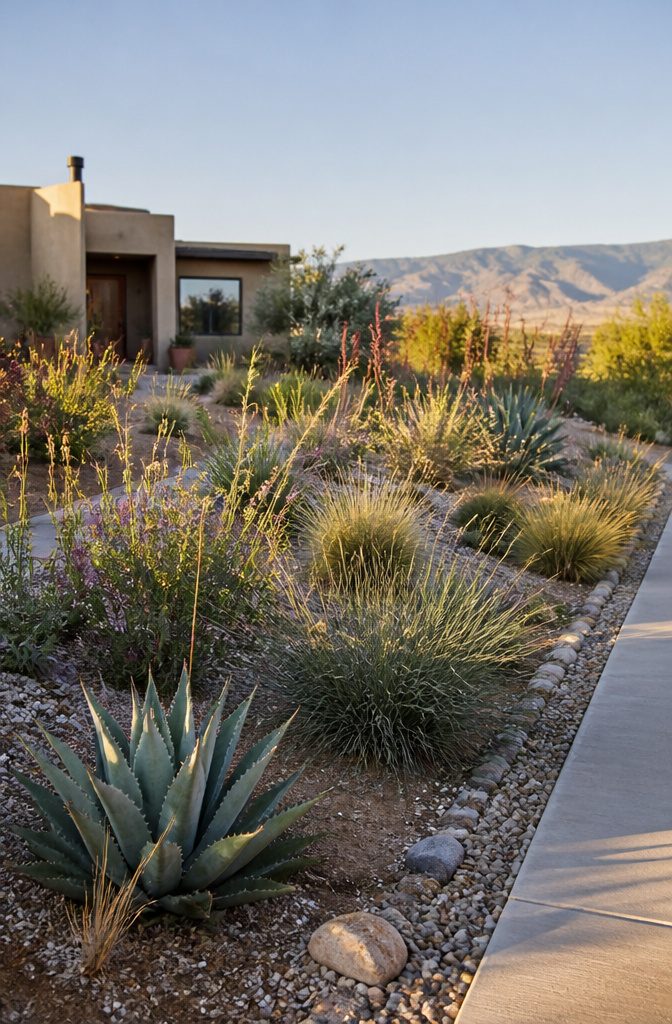
Plant each species in a loose drift that repeats across the yard, the way plants cluster in the surrounding desert, rather than in a row along the walkway.
The plant list depends on your region. Santa Fe’s climate suits penstemon, blue grama grass, and agave, while Sonoran and Chihuahuan yards lean on brittlebush, creosote, desert marigold, and globe mallow.
Native shrubs and red yucca add structure. EPA WaterSense guidance is to choose plants suited to your local climate and soil.
Group plants with similar water needs and top the soil with a light mulch of crushed native rock.
Expect a sparse yard the first year and a full one by year three. Natives need no fertilizer, only a yearly cleanup of spent seed heads.
Recommended Products

WHAT YOU GET: 60 pcs bulletin board borders in 2 different designs are included in the package, ideal for decorations and crafts making

Enough Length: The package includes 1 roll of bulletin board border, measures 10 m / 32.8 ft in length, and 7 cm / 2.8 inch in width, enough for you to use

Colorful Succulents Paper Cuts: our package contains 54 pieces succulents accents cuts, the succulents paper cutouts adopt colorful design in 9 different styles, vivid and realistic; They can add pretty colors to your dull learning and working life
8. Desert Pathway
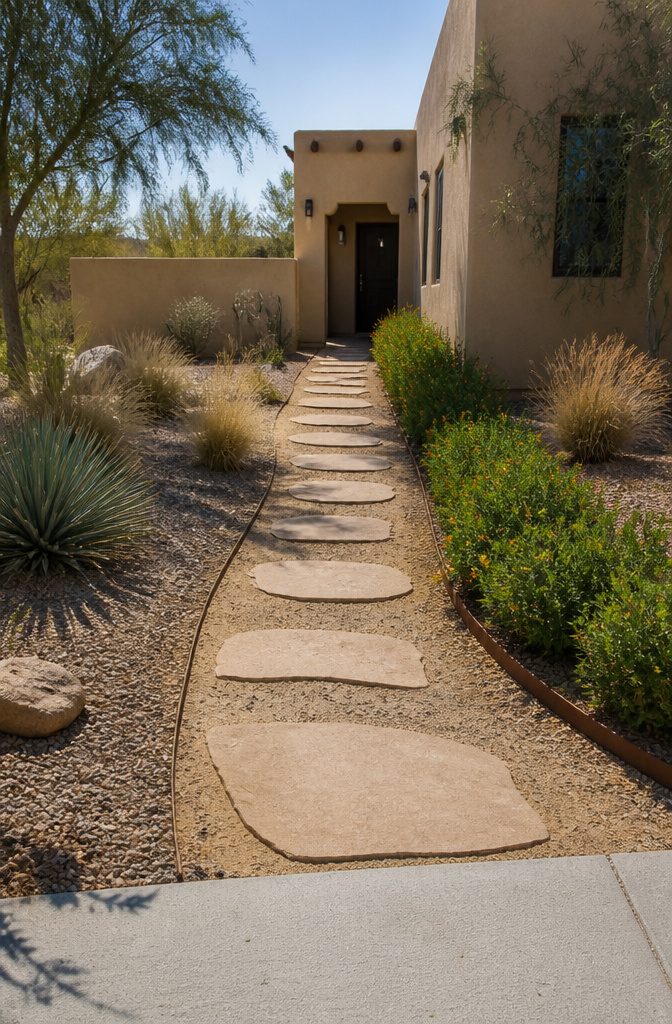
A straight run from the driveway or sidewalk to the door is the part to build first, and the direct route is the one to keep when the budget is tight.
A sweeping detour looks good against a rectangular house, but people cut across it and trample the gravel.
Material sets the look and the chores.
Flagstone spaced for a comfortable stride, with compacted decomposed granite in the gaps, reads classic. Raked gravel edged with steel reads modern, but gravel creeps onto paving, so the edging earns its cost.
Large pavers such as 12-by-24-inch travertine give a tidy, formal surface with fewer joints to weed, though leaf litter shows more on light stone.
Crown the surface slightly so monsoon rain sheds off, and keep rosemary or lantana trimmed back from the walking line.
Recommended Products
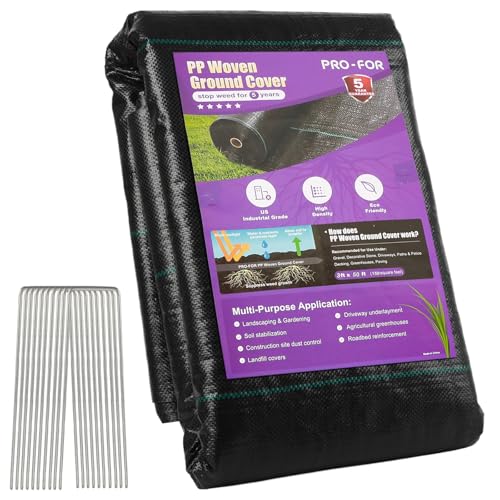
[3.2oz Woven Weed Barrier] This PRO-FOR 3FT x 50FT weed barrier landscape fabric is made from black woven polypropylene to help block sunlight at ground level and reduce weed growth while supporting soil moisture management in garden and landscape projects.

[3.2oz Woven Weed Barrier] This PRO-FOR 4FT x 50FT weed barrier landscape fabric is made from black woven polypropylene to help block sunlight at ground level and reduce weed growth in garden and landscape areas.

HEAVY DUTY WEED BARRIER FABRIC: True 5 oz dual layer landscape fabric; a woven polypropylene layer for strength plus a needle punched layer to help filter and retain water
9. Seasonal Color and Containers
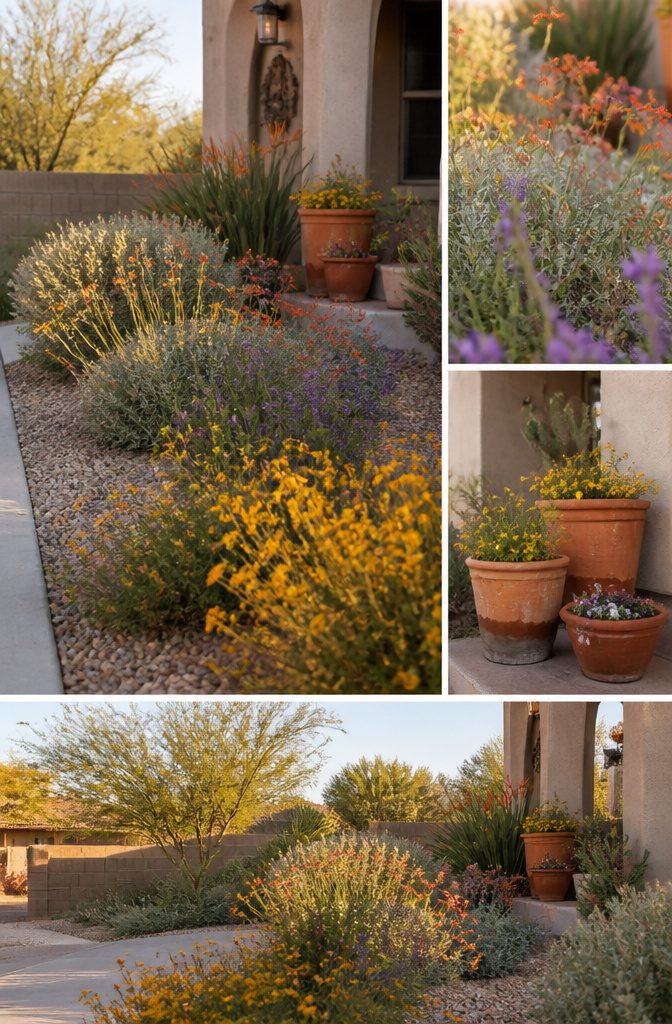
Desert marigold, penstemon, globe mallow, Mexican bird of paradise, and desert willow flower for months on very little water.
Plant them in sweeps near the street and entry so the color reads from a distance, and mix heights so blooms layer from spring through fall.
Group plants by water need so one thirsty favorite doesn’t set the irrigation for the whole bed. Silver-leafed Texas sage or artemisia makes the colors stand out.
Deadhead spent flowers, and give bloomers a deep soak every week or 2 in the hottest months.
Containers grouped at varied heights by the entry let you swap color each season. Clay suits adobe or stucco, and metal or ceramic suits a modern facade.
Recommended Products

Superior Stone Adhesive: Our rock glue for landscaping is formulated with a high-strength polyurethane polymer that firmly locks gravel together while maintaining permeability. It is the ideal landscaping adhesive. It enhances the resistance of the organic layer to erosion, preventing weathering and displacement, ensuring your landscape remains beautiful for a long time.
HEAVY-DUTY HOLD FOR LANDSCAPES & DRIVEWAYS – This rock and mulch glue helps lock pea gravel, decorative stone, pebbles, bark, wood chips, pine straw, sand, and mulch in place. When applied to a properly prepared surface and fully cured, it creates a stabilized finish for garden paths, patios, borders, driveway edges, and areas exposed to routine vehicle traffic.

SUPERIOR STONE GLUE FOR ROCKS: Our landscape glue powerfully holds small gravel, small pebbles, mulch, wood chips, shells, sand, pine straw, hay and straw, and leaf piles in place - the perfect Landscape Adhesive. It improves the organic layer's resistance to erosion and displacement by wind and rain, but still allows water to pass through!
10. Drought-Tolerant Ground Cover
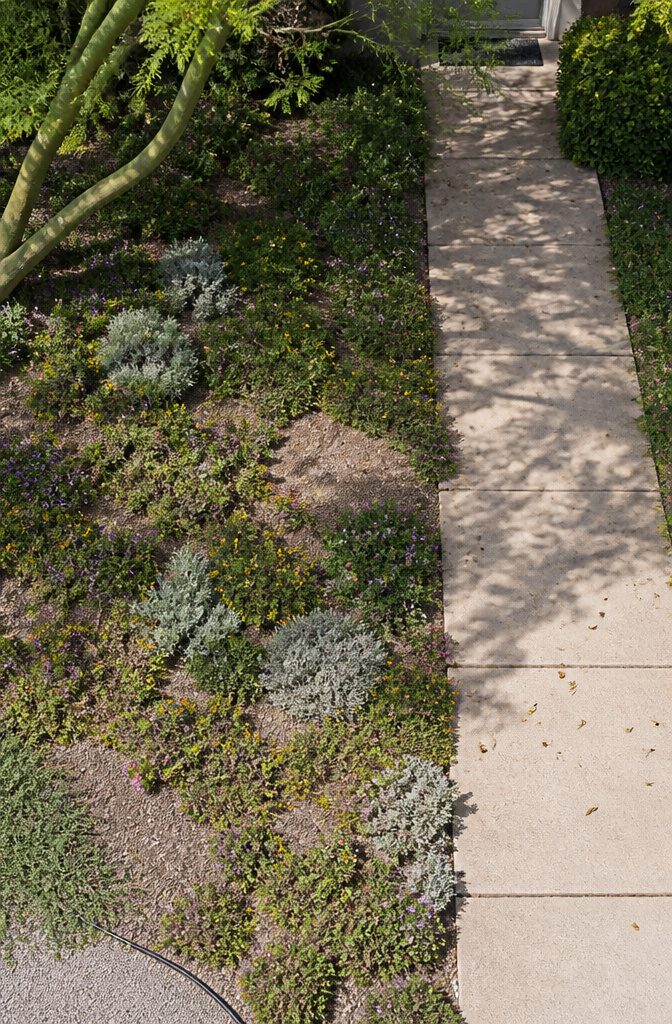
Trailing lantana, verbena, ice plant, and silver ponyfoot spread fast, smother weeds, and bloom for months, which makes them the best swap for a strip of thirsty turf.
Strip the old grass, amend the soil lightly, and lay drip line or soaker tubing before any plant goes in. Set plants on 12-inch centers so they knit together quickly, then mulch the gaps with fine gravel.
New plants still need regular watering while their roots establish.
Only after that can you cut back to occasional deep soaks. If you want something that looks like lawn, buffalograss or blue grama stays green on a fraction of the water Bermuda demands and needs mowing about once a month.
Recommended Products
Works like soaker hose only better because it doesn’t clog and requires no maintenance

【High Quality】Our Drip Irrigation Emitters are made of durable plastic. Rugged nylon construction helps keep the project placed and lasting performance for longer life in any weather.
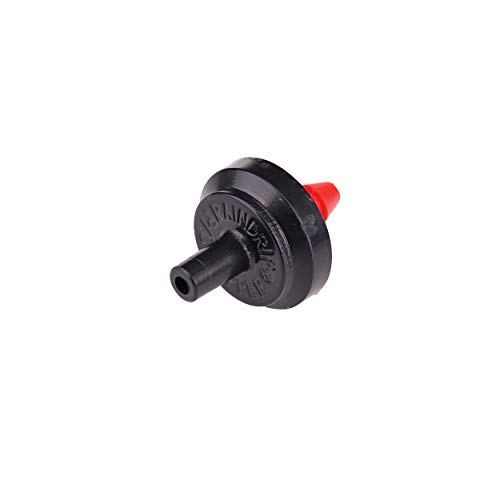
PRESSURE-COMPENSATING EMITTER: Maintains a constant 1/2 GPH flow rate even when the water pressure changes
11. Southwestern Style
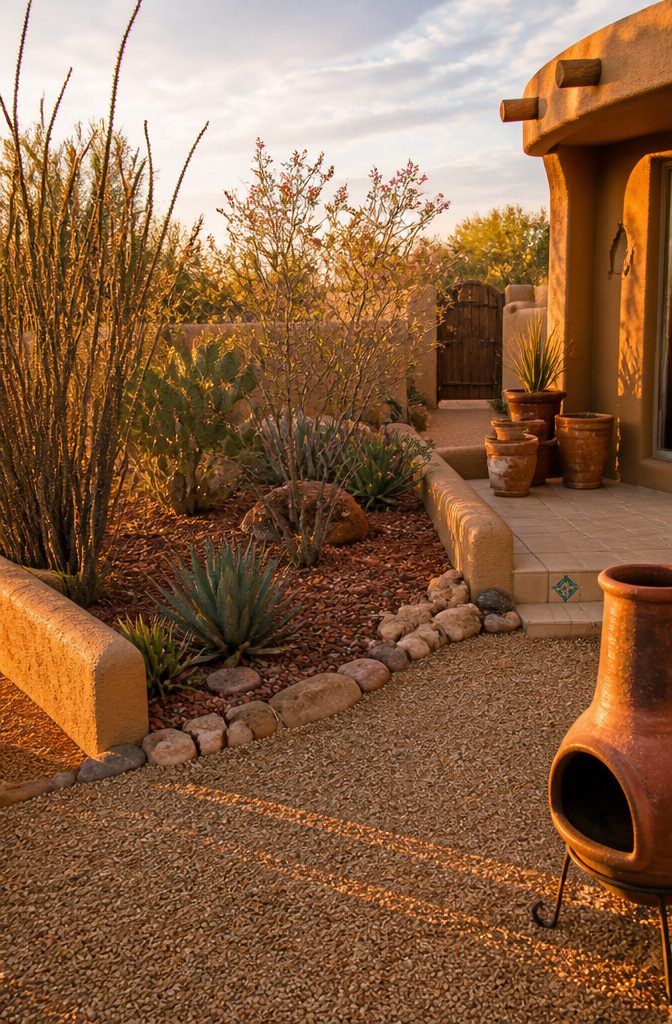
Southwestern character comes from warm, earthy materials set against native plants.
Fill the beds with crushed red rock or decomposed granite for the rust and sand tones, and frame them with a stucco wall or a low adobe-style garden wall. Plant ocotillo, prickly pear, desert willow, and lantana.
Desert marigold, yucca, and agave also fit and need minimal water. Buy rock from a local supplier and pick the plants that grow in your area.
Handmade details finish the look.
Cluster terracotta pots by the door for height, set a Talavera tile into a step riser, and add a rustic wooden gate or a chiminea in a gravel patio corner. Keep turquoise as the accent against the rust and sand.
12. Minimalist Design With Mixed Textures
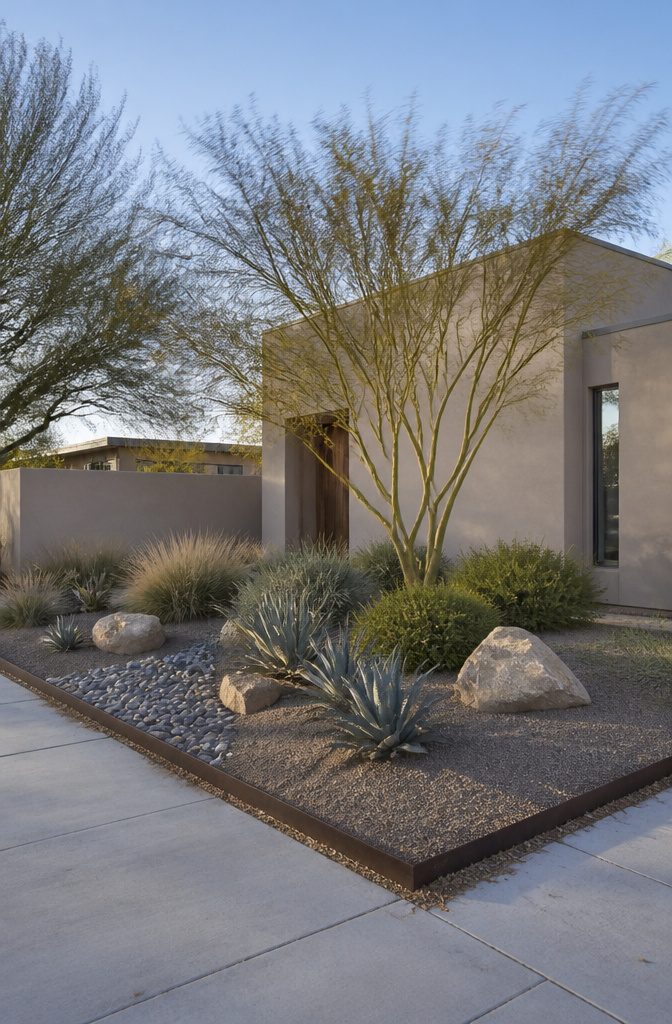
Keep the palette to one gravel tone, one or two plant colors, and clean steel edging, then let texture carry the interest.
A multi-trunk palo verde or sculptural ironwood works as the star, underplanted with a few agaves or ornamental grass. Set spiky agave next to feathery Mexican feather grass, and let smooth river rock meet chunky boulders.
Build in layers: one bold structural plant as the anchor, mounding shrubs to fill, fine grasses to tie it together. Stand at the curb to check the balance, because texture reads from a distance.
Fewer plants means every one is on display. A single dead agave leaves a visible gap in a sparse bed, so buy healthy stock.
13. Landscape Lighting
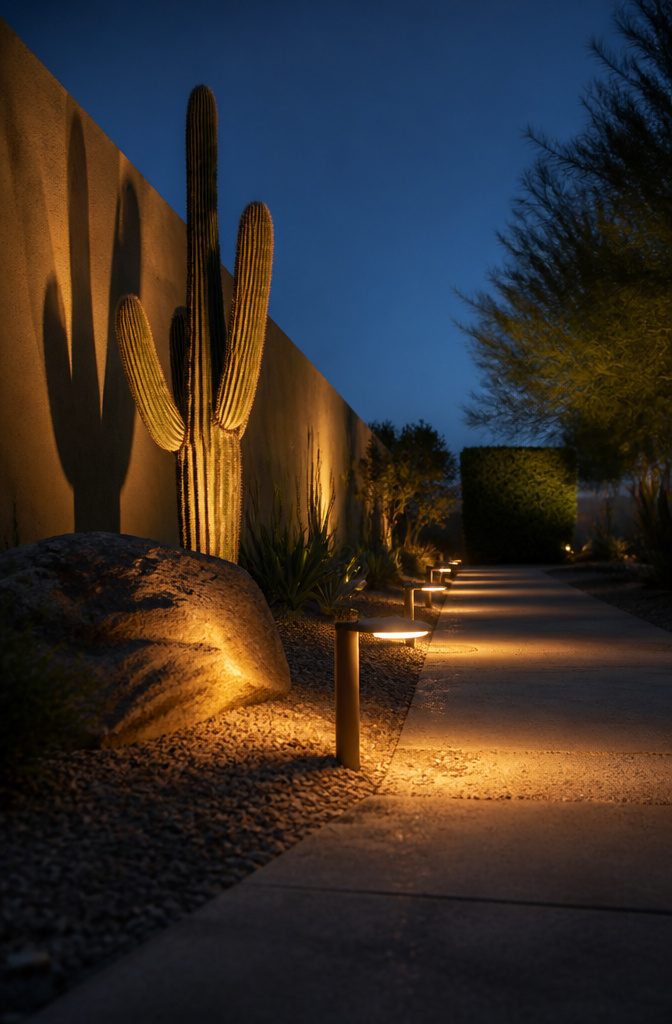
Choose warm 2700K LEDs, which flatter both the plants and the architecture behind them.
Aim an uplight at a sculptural cactus or multi-trunk tree and its shadow lands on the wall or fence, which gives you a second shape for free.
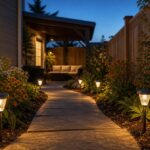
A small spotlight grazed across a boulder brings out texture you can’t see by day. Path lights along the walkway edge guide guests, and good lighting also improves security.
Pick one hero specimen per viewing angle and leave the rest dark.
A low-voltage system with a timer or smart transformer runs the lights only in the evening. Bury the cable under gravel, and choose brass or copper fixtures, which develop a patina over time.
Match the Design to Your Site
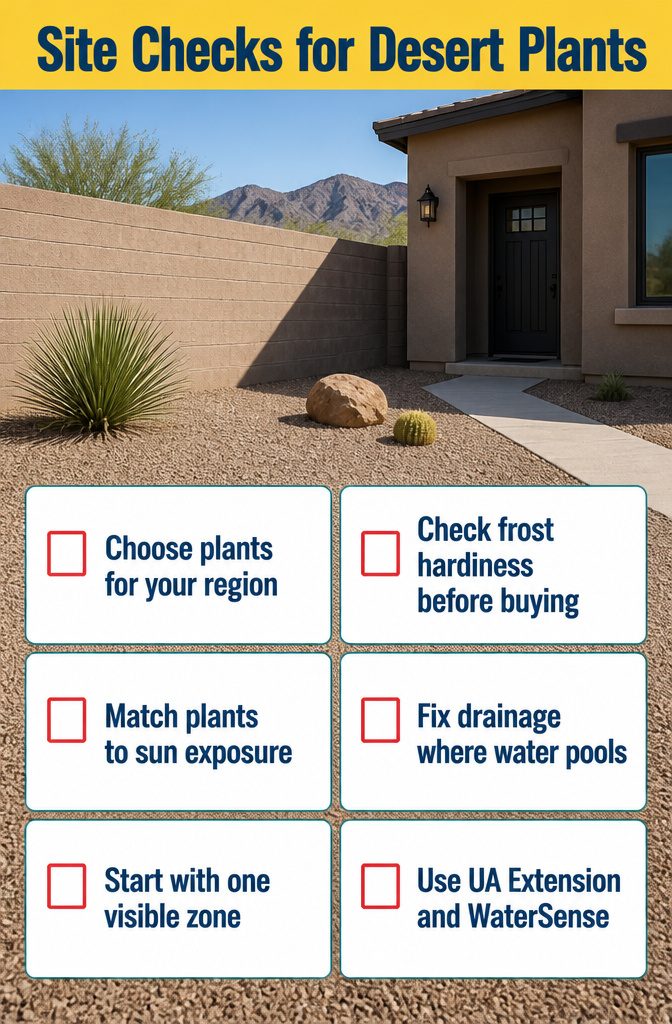
A Phoenix plant list will not automatically work in a high-desert yard, so check these first:
- Elevation and region: Higher ground has colder nights and a different growing season than the low desert. Choose plants listed for your area.
- Winter conditions: Heat tolerance means little if a plant can’t take frost. Check its cold hardiness before buying.
- Sun exposure: A west-facing wall bakes plants, while a north side stays cooler. Place each plant where its light needs fit.
- Soil and drainage: Water that pools after rain rots many desert plants. Fix the grade before you plant.
University of Arizona Cooperative Extension publishes regional plant guidance, and EPA WaterSense covers water-efficient landscape design.
Start with one visible zone, such as the strip by the street or the area around your front door. Expand once you see what survives.
Watering and Upkeep
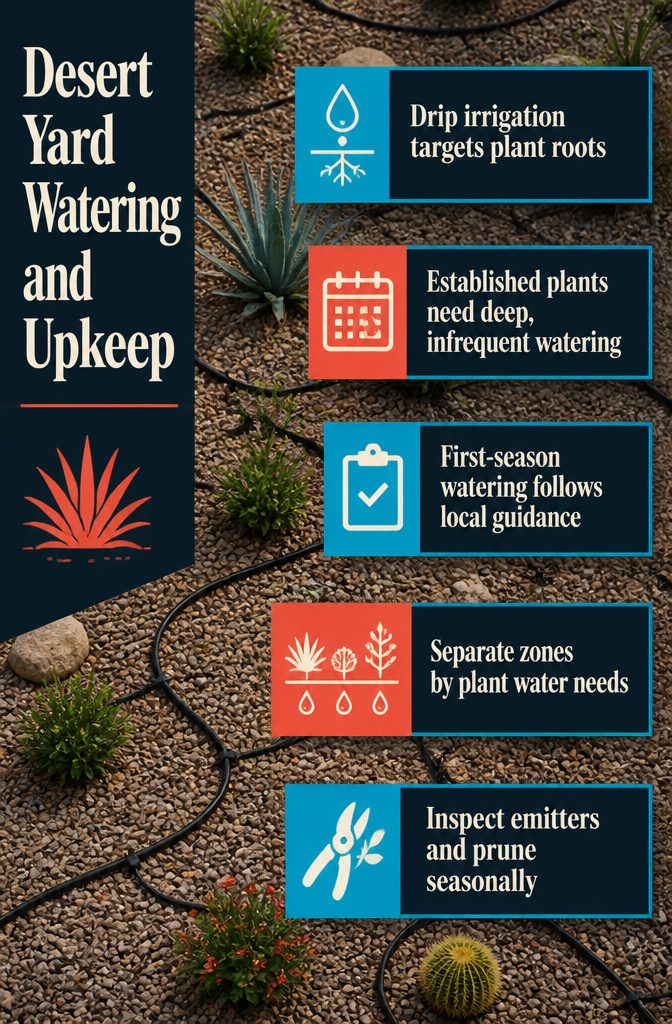
Established desert plants need far less water than a lawn, but the setup and routine still matter.
- Use drip irrigation. It delivers water to the roots, while sprinklers lose much of theirs to sun and wind.
- Water deeply and infrequently once plants are established. For the first season, follow your local establishment guidance.
- Group plants by water need on separate zones. Thirsty plants on the same zone as agave defeat the point of a gravel yard.
- Spread rock mulch or decomposed granite around plants to slow evaporation and weeds. Don’t pave the whole yard with it.
- Check emitters and the controller each season, and set each zone for its plants.
- Prune seasonally and pull weeds as they appear. Gravel alone doesn’t make a yard low-maintenance.
Frequently Asked Questions
Is desert landscaping low maintenance?
Mostly yes once the plants are established, but covering the yard in gravel is not enough on its own.
Plants, drainage, and irrigation still decide how much work the yard needs. Plan on seasonal pruning, pulling weeds as they appear, and checking emitters and the controller each season.
What are the best plants for a desert front yard?
The best plants are the ones suited to your region’s climate and soil.
Agave, yucca, cacti, succulents, and native drought-tolerant shrubs are the usual choices. In Santa Fe, penstemon, blue grama grass, and agave do well, while Sonoran and Chihuahuan yards lean on brittlebush, creosote, desert marigold, and globe mallow.
Do desert landscapes need watering, and how often?
Yes, but far less than a lawn. New plants need regular watering until their roots establish, and drip irrigation is the standard way to deliver it.
After that, water deeply and infrequently: about every 2–3 weeks in summer for succulents, and every week or 2 in the hottest months for flowering plants. Put plants with different water needs on separate zones.
What is the best mulch for a desert front yard?
Decomposed granite, pea gravel, and other rock mulch work best, spread 2–3 inches deep.
Keep the rock back from plant crowns, since dark stone reflects heat onto nearby leaves. Around cacti, use rock rather than organic mulch, which holds moisture against the stems.
Can desert landscaping increase property value?
A well-designed desert front yard can improve curb appeal and make a home more attractive to buyers, especially in hot, dry regions where low-maintenance, water-efficient yards are in demand.
No set dollar return exists for desert landscaping, so count on better curb appeal rather than a guaranteed gain in value.
What is the cheapest way to landscape a desert front yard?
Improve one visible zone first, such as the strip by the street or the area around the front door, and keep any walkway or patio that is sound and well placed.
Replacing a good path just for symmetry uses up budget without improving the yard. If you do need a path, build the direct route to the door first, and compare local quotes for the same scope of work.
How much does desert front yard landscaping cost?
No single price fits every lot.
Site size, removal of the existing yard, grading, drainage, irrigation, delivery access, plant size, and local labor all drive the total. Measure the work, collect itemized local bids for the same scope, and budget for groundwork before decorative extras.
What works in a small desert front yard?
Use one focal plant with a few compact companions, and keep a direct path to the door.
A compact agave such as ‘Blue Glow’ suits a small space. Add a few low succulents and limit the gravel to one color.
Can a desert front yard still have color?
Yes. Desert marigold, penstemon, globe mallow, Mexican bird of paradise, and desert willow flower for months on little water.
Plant them in sweeps near the street and entry, group them by water need, and use silver-leafed Texas sage or artemisia to make the blooms stand out. Foliage and stone add color too.