Ideas here range from raising your mower height to building a patio, and the right one removes the chore you like least.
Most trade a bigger first bill for fewer hours: hardscape costs more up front than lawn, and groundcovers need weeding until they fill in. A Nevada study found xeriscaping cut water bills 50%.
1. Choose Native Plants
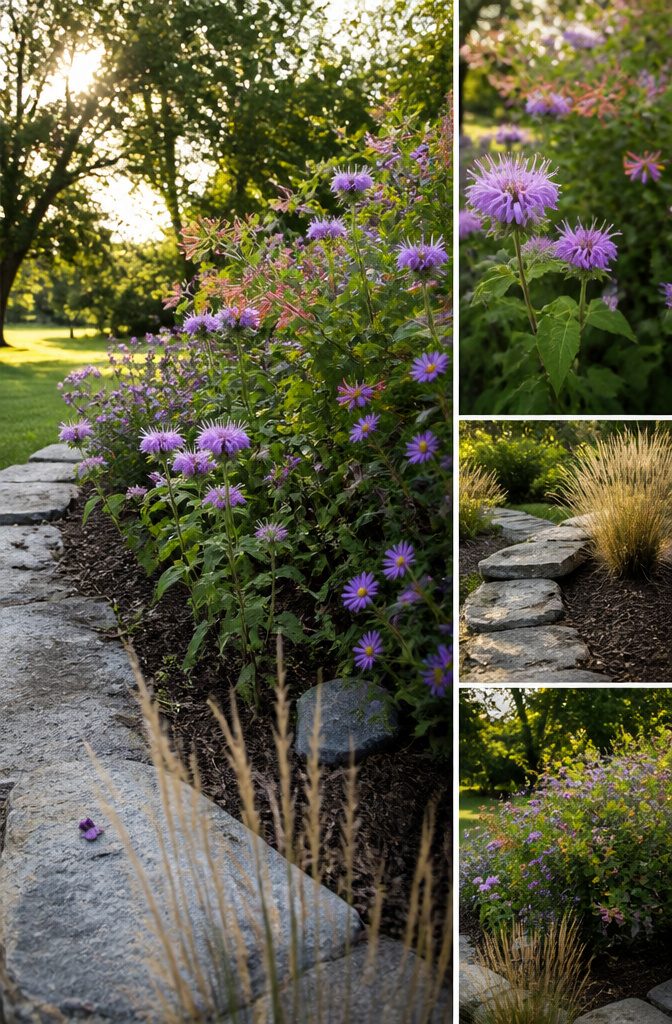
Plants adapted to your soil and rainfall usually need less water, and their deeper root systems improve the soil around them. They also tend to resist local pests and give bees and butterflies a place to land.
In full sun, wild bergamot, trumpet honeysuckle, and New England aster add color with little upkeep.
In shade, plant great blue lobelia, eastern columbine, or Canada anemone. This list comes from upstate New York, so check each plant’s tag for your USDA zone before buying.
Not all six suit every region. A native from your own area will outperform a plant that struggles to survive there, and it costs you less in water and fertilizer.
Recommended Products

PREMIUM WILDFLOWER SEED MIX: Contains 24 prairie wildflower varieties; High germination rate with non-GMO USA-sourced seeds; Perfect for midwest regions including Indiana, Missouri, Michigan, and Pennsylvania; Creates stunning flower mix for all gardens


2. Groundcovers in Place of Lawn
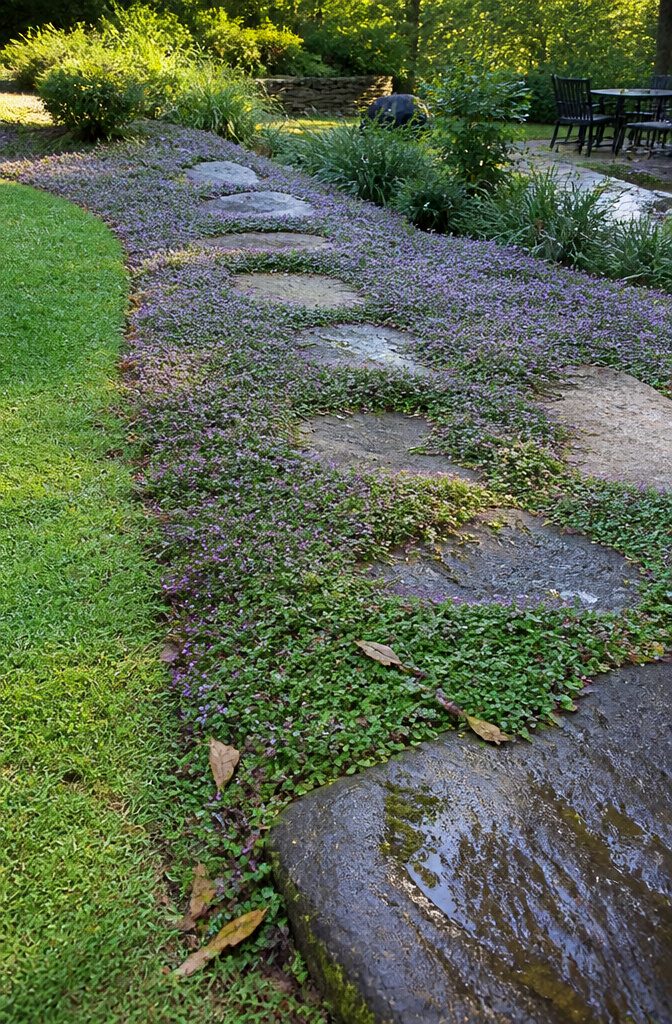
Lawn is one of the most high-maintenance parts of a yard, so shrinking it saves the most work.
Start with shade, slopes, and awkward corners where grass struggles. Replacing those patches with planting beds, stone, or a patio cuts mowing and care at once.
For the planted areas, creeping phlox, creeping thyme, and creeping juniper hug the ground and are typically evergreen. Pachysandra and sedum cut down on mowing and mulching.
Rock cotoneaster is a spreading shrub with red berries. Mondo Grass looks most like turf, is hardy and easy to grow, and has small purple summer flowers.
Expect to weed. Groundcovers need regular weeding until they fill in, and once they knit together they help keep weeds out.
Recommended Products

READY TO PLANT: Includes 3 Woolly Thyme (Thymus pseudolanuginosus) starter plants in 2.5” cubes. Each plant is well-rooted and ready to thrive. Natural variations in size, color, or seasonal appearance may occur.


LOW-GROWING CREEPING THYME GROUND COVER: Purple Creeping Thyme creates a dense, low-growing ground cover with attractive foliage and seasonal blooms. Suitable for garden borders, pathways, landscape beds, and other decorative outdoor planting areas.
3. Perennials Over Annuals
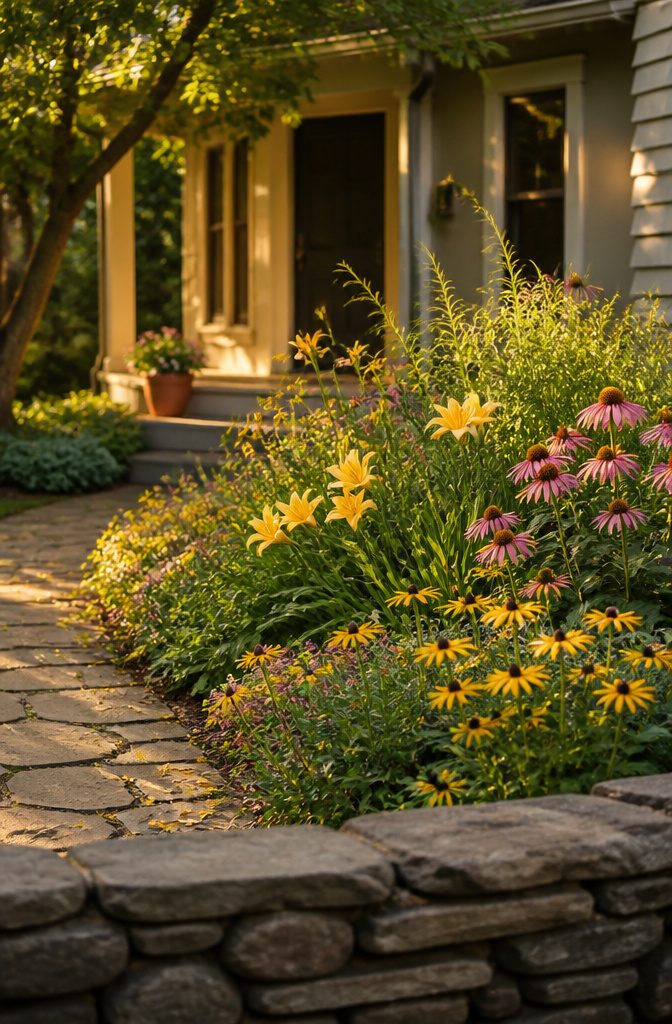
Annuals die at the end of the season, so every spring means buying flats, digging holes, and watering new plants in.
Perennials skip that cycle: you plant them once and they return each year, so your yearly plant budget shrinks to the occasional gap fill.
Coneflowers, daylilies, and black-eyed Susans are the low-care picks. Choose varieties with different bloom times so color overlaps across the season instead of arriving in one burst.
Perennials bloom for a shorter window than many annuals. If you want steady color in one high-traffic spot, like by the front door, keep a single pot of annuals there and let perennials carry the rest of the bed.
Recommended Products

PREMIUM DROUGHT TOLERANT WILDFLOWER MIX: A carefully curated blend of hardy wildflowers selected to thrive in hot, dry, and low-water conditions. Suitable for xeriscaping, water-wise gardens, low-water landscapes, and challenging growing environments across the continental USA

🌵 23 Heirloom Varieties – Annuals + Perennials: A curated mix of 23 drought‑tolerant species. Annuals provide fast first‑season color, while perennials return year after year – creating a low‑water wildflower meadow that thrives on neglect.

4. Hardscape Paths and Patios
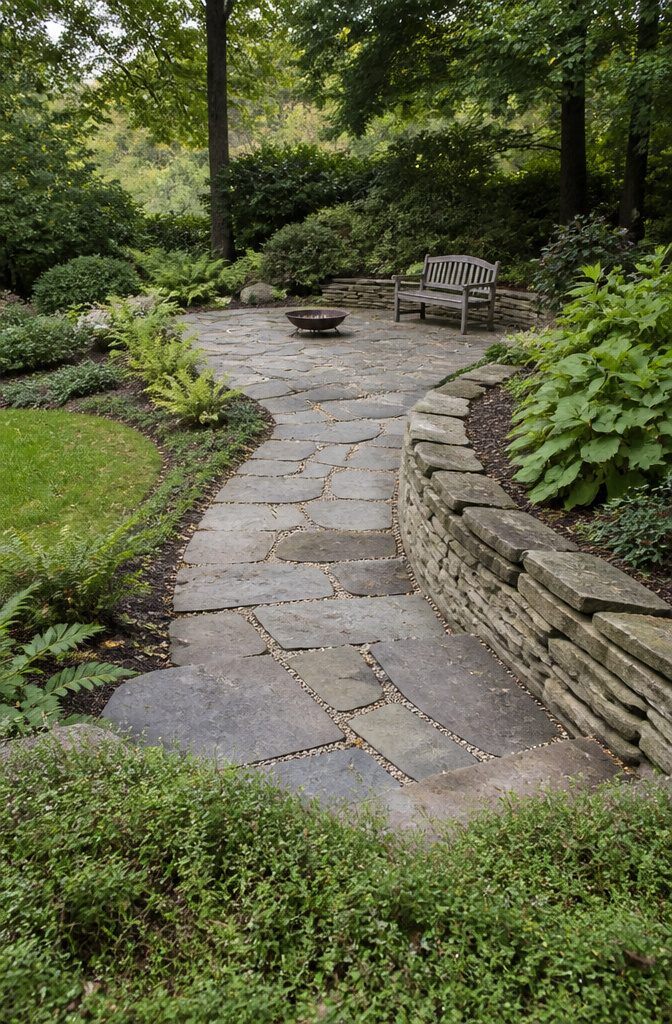
Every square foot of path or patio is a square foot you never mow, water, or prune.
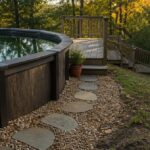
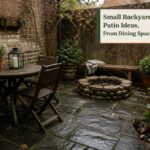
Paths of flagstone, gravel, or pebbles keep feet off the plants and still look natural underfoot. A patio gives you a place to sit and eat outside, and a firepit adds one more spot to enjoy without upkeep.
For surfaces that avoid runoff, choose pea stone, pavers, or shale.
Pavers and natural stone are the durable picks that need little care once they’re down. On a slope, build retaining walls from interlocking concrete blocks, stacked stone, or timbers.
Hardscape costs more up front than a lawn or a planting bed. Pay it once and you trade a bigger first bill for fewer hours of mowing, watering, and pruning every season after.
Recommended Products

UNIQUE OUTDOOR WALKWAY SOLUTION: Elevate your garden, lawn, or backyard with BIRDROCK HOME Rubber Stepping Stones. These durable pavers create a functional and stylish walkway, enhancing your landscape while providing a solid and reliable surface to walk on.

HEAVY-DUTY INTERLOCKING PAVER SYSTEM: Strol's reinforced honeycomb cell structure locks gravel securely, supporting up to 600,000kg/m (122,889.6 lbs/f) for driveways, walkways, patios, and erosion-prone areas

Decorative beautification effect: using unique natural pebbles, can be freely spliced and combined to create a personalized patio path or pattern. It can also be separated into single pieces and flexibly embellished in various parts of the yard, adding natural wild fun. It is a unique and practical decorative element for lawn and garden
5. Low-Pruning Shrubs
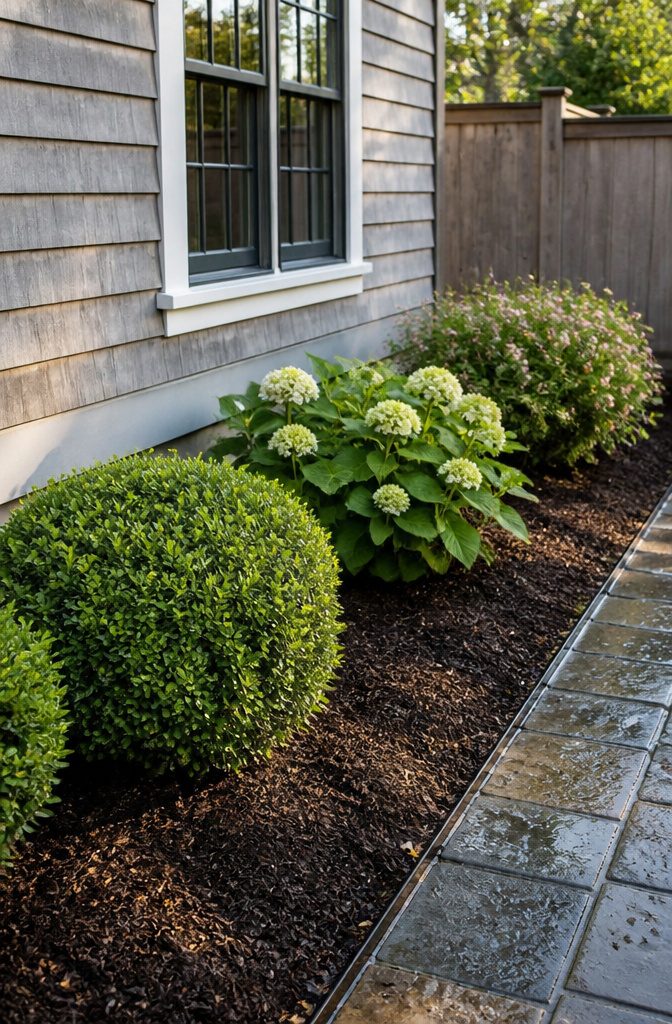
Shrubs that stay small on their own need the least trimming. Boxwoods, dwarf hydrangeas, and spirea are slow-growing or naturally compact, so they hold a tidy shape and give you curb appeal without frequent shearing.
Mature size matters more than the species name. A shrub planted where it will outgrow its spot gets cut back every season, and that is the chore you’re trying to skip.
Before you buy, read the plant tag and check the mature height and width, not the size of the pot at the nursery.
Then measure the gap you’re filling, whether it’s beside a walkway, under a window, or along a fence, and pick the shrub that fits it without help from pruners.
Recommended Products

LOW MAINTENANCE STRAWBERRY CLOVER SEEDS FOR LAWNS: O.M. Scott & Sons Strawberry Clover Seed is crafted with premium strawberry clover which grows a naturally low-maintenance green space with small, pink flowers

LARGE 5G ENVELOPE: Embark on a wildflower journey with our generous 5g envelope, bursting with over 2,500 pure live seeds! Transform 20 square feet into a vibrant haven for nature.

VIBRANT SUMMER & FALL BLOOMS: Our Gazania flower seeds produce large daisy-like, vibrant blooms in bright yellow to orange, red, pink and white color, blooming from early summer through fall. These hardy perennial flowering plants grow in USDA Zones 8-11 up to 8 - 10 inches tall and spreads up to 10 inches wide providing long-lasting ground cover flowers that return yearly.
6. Rock, Stone, and Gravel
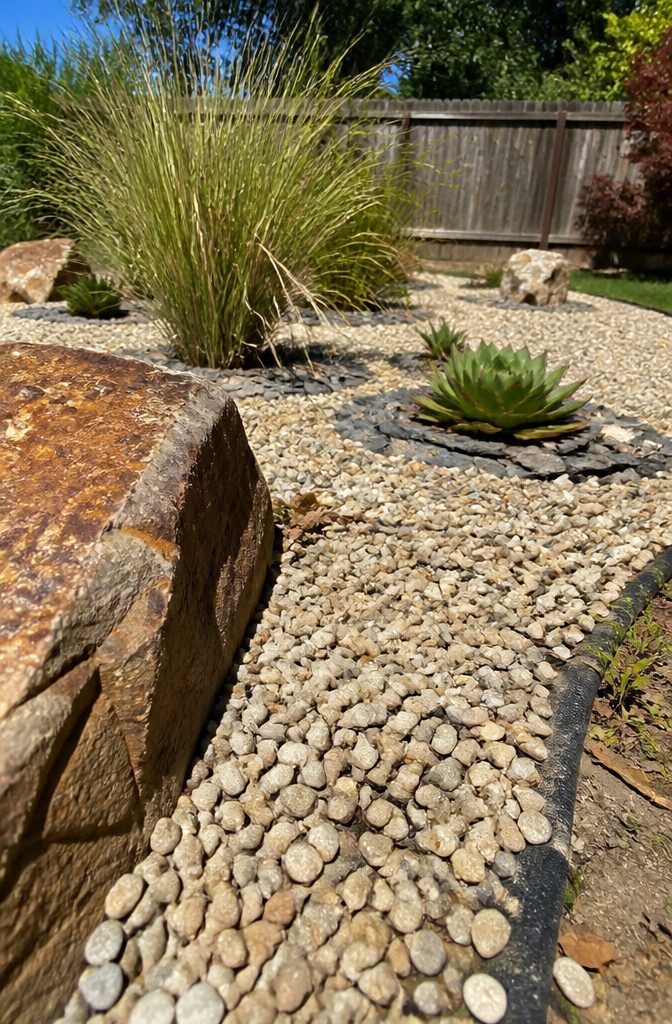
Mulch and pine straw need replacing every spring, which means hauling, spreading, and paying for it all over again. Stone skips that cycle.
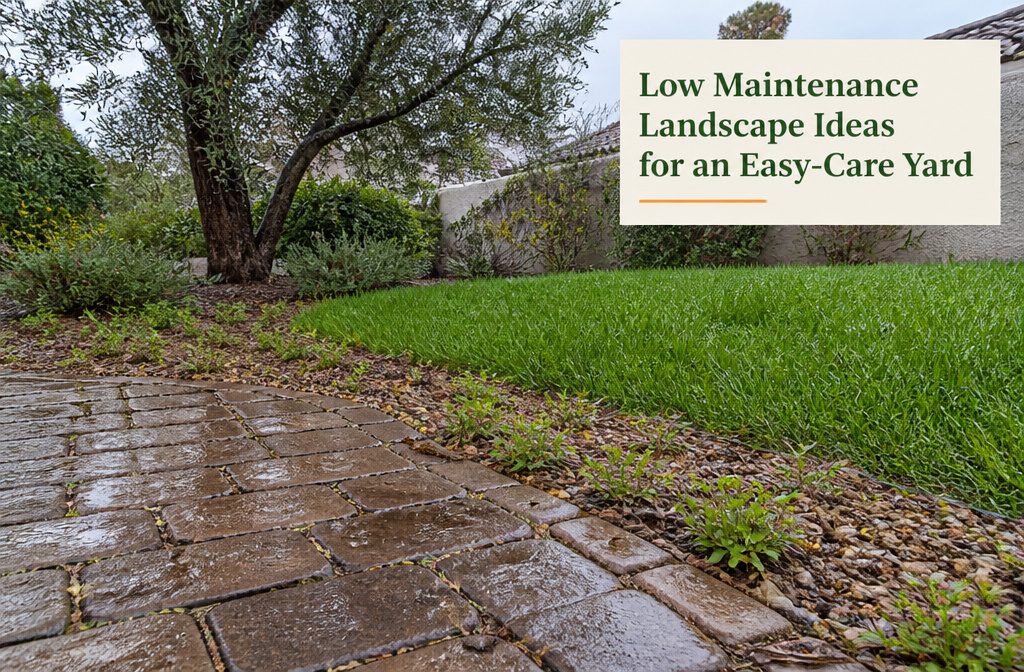
Pea stone and shale both stay put for years, and they suit drier, drought-tolerant plantings where you want a crisp, modern look. In beds that don’t need color year-round, lay weed barrier fabric first and top it with decorative stone.
Stone has limits. It holds heat, so keep it away from tender or thirsty plants and use it around sun-lovers that handle dry spells.
Weeds still sprout through it, since seed and debris settle on top of the fabric and root there. Pull them while they’re small.
Recommended Products

🌼 “American Meadow Magic” Wildflower Seed Mix: Our signature PlantMe blend features 25 diverse wildflower varieties, specially curated to create a stunning, natural meadow right in your own backyard. Experience the magic of a flourishing, colorful ecosystem.

NATIVE BEAUTY – New England Aster, Smooth Blue Aster, Purple Coneflower, Narrow-Leaved Coneflower, Black-Eyed Susan, Dense Blazing Star (Gayfeather), Bee Balm (Wild Bergamot), Lanceleaf and Plains Coreopsis (Tickseed), Showy, Common, and Swamp Milkweed, Purple Prairie Clover, Joe Pye Weed, Spiderwort, Common, Prairie, and Maximilian Sunflowers, Little Bluestem, Switchgrass, Indian Grass, Blue Vervain, Canada Wild Rye, and White Yarrow.

7. Automate Watering
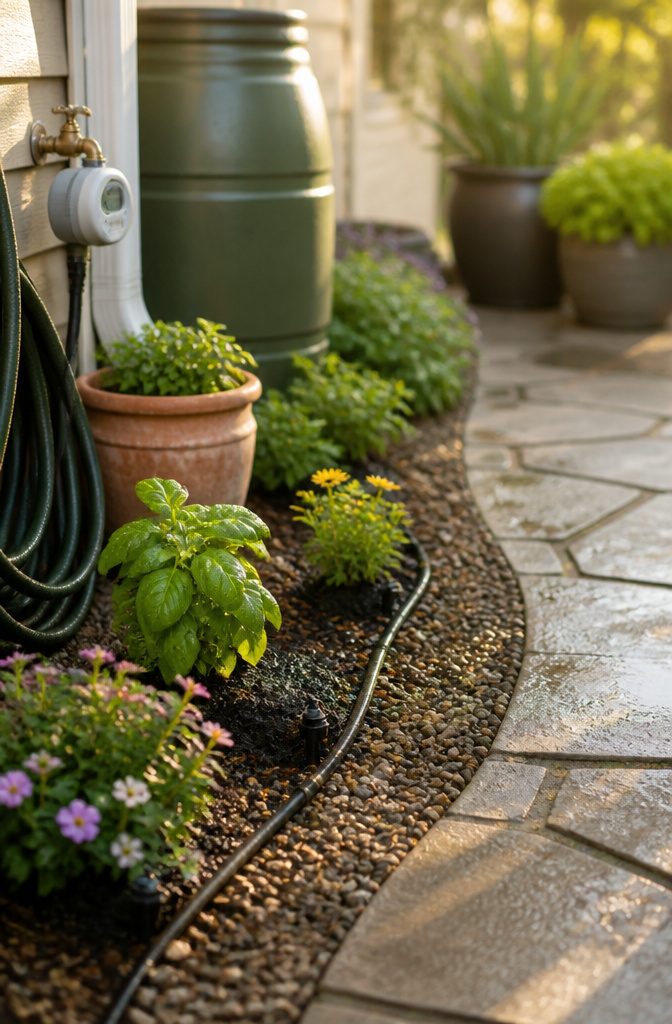
Drip irrigation on a timer suits a small yard, patio or balcony best. It puts water at each plant’s roots and runs on a schedule, so you never stand at the spigot.
Soaker hoses cost less and work well along one bed or a row of shrubs, but they water their whole length whether or not every plant needs it. Manual sprinklers are the cheapest, and they keep the chore on you.
Multi-zone automated sprinklers make sense once you have lawn plus beds, because each zone gets its own run time. Your plants, the size of the area and your local climate set how much water you need.
A full system is pricey up front, but it can save time and lower your water bill. A rain barrel under a downspout is a low-cost way to add gutter water.
Recommended Products

62,000+ Seeds for Larger Areas: This generous pack of red creeping thyme seeds provides plenty for larger planting areas, multiple garden spaces, and reseeding

🌼 Brilliant Golden Blooms – Produces masses of vibrant yellow flowers that create a stunning carpet of color in spring and early summer.

READY TO PLANT: Includes 12 Woolly Thyme (Thymus pseudolanuginosus) starter plants in 2.5” cubes. Each plant is well-rooted and ready to thrive. Natural variations in size, color, or seasonal appearance may occur.
8. Mulch Where It Counts
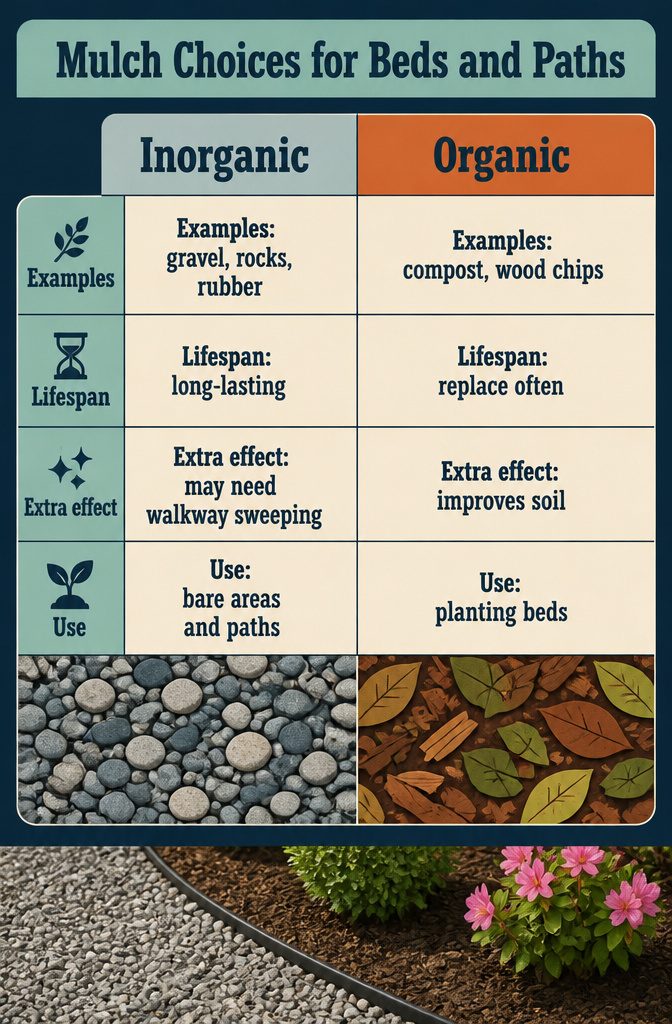
Mulch suppresses weeds, holds moisture in the soil and, in some forms, improves it. The two kinds differ mainly in how often you redo them.
| Type | Examples | Lifespan | Notes |
|---|---|---|---|
| Inorganic | Gravel, rocks, pebbles, shredded rubber | Long-lasting | May need sweeping off walkways |
| Organic | Compost, wood chips | Replace often | Improves soil and supports plant growth |
| Organic | Eucalyptus or cedar | Replace often | Helps repel pests |
| Organic | Pine needles, shredded bark | Replace often; pine straw every spring | Suits acid-loving plants such as azaleas and blueberries |
Use gravel or rock in bare areas and along paths, where nothing needs feeding and you want to stop re-mulching. Keep organic mulch for planting beds, and expect to top it up.
Recommended Products


Vibrant Blooms for Natural Gardens: Cultivate stunning clusters of vivid flowers with these 80 Gromwell seeds. This hardy perennial adds a beautiful splash of deep color to rock gardens, borders, and wildflower meadows.

9. Permanent Edging
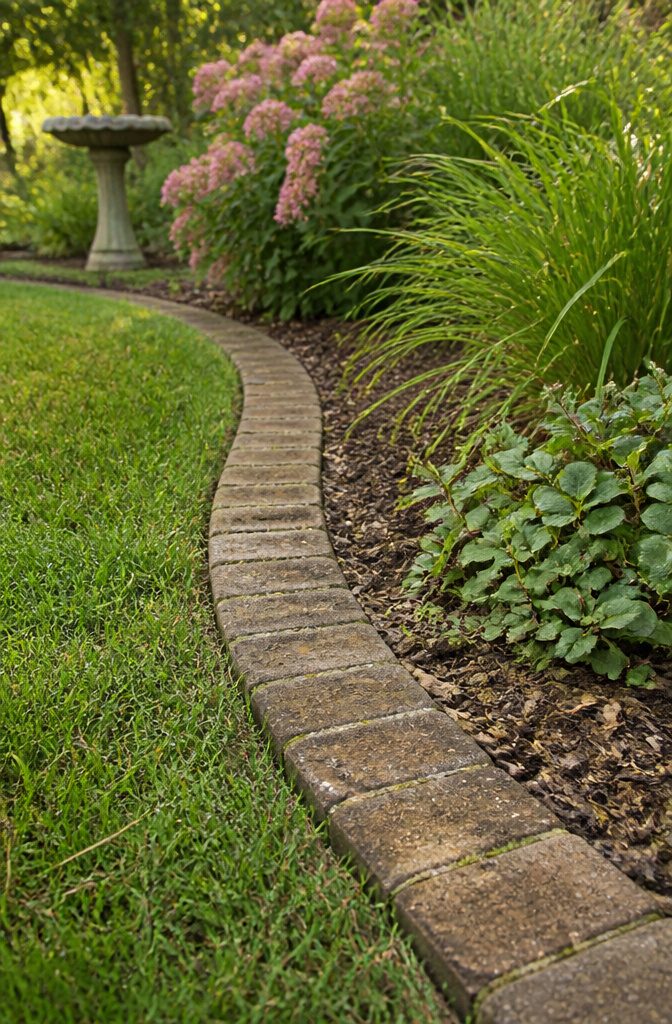
A hard edge holds the line between lawn and bed where you set it, so you stop recutting it every few weeks. Pavers, bricks, and rocks all work, as do strips of steel, aluminum, or plastic.
Any of them costs more up front than a spade-cut line, but a hard edge goes in once and does not need redoing. That is the reason to pay for it.
If you want something living instead, plant monkey grass or liriope along the bed.
The clumps give the border more visual interest than a strip of metal or plastic, and you can trim them back each spring or let them grow.
Recommended Products


【Natural River Stone】Our stepping stones, made from river rocks, are naturally stunning. Each stone, crafted from genuine river stones, retains its natural texture to highlight its intrinsic beauty. With their unique natural colors, they can create an eye-catching garden path for your patio.

HEAVY-DUTY, DURABLE CONSTRUCTION : Our permeable pavers each piece measures 41 x 41 x 2.5 centimeters (16x16x1inch) and is made of thick, high-strength plastic mesh that can withstand vehicular traffic without deformation, ensuring the long-term durability of your permeable paving system
10. Low-Maintenance Lighting
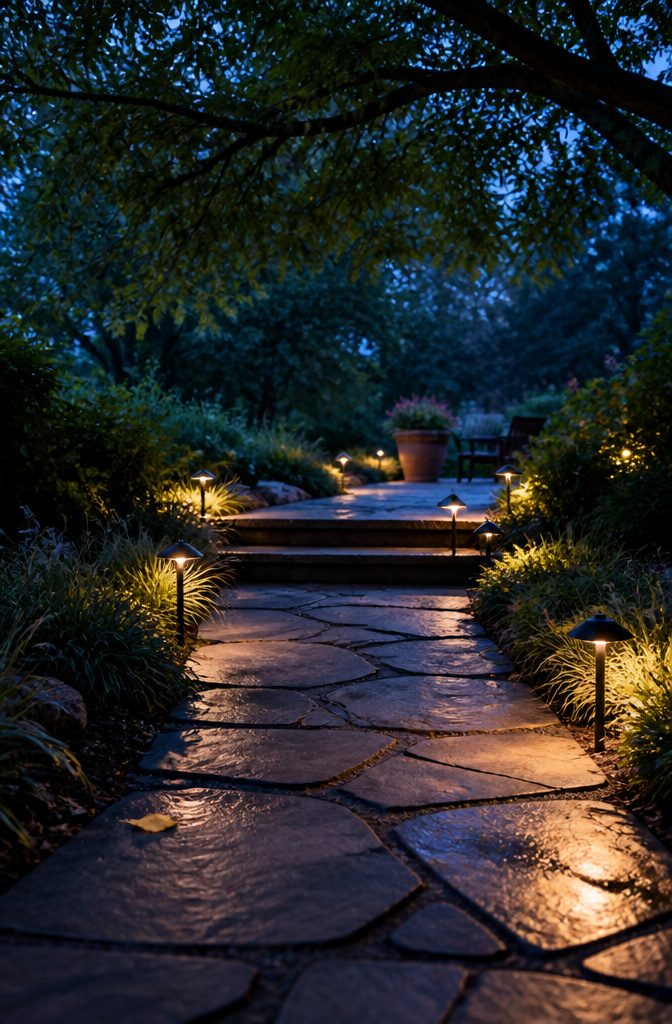
LED landscape lighting adds beauty and safety without the upkeep headaches of fixtures you have to keep tending.
Spend on paths and steps, where a missed edge causes a fall. A spotlight on one shrub looks nice but rarely earns its cost.
Automation makes it hands-off.
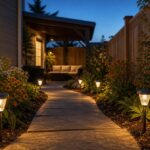
Many systems run on a timer, so the lights come on and shut off without you touching a switch. Solar fixtures skip wiring entirely, which suits a balcony, a patio corner, or a rental where you can’t run cable.
Give solar lights direct sun, because a shaded panel leaves them dim by evening. If your path runs under trees, a timer-based system is the better choice.
Recommended Products

ADAPTED FOR SOUTHERN STATES: Our Southeast wild flower seed mix is specially formulated for Alabama, Arkansas, northern Florida, Georgia, Louisiana, Mississippi, North Carolina, eastern Oklahoma, Tennessee, eastern Texas, and South Carolina. This tailored blend ensures optimal growth and beauty in these specific climates.
ADAPTED FOR SOUTHERN STATES: Our Southeast wild flower seed mix is specially formulated for Alabama, Arkansas, northern Florida, Georgia, Louisiana, Mississippi, North Carolina, eastern Oklahoma, Tennessee, eastern Texas, and South Carolina. This tailored blend ensures optimal growth and beauty in these specific climates.

19 Native Perennial Wildflower Seeds - This premium perennial wildflower seed mix features Bergamot, Black-Eyed Susan, Purple Coneflower, Gayfeather, Blanketflower, Lewis Flax, Columbine, and more. Native flower seeds that strengthen each season.
11. Artificial Grass
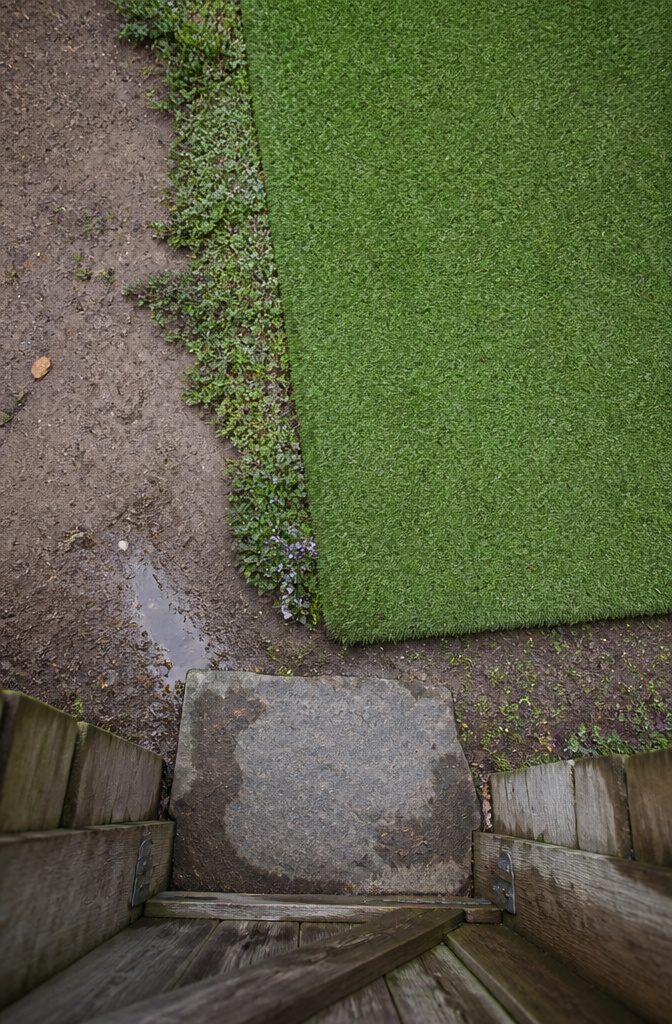
Artificial grass makes sense only where real grass keeps failing: a dog run worn to bare dirt, a path that takes constant foot traffic, or a low spot that stays soggy after rain.
In those places it needs no mowing, no watering and no reseeding, and it stays green through dry spells.
The cost is the ground itself.
Turf covers living soil and gives insects and birds nothing to eat or shelter in, which cuts against a yard meant to support local wildlife. It also gets hot in full sun.
Everywhere else, a native groundcover is the better choice.
It handles light traffic, feeds pollinators, and needs little water once established. Limit turf to the one patch where nothing living will grow.
Check Sun, Shade, and Drainage
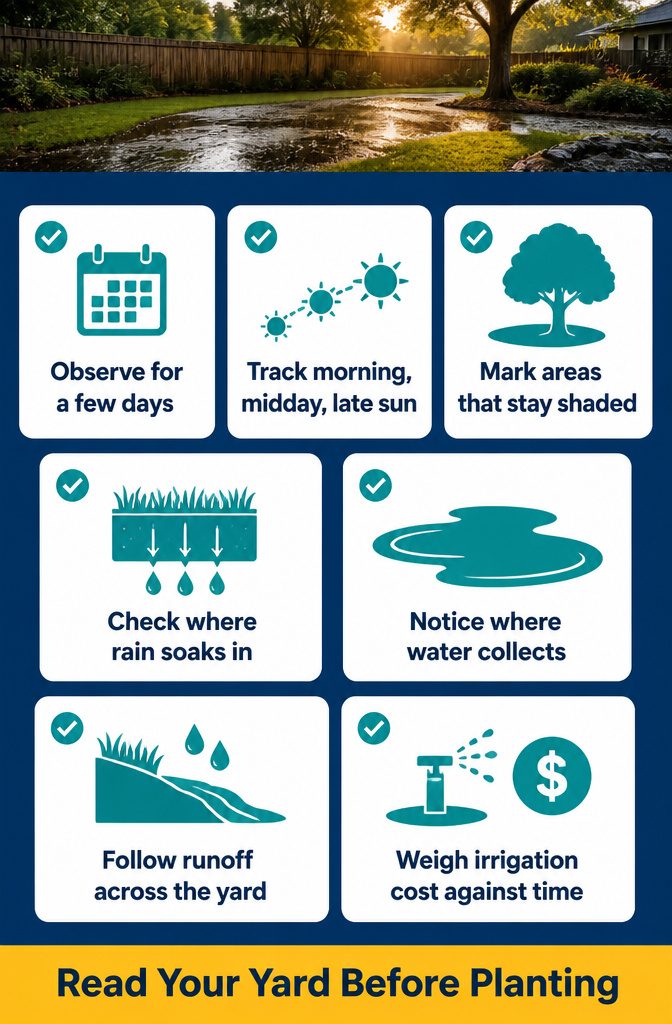
Watch the yard for a few days before you buy any plants or equipment. Look for these:
- Sun and shade: Note which areas get sun in the morning, at midday, and in the late afternoon, and which stay shaded.
- Drainage: After a rain, see where water soaks in and where it sits.
- Storm runoff: Track where rainwater travels across the yard and where it collects.
- Hand watering or irrigation: A system costs a lot up front, but it saves time and effort, protects lawns and shrubs from burning in dry spells, and may lower your water bill over time.
Irrigation needs depend on the plants you choose, the size of the area, and your local climate. A small bed may not justify a system at all.
Xeriscaping Cuts Water Bills 50%
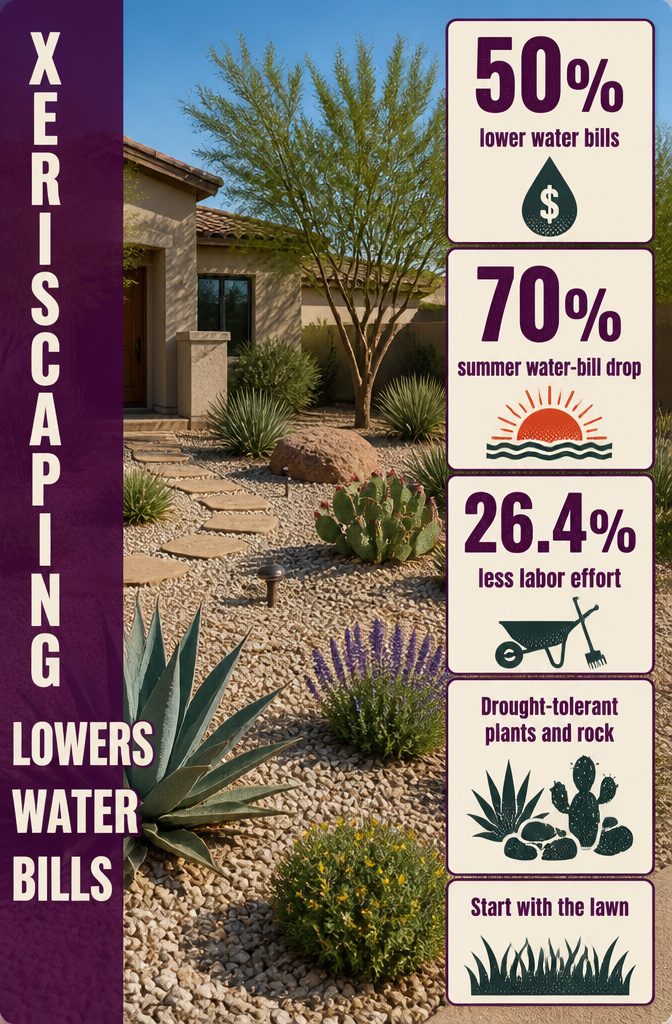
Xeriscaping means designing a yard to reduce or eliminate irrigation, using drought-tolerant plants and rock ground cover in place of thirsty turf. A Nevada study measured what that does to a household’s costs:
A Nevada study showed installing xeriscape gardens reduced water bills by 50% (and 70% during the summer).
Summer is when lawns drink the most, so that 70% drop lands when your bill is highest. The same study found participants reduced their labor effort by 26.4%, since the redesigned yards needed less mowing and manicuring.
The principles work outside arid regions too, with fewer weeds and less fertilizing as side benefits. If you change one area first, make it the lawn.
Mowing Height and Clippings
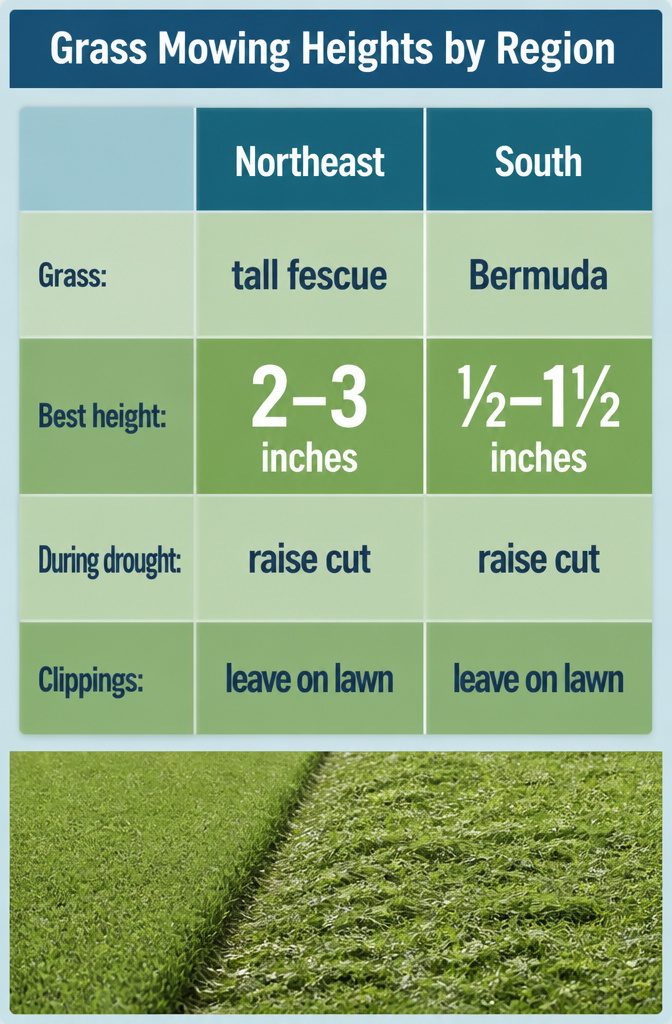
Mow to the height your grass prefers.
The right cut helps root development and deters weeds. Fescue and ryegrass do well in the Northeast, while Bermuda and centipedegrass are the better fit in the South.
| Grass | Region | Best mowing height |
|---|---|---|
| Tall fescue | Northeast | 2–3 inches |
| Ryegrass | Northeast | n/a |
| Bermuda | South | ½ inch to 1½ inches |
| Centipedegrass | South | n/a |
Raise the cutting height during drought, and leave the clippings where they fall. They feed the lawn as natural fertilizer and help the grass hold moisture, so you can also skip bagging.