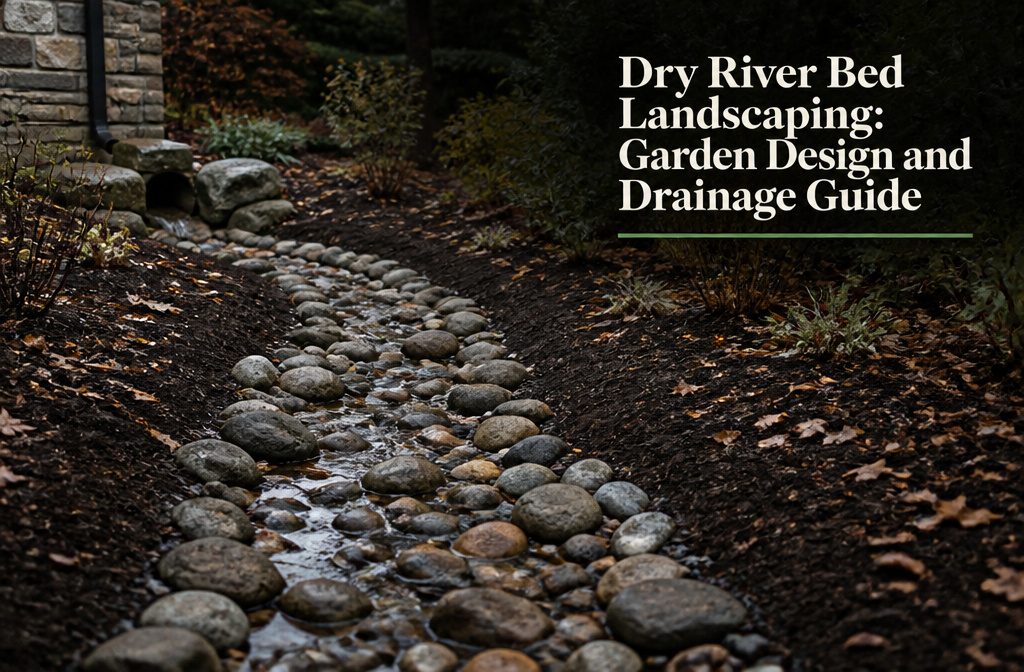
A dry river bed is a shallow, stone-lined channel that carries runoff in heavy rain or snowmelt and sits dry the rest of the time.
It handles moderate runoff only; severe drainage needs a French drain or rain garden alongside it. Dig it 12–18 inches deep, twice as wide as deep, with the outlet aimed away from the foundation.
Contrasting Stones and Textures
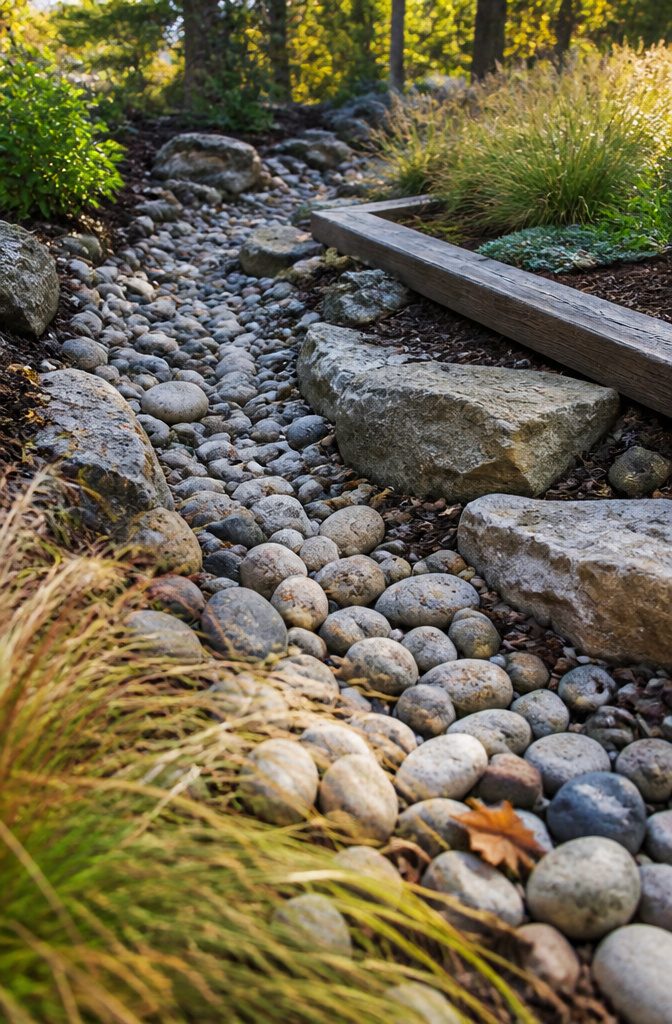
River cobble should make up most of the bed: rounded, smooth stones that look water-worn.
Add boulders as larger accent stones along the edges and at bends, where they mark eddies, and use pea gravel to fill gaps and cover the landscape fabric. Mix smooth cobble with some angular stones.
A bed of one rounded shape looks poured from a bag, while a range of sizes, colors, and textures looks like a real channel. Large angular rocks and small pebbles both show up in good designs.
Set each large rock partly into the soil instead of resting it on top, so it looks as if floodwater left it there years ago. Local stone usually costs less and matches the regional geology.
Recommended Products
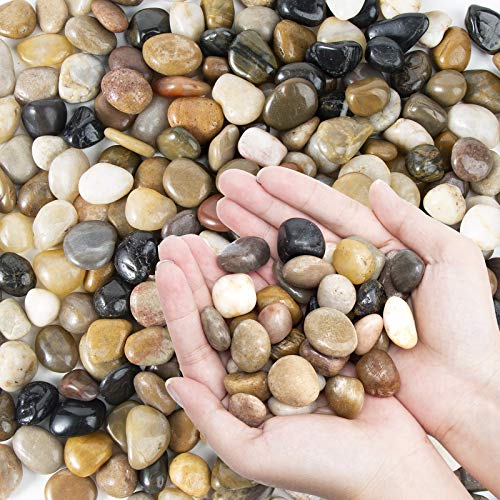
Natural Stones: This river rocks are natural lightly polished for smooth effect, comes in a variety of natural colors, Resists fading for long-lasting beauty. The color of this river rock is natural so it may include a variety of different shades of browns, whites and black rocks. (rocks are natural and as a result some may be broken or out of shape, oval or round, thick or thin.

【Natural Decorative Stones】 VIREKM Decorative Stones are natural lightly polished for smooth effect, comes in a variety of natural colors,Resists fading for long-lasting beauty. The color of this Outdoor/indoor Decorative Stones is natural so it may include a variety of different shades of browns, whites and black rocks.if you need to put it in a fishtank, first wash the wax off the surface with hot soapy water or detergent, then rinse with clean water.

LOCKS ROCK IN PLACE - STOPS SCATTERING & WASHOUTS - Tired of gravel blowing into your lawn, driveway, or flower beds? DOMINATOR Rock Anchor bonds decorative stone together for a solid, stable surface that resists wind, rain, pets, kids, leaf blowers, and heavy weather.
A Simple Natural Rock Path
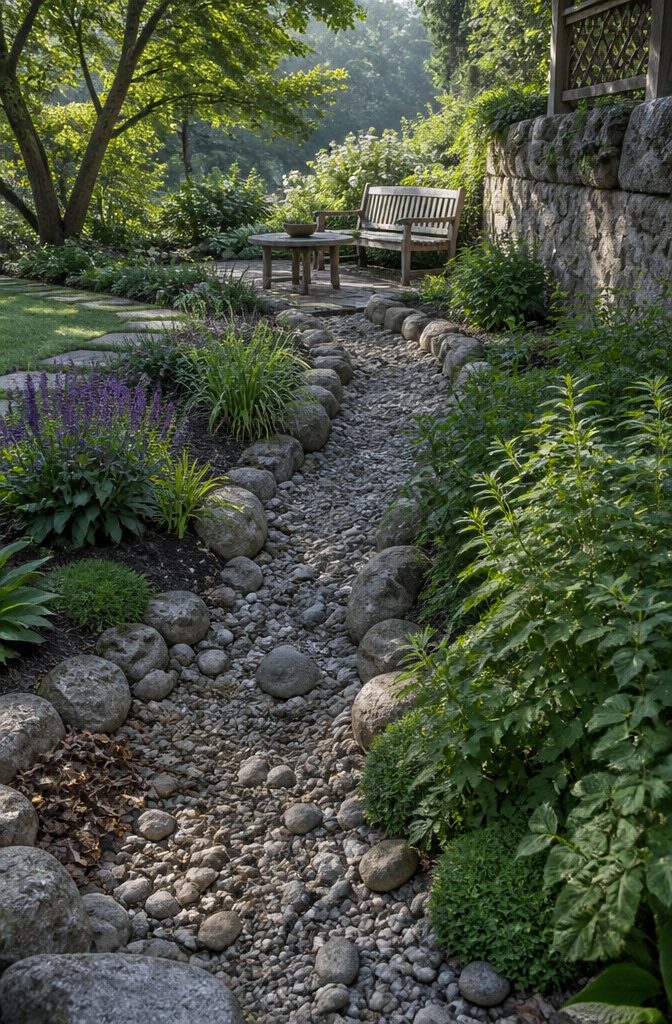
The simplest dry river bed is a shallow, concave channel lined with larger stones and planted along its banks.
Skip the extras. One or two stone types, with a few bigger rocks breaking up the line, will read as a creek instead of a landscaping feature.
The bed stays dry most of the time and carries water only in heavy rain or snowmelt. You will also see it called a dry stream bed, dry river bed or arroyo; they all describe the same stone-lined channel.
Point the route toward a seat, such as a bench or a small patio table. Lush plants beside the rocks soften the edges, and you get something to look at while you sit with a drink.
Recommended Products

【10 lbs Pebbles】The size is about 3/8 inch. Total weight of a bag: 10 pounds. The mixed color gravels contains 5 colors: white, red, yellow, gray and apple green. Perfect size for succulent and cactus, as well as any vase or fish tank

Complete Mulch Adhesive with Sprayer Kit (128oz): Start your project immediately with this 2-in-one solution. Unlike buying separate tools, our mulch Adhesive with sprayer set includes 1 Gallon of concentrated formula and a dedicated 1-gallon pump sprayer. Simply dilute with water to treat your yard. This professional rock glue kit delivers a superior bond for pea gravel, rubber mulch, and wood chips. Maximize value and convenience while keeping your landscape materials locked in place with this essential gravel glue set
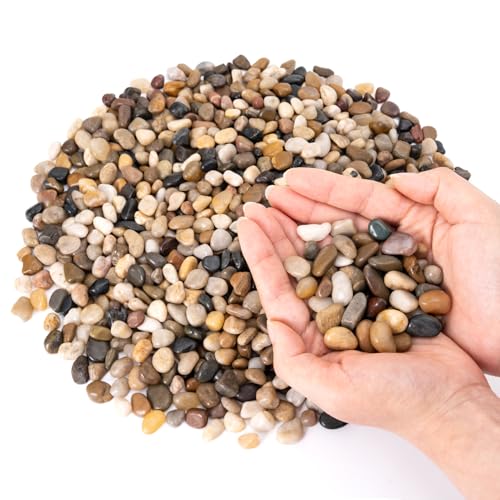
[DURABLE NATURAL MATERIAL] - Crafted from hard natural stone, these fish tank gravel resist fading and cracking, ensuring long-lasting beauty even under harsh sun and rain. Perfect for enhancing your garden paths or outdoor landscaping with a touch of nature's resilience. Ideal for homeowners seeking durability without compromising style.
Pair It With a Walking Path
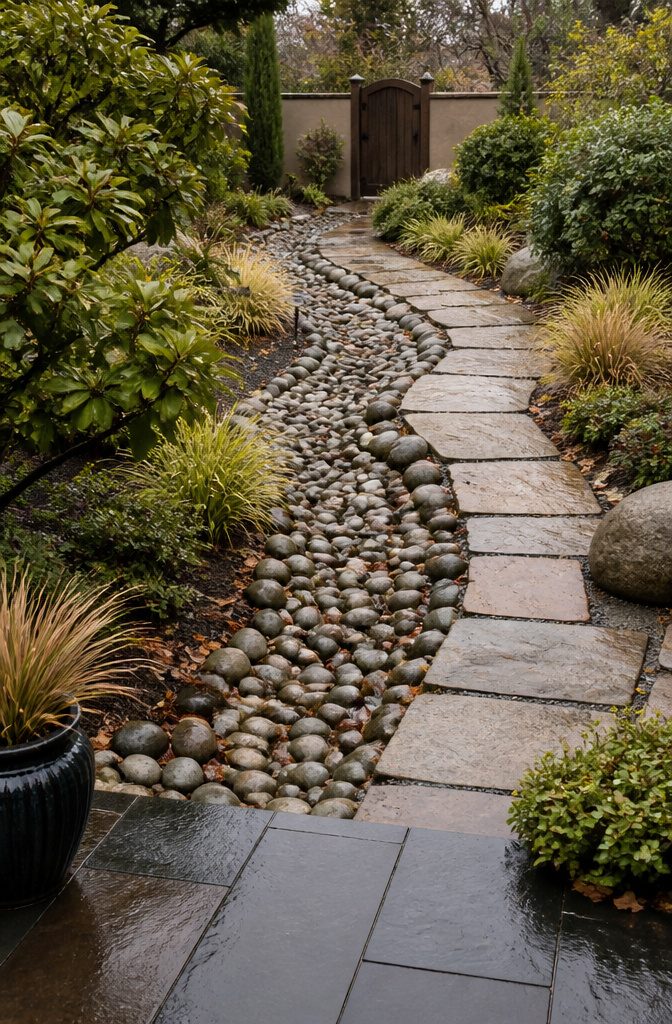
A dry creek bed can double as the route across your yard, so one strip of stone handles runoff and also carries you from the patio to the garden gate.
Run the walk along one bank, or let it follow the bends of the channel, so it reads as part of the design instead of an add-on.
Water and feet share the same space, and that is the cost. Loose, rounded river rock rolls underfoot and shifts when a storm pushes through.
Use flat, stable stone on the walking side, set so it doesn’t rock when you step on it, and keep the loose cobble in the center where the water runs.
Treat the bed as a path only when it’s dry; a channel that’s flowing is not somewhere to walk.
Recommended Products
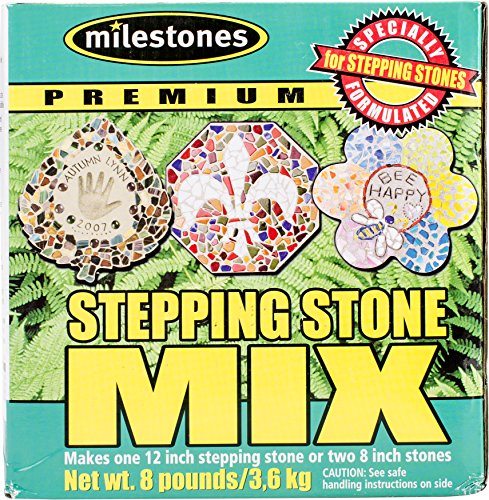
Premium stepping stone mix is a specialized mix of super-fine cement, latex, and curing agents

SmartYeen stepping stones super value pack,include 8-pack high quality balance stones in bright colors,designed for kids coordination play.

Easy to use! Just add water! Create an 8 Inch square mosaic stepping stone
A Bridge or Stepping Stones
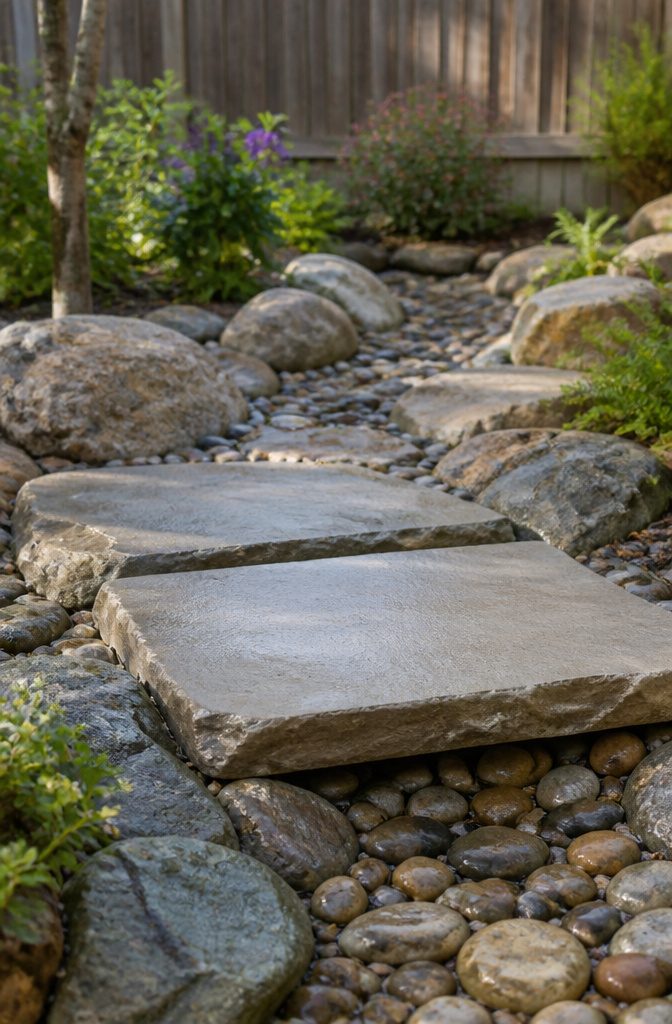
In a small yard, flat stepping stones beat a bridge. A bridge is a built structure that claims floor space and pulls the eye away from the channel, while stones sit low and still give you a real way across.
Pick the crossing spot first, before any small river rock goes into the channel, then tuck the fine rock between the stones.
Ring both ends of the path with large boulders and a few plants so it looks placed, not dropped.
Save a wooden bridge for a longer bed. A wooden backdrop behind the bed can double as a fence, and flowering plants in front break up the plain wood.
Recommended Products

【Various Colors and Sizes】These river stones vary in size, approximately 2-3 inches, and display different colors when dry and wet, presenting a variety of aesthetic beauty.
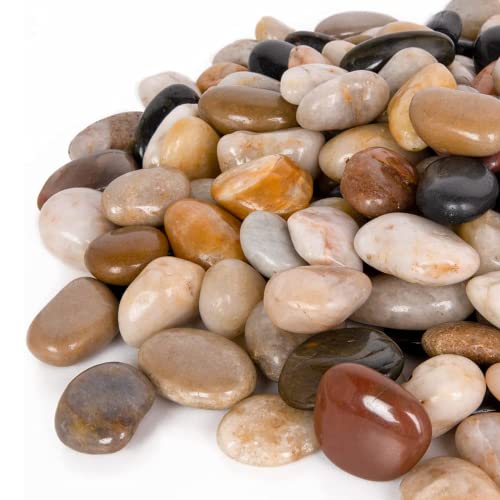
[SAFE & NON-TOXIC MATERIAL] - These river rocks are made from natural river stones, ensuring they are safe and non-toxic. Perfect for aquariums, they provide a beautiful and secure environment for fish and plants. Ideal for any DIY enthusiast looking to enhance their indoor or outdoor space with peace of mind.

【Various Colors and Sizes】These river stones vary in size, approximately 2-3 inches, and display different colors when dry and wet, presenting a variety of aesthetic beauty.
A Two-Tier Garden
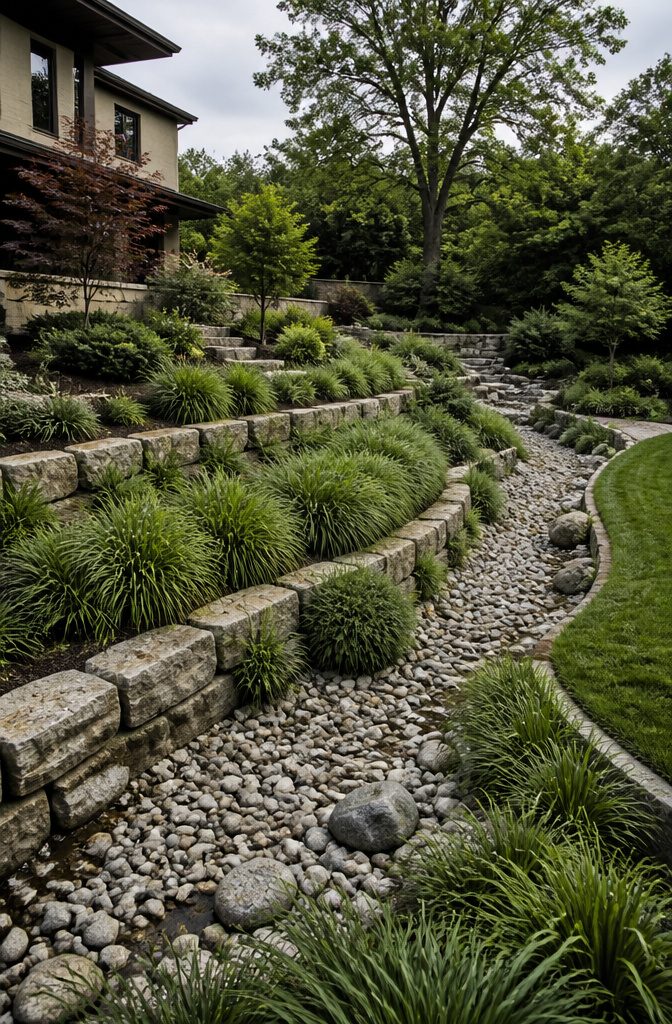
Set the dry creek at the low point of the yard and build the garden up in steps beside it.
Each tier gets a stone border, and the channel runs along the foot of the lowest one, so the bed reads as the base the planting rests on.
Runoff already heads for the low spot, which gives the creek a real job to do.
Use the same stone for the tier borders and the creek bed. Carved stone edging and a channel filled with matching rock look like one design instead of two projects.
Green grasses suit this layout.
Their color makes the stone stand out, and their fine texture keeps the scene simple. Plant them on the upper tiers, where the blades can spill toward the channel below.
Recommended Products

【Versatile Decoration】These gravel are widely used in aquariums, fish tanks, succulent displays, bamboo arrangements, glass jars, vases, and even as sidewalk embellishments. They enhance the beauty of any space.

Natural & Safe Material: Made from genuine natural jade pebbles, polished and coated with food‑grade paraffin wax to enhance color and shine – safe for plant roots and pets, suitable for both indoor and outdoor décor

【All-in-One Kit 】:(1Gallon Rock Glue+1Gallon Sprayer)Comes with landscape rock glue gallon+ a heavy-duty sprayer bundle. This is the ultimate rock glue with sprayer for landscape glue—no more leaks or flimsy bottles. No fuss—Simple as mix, spray, and bond. Effortlessly locks gravel, stones, and pebbles in place
Stone Patterns and Mosaics
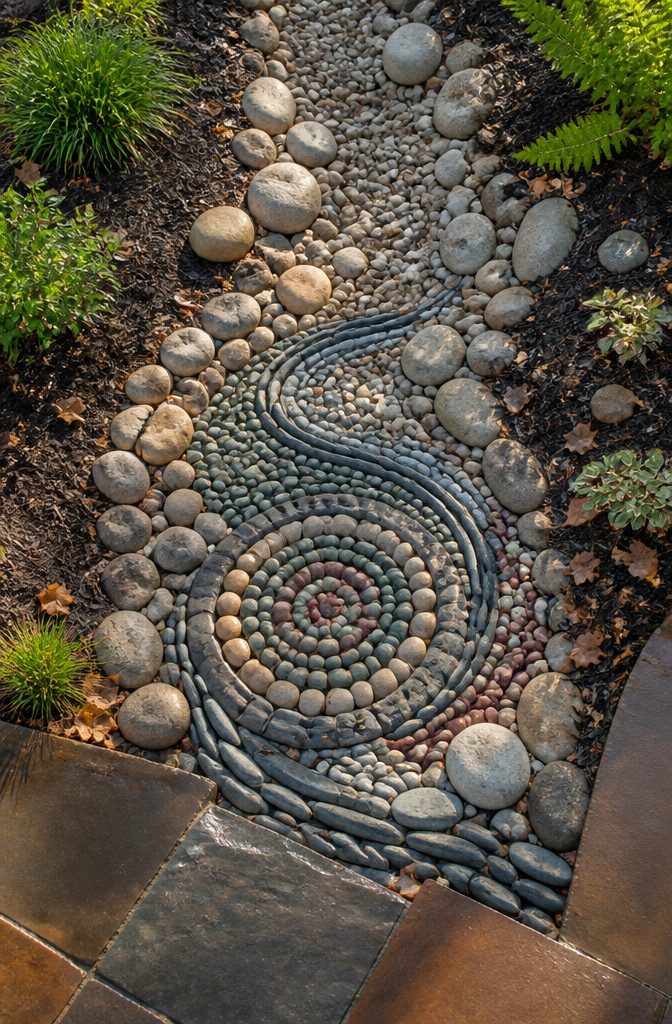
Sorting stones by size and shape lets you lay patterns instead of just filling the channel.
Concentric circles, a mosaic, or curved bands that imitate swirling river water all work. A few pebbles and some paint add color that plain gray rock can’t.
The work is slow. Every stone is placed by hand, and the pattern only reads once the whole area is filled.
That labor is why patterns belong in a small, visible spot, such as the bend beside a patio or the stretch you see from a window, and not along the full length of a long run.
Keep the rest of the bed in loose, mixed stone so your effort goes where people will notice it.
Recommended Products

12 JUMBO STEPPING STONES – Includes 12 colorful stones in 3 different heights, giving kids endless ways to design obstacle courses and balance challenges.

Package Dimensions: 13 L x 13 H x 2.25 W (inches)

MASSAGE YOUR FEET: Put the stepping stones outdoor together with pieces on a flat proper place and walk on it. It will massage your feet and keep you fit.
A Garden Border
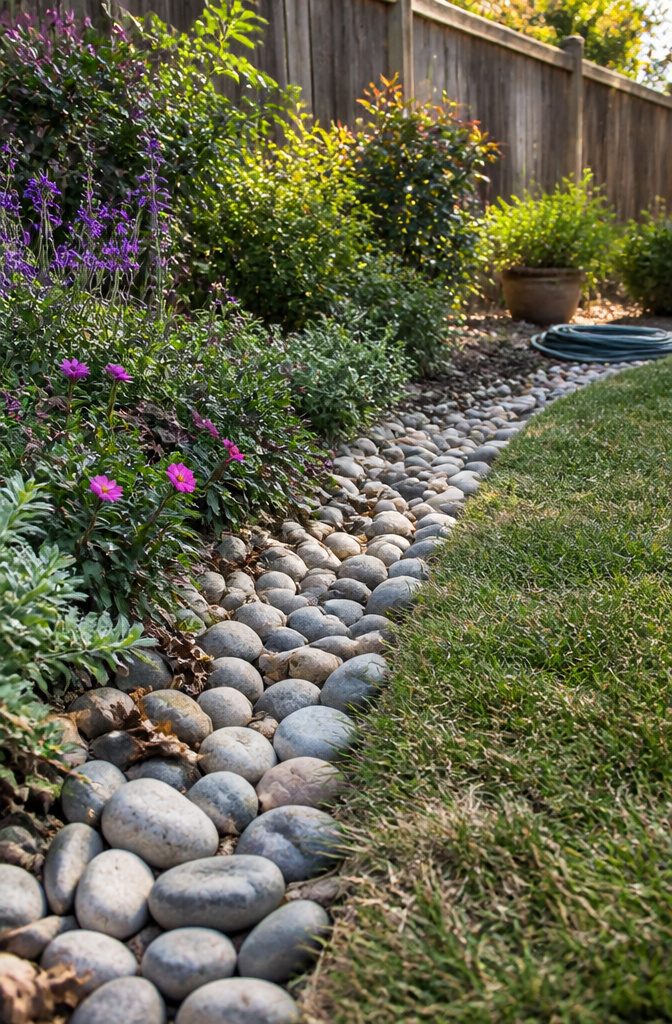
A dry bed makes a good border for a flower or shrub garden because it gives the bed a soft, curving edge instead of a hard line.
Run the stones along the front of the planting and keep the channel shallow-looking, with rounded rock sitting low. Let plants spill over the rim so the stone looks settled rather than placed.
Laid between two parts of the yard, the same bed works like a fence. It marks a boundary without blocking the view, and it never needs painting or repair.
It also replaces lawn, and rock needs no watering or mowing. Start with the patch of grass you water the most, usually a narrow strip beside a bed, fence, or path, where turf is hardest to keep green.
Recommended Products

【Multiple Uses】 If you want to add extra beauty to your garden, lawn, or even potted plants, the item is perfect. It is ideal for home decor and creative indoor and outdoor designs, such as sidewalks, edging, beds, containers, patios, rain gardens, and many other uses.

【Package List】You'll get 2.2 LBS black rocks in 1" ~ 1 3/4" size, about 135 pcs stones or so.
Style for a Modern Home
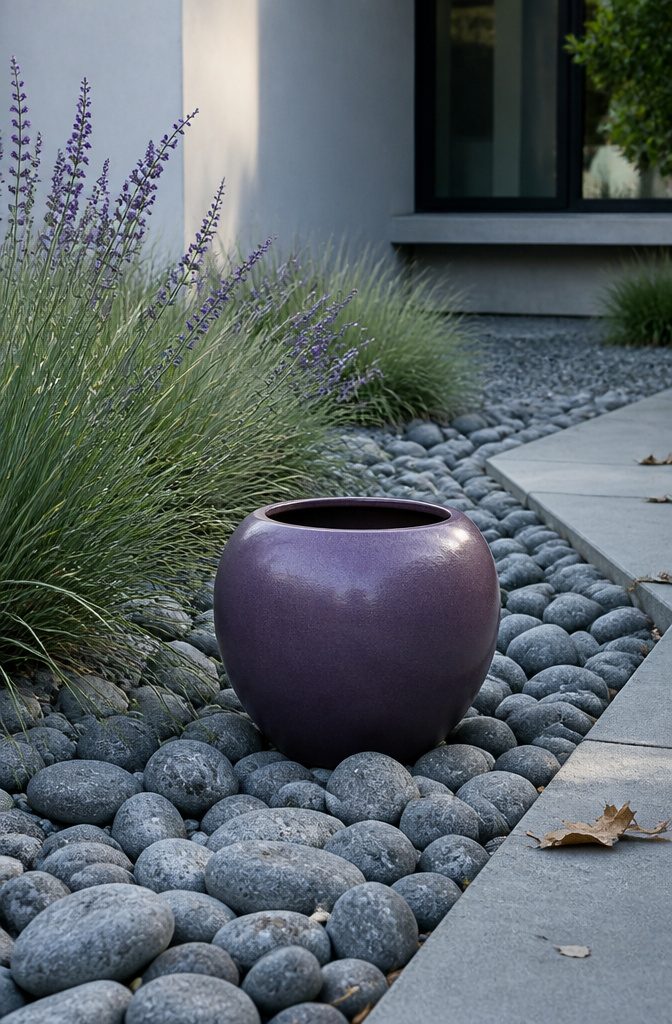
A modern house already has hard edges and a short color list, so the dry creek bed looks best when it repeats that restraint.
Set one ceramic pot in the middle of the channel, with ornamental grass and purple flowers beside it. The smooth pot against rough stone supplies the contrast this style depends on.
Hold the palette to gray stone, green grass and purple bloom.
One pot, one grass and one flower color reads as deliberate. A second pot or a mix of bloom colors drifts toward a cottage garden and fights the house.
Pick a pot with a plain shape and a solid color, and leave open stone around it so the channel’s lines stay visible.
Recommended Products

Amazing Soil Conditioner - keep your plant babies growing healthily and happily! If you live in a compacted soil area and have never used succulent rocks which a rocks deposited in lakes and seas, crystalline, pure, and light., then you are out of fashion. You just need to mix it with your soil, and it will immediately improve the soil's quality. It can loosen the soil and allow water to deeply penetrate the ground, allowing plants to firmly take root.

【All-in-One Kit 】:(1Gallon Rock Glue+1Gallon Sprayer)Comes with landscape rock glue gallon+ a heavy-duty sprayer bundle. This is the ultimate rock glue with sprayer for landscape glue—no more leaks or flimsy bottles. No fuss—Simple as mix, spray, and bond. Effortlessly locks gravel, stones, and pebbles in place

【𝗢𝗡𝗘 𝗚𝗔𝗟𝗟𝗢𝗡. 𝗖𝗢𝗩𝗘𝗥 𝟮𝟬𝟬 𝗦𝗤 𝗙𝗧. 𝗢𝗡𝗟𝗬 𝟮𝟬 𝗠𝗜𝗡𝗨𝗧𝗘𝗦. 𝗗𝗢𝗡𝗘.】The electric sprayer makes application fast and effortless — you can finish one full gallon in just 20 minutes, covering up to 200 square feet. Once cured, that same gallon holds strong for up to 24 months. You'll save time, reduce physical labor, and lower ongoing maintenance costs, all while keeping walkways, garden beds, driveways, patios, and every landscaped area looking its best. That's the real value of this long‑lasting gravel glue.
Shrubs and River Rock for Rainfall
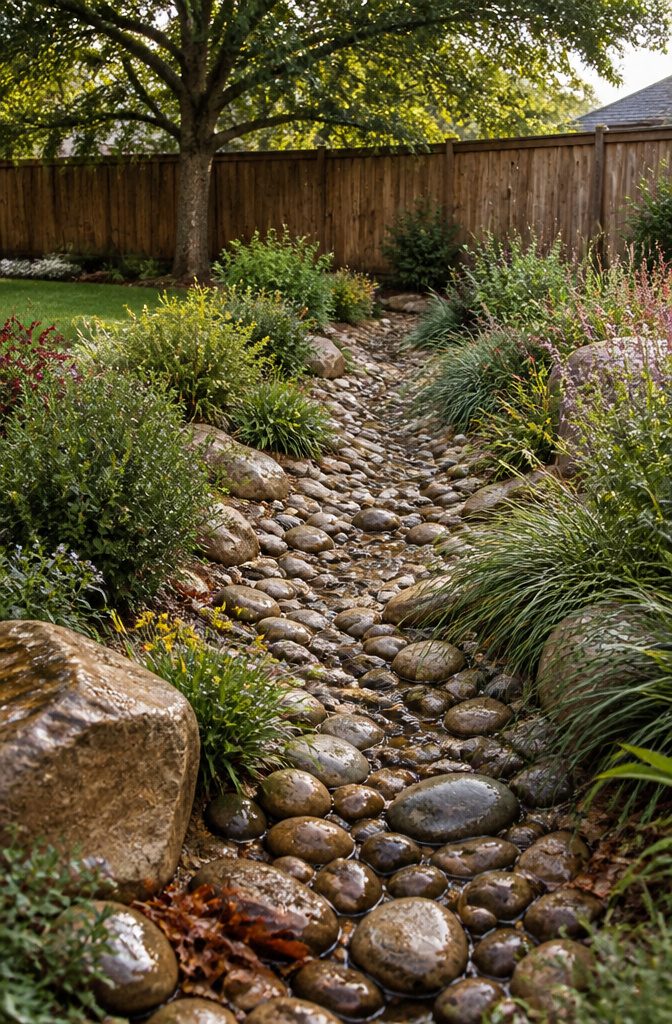
River rock carries the water, and shrubs on either side slow it, filter it, and help move rainfall off your property.
Plant them on the banks, never in the channel itself, where trunks and branches would block the path the water needs.
Choose drought-tolerant natives suited to Oklahoma. Once established they need minimal water, and their roots hold the soil on the slopes beside the stone.
Put native grasses and perennials in front of the shrubs to soften the rock edges. The bed then reads as part of the yard instead of a ditch filled with stone.
Recommended Products

Create custom stepping stones

Inspire Creative Active Play - Designed with multiple colorful and neutral color options, Tiny Land stepping stone set turns everyday play into a fun adventure. Kids can create obstacle courses, stepping paths, and balance beam games that encourage imagination and movement

Weather-Resistant & Built to Last: Crafted from durable PC+ABS resin, these stepping stones are heat-resistant, crack-proof in freezing temps, and impact-resistant. Designed for year-round outdoor use, they won’t fade, warp, or lose their shape—rain or shine.
Stacked Stones Under a Downspout
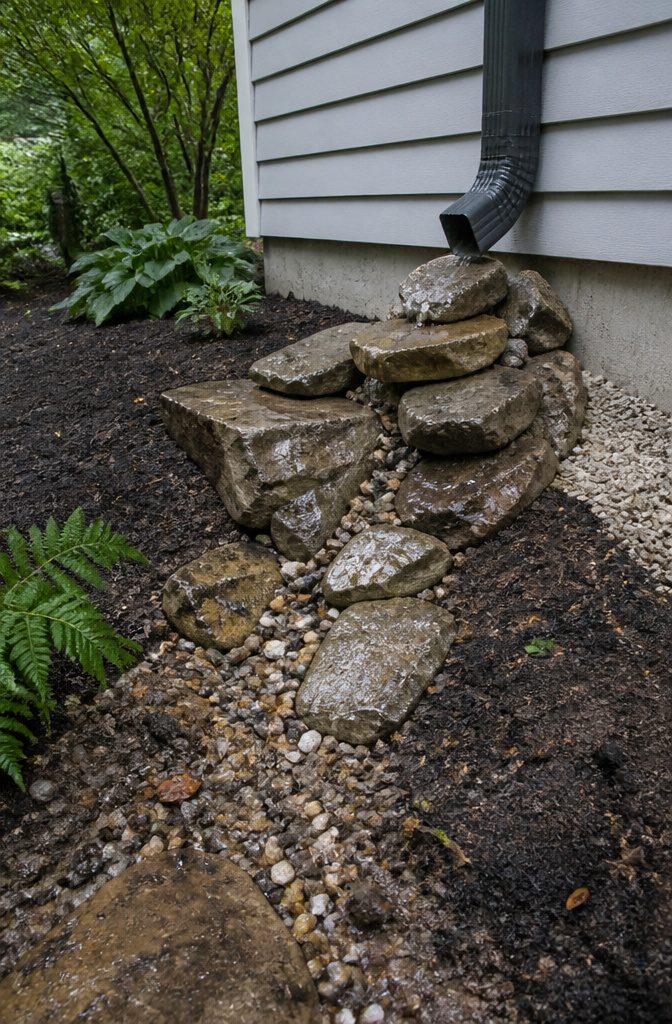
Bare soil under a downspout erodes fast, because all the roof water lands in one spot and carries soil away with it.
Stack large angular stones, or boulders if you can get them, directly beneath the downspout or just in front of it.
The water then lands on rock instead of dirt, and the stone slows it and sends it on into the bed.
Aim the stack away from the house. Water should leave the downspout and travel away from the foundation, never settle against the wall, because standing water next to the house is the problem this setup exists to prevent.
Because the stones slow the flow, less runoff reaches open soil, and the erosion stops at the source. It is also the easiest design in this guide, and it looks good while it works.
A Rock Fountain
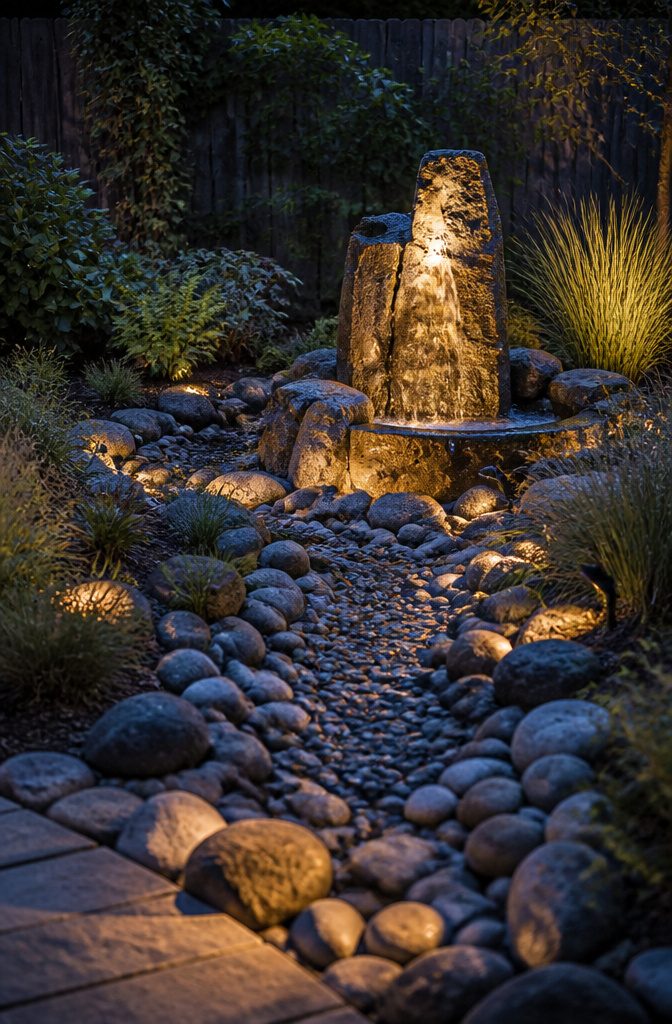
Place the fountain front and center in the bed, so the eye lands on it before anything else. A channel that runs toward the fountain looks like a stream bed the water feeds.
One that runs away from it looks like the fountain’s overflow. Both read well, but toward the fountain gives you a stronger line of sight from the patio.
Fountains are simple to install, and the sound of moving water makes a rock-focused yard feel like an outdoor room.
Low-voltage lights finish the job after dark. Aim them across the stones at a shallow angle instead of straight down, so the shadows pick out ridges, pits and curves in the rock.
Crushed Purple Grass
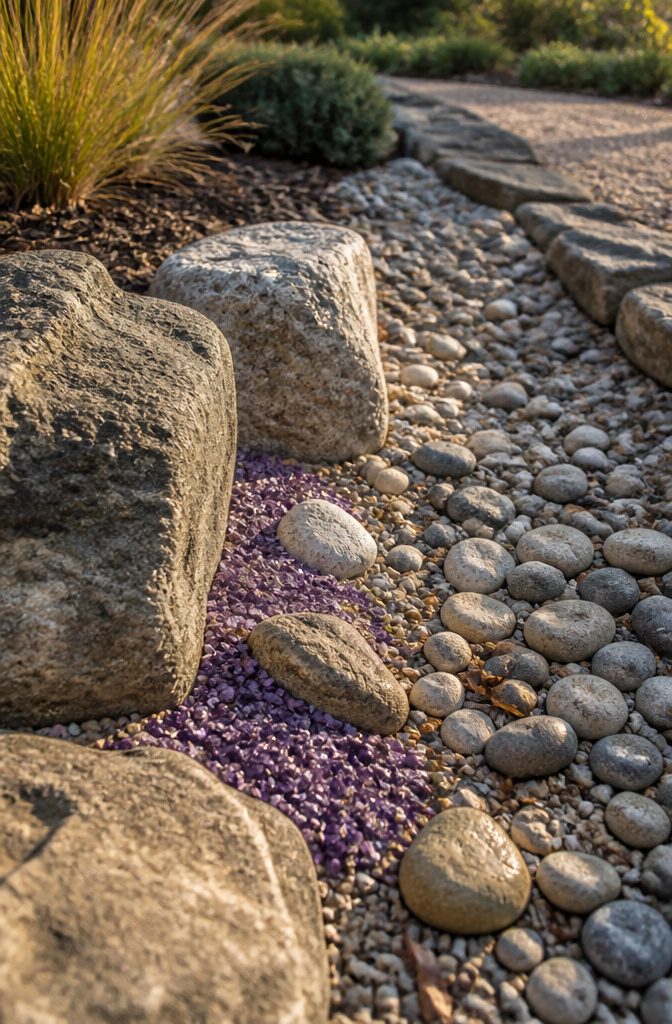
Gray and tan boulders can look flat, and crushed purple grass adds color and a little sparkle against them.
It is used as a dry riverbed alternative to gravel. It also works as filler between flagstone and pavers, as an accent around fountains, and as a clean replacement for logs in fire pits.
It is a less proven choice than river rock or pea gravel, and it turns up in very few dry creek bed guides.
How it holds up under heavy runoff is unknown, so don’t line a whole channel with it. Try a small stretch or a patch between boulders first, and keep river rock or pea gravel where water moves fastest.
Plant Along the Edges
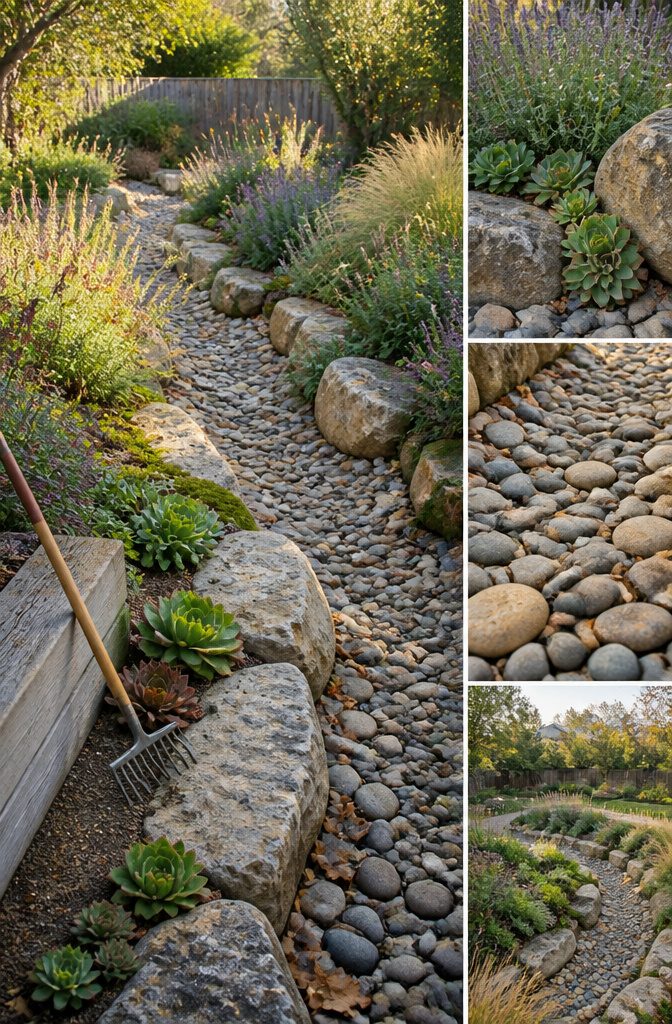
Plants soften the hard edge of the stone and tie the bed into the rest of the garden.
Set them on the banks, never in the channel, where water needs a clear path. The best spot is behind large stones near the edge, where roots hold the soil during heavy rain and help prevent erosion.
Choose drought-tolerant natives suited to Oklahoma, such as native grasses and perennials.
They need little water once established and stabilize the soil. Hens and chicks are a good low-growing choice, planted at spaced intervals so the bed keeps its natural look.
For upkeep, pull weeds that sprout between stones and rake or blow leaves out of the bed. A weed preventer like Preen stops seeds from germinating and cuts down on pulling.
How Water Flows Through the Bed
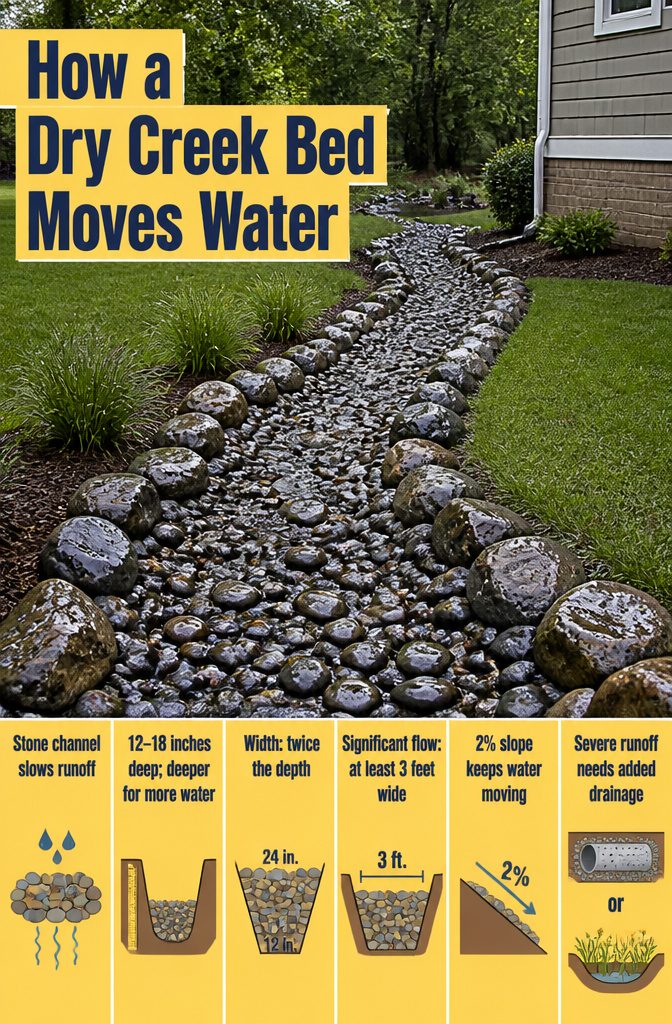
A dry creek bed gives rainwater a stone-lined channel instead of letting it spread across the lawn.
The stone slows the flow, so more water soaks in along the way, less of it pools, and less soil washes out. Point the channel’s outlet away from the foundation.
Dig the bed 12–18 inches deep, going deeper where more water arrives. Keep the width at a 2:1 ratio to depth: 12 inches deep means 24 inches wide.
For significant flow, make it at least 3 feet wide. A 2% slope keeps the water moving.
A dry creek bed handles moderate runoff. For severe drainage, pair it with a French drain (a perforated pipe in a gravel-filled trench) or a rain garden 6–9 inches deep that drains within a few hours.
Plan the Route and Outlet
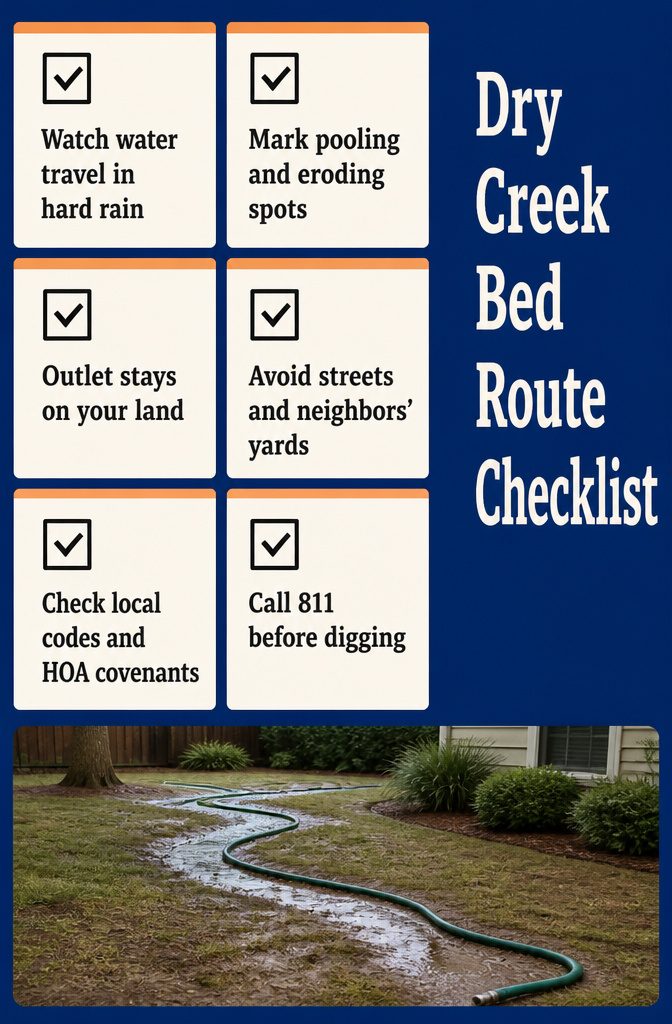
Watch where water travels in a hard rain before you mark anything, then work through this list:
- Note where water pools and where it erodes soil. The channel follows those spots.
- End the bed in a settling area fully on your own land, where water can soak in. Don’t aim it at the street, which is often prohibited, or at a neighbor’s yard.
- Check local codes and HOA covenants for limits on size, placement, and materials.
- Call 811 before digging. It’s free, but marking can take a few days.
- Build in this order: mark the route with hoses or paint, excavate, compact, lay fabric overlapped 6 inches, spread 1/2–1 inch of pea gravel, set large rocks, fill with river rock, trim the fabric edges.
Frequently Asked Questions
What is a dry river bed?
A dry river bed is a shallow, stone-lined channel that looks like a creek but stays dry most of the time. It carries water only during heavy rain or snowmelt.
It is also called a dry creek bed, dry stream bed, or arroyo, and dry river bed landscaping uses it to direct runoff while adding a natural stone feature to the yard.
How deep should a dry creek bed be?
Dig it 12–18 inches deep, going deeper where more water arrives.
Make the width twice the depth, so a 12-inch-deep bed is 24 inches wide, and make it at least 3 feet wide if it will carry a lot of runoff. A 2% slope keeps the water moving.
Can a dry creek bed solve serious drainage problems?
On its own, it handles moderate runoff and erosion but not severe drainage.
For heavier problems, pair it with a French drain (a perforated pipe in a gravel-filled trench) or a rain garden 6–9 inches deep that drains within a few hours. Either way, aim the outlet away from the foundation.
How much does a dry creek bed cost?
There is no single price, because the total depends on the bed’s size and length, the type and amount of rock, labor, and any added features such as a fountain or lights.
Using local stone usually lowers the rock cost. Settle the length and depth first, since they determine how much stone you need.