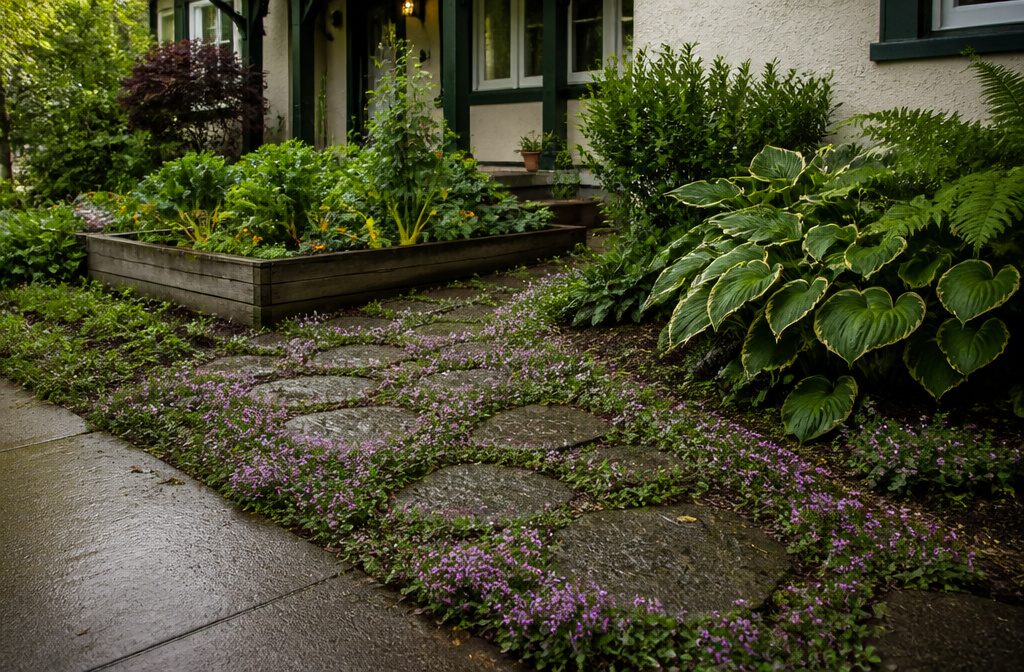
These front-yard ideas run from creeping thyme replacing a patchy lawn to a dense cottage bed or a raised-bed vegetable garden, and the light your yard gets at different times of day decides which fits.
Shade rules out less than you’d expect: Knock-Out, floribunda, and native roses tolerate partial shade, and hostas anchor the dimmer spots.
1. Rose Garden
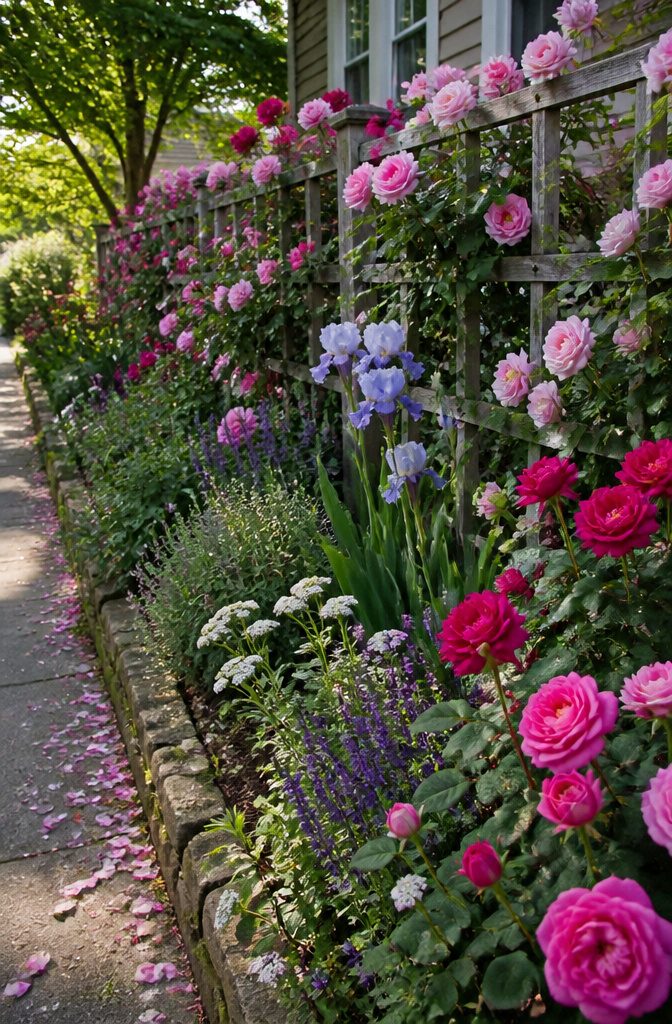
Choose roses with different bloom times and colors so the bed keeps changing from spring into fall.
Put climbing roses at the back on a trellis, arbor, or fence for height, and keep the shorter shrub roses in front where they can be seen from the street.
Iris, lavender, and white yarrow are the perennial companions to plant between them. Lavender’s gray foliage calms strong pinks and reds, and white yarrow ties mixed rose colors together so the bed reads as one planting instead of a collection.
A spot without full sun doesn’t rule out roses.
Knock-Out, floribunda, and native roses tolerate partial shade, so start with those if your front yard gets uneven light. Save the fussier varieties for your sunniest corner.
2. Pollinator Garden
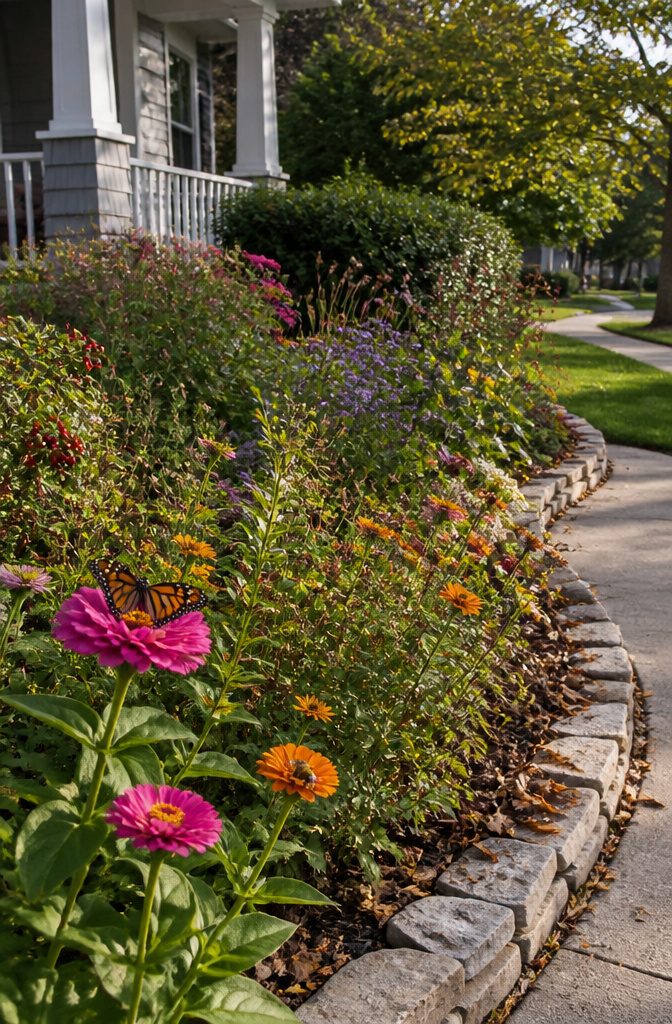
A pollinator garden draws butterflies, bees, hummingbirds and other native wildlife to the front yard, and native perennials or wildflowers do most of the work.
It can look loose and wild, or you can set the same perennials in tidy, defined beds. Choose tidy if your neighbors tend to read meadows as neglect.
Look up wildflowers native to your state, then find a nearby nursery that specializes in native plants. The staff can help you build a plant list suited to your area.
Plan for blooms from spring through fall so something is always open.
Zinnias add easy annual color. For winter, tuck in a few evergreens, plants with bright berries, or plants with attractive bark.
3. Vegetable Garden
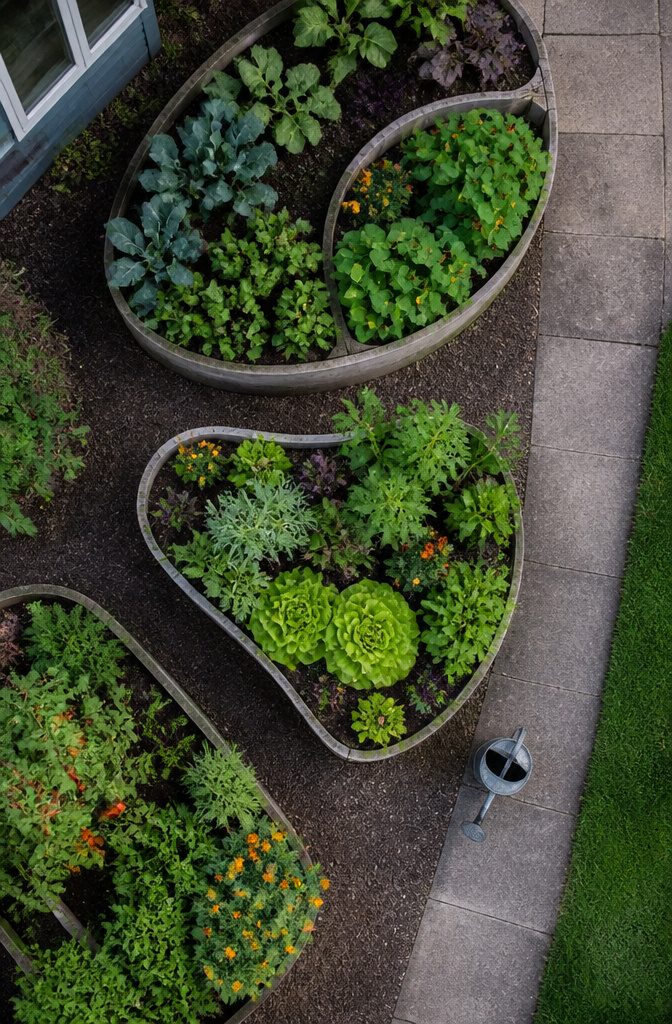
Vegetables, herbs and fruit grow as well in a front yard as in a backyard. If your soil is good, plant straight into the ground.
If it is poor or contaminated, build raised beds filled with clean soil. They also give the garden a tidier edge, which matters when neighbors walk past.
Skip the straight rows you would use in a backyard.
Curve the beds and tuck marigolds, nasturtiums and flowering herbs between the crops. They add color visible from the street and draw beneficial insects to the vegetables.
A parking strip, if you have one, is more planting space. Check your local ordinances before you dig, because not every city allows edibles there.
4. Cottage Garden
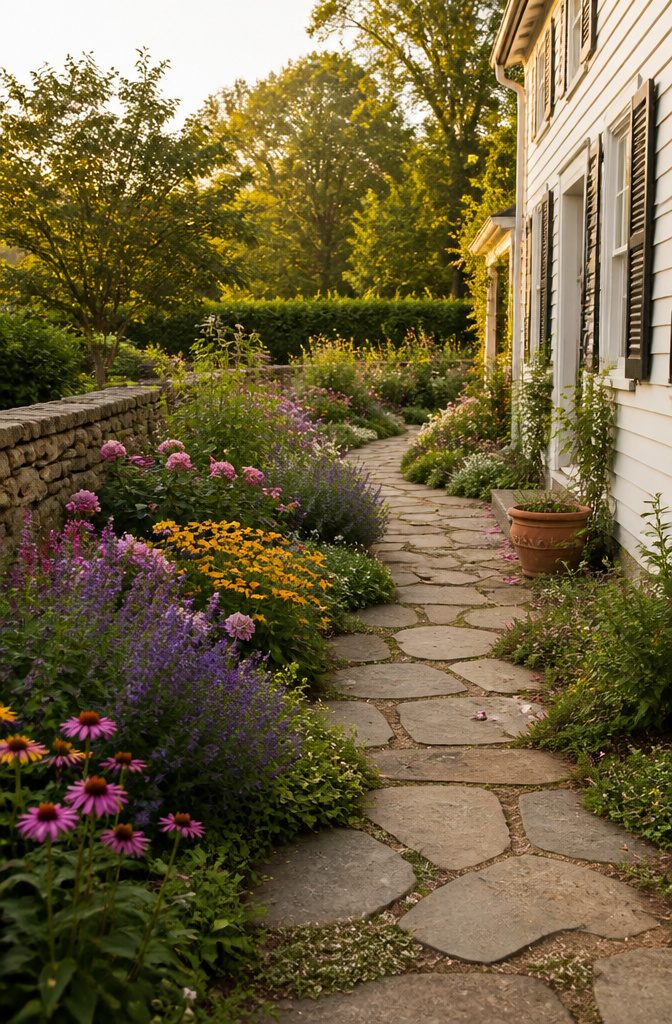
A cottage garden works by packing the bed full, so the plants need to be hardy and low maintenance.
Wild indigo, Knock-Out roses, black-eyed Susans, and coneflowers fit that job. Run a stone walkway through the bed in a winding curve so you move through the flowers instead of past them.
Tuck herbs in among the blooms. Cottage gardens were traditionally grown to produce food, so herbs belong here as part of the style.
Spacing still matters in a dense bed.
Give each new plant enough room to fill in without overcrowding its neighbors. A bed that looks a little thin in the first season is doing what it should.
5. Shade Garden
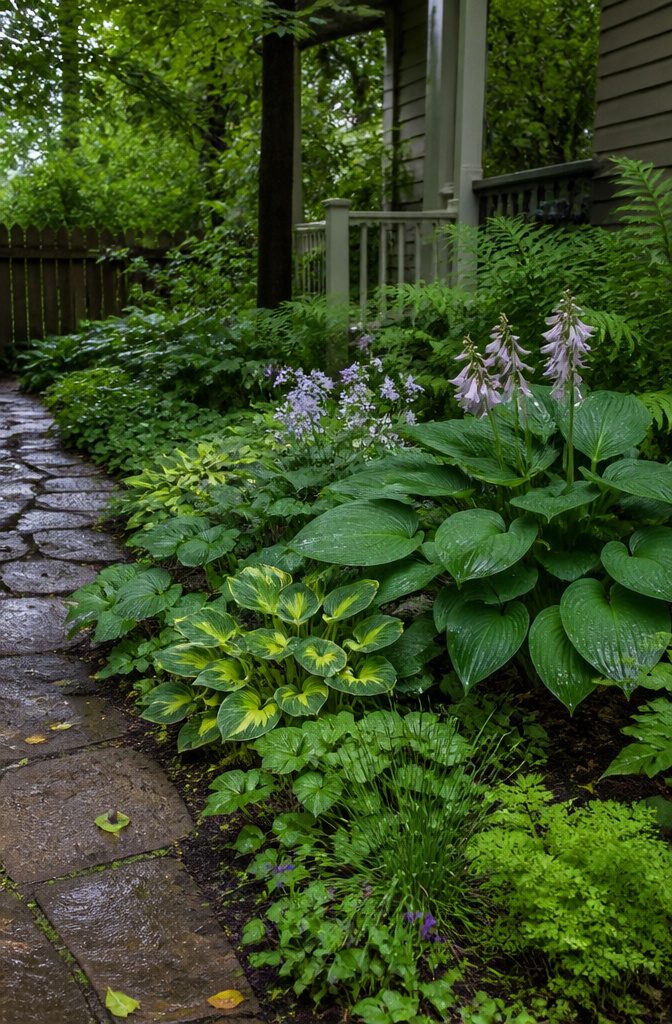
Start with foliage, because leaf shape and texture carry a shaded bed better than blooms do. Hostas are the anchor plant to buy first.
- Hostas give lush leaves, delicate flower stalks and a tidy habit.
- Ferns add texture and a woodland feel, and native species are very hardy.
- Woodland phlox, columbine and violets supply the color.
- Plant wild ginger or green and gold between clumps. Both are evergreen ground covers that fill gaps.
- Lettuce, carrots, chives and parsley grow well in shade, so a dim corner can still feed you.
- Knock-Out, floribunda and native roses tolerate partial shade, which makes them the pick if you want roses without full sun.
6. White Picket Fence Edging
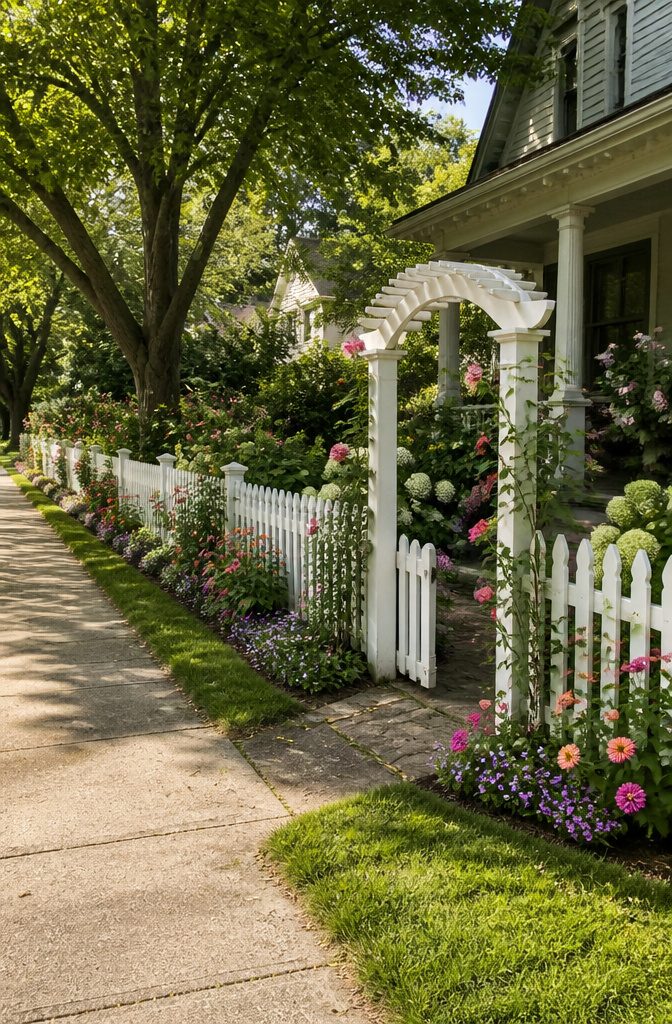
White pickets give flowers a clean, bright backdrop, so color reads stronger here than against most fences. For a planting that lasts, train climbing roses or clematis up the pickets and set hydrangeas in front as shrubs.
For quicker color, plant petunias, zinnias, or vincas along the base: brightly colored annuals pop hardest against white, and you can change the palette every year.
At the entrance, hang a small gate and frame it with an arbor.
Plant flowers around the arbor’s base so the opening looks planted rather than just built. The gate marks where the path begins, and the arbor gives the eye a place to land.
Recommended Products

ELEGANT GARDEN ARCH TRELLIS – Transform your backyard into a beautiful garden retreat with this classic black metal garden arch. Create an inviting entrance along pathways, over garden beds, or among your favorite flowers and climbing plants.

Generous 300+ Premium Non-GMO Heirloom Seeds: This packet contains 300+ high-quality, Non-GMO Heirloom seeds, providing exceptional value for gardeners. With this abundant quantity, you can create stunning vertical displays, plant multiple structures, or establish a beautiful rose-covered fence line.

[HEAVY-DUTY 16MM STEEL CONSTRUCTION]: Stronger for demanding garden use with upgraded 16mm steel tubes and 0.5mm thick tube walls. The reinforced metal frame provides greater strength and stability than lightweight garden arches.
7. Small Front Yard Garden
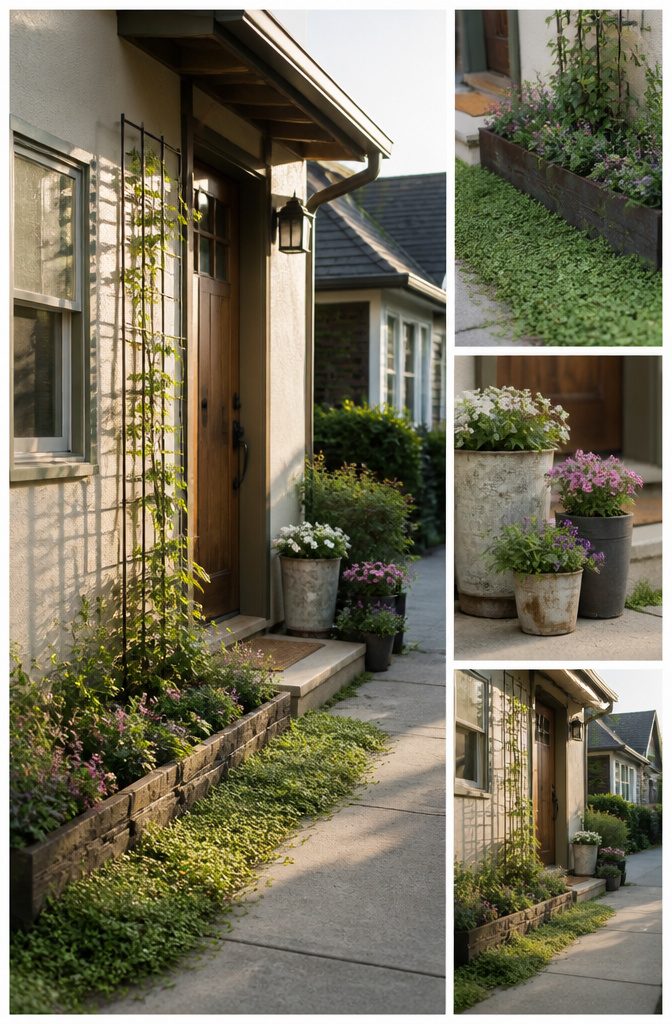
Small yards look best when the plants stay in proportion and the height does the work.
- Go vertical first. A trellis or hanging planter adds planting space without using any ground, which suits a narrow strip beside the door.
- Pick compact and dwarf varieties. They give color and texture without crowding the walkway or blocking windows as they fill out.
- Add a raised bed if you want a defined edge. It gives a small yard a clear shape and keeps the planting area tidy.
- Group containers by the entry. You can move them as the seasons change, and they work on a patio or balcony too.
- Swap struggling lawn patches for creeping thyme or moss. Both give a carpet of green with little mowing or upkeep.
8. Layered Planting Bed
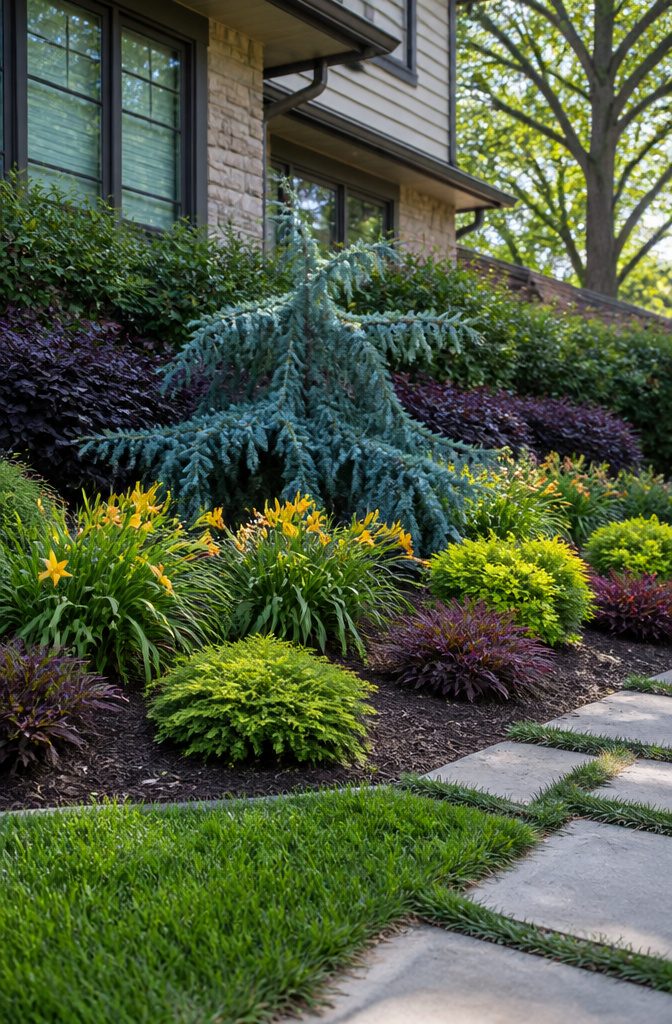
Build the bed in tiers, tallest at the back. Shrubs that reach about 3–5 feet tall work there, and Hollies, Taxus, Ligustrum or Loropetalum can grow together into a medium hedge that makes the colors in front stand out.
Put one focal plant in the middle: a Japanese maple, Weeping Blue Atlas Cedar or Crape Myrtle.
Save the strongest color for the front: Drift Roses, Dianthus, Purple Pixie Loropetalum, Kaleidoscope Abelia or Camellia. All stay small and are easy to maintain.
The pictured yard uses a Weeping Blue Atlas Cedar as its centerpiece, daylilies, gold mop cypress and pygmy barberries for color, and loropetalum and ligustrum hedges under the windows. Premium brown deco mulch deepens those colors.
Recommended Products

EASYFLEX DECORATIVE NO-DIG LANDSCAPE EDGING: Get a beautifully landscaped yard without all the work of a dig-in lawn edging; simple installation without trenches or shovels; color may vary due to the unique manufacturing process.

Realistic Faux Stone Texture: Our landscape edging boasts a lifelike stone texture with detailed surface patterns that add depth and a polished look to your outdoor space. It beautifully enhances garden beds, lawns, pathways and flower beds, bringing a natural, decorative touch to any yard.

EASYFLEX DECORATIVE NO-DIG LANDSCAPE EDGING: Get a beautifully landscaped yard without all the work of a dig-in lawn edging; simple installation without trenches or shovels
9. Plant Clusters
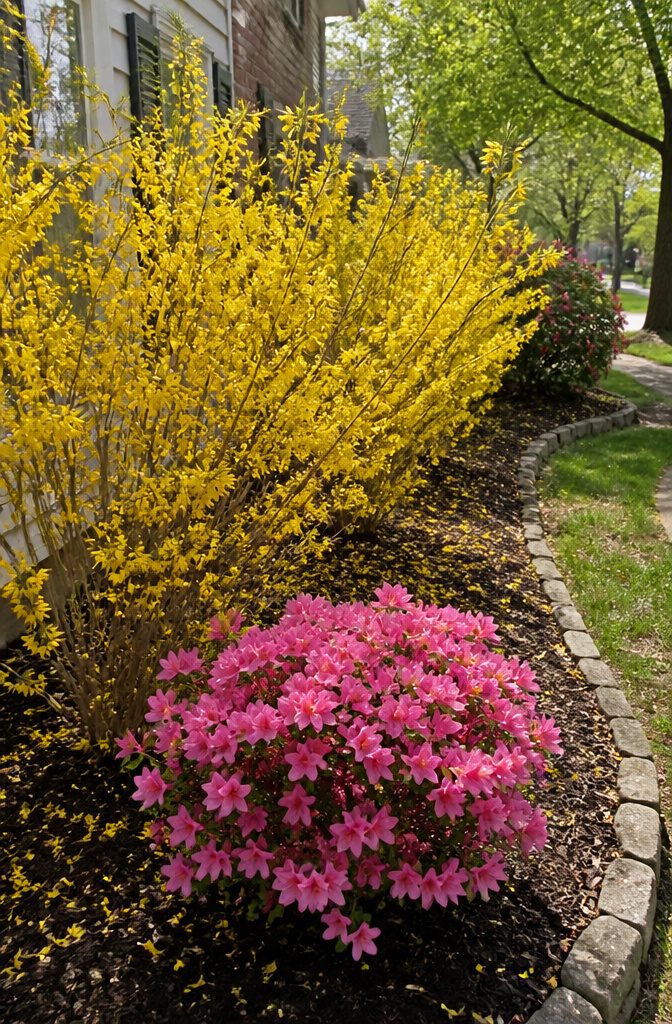
Repeating one plant in a group gives you a single strong show per season, where scattered singles spread the color thin.
Put 6 forsythia toward the back of the bed, where they have room to grow, and spring turns gold with very little upkeep.
Burning bushes in a group add fire-red color in fall. Camellias bloom in November or spring depending on the variety, and they do well in shadier, more natural areas.
Encore Azaleas flower through the year and come in many colors.
One color in a cluster makes a bold block, while mixed colors look looser. In a small front yard, the single color reads cleaner from the street.
Bed size and mature width set the count. Check the plant tag before you buy.
Recommended Products
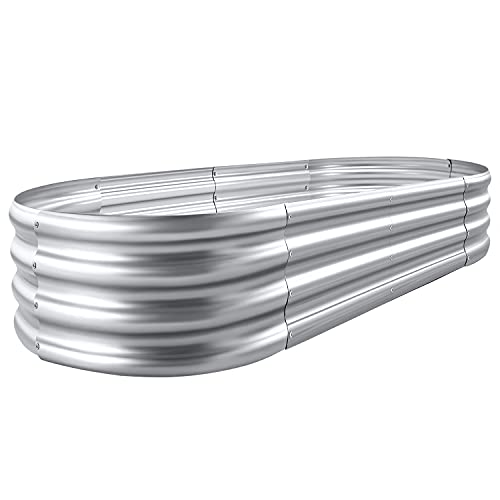
Each raised metal garden bed size: 4×2×1ft ,7.14Cu

Outdoor Raised Garden Bed: Turn any patio, balcony or backyard into your own growing space with this 2x2 ft metal planter box. Whether you're planting fresh herbs for cooking, growing vegetables or adding flowers to your space, it makes starting a garden simple, even if you don’t have a large yard.

🌱【Package Information - Garden Shade Cloth】The package includes 1 pc black shade cloth(6.5 ft x 16.5 ft), 12 curved tubes, 18 straight tubes, 24 connectors, 24 clips, and 1 pair of gloves.Protect outdoor plants from exposure to intense sunlight and create a comfortable, cool and shaded environment for them.
10. Ground Covers
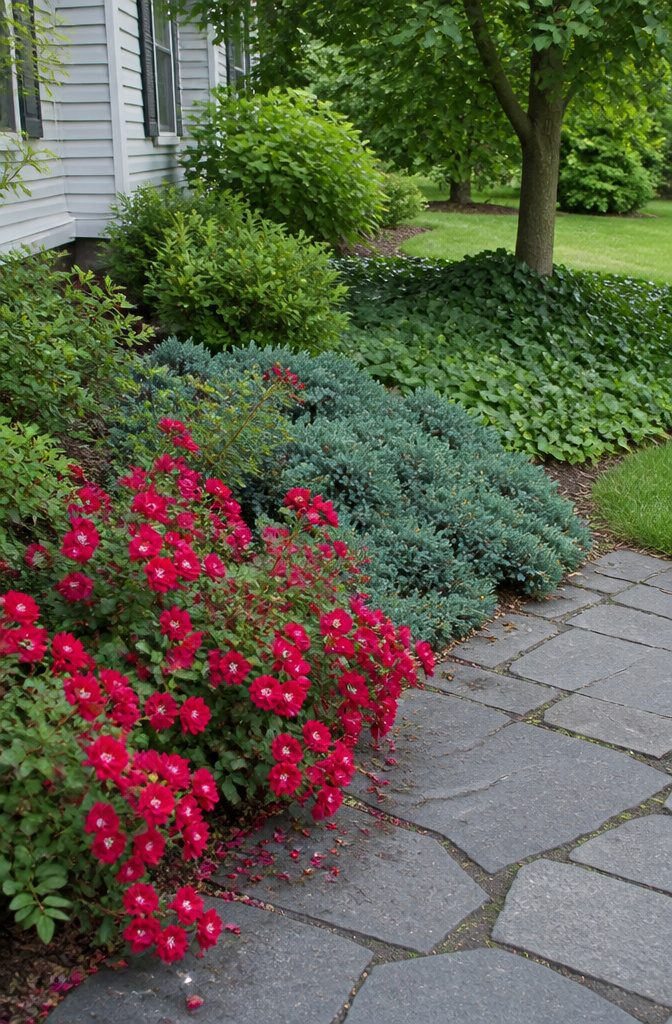
Bare soil between shrubs is what you keep paying to cover with mulch, and a ground cover fills that space with living plants instead.
Once dianthus, ivy, or Drift Roses spread across a bed, less open ground is left to mulch, so you buy fewer bags each spring.
Drift Roses are the best of the three because they add flower color while they fill the space.
Blue Rug Juniper and Blue Pacific Junipers bring blue foliage to a front yard.
Plant them beside red blooms, because blues and reds look good together. Ivy adds green rather than flower color, so use it where you want cover more than a show.
Recommended Products

Decorative Brick Red Finish for Rustic Charm: This short wood fence features a warm brick red finish that adds natural beauty and a decorative touch to any outdoor space. Ideal as a wood garden fence for flower beds, pathways, and yard accents.

Natural Wooden Garden Border Design: This wooden garden border features a unique burnt wood finish that adds rustic charm and warmth to your outdoor space. Perfect as decorative garden fence edging for flower beds, walkways, and landscaping accents.

SHIPMENT CONTAINS: One 5 inch x 40 foot brown flexible landscape edging coil with 10 matching stakes for securing garden borders
11. Year-Round Interest
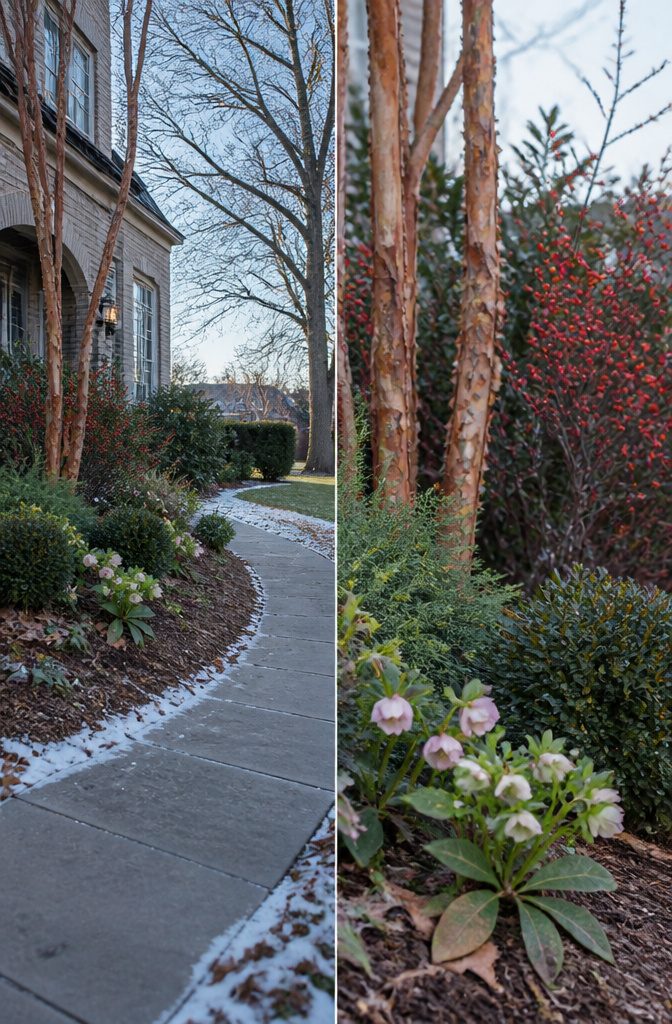
A yard planted for one season looks empty the other three. Build the bed around evergreens, which hold their shape and color through winter, then add deciduous shrubs and trees for spring leaf-out, fall color, and bare branches.
Layer in flowers that bloom at different times, so something opens each month instead of everything peaking at once.
For winter, choose plants that keep working after the leaves drop.
Shrubs with berries that cling to the branches add color against snow or brown mulch, and trees with peeling or colorful bark show it off once the canopy is bare.
Keep trees and shrubs small in a front yard, since tall branches tangle with power lines and long roots can damage sewer pipes. Natives usually handle your local conditions best.
Match Ideas to Your Site
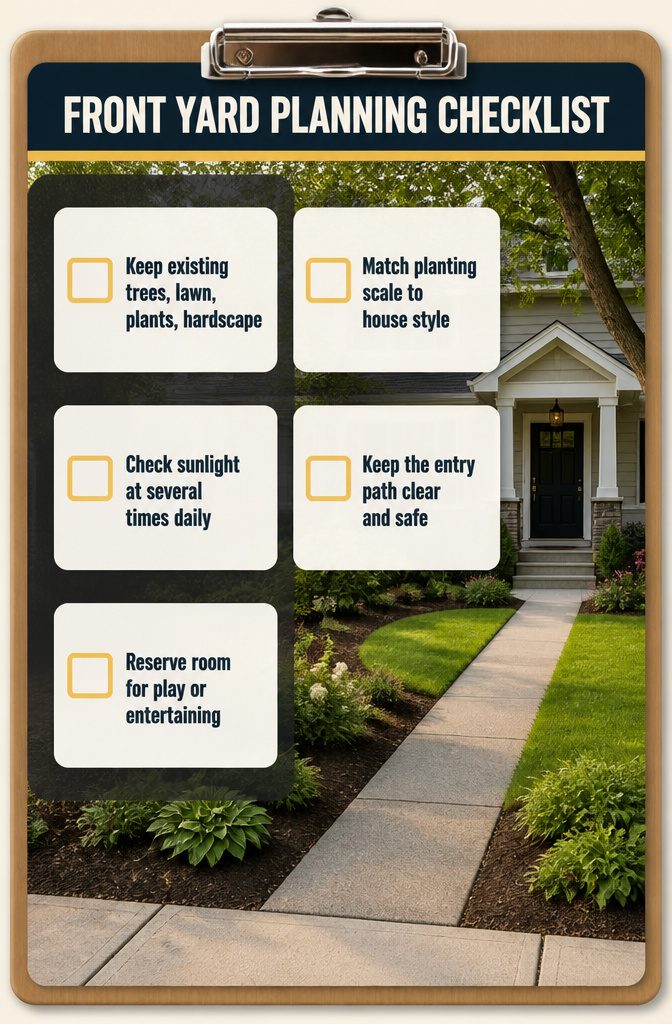
Walk the front yard before you buy anything, and write down what you find.
- Existing features: List the trees, lawn, plants, and hardscaping you want to keep. Anything that stays decides where new beds can go.
- House style: Match the scale of your plantings to the size and style of the house. Oversized shrubs swamp a small façade.
- Sun: Check the light at several times of day. A south-facing house with an open lawn gets full sun, while trees and structures create shade pockets that shift hourly. Pick plants for each spot’s light, then for your soil type.
- Getting to the door: Keep a clear, safe path from the street or driveway to the entry, with no plants spilling onto it.
- Use: Decide whether the yard also serves for entertaining, chatting with neighbors, gardening, or play, and leave room for it.
Color, Balance and Borders
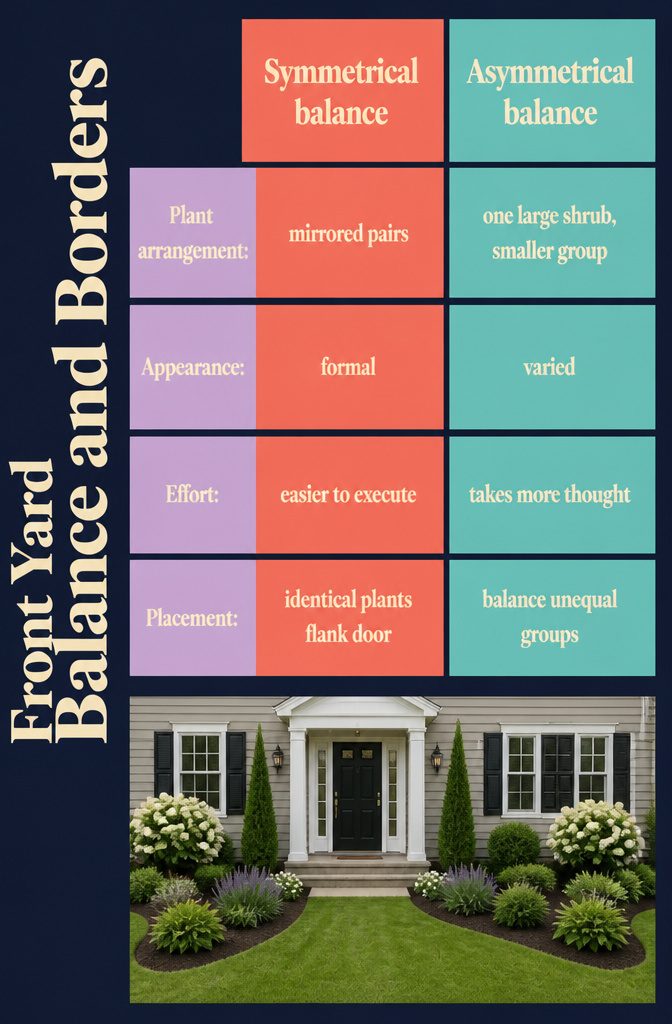
Repeat two or three foliage colors, similar plant sizes and one texture across the front yard, and it reads as one design instead of a pile of separate purchases.
Symmetrical balance mirrors identical plants on both sides of the door.
It looks formal and is the easier style to pull off. Asymmetrical balance takes more thought: one large shrub on one side can be matched by a group of smaller plants on the other.
Put the larger plants farther from the entry and the smaller ones nearer it, so the planting frames the door.
Then extend rounded beds out from the corners of the house into the lawn. The curves tie the beds to the grass and mark where your property starts and ends.
Frequently Asked Questions
What are the best landscaping ideas for a small front yard?
Build upward first: a trellis or hanging planter adds planting space without taking any ground.
Choose compact or dwarf plants so they don’t crowd the walkway or block windows as they grow. A raised bed gives a small yard a clear edge, and containers grouped by the entry can be moved as the seasons change.
What can I plant in a shady front yard?
Build the bed around foliage, with hostas as the first plant to buy.
Add ferns for texture, woodland phlox, columbine and violets for color, and wild ginger or green and gold to fill gaps as evergreen ground covers. Knock-Out, floribunda and native roses tolerate partial shade if you want blooms.
Can I grow vegetables in my front yard?
Yes. Plant straight into the ground if your soil is good, or build raised beds filled with clean soil if it is poor or contaminated.
Curve the beds and mix in marigolds, nasturtiums and flowering herbs so the garden looks good from the street. If you want to plant a parking strip, check your local ordinances first, since not every city allows edibles there.
How do I keep a front yard looking good all year?
Start with evergreens, which hold their shape and color through winter. Add deciduous shrubs and trees for spring leaf-out and fall color, and choose flowers that bloom at different times so something opens each month.
For winter, include shrubs with berries that cling to the branches and trees with peeling or colorful bark.
What should I check before planning front yard landscaping?
Walk the yard and note the trees, lawn, plants and hardscaping you plan to keep, since they decide where new beds can go.
Check the sunlight at several times of day, because shade pockets shift through the day. Also match plant size to the house, keep a clear path to the door, and leave room for how you use the yard.
How tall should the back row of a layered planting bed be?
Shrubs about 3–5 feet tall work well at the back.
Place the tallest plants there, add one focal plant such as a Japanese maple in the middle, and save the strongest color for the front. Hollies, Taxus, Ligustrum and Loropetalum can grow together at the back into a medium hedge.
What size trees and shrubs are best for a front yard?
Keep them small.
Tall branches tangle with power lines, and long roots can damage sewer pipes. Native plants usually handle your local conditions best.