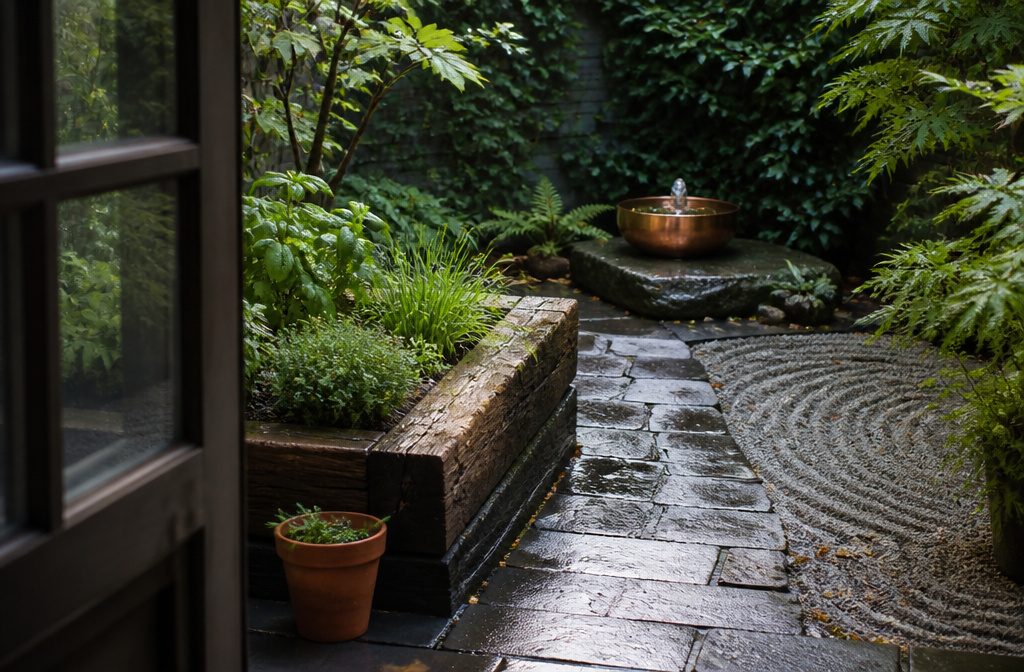
The ideas run from a bubbling tabletop fountain to a terraced hillside, and your sun, slope and upkeep time pick the winner.
Time is the usual trap: roses want sun and regular pruning, and a Japanese garden’s gravel needs raking to hold its lines. In a small yard, raised beds about 17 inches high double as seating.
1. Rose Garden
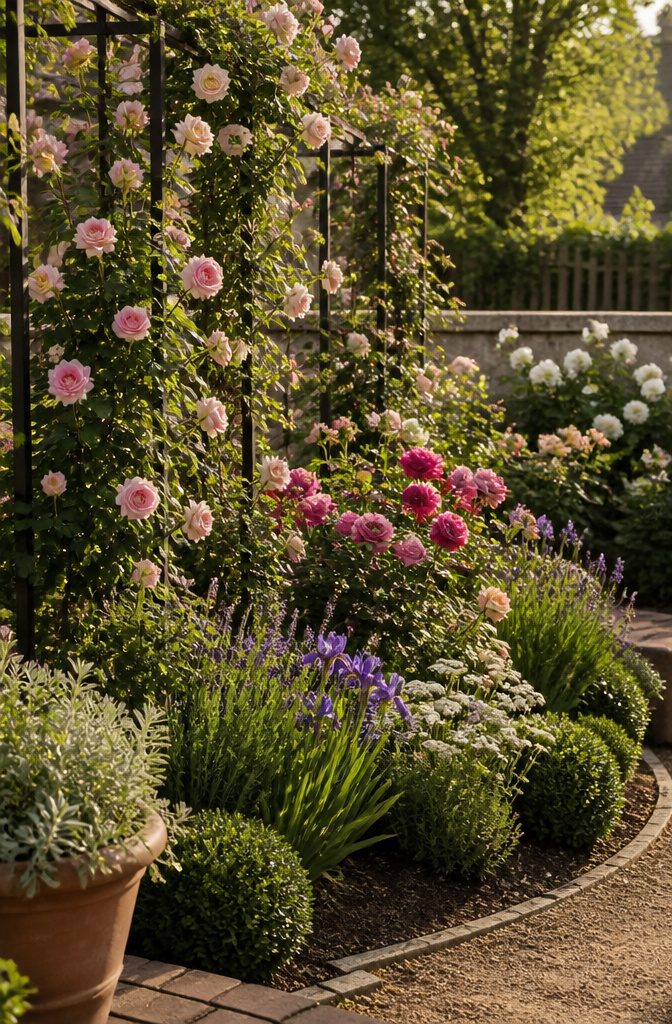
A formal rose bed looks best when the roses don’t all peak at once.
Mix varieties with different bloom times and colors, such as Knock-Out and floribunda roses, so something is in flower across the season. Add a couple of climbing roses on a trellis, fence, wall, or arch for height.
Low-maintenance evergreen shrubs make a good foundation because they keep some color in the bed through winter. Iris, lavender, and white yarrow fill in around the roses.
Roses cost you in sun and attention.
They want a sunny spot, plus regular pruning and care. If time is short, start with just a few roses as accent plants and add more once the routine feels manageable.
Recommended Products

Materials and Construction: The raised garden bed kit is constructed with sturdy metal 0.8mm thick, providing a reliable framework for your garden. The oval-shaped design adds a unique aesthetic,and the 17" height provides ample depth for plants
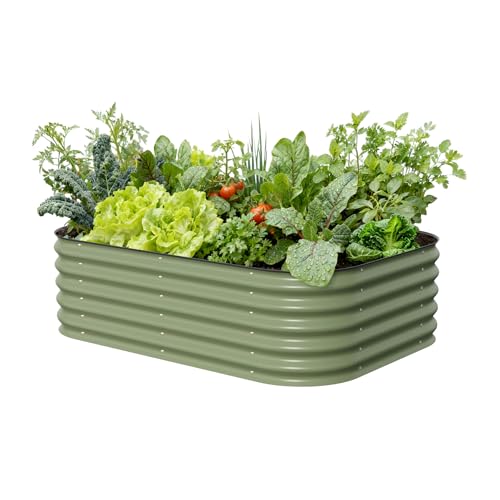
Modular Design: Vego Garden raised bed kits feature an innovative modular design, which means you can assemble a kit into various configurations that fit any backyard or garden space in a 6-in-1 kit, you can build one of 6 possible configurations to fit your garden plans
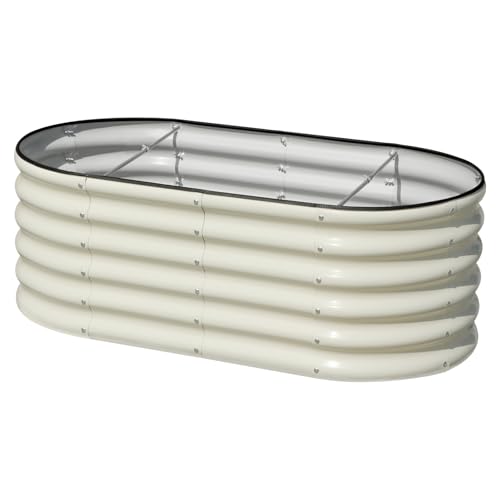
Size: The garden bed measure is 46"L x 23.6"W x 17"H. The planter box provides ample space for planting vegetables, fruits, flowers and other plants.
2. Pollinator Garden
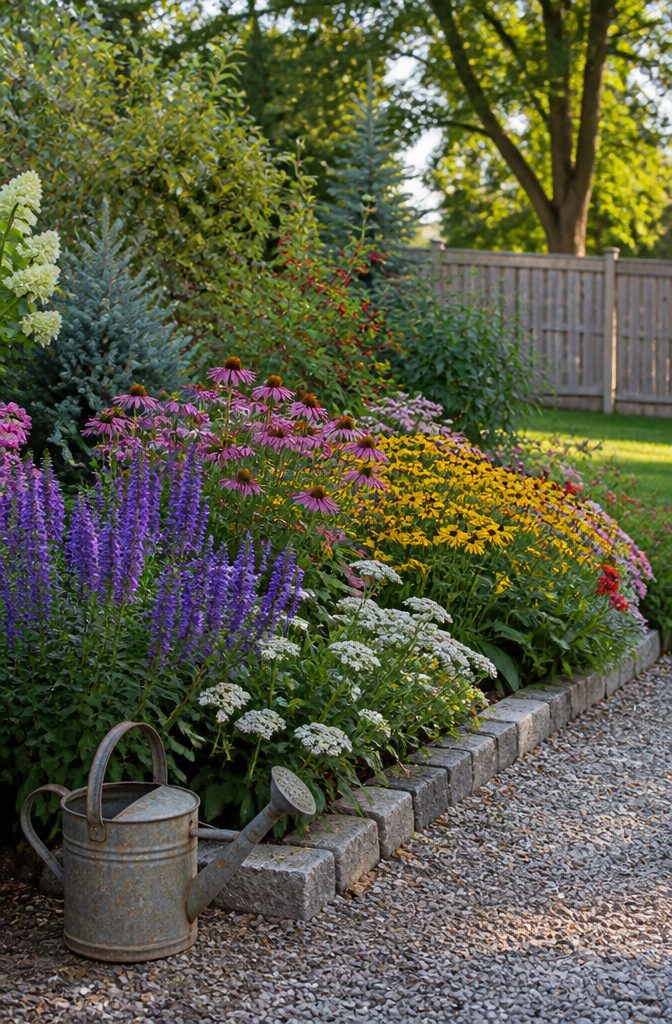
A pollinator bed works because something is always in flower.
Build it from native perennials with staggered bloom times: wild indigo, coneflowers, black-eyed Susans and white yarrow make a solid base. Aim for blooms from spring through fall, so bees and butterflies never find the bed empty.
Look up native wildflowers for your state, then ask a local nursery that specializes in natives to help match them to your site. Plants adapted to your region’s climate generally need less watering once established, and they feed local wildlife.
Space them so they fill the bed without crowding. For winter interest, add a few evergreens or plants with bright berries or attractive bark.
Zinnias are a cheap annual for extra color. Plant in tidy blocks if you want a more traditional look.
Recommended Products

【2-3 Years Service Life】Refuse to use recycled materials, tear resistant, high temperature resistance, glossy, safe and odorless, lightweight and durable.

🌹 live Red Drift Rose comes with easy to use plant food and blooms 8-9 months of the Year with candy pink colored petals that compliment any garden or landscape
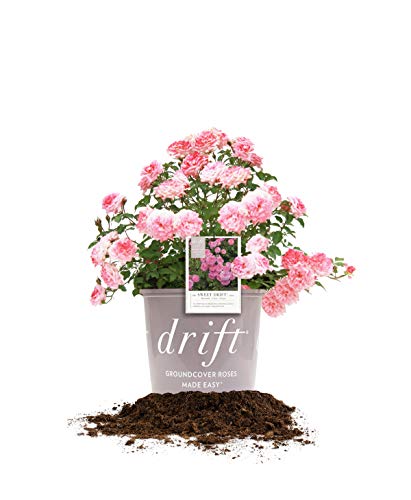
🌺 live Sweet Drift Rose comes with easy to use plant food and blooms 8-9 months of the Year with baby pink blooms that compliment any garden or landscape
3. Vegetable and Herb Garden
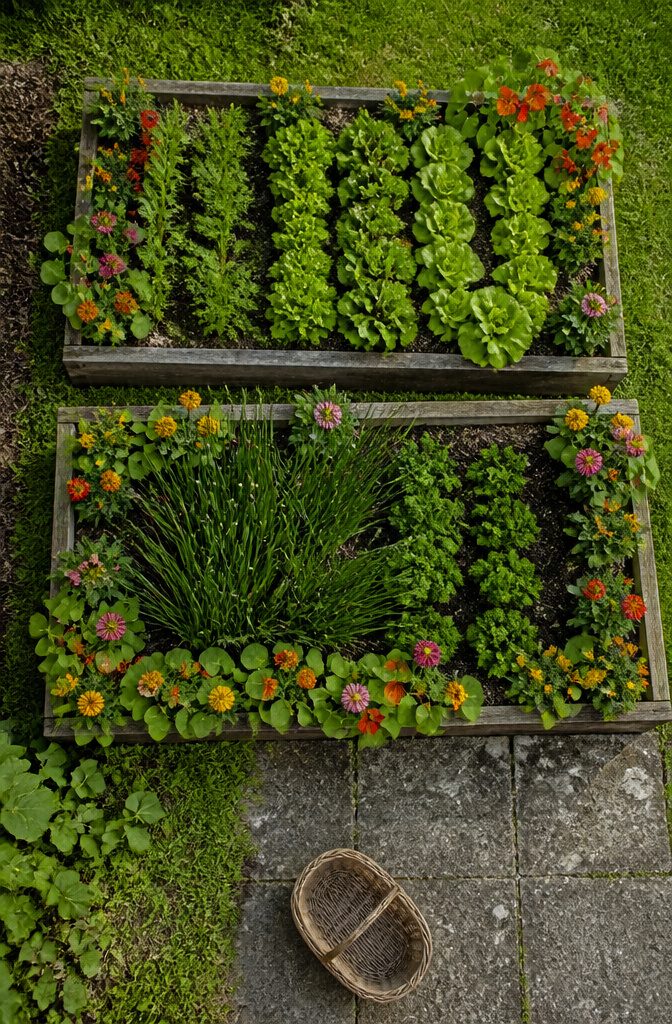
Raised beds are the best way to grow food where neighbors can see it. They get around poor or contaminated soil and look tidier than a plot dug into the lawn.
Plant lettuce and carrots in one bed and chives and parsley in another, then tuck marigolds, nasturtiums and zinnias along the edges. The flowers add color and draw beneficial insects, and flowering herbs like chives do the same.
Harvest and looks pull against each other. A bed picked clean looks gappy, and a bed left to bloom gives you less to eat.
Choose one priority per bed. If you have a parking strip, check local ordinances before planting there.
Recommended Products

Pollinator Paradise: Attracts bees, butterflies, hummingbirds, and beneficial insects with nectar-rich blooms that support a thriving garden ecosystem.


4. English Cottage Garden
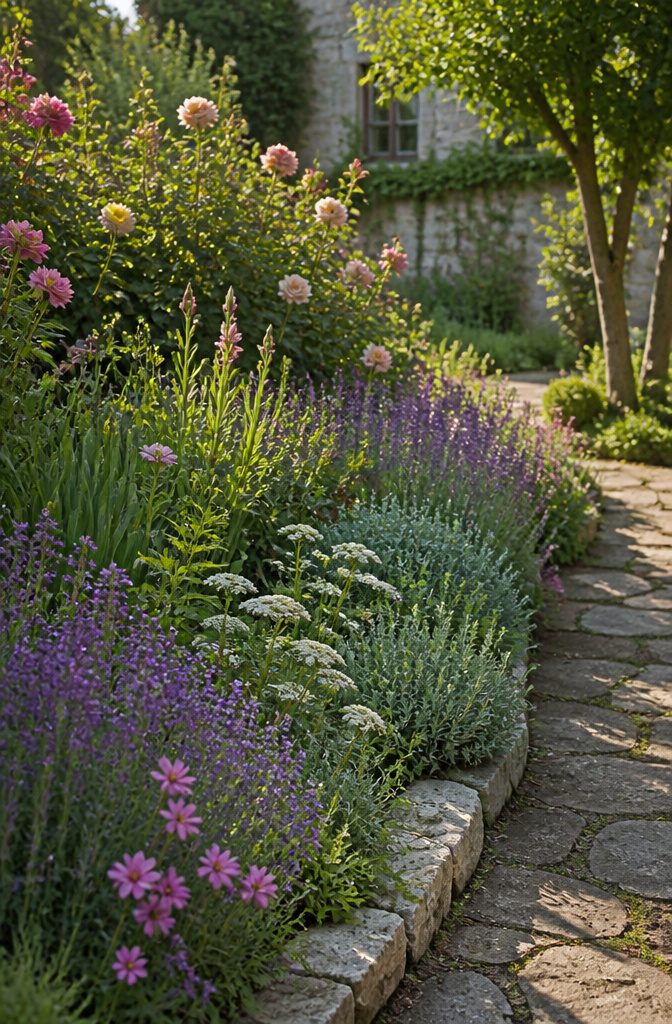
A cottage garden works by layering: tall plants at the back, mounded ones in the middle, and low spillers at the front. Skip straight edges and let plants lean over the border so nothing looks clipped.
Iris gives you upright blades, lavender adds gray-green mounds and scent, roses sprawl or climb behind them, and white yarrow brightens the mix with flat, pale flower heads.
Tuck herbs in among the flowers rather than giving them their own bed.
The loose look is planned.
Deadhead spent blooms and cut back tired growth on a regular schedule, or the same planting turns into a tangle. Trim lavender lightly each year so it stays compact and doesn’t go woody.
Recommended Products

[Quality Japanese Hand Rake] It is a handheld rake convenient for cleaning fallen leaves and grass. Since it is slim size makes it suitable for garden work even in narrow spaces.

【48IN Adjustable Detachable Long Handle, Fit for Adults & Kids】 This zen garden rake total length reaches 48 inch, the handle consists of detachable 15.8inch segments. You can assemble different quantities of pole sections to shorten total height for children or adult. 11.8 inch wide 4 tine rake head works great for raking gravel, pebbles and sand both for large backyard kare sansui dry rock garden and small tabletop meditation sand tray.

Country of origin: CN
5. Shade Garden
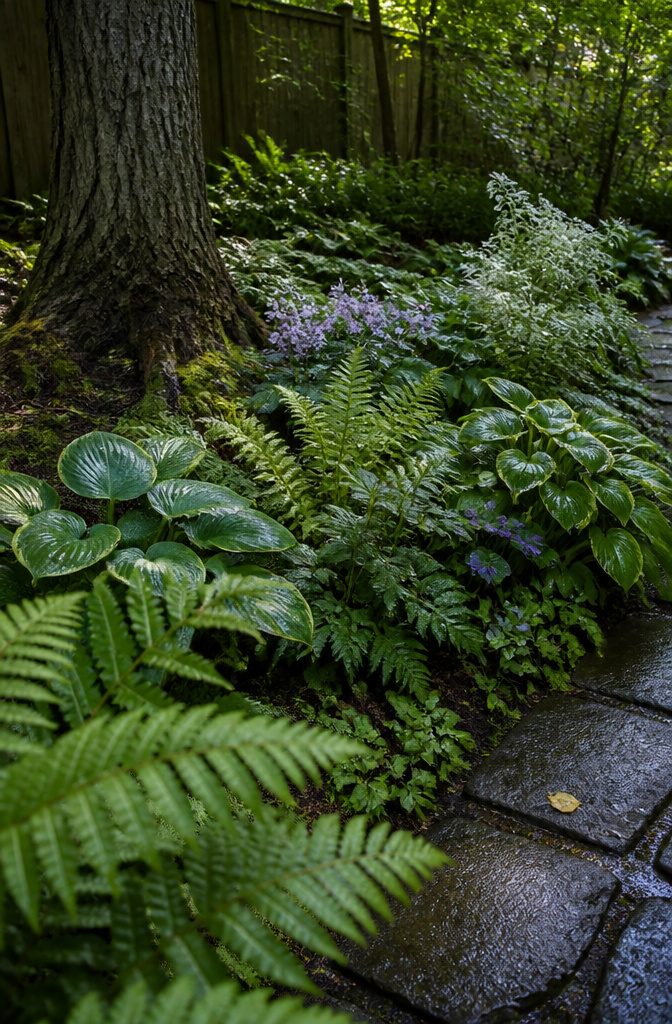
Shade gardens run on foliage, so choose plants for leaf shape first and flowers second.
Hostas give you broad, lush leaves, a tidy habit, and delicate flower stalks. Set ferns beside them: feathery fronds against wide hosta blades give the bed a woodland feel, and native ferns are very hardy.
Woodland phlox, columbine, and violets add color, but treat them as accents so the bed still looks good when they stop blooming.
Fill the gaps between clumps with an evergreen ground cover. Wild ginger or green and gold both work, and because they stay green, the bed never looks bare.
Recommended Products
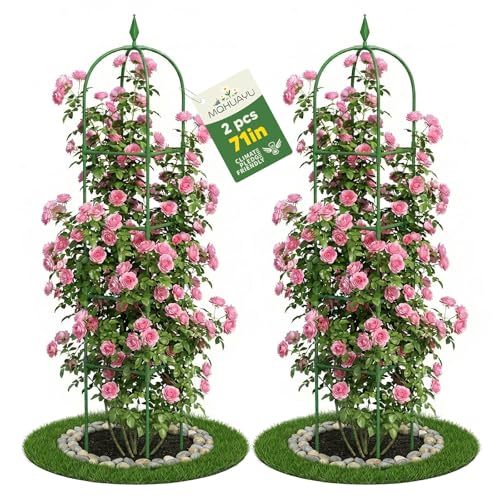
【6 Ft Adjustable Height】This 4-tier garden trellis for climbing plants provides ample space to plant thrive. With removable 4-way connectors, you can easily adjust the height as your plants grow—reaching up to 6 feet tall. It offers the flexibility needed for healthy vertical development

ELEGANT GARDEN ARCH TRELLIS – Transform your backyard into a beautiful garden retreat with this classic black metal garden arch. Create an inviting entrance along pathways, over garden beds, or among your favorite flowers and climbing plants.
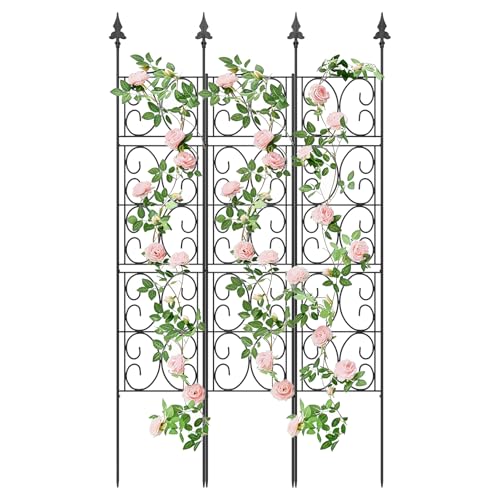
All-Metal Frame With Reinforced Welded Build: Crafted with an 8mm thick metal tube frame and 4mm solid metal mesh, this metal trellis for climbing plants outdoor provides exceptional strength and durability. Its fully welded structure and smooth powder-coated finish resist bending, rust, and breakage—keeping your garden trellises sturdy through all seasons for roses, ivy, and other climbing plants
6. Picket-Fence Planting
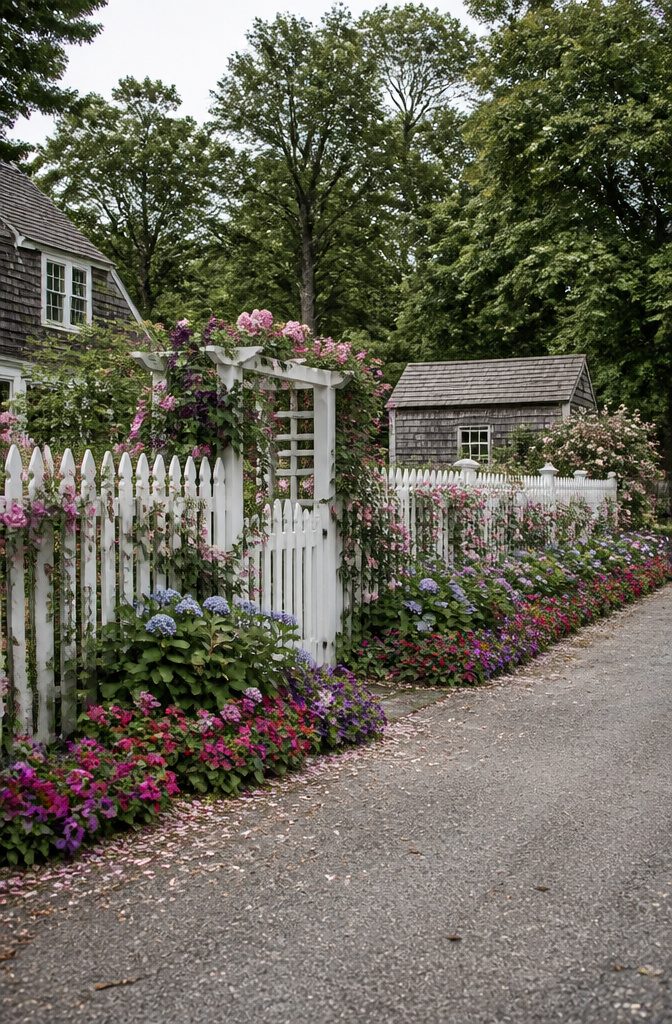
White paint gives flowers a clean, high-contrast backdrop, so deep pinks, purples and reds look sharper against it than they would against wood or brick.
Train climbing roses and clematis up the pickets or over a small gate arbor, and plant hydrangeas along the base for a full, shrubby layer.
For color at the front, petunias, zinnias and vincas stand out against the white and are cheap to replace each year.
Check your local municipality’s height restrictions and guidelines before you build or change a fence. The allowed height also decides how much surface your climbers have to cover.
Recommended Products

Size: The garden bed measure is 46"L x 23.6"W x 17"H. The planter box provides ample space for planting vegetables, fruits, flowers and other plants.

Size: The garden bed measure is 23.6"L x 23.6"W x 17"H. Made of galvanized steel sheet metal with a rust-resistant coating features long-lasting use during kinds of weather.
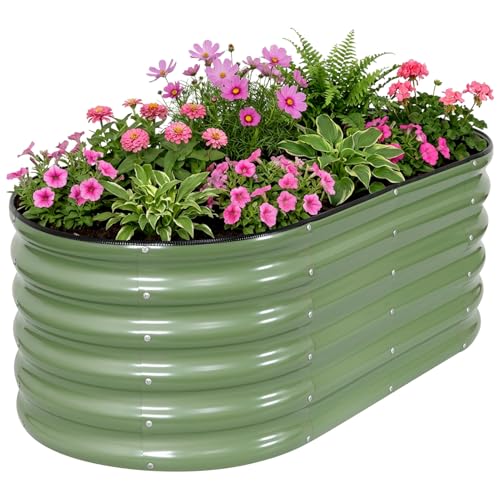
【Large & Deep Root Space】 This 17-inch tall metal garden bed lets you garden without the back and knee strain. Its generous size provides ample space for growing a variety of crops together. This 4x2x1.4FT large raised garden bed outdoor gives you the freedom to plant deeper-rooted vegetables like carrots and potatoes in one organized, productive layout.
7. Small-Space Container Garden
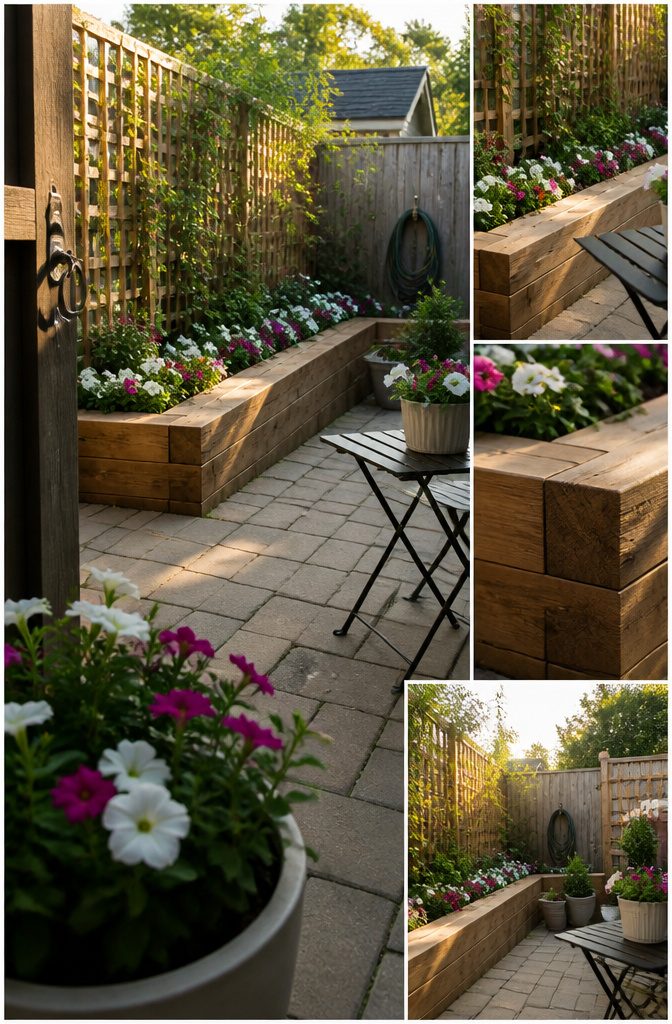
A 40-foot by 20-foot yard is plenty for a full garden if you plan it in layers. Turn the layout 45 degrees so beds and paving run on a diagonal.
Diagonal lines make a small rectangle feel larger. Build raised beds with walls about 17 inches high, so the edge doubles as seating.
Limit the palette to two or three colors.
Petunias and vincas in matching tones suit hot summers and fill pots and beds equally well. Choose compact or dwarf varieties so nothing crowds the patio.
When floor space runs out, go up. Hanging planters and trellises carry jasmine or annual vines, and a folding bistro table can be stowed when you need the room.
Recommended Products

Stunning Mixed Color Display: Grow a breathtaking garden with these 150 mixed rose seeds, offering a vibrant assortment of colors. This variety creates a captivating visual appeal, perfect for creating a personalized landscape full of richly-hued blooms

UV STABILIZED HIGH QUALITY MATERIAL – Using only high-quality HDPE ensures the Garden Netting to last long. Fabric is UV stabilized to withstand fading and retain material strength. Thick metal grommets about every 24'' on all four sides. durable High-density polyethylene (HDPE) to be weatherproof while maintaining material strength. Protects your plants from being overwhelmed by direct sunlight in hot & sunny environments or storm's destruction.

Mass Planting of Mixed Color: Create spectacular rose displays with this bulk 600-seed Mixed Color Rose collection. Grow your own beautiful roses in a stunning variety of colors and forms, perfect for establishing large-scale rose gardens and hedges
8. Japanese Garden
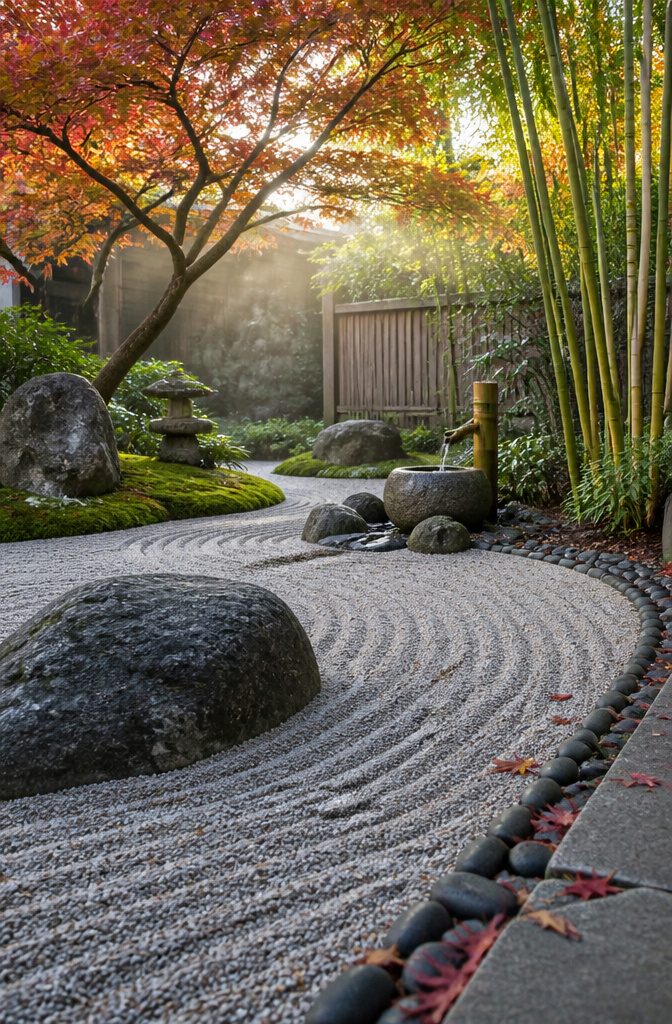
A Japanese garden gets its calm from what you leave out. Stone, gravel, bamboo, a maple and a small water feature make up the whole palette, and each piece needs open space around it to look intentional.
It suits a quiet corner, a small courtyard or a backyard retreat, where a few well-placed elements beat a crowd of different plants.
Keep the layout clean and resist filling the gaps, because bare gravel is part of the design, not unfinished space.
The price is upkeep.
Gravel has to be raked to hold its lines, and maples need pruning to keep their shape. If you won’t do both regularly, pick a looser style.
Recommended Products

🌼 “American Meadow Magic” Wildflower Seed Mix: Our signature PlantMe blend features 25 diverse wildflower varieties, specially curated to create a stunning, natural meadow right in your own backyard. Experience the magic of a flourishing, colorful ecosystem.
9. Grassless or Desert Garden
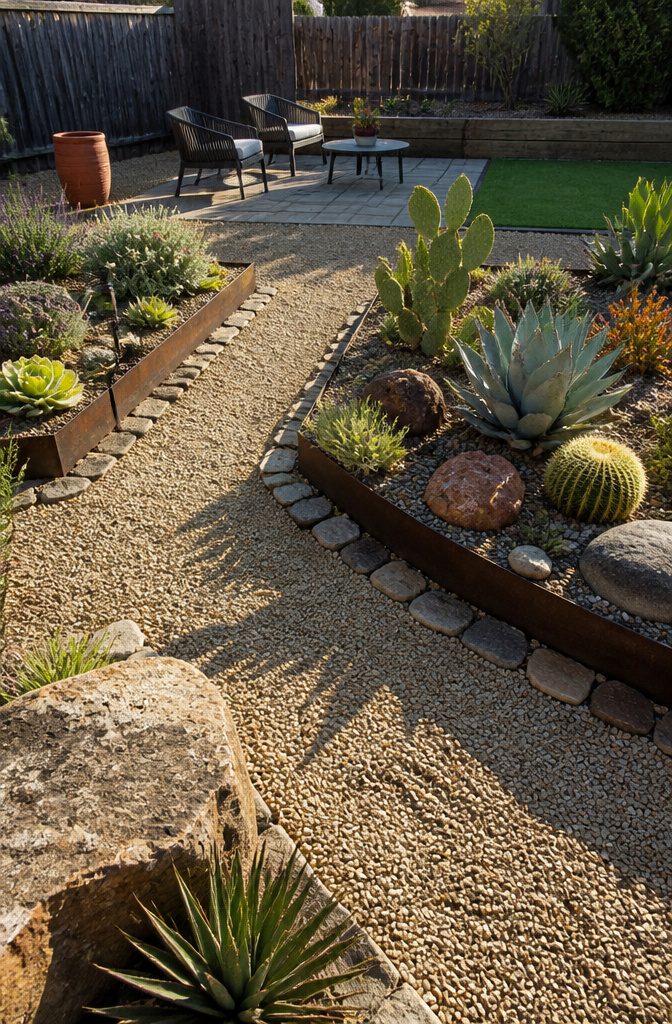
Replacing lawn with pavers, gravel, flagstones, decking or ground-cover plants cuts mowing and watering at once, which suits a yard that has to handle dry spells.
A simple layout is a gravel path between raised beds, with a paver patio for dining.
The desert version goes further: rocks, gravel, succulents and cacti grouped into a few clear planting zones, so the yard looks planned without regular watering. Succulents and cacti belong in your sunniest, driest spots.
Artificial grass works best as a small patch where you still want something green. It saves water, but it gives wildlife nothing to use, so skip it across a whole yard.
Recommended Products
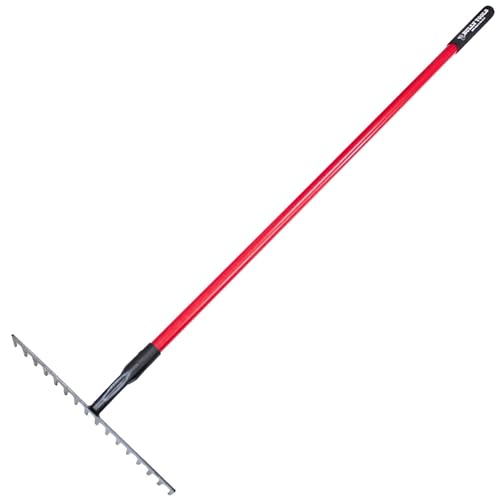
HEAVY DUTY GARDEN RAKE FOR SPREADING STONES, GRAVEL, AND MULCH: This 7-gauge stone rake is the go-to heavy duty garden rake for spreading gravel, stones, and mulch evenly across large outdoor areas; ideal for yard leveling rake tasks, soil preparation, and all heavy duty rakes for lawns applications in both residential and commercial landscaping settings

FULFILL YOUR GARDENING IDEA - You may have visions of how you want your garden to be and there are things to help you fulfill it. Small garden rakes have many functions for your backyard garden, even for weeding! 5 tines of this hand cultivator perfectly break and loosen the soil for air and water to penetrate deeply and drain more effectively.
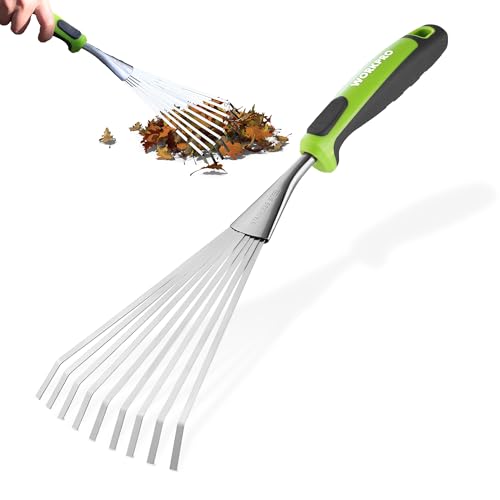
Compact & Versatile Garden Rake: The small rake is designed to reach where full-size rakes can’t. This stainless steel rake easily gets into cracks and crevices and around delicate plants. Ideal for clearing fallen leaves, spreading mulch, and lightly tilling soil in small garden spaces. A must-have garden tool for precision gardening!
10. Garden Paths and Walkways
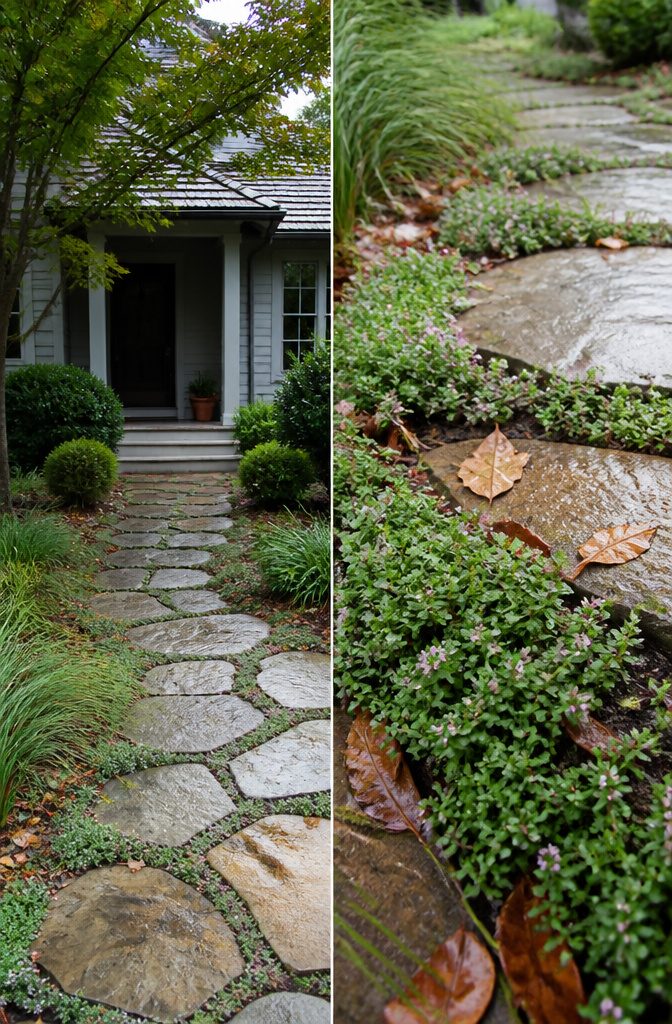
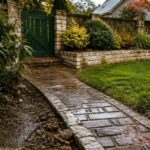
A path should lead clearly to the entrance, so lay it first and plant around it. Match the material to the house: brick or natural stone suits a rustic country home, and pavers or gravel fit other exterior styles.
Stepping stones are the lightest option for a side yard or back bed, and creeping thyme planted in the gaps softens the edges.
Inside the garden, a path sets the flow from one area to the next, such as patio to beds.
At the front, keep large plants away from the door, because they hide it and make the approach feel unwelcoming. Low borders of thyme, small shrubs or ornamental grasses frame the walkway without crowding it.
Recommended Products

One Trellis for All Growth Stages: Adjustable from 23.8" to 71" - Unlike fixed-height trellises, ours adapts to your plants’ entire life cycle—from delicate seedlings to towering vines. One trellis supports it all, season after season

[HEAVY-DUTY 16MM STEEL CONSTRUCTION]: Stronger for demanding garden use with upgraded 16mm steel tubes and 0.5mm thick tube walls. The reinforced metal frame provides greater strength and stability than lightweight garden arches.

Elegant garden trellis: This 45-inch garden trellis adds a personal touch to your space with the engraved phrase “Love Grows Here” at the top—a perfect blend of sentiment and style. The grid structure offers optimal support for climbing plants, seamlessly combining decorative appeal with practicality for gardens, vegetable patches, or yards.
11. Terraces for Sloped Gardens
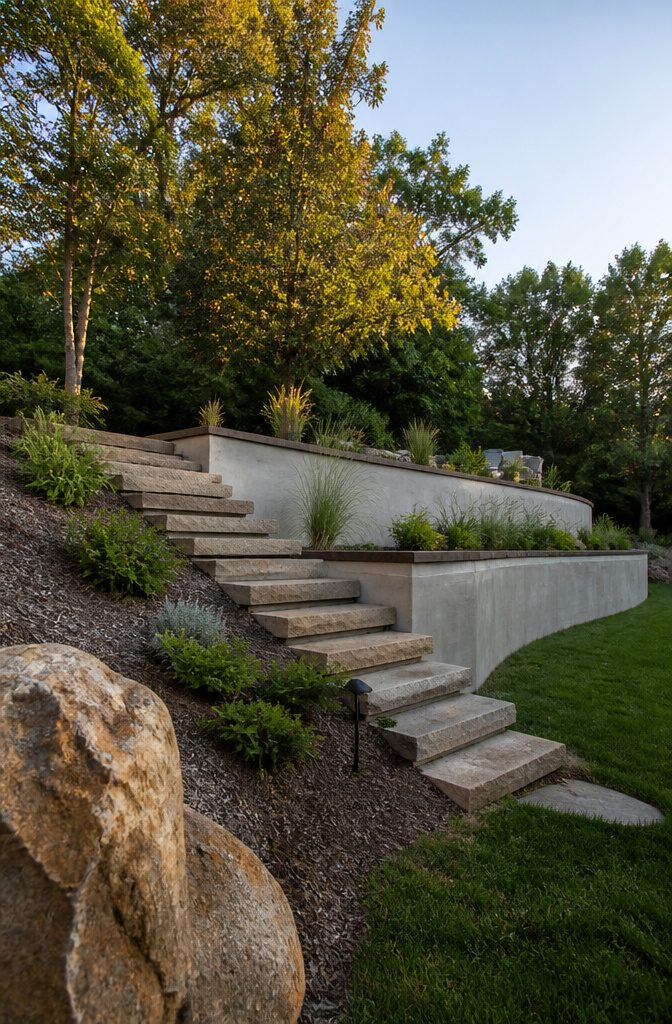
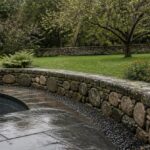
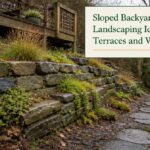
Cut a slope into level steps and it becomes usable ground. Terraces, retaining walls, raised beds and stepped paths all control erosion while giving you flat spots for planting or seating.
One stairway of 6-inch-thick sandstone slabs split a hillside into two levels of outdoor living space, and the steps tied the levels together.
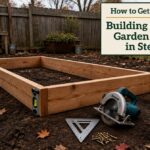
Treated wood is the cheaper wall material and suits low terraces and raised beds, though it eventually rots and needs replacing.
Concrete costs more to build and lasts longer, which counts most in a taller wall holding back more soil. On a gentle slope with a tight budget, start with wood.
12. Outdoor Living Garden
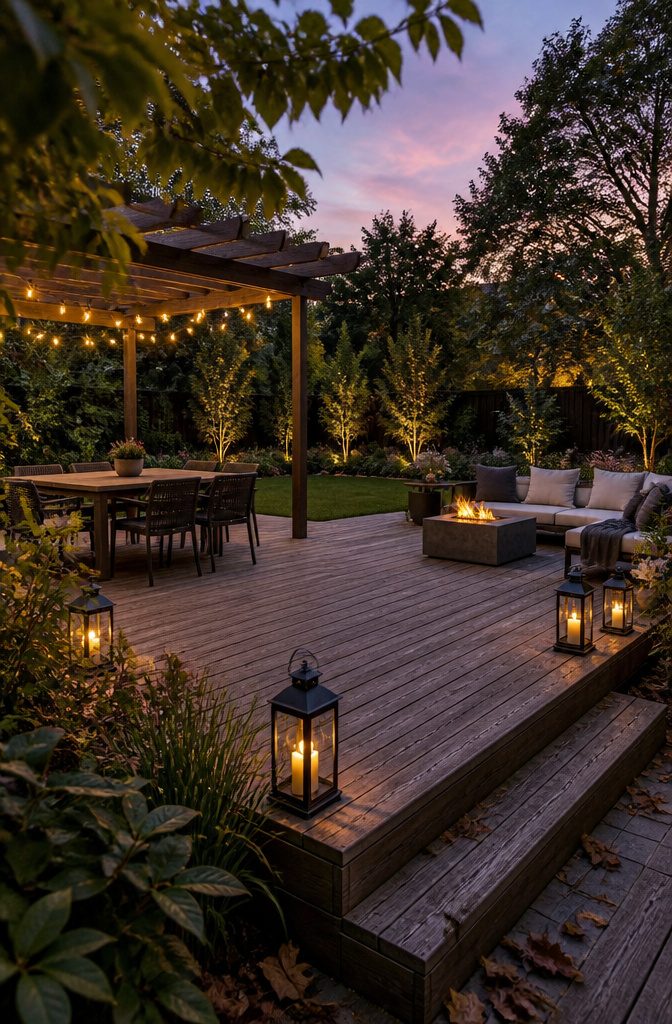
Group a dining spot, a lounge corner and an open area for guests around one patio or deck.
Shade decides whether anyone uses it in July. A pergola or gazebo gives permanent cover, an awning suits a patio against the house, and a large umbrella is the easiest to move or skip if you rent.
After dark, solar lights or lanterns along the ground keep people from tripping, and string lights over the table set the mood. A fire pit or chimenea makes cool evenings worth sitting through.
Check local rules on wood-burning fire pits before you buy, since some areas prohibit them. A gas or propane model is the workaround.
13. Water-Feature Garden
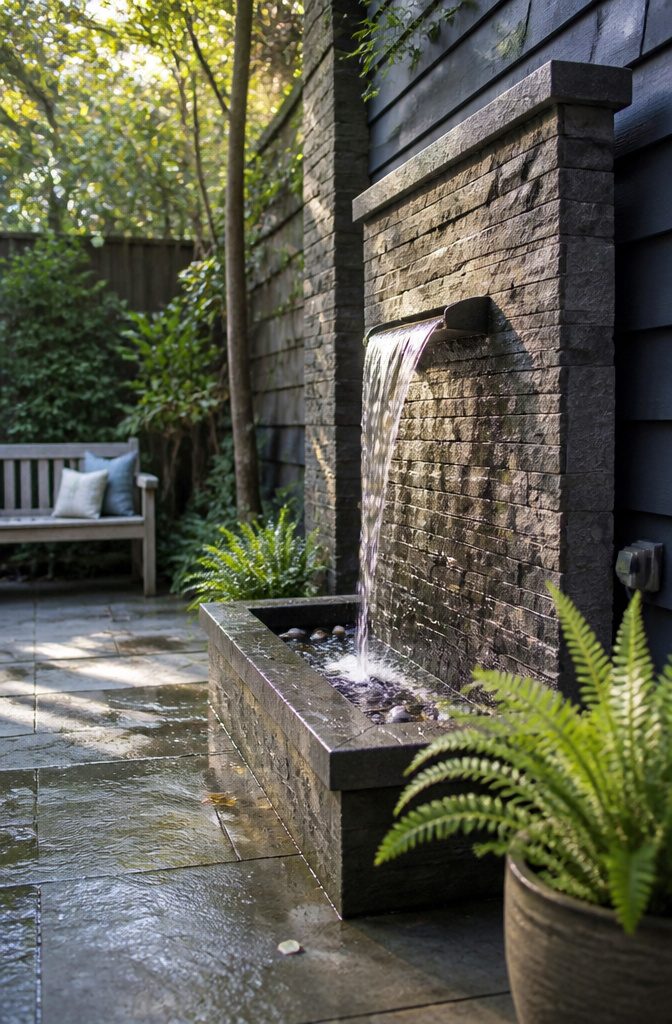
A fountain, pond or waterfall gives a yard movement and sound, which is why it works as a focal point.
In a small yard, patio or balcony, skip the pond. A recirculating wall fountain or a bubbling tabletop pot reuses the same water, so all it needs is a pump and a cord.
Either one needs an outdoor outlet within reach, so check that before you buy.
A pump draws power whenever it runs, and a plug-in timer trims that. Water evaporates fast in a hot, dry summer, so check the reservoir often, because a pump left running dry can burn out.
Ponds and waterfalls add more upkeep: skimming leaves and cleaning the pump intake. Unless you have a spot to sit and watch it, the pot or wall fountain is the better buy.
Check Your Site First
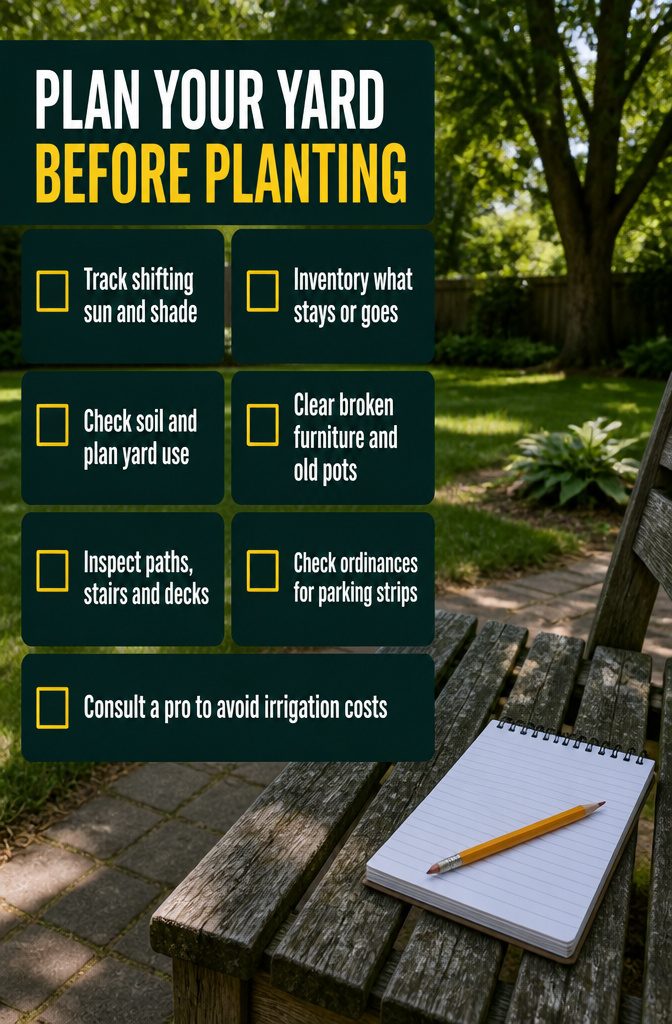
Walk the yard with a notepad before you buy a single plant. Each check below changes what you plant or build.
- Track the sun. A south-facing front lawn may get full sun all day, while trees and structures shade other spots. Pockets of sun and shade shift through the day, and they decide which plants go where.
- List what you already have: trees, lawn, plants, hardscape. Mark what stays and what goes.
- Check your soil and decide how you’ll use the space, whether for seating, play or growing food.
- Clear out broken furniture, unused tools and old pots.
- Inspect paths, stairs, decks, patios and shade structures for loose, uneven or damaged spots.
- Look up local ordinances before planting a parking strip.
- Consult a professional before installing irrigation, so you avoid unexpected costs.