Costs run from free, such as cutting clean bed edges with a flat shovel you already own, to a $500–800 yearly plant budget.
Your USDA hardiness zone decides where the plant money is safe to go. A plant rated for another zone can die in its first hard frost, taking what you paid with it.
1. Know Your Hardiness Zone
Look up your USDA plant hardiness zone before you spend anything, because the zone is the first filter for every plant you consider.
A plant rated for a different zone can die in its first hard frost or struggle through a dry stretch, and the money you paid for it goes with it. Aesthetics pull most people off course:
Many times homeowners purchase plants because they are a fan of the aesthetic and don’t consider if that species is right for their zone. Hardiness zone comparability will save you a lot of money, especially in times of drought or frost.
— Redfin
Find your zone on the USDA map, then match it to the zone range on the plant tag before the plant goes in your cart.
Recommended Products

Size: 24"x18" (rolled laminated)

2. Plan Your Layout
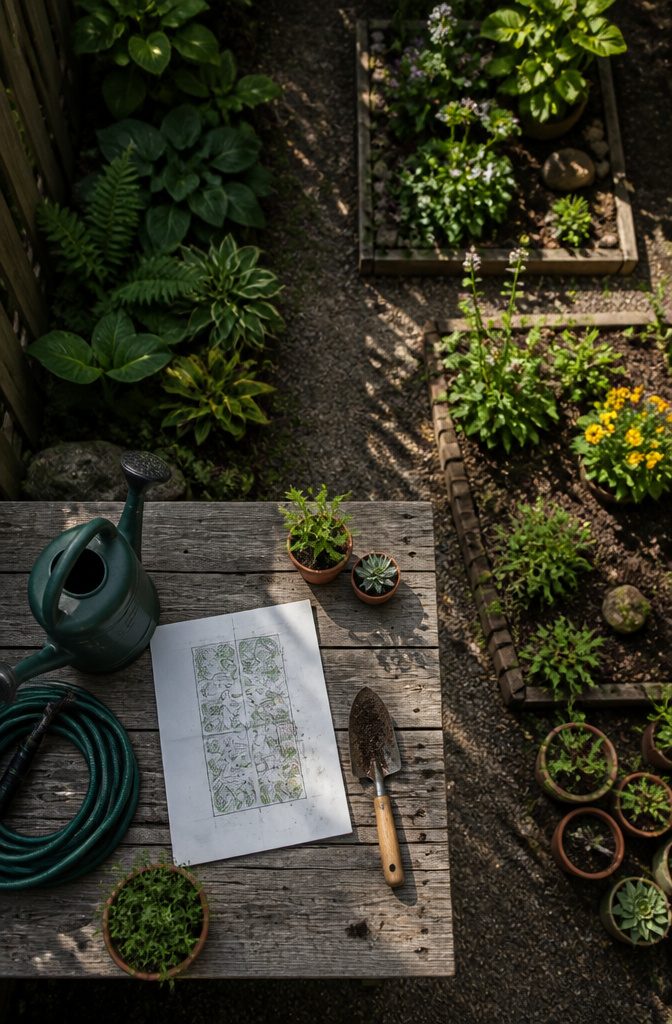
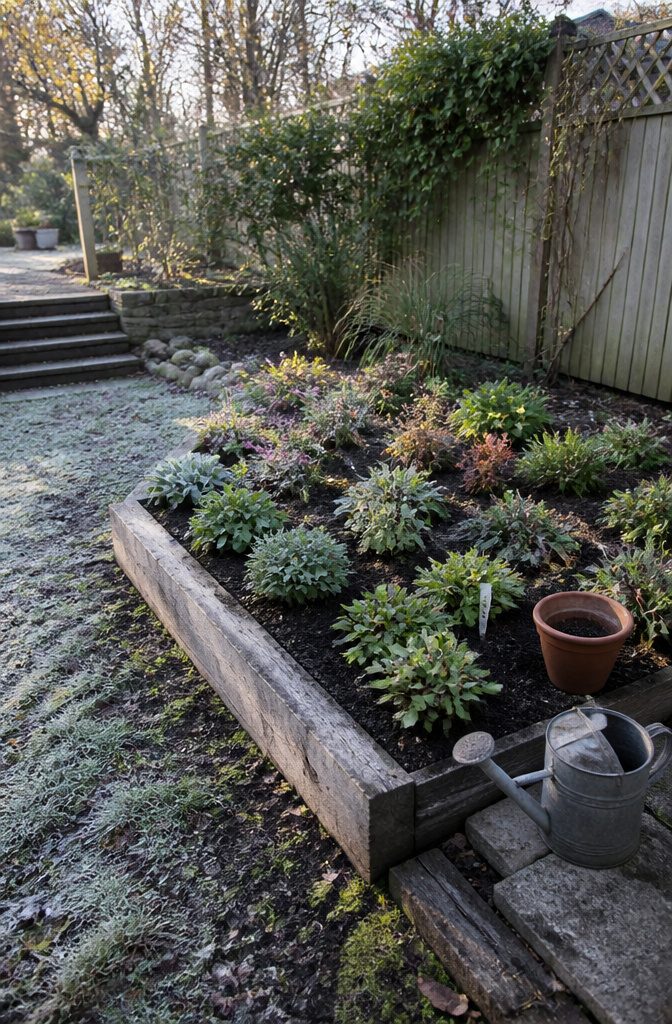
Sketch the yard on paper before you buy anything, then check three things for every spot:
- Sunlight: Note where sun and shade fall through the day, and match each plant’s light needs to that spot. A sun lover in a shady corner will struggle.
- Water access: Put thirsty plants within easy reach of a hose or watering can. A bed you have to haul water to is a bed that gets skipped.
- Mature size: Read the tag for full-grown height and spread, not the size in the nursery pot. A plant that outgrows its spot crowds its neighbors and often gets pulled out, which wastes what you paid for it.
In a small yard, mature size is the check that most often saves money.
Recommended Products

12-LED GROW LIGHT PER TRAY — Each of the five seed starting trays features a full-spectrum grow light with 12 LED beads, providing supplemental light for indoor seedlings.

Pro Grow Lights with Advanced Chips: Equipped with 56 high-efficiency beads per tray, these LED strips simulate natural sunlight for optimal seedling growth. Adjustable brightness and timer functions let you customize lighting for every plant stage, promoting faster, healthier growth—perfect for herbs, flowers, and more

12-LED GROW LIGHT PER TRAY — Each of the five seed starting trays features a full-spectrum grow light with 12 LED beads, providing supplemental light for indoor seedlings.
3. Start With Seeds
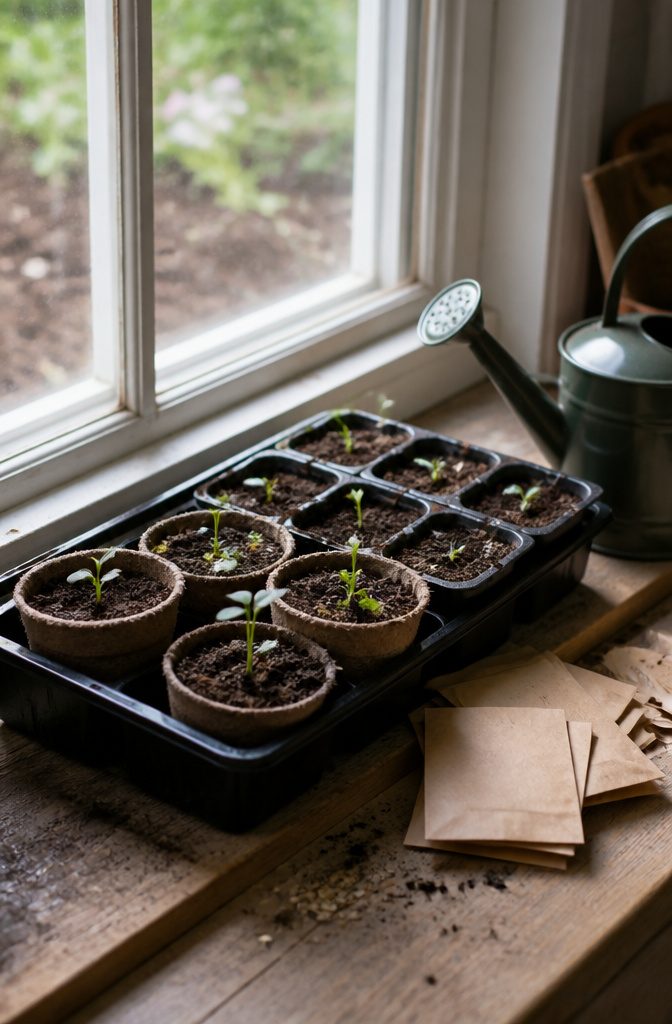
Seeds cost much less than mature plants, and a seed catalog offers far more varieties than a garden center shelf. For a small yard on a tight budget, that makes seeds the better first purchase.
In a cooler climate, or any time the ground is still cold, start seeds indoors in small containers and move them out once the weather warms.
You can also skip the indoor step and sow straight into the bed when the soil warms up.
Either way, keep seeds and small plants out of direct sunlight for the first two weeks. A bright windowsill with a bit of distance from the glass, or a shaded spot outdoors, works while young growth settles in.
Recommended Products
High Quality and Durable - Our Gardzen Seed Start Trays are made from premium plastic material, ensuring long-lasting use for all your seed starting needs. These trays are designed to withstand daily wear and tear, making them perfect for avid gardeners.

Protect Your Investment & End Flimsy Tray Frustration --- Invest Once, Grow for Years: Stop wasting money on thin, brittle trays that buckle or crack under the weight of soil and water. Our ultra-durable thick PS plastic 1020 trays are engineered to hold up to 40 lbs without bending. This means you can transport your precious seedlings with total confidence, knowing your hard work won't end up on the floor due to a snapped base.

**10 PACK 17 X 11 INCH GROWING TRAYS** – Includes 10 plant growing trays, each measuring 17 x 11 inches, giving you plenty of space for seedling pots, seed starting, planting projects, and everyday indoor or greenhouse gardening.
4. Propagate From Cuttings
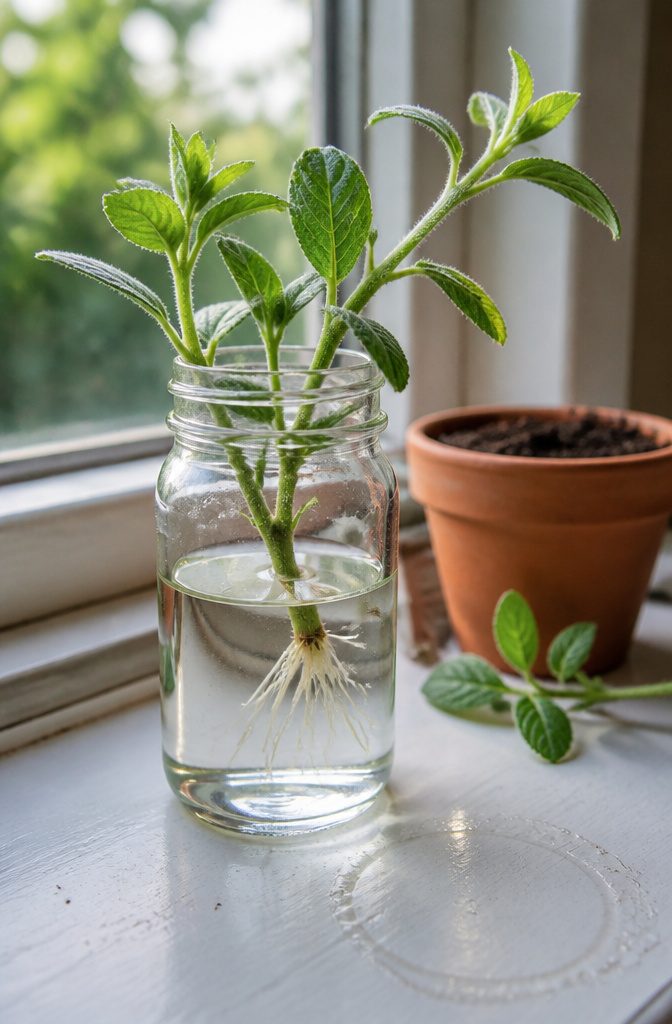
Ask a friend or neighbor for a cutting before you buy a single plant. Many herbs and houseplants root in plain water, so the whole cost is a jar of water and some patience.
Snip a stem just below a leaf node, strip any leaves that would sit underwater, and set the jar on a bright windowsill.
Change the water every few days so it stays clear. Once the roots are an inch or two long, move the cutting into potting soil.
Woody shrubs are slower and often need soil from the start, so begin with soft-stemmed plants. They give the fastest, most reliable results.
Recommended Products

𝟔-𝐏𝐈𝐄𝐂𝐄 𝐏𝐋𝐀𝐍𝐓 𝐏𝐑𝐎𝐏𝐀𝐆𝐀𝐓𝐈𝐎𝐍 𝐒𝐓𝐀𝐓𝐈𝐎𝐍 𝐒𝐄𝐓: Includes 6 clear glass propagation vases in different shapes and heights, creating an elegant way to display multiple plant cuttings at once. These propagation stations help organize your favorite plants while adding a decorative touch to desks, shelves, windowsills, and countertops. Perfect for plant lovers who enjoy stylish indoor gardening displays

THE ULTIMATE ROOTING BOOSTER: Specially formulated with all-natural rooting hormone and vitamins, our propagation drops dramatically speed up root development and strengthen plants at every stage, from delicate cuttings to mature houseplants.
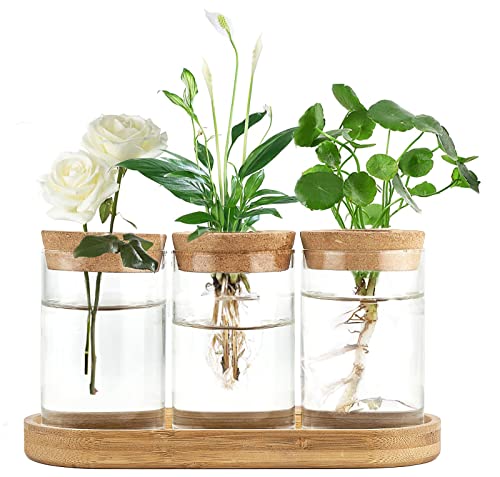
Tabletop Propagation Vase: This stylish design plant propagation vase with lid wooden stand great for growing hydroponic plants. The glass bottle provides enough sapce for planting and growing plants, and the flowers bottle is transparent, making it easy to observe the absorption of plants under sunlight
5. Use Free Resources
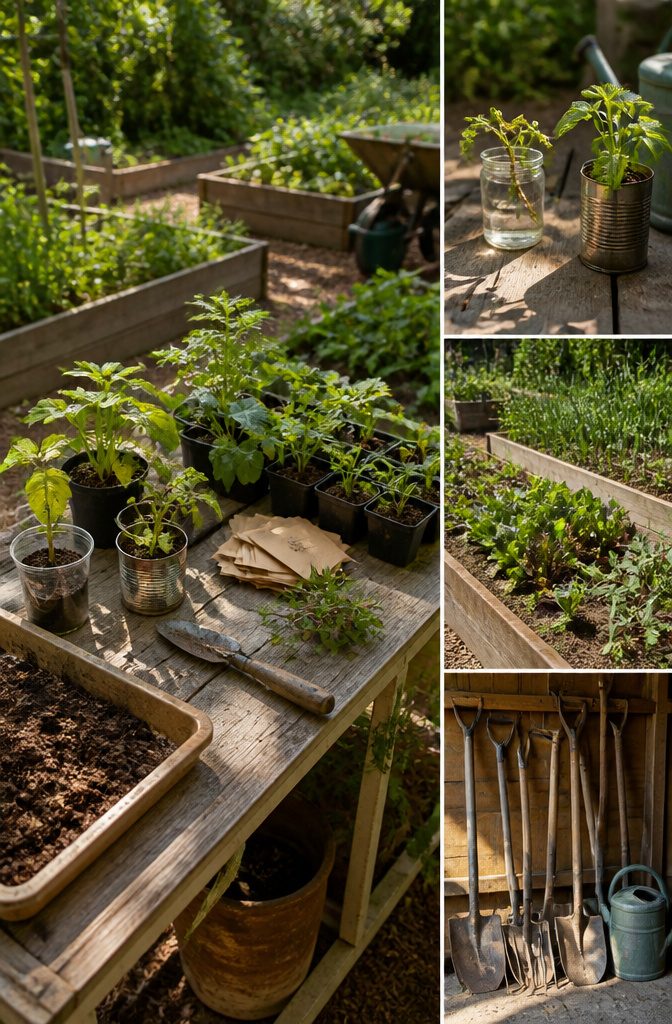
Gardeners often end up with more plants, seeds, and tools than they can use, and many will give the extras away. These are the places to ask:
- Reddit and other online forums. Post what you’re looking for, or reply to someone offering a surplus. Naming the plant and your growing zone gets better answers than a general request.
- Community gardens. Plots tend to have spare seedlings and shared tools, and the people working them will often point you to someone dividing a perennial.
- Local gardening groups. Members swap extra plants, seeds, and tools, and they know which varieties handle your area’s weather.
Offering a few of your own seeds or a cutting in return keeps the swap going, and it’s a cheap way to meet people who can answer your questions.
Recommended Products


SPACE-EFFICIENT FOOTPRINT: The compact footprint of the metal garden bed provides a generous planting area without taking over the yard. It fits neatly in smaller outdoor spaces, helping grow food, herbs, or flowers where larger beds may not fit or feel oversized. The galvanized steel raised garden bed measures 43" W x 43" D x 12" H and weighs 9.2 lb. It has 5.27 cubic feet of soil capacity (about 6 bags of 1 cu ft) for deep-rooting plants like tomatoes, peppers, and herbs.
6. Shop Local Nurseries and Markets
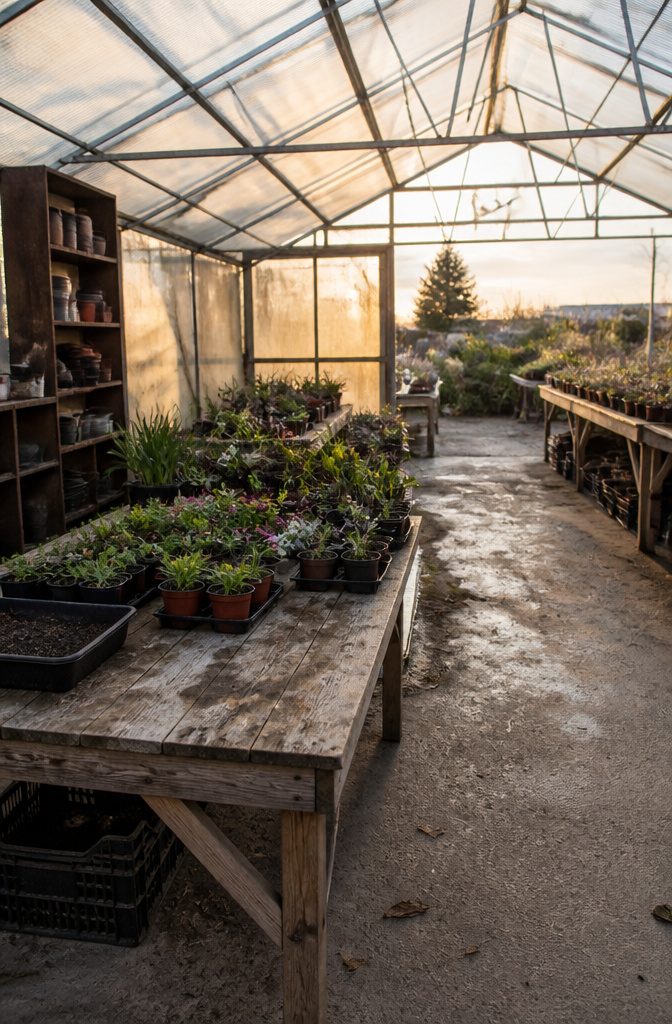
Local nurseries and farmers’ markets often beat the big chain stores on price, and they stock plants the chains skip.
The person behind the table has often grown what’s on it, so you can ask what survives in your yard and get a straight answer.
Local shops also tend to help when a plant starts struggling, which a chain checkout line won’t.
The cheapest buy comes at the end of the season. Growers split tubers, bulbs, and large plants into smaller starts, and those starts often cost little or nothing.
If you don’t know a grower, ask a local florist for contact information for the flower growers they buy from, then ask about leftover divisions.
Recommended Products

Find the time in another part of North America "at a glance" with this full color time zone and area code map. Artistic style map features different colors for each of the Atlantic, Eastern, Central, Mountain, Pacific, Alaska, and Hawaii standard time zones.

7. Upcycle Containers as Pots
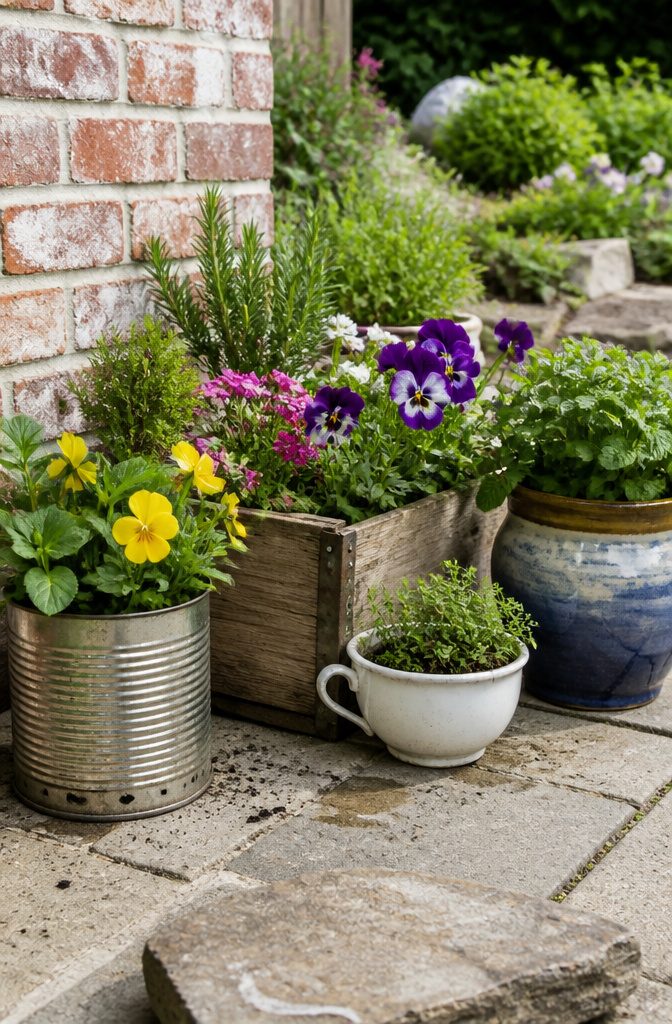
Old tires, tin cans, wooden crates, and wine crates all hold soil, and so do mason jars, teacups, old mugs, candle jars, and thrifted ceramics. Check your cabinets and garage before you buy a single pot.
Plant seasonal flowers and herbs together in the same container.
A flower next to a herb gives you color and something to cook with. Mugs and teacups suit one small plant, while crates and tires have room for a mix.
Every container still needs drainage holes, or the roots sit in standing water. Punch holes in the bottom of tin cans.
For a teacup or jar you can’t drill, set a plastic nursery pot inside it. The bottom-watering idea in this list pairs well with these containers.
Recommended Products
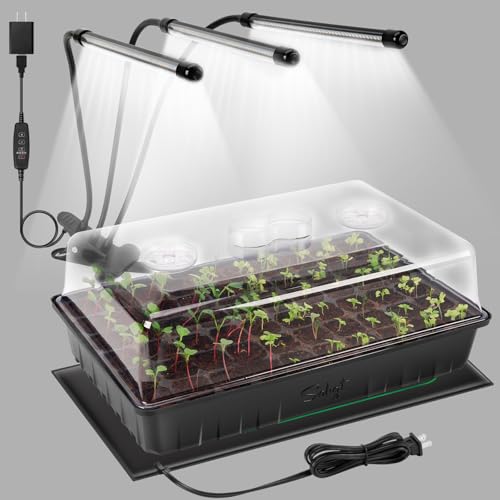
Complete Seed Starter Kit: All-in-one with 60-cell seedling tray, bottom seed starter tray, humidity dome, grow lights for seed starting, heat mat, and easy instructions. Perfect for starting healthy seedlings or clone propagation indoor

【Upgraded Elevated Humidity Dome for Versatile Growing Needs】MIXC elevated adjustable humidity dome offers extra space and comfortable temperature for seedlings, giving your plants more room to grow before transplanting. Ideal for flowers, fruits, vegetables, and more.

Pro Grow Lights with Advanced Chips: Equipped with 56 high-efficiency beads per tray, these LED strips simulate natural sunlight for optimal seedling growth. Adjustable brightness and timer functions let you customize lighting for every plant stage, promoting faster, healthier growth—perfect for herbs, flowers, and more
8. Choose Low-Maintenance Plants
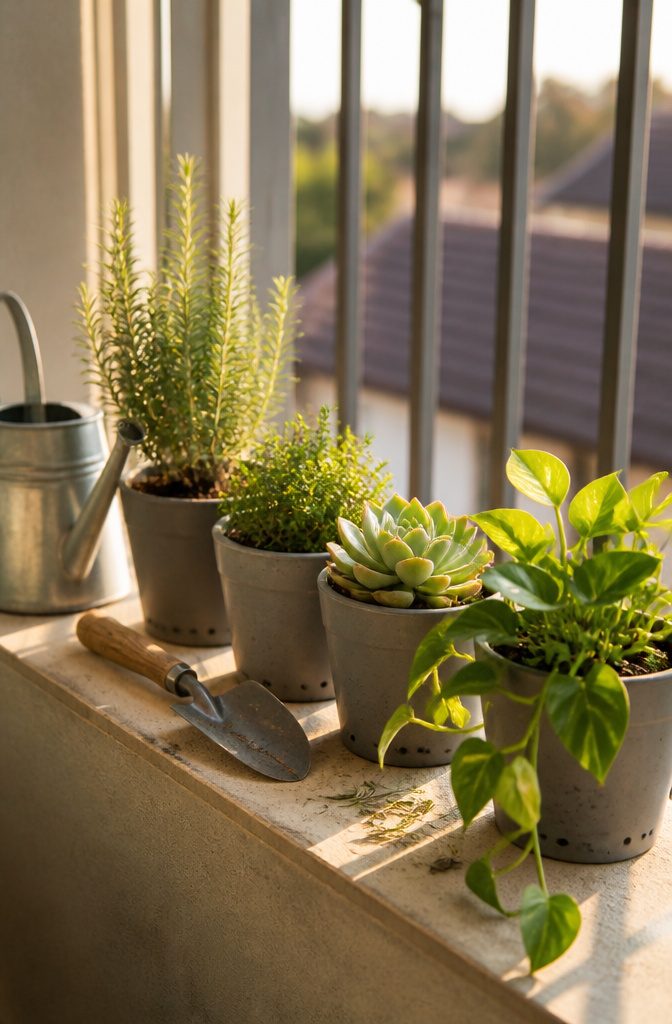
Herbs, succulents, and pothos are the three to start with.
All of them grow well in containers, and none needs more than a trowel and a pot with drainage holes. They also forgive a missed watering, which matters if your week is full or your budget is thin.
Succulents hold water in their leaves, so a skipped week costs them little. Pothos droops when it gets dry, then perks up after a drink, which teaches you how much water a pot actually wants.
Among herbs, rosemary and thyme like to dry out between waterings, while basil is the one that sulks. Skip fussy bloomers your first season and put that money toward a second pot.
Recommended Products

【Complete Seed Starting Kit】 Seed starter kit includes 12 trays, 12 watertight base trays, 12 humidity domes, and 12 plant labels for a complete seed starting solution.

Adjustable Vents: The seed trays have adjustable vents that allow you to regulate the temperature and humidity of your seedling environment for total control over the growing process.

【Reusable & Durable Material】Our 12 Cell Seed Start Trays are made of lightweight but durable plastic, these seed trays can be reused for multiple growing seasons. RooTrimmer seed trays endure daily handling and can be reused season after season
9. Water From the Bottom
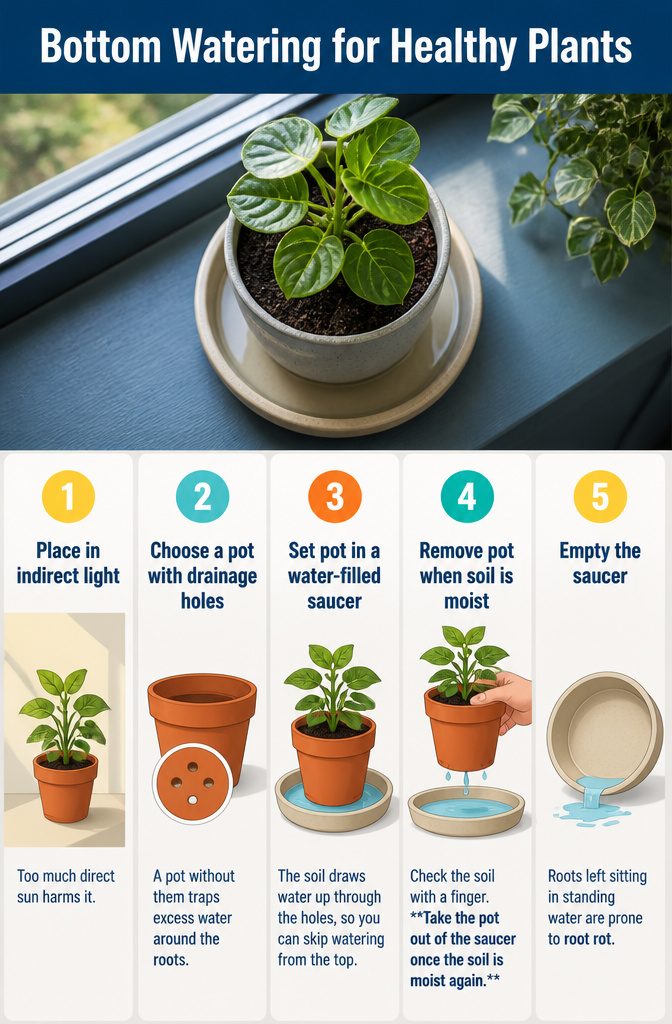
- Put the plant where it gets indirect light. Too much direct sun harms it.
- Use a container with drainage holes. A pot without them traps excess water around the roots.
- Fill a saucer with water and set the pot in it. The soil draws water up through the holes, so you can skip watering from the top.
- Check the soil with a finger. Take the pot out of the saucer once the soil is moist again.
- Empty the saucer. Roots left sitting in standing water are prone to root rot.
Recommended Products
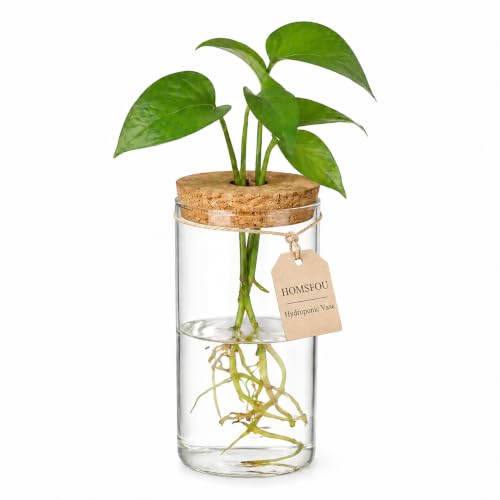
Easy to Use: This propagation vases bottle serves as a transparent glass plant bottle allowing clear visibility of your plants and water levels, making it an as a vase for hydroponic plants suitable for desktop display and micro landscape arrangements.

Package Includes: each package includes 6 plastic propagation vases, 6 hole lids, and 6 independent saucers, giving you everything you need to start your hydroponic garden; Whether you're an experienced gardener or just starting, this comprehensive set simplifies growing your plants in water

6 Pcs Plant Propagation Station Set - This plant propagation station set includes 6 glass propagation vases in different shapes, giving you more options for pothos, monstera, herbs, lucky bamboo, philodendron, and other plant cuttings. A practical and decorative choice for plant lovers who enjoy growing roots in water
10. Make Your Own Compost
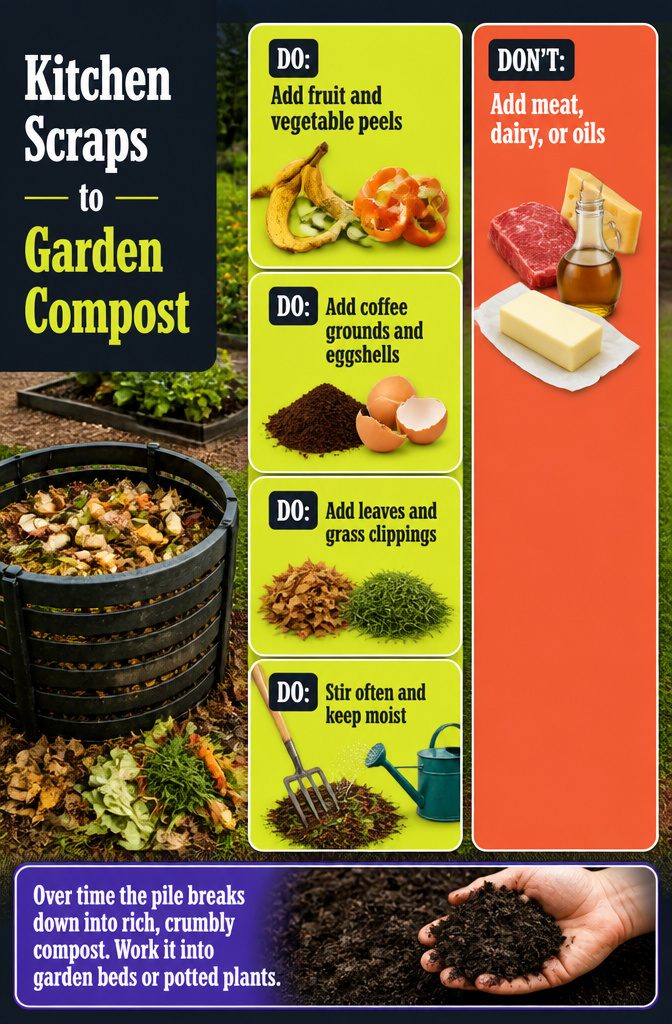
Compost replaces bagged fertilizer with scraps you already throw out, and all you need is a bin or a patch of ground outdoors.
- Add fruit and vegetable peels, coffee grounds, and eggshells from the kitchen.
- Add yard waste too, such as leaves and grass clippings.
- Leave out meat, dairy, and oily foods.
- Stir the pile every so often and keep it moist.
- Over time the pile breaks down into rich, crumbly compost. Work it into garden beds or potted plants.
Keeping scraps out of the trash also cuts landfill waste, and every bag of fertilizer you skip is money back in your $500–800 yearly plant budget.
Recommended Products


11. Grow Vertically
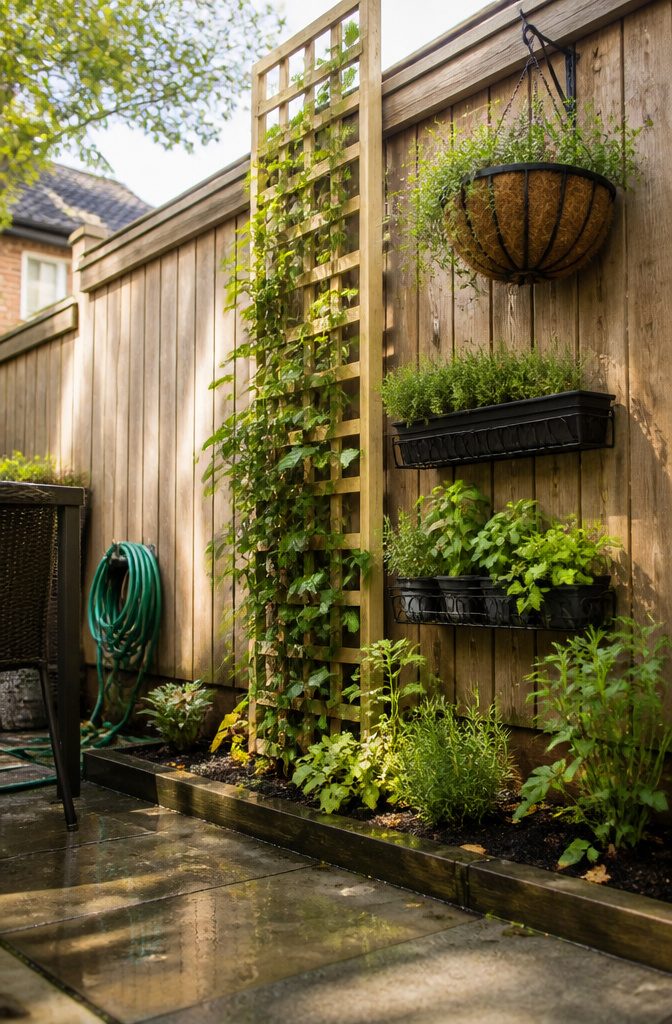
A small yard, patio, or balcony runs out of floor long before it runs out of wall.
Trellises, wall planters, and hanging baskets lift plants off the ground, so a fence, a railing, or a bare stretch of siding becomes planting space.
Start with a trellis. A single climbing plant can fill a tall, narrow strip of wall while taking almost no ground, which is why it beats a row of pots on a tight patio.
Wall planters suit herbs and small flowers you want within arm’s reach.
Hanging baskets add a layer at eye level, but they dry out faster than pots on the ground, so hang them where you can water them without a step stool.
Otherwise they are the first thing you skip on a busy week.
12. Clean Up the Edges
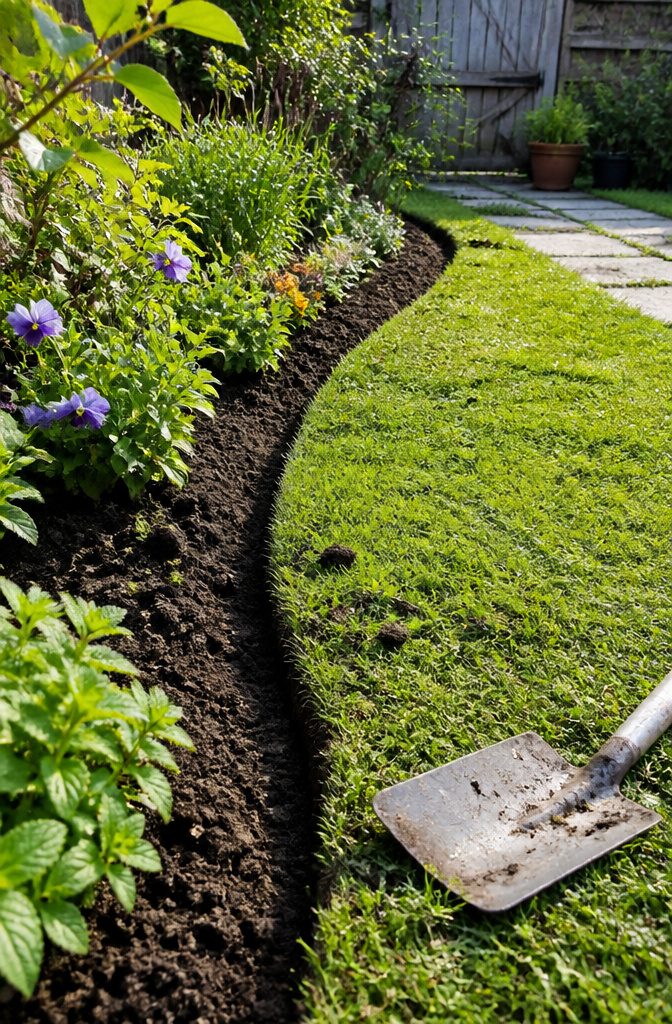
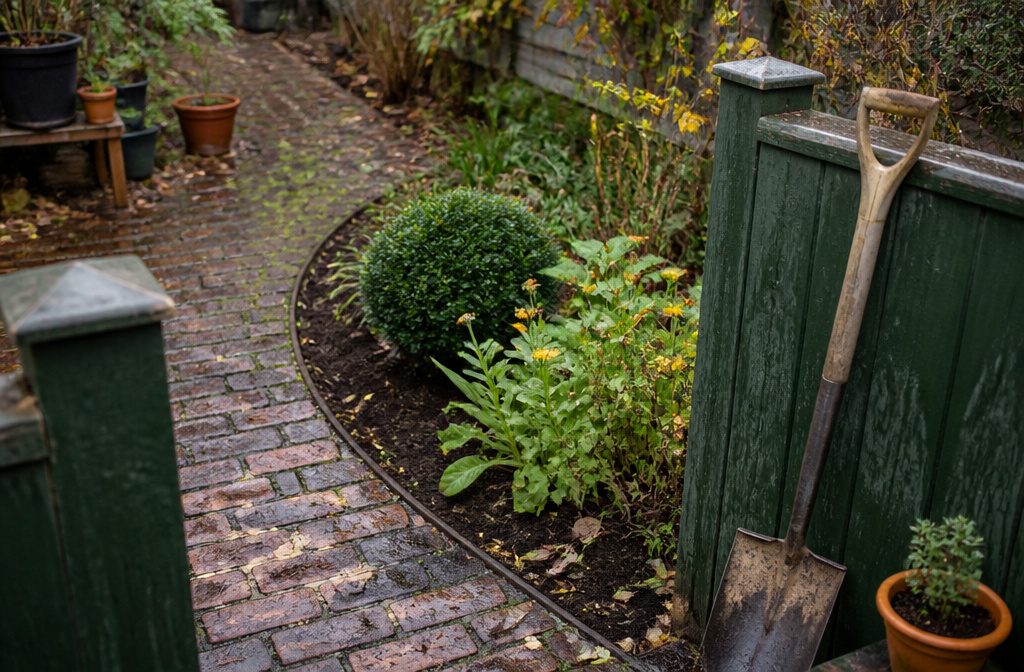
A small, organized garden adds more curb appeal than a large one that’s all over the place, and sharp edges are one of the cheapest and fastest ways to get there.
A flat shovel or edging tool is all you need to cut clean lines along flower beds, walkways, and driveways.
Set the blade where the lawn meets the bed and push straight down, so the line looks like a deliberate border instead of grass creeping into the soil.
If you already own a flat shovel, the cost is zero. Even the simplest bed looks professionally kept with a crisp edge, which makes this a good first job before you spend anything on plants.
13. Make DIY Garden Art
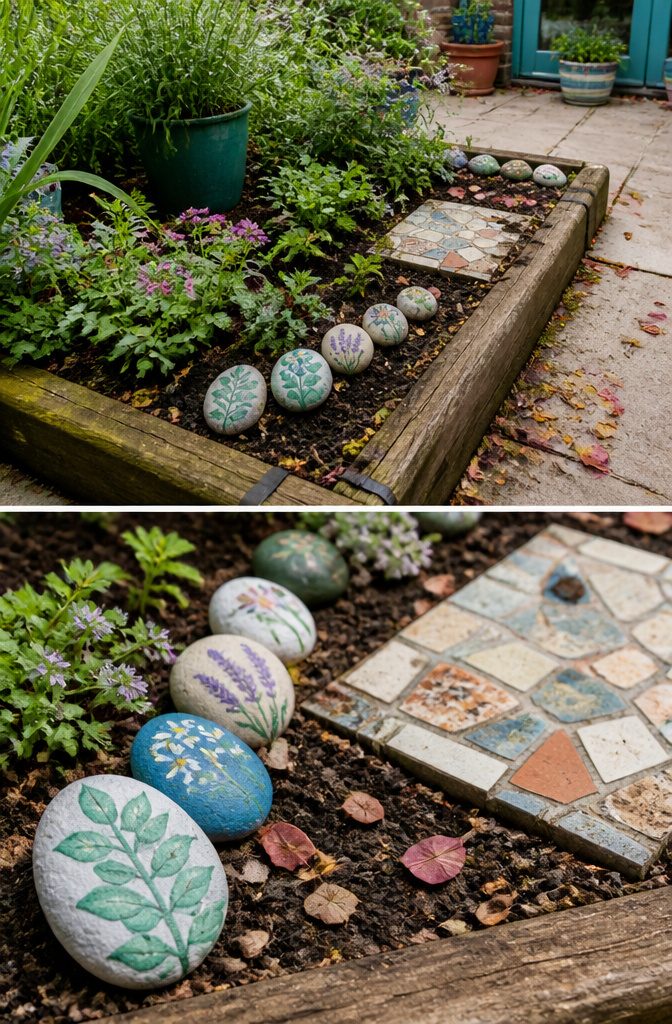
Painted rocks, mosaic tiles, and wind chimes made from recycled materials add character to a small yard without any spending on store-bought decor.
Painted rocks are the cheapest place to start. Paint a few and set them along a bed edge or in a container, where they read as deliberate accents.
Mosaic suits a small space because a handful of tiles on a pot or stepping stone becomes a focal point. It takes more patience than painting, so save it for a rainy weekend.
Wind chimes work best near a patio or balcony seat, where you will hear them, and they can be built from items you would otherwise throw out. Handmade pieces make the garden look like yours, which bought decor rarely does.
Frequently Asked Questions
What is the best outdoor plant for lazy people?
Succulents are the easiest place to start, followed by herbs and pothos. All three grow well in containers and need little more than a trowel and a pot with drainage holes.
Succulents store water in their leaves, so a missed week costs them little. Among herbs, rosemary and thyme prefer to dry out between waterings, while basil is the one that sulks.
What is the best layout for a small garden?
Sketch your yard on paper first, then match each spot to a plant based on sunlight, water access, and the plant’s full-grown height and spread.
Put plants that need frequent water within easy reach of a hose or watering can. When floor space runs out, trellises, wall planters, and hanging baskets add planting room on fences and walls.