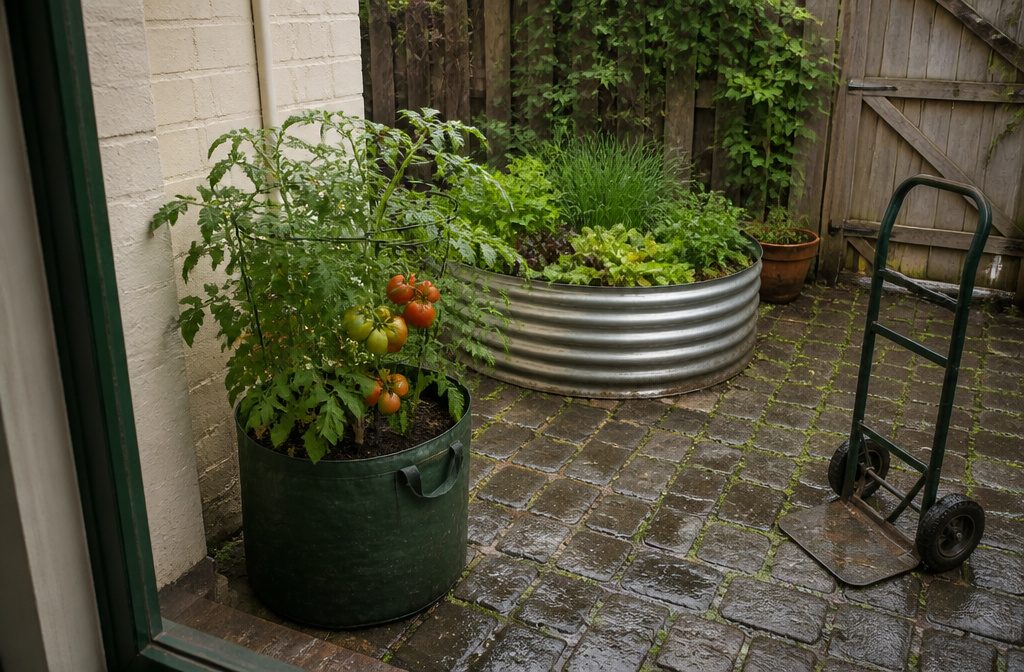
These ideas run from one 15-gallon tomato pot to a potager of four L-shaped beds, and how long you will stay put decides which fits.
Renters should favor containers light enough to lift onto a dolly, since those leave with you at the end of the lease. A raised bed, like the 4-by-4-by-1-foot galvanized circle, stays with the yard.
1. Raised Beds and Containers
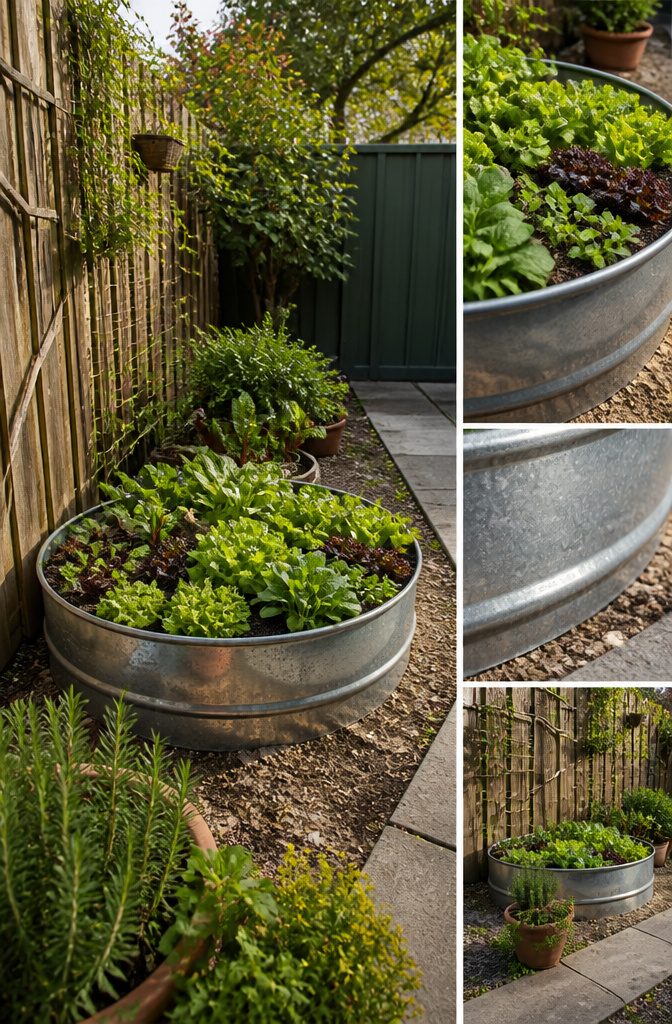
A raised bed lets you set the soil and the layout before a single seed goes in, and for a small yard it beats planting in rows.
Beds planted in tight blocks can produce double the conventional row yield, because you stop giving up ground to walking space between plants.
Vego Garden Beds come in white, grey or green, so the bed can match a fence or patio instead of clashing with it.
For a round shape, Plant and Plot makes a galvanized-steel circular bed that measures 4 by 4 by 1 feet. At 4 feet across, you can reach the center from any side, so you never have to step on the soil.
Recommended Products

What You Get: we have included Galvanized raised garden bed kit with detailed assembly instructions, rubber edge strips, safety gloves , wrench tools and with galvanized nuts and bolts in the box .These essential tools elevate your overall planting and gardening adventure

【Spacious and Versatile Design】: The CATMANOR raised garden beds outdoor provide ample growing space for a variety of vegetables, herbs, and flowers. The raised bed design maximizes planting capacity, making it an ideal solution for gardening enthusiasts who want to grow medium to deep-rooted plants such as broccoli, beans, and more.

Professional standard garden bed size: Each 2×2×1ft, 3.14cubic feet, you can grow vegetables, fruits, flowers, herbs and other plants in courtyards, yards, gardens and greenhouses.
2. Mix in Herbs and Flowers
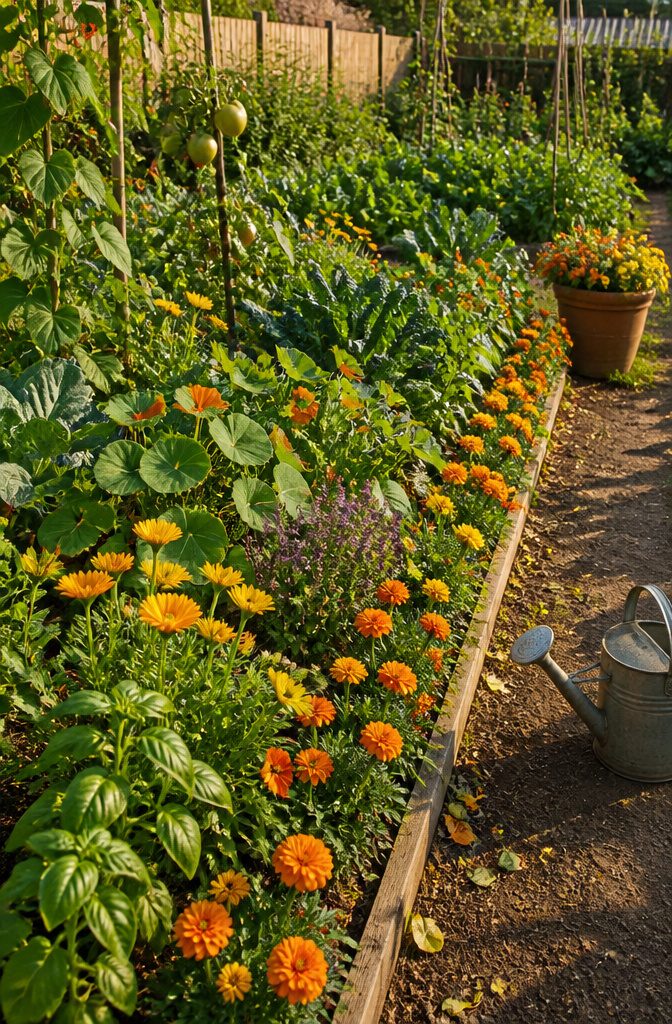
Tuck flowers and herbs between the vegetables instead of giving them a separate bed, and the garden stays colorful while it keeps producing food.
Nasturtiums, marigolds and calendula are the easiest picks. Their orange and yellow blooms stand out against green leaves, and they fill the gaps between crops.
Herbs add texture and scent beside tomatoes and beans. This works in beds and pots alike, so a container with one pepper plant and a marigold at its base counts.
Give the flowers a job. A tall plant or a pot of bright blooms at the end of a row becomes a focal point that draws the eye.
A line of marigolds or herbs along a bed’s edge marks a boundary and keeps the planting looking tidy.
Recommended Products
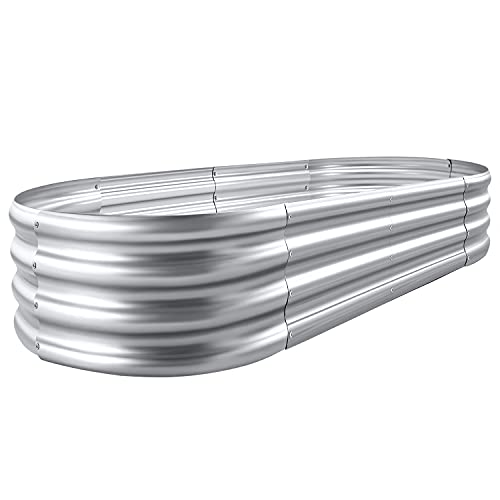
Each raised metal garden bed size: 4×2×1ft ,7.14Cu

SPACIOUS GROWING AREA: The generous planting space of this large garden bed provides plenty of room for nutrient-rich soil, helping vegetables, herbs, and flowers develop stronger roots and produce bigger harvests in the backyard garden. These raised beds for gardening measure 59.5 inches wide by 59.5 inches deep by 11.75 inches high, weigh 20 pounds, and have a soil capacity of 15.4 cubic feet or 115 gallons.

SPACIOUS CAPACITY: The layout of the metal garden bed creates a generous planting area. The L-shape creates two connected growing zones that make it easy to separate herbs, vegetables, flowers, or companion plants, helping gardeners organize crops without additional dividers. The galvanized steel raised garden bed measures 47.25" W x 47.25" D x 12" H and weighs 13.2 lb. It has 8.9 cubic feet of soil capacity (about 9 bags of 1 cu ft) for deep-rooting plants like tomatoes, peppers, and carrots.
3. Add Garden Lighting
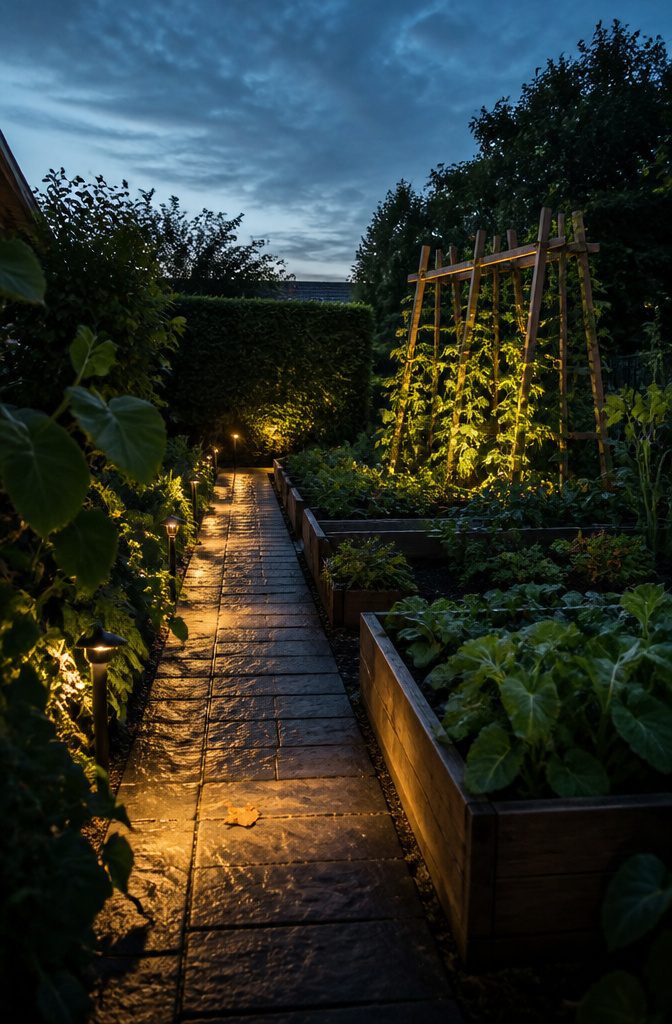
Lighting does two jobs in a vegetable garden: it shows you where to step, and it gives the space an evening look.
Lights along a walkway let you cross the garden after dark without stepping on a seedling or off the edge of a bed.
Once the path is covered, pick one or two features worth lighting, such as a trellis, a raised bed, or a fruit tree.
Light the path first and the features second, so the garden reads as a place to walk through at night.
Keep the fixtures few. A yard lit from every angle loses the nighttime atmosphere you added the lights to create.
Recommended Products

Arranging your garden with this in mind can double your bounty!


4. Lay Out Walkways and Paths
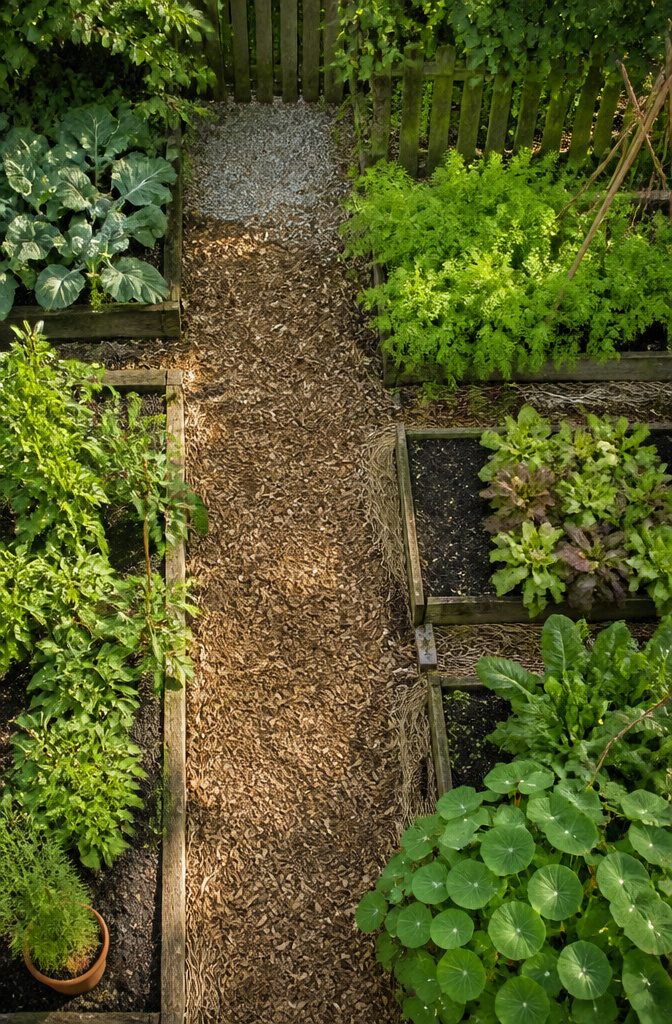
A path does two jobs in a veg garden: it keeps your feet off the growing soil and gives the plot a line the eye can follow. Temporary paths suit renters, beginners and anyone still deciding where beds belong.
Wood chips, straw, or flattened cardboard under mulch cost little, hold back weeds, and can be raked up when you rearrange. They break down, so top them up each season.
Permanent paths suit a layout you have settled on.
Brick, pavers, flagstone and compacted gravel drain well and look finished all year, but they cost more and are hard to move. Mulch the first season, then pave only the routes you actually walk.
Recommended Products

【Magnetizes Securely to Garden Beds】 These solar garden lights have a built-in magnet, allowing them to easily attach to metal planter raised beds. Just switch on the light, attach them to your garden bed with the magnet, and experience the cozy atmosphere of an evening walk in your garden

【Solar Garden Lights】Mini solar pathway lights outdoor (H 2.4"x D 2.7") made of stainless steel and plastic. The small size of this solar lights outdoor waterproof makes it more suitable as an ambient light to decorate your garden and walkways. It also serves as a perfect marker light for driveways and night games

Upgrade version solar lights: Solar Lights for Outside In contrast to the 6 LEDs of others, the solar floor lights outdoor consist of 8 LED lights, which means that they generate more light for your path. With a fully charged battery the ground light garden will last for 6 ~ 8 hours
5. Grow Up Trellises and Cages
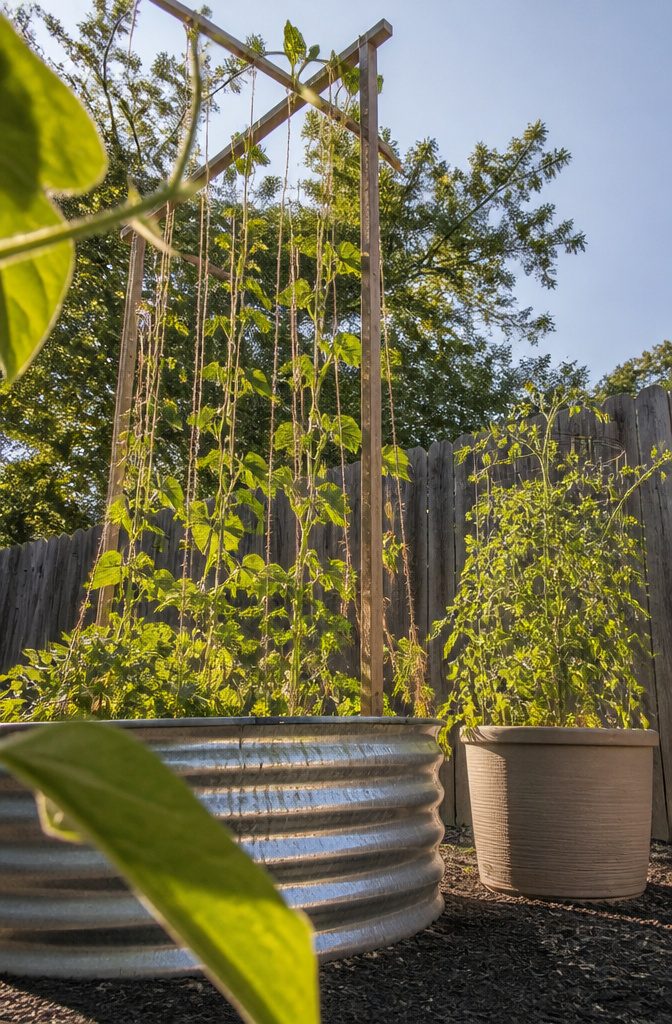
Peas, beans and tomatoes usually need something to climb, and giving it to them means you train plants upward instead of spending ground space. In a small yard or on a patio, that height is extra planting room.
A tomato in a 15-gallon pot does well with a homemade trellis strung up behind it.
Cucumbers, peas and squash also climb. A trellis set in the center of a circular 4-by-4-by-1-foot galvanized-steel bed lets the vines go up instead of sprawling over the soil.
If you already have metal raised beds, Vego Garden’s modular Arched Trellis System can be configured to arch over a path and make a vegetable walkway. Start with the homemade trellis, and buy the arches once you want beans overhead.
Recommended Products

[DURABLE AND STURDY] Crafted from robust hollow steel, this garden stakes features a fade-resistant green plastic coating, offering reliable protection against wind, rain, and rust. With anti-slip ridges, it's easy to tie on plant ties, aiding in plant climbing. the pointed bottom design of tomato stakes enables effortless soil insertion, ensuring a secure anchoring effect with minimal effort
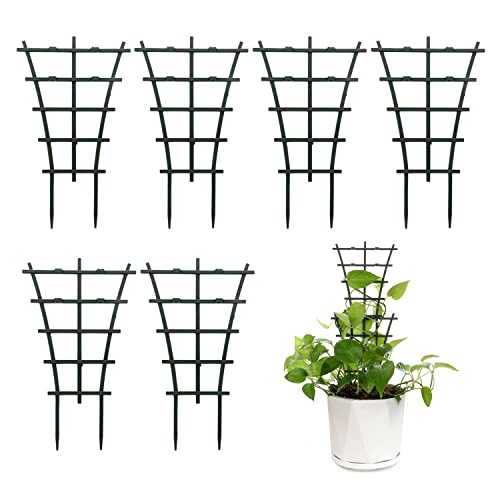
【Upgarded New Version】Our plant trellis is upgraded with high quality new material, increase the weight by 31%, reinforced to be more sturdier, providing stronger support for your potted plants

Vegetable Trellis that Assembles in Minutes, No Tools or Frustration – Say goodbye to complicated setups. Our U-shape trellis includes easy-connect joints and step-by-step instructions for fast, hassle-free assembly
6. Invite Wildlife
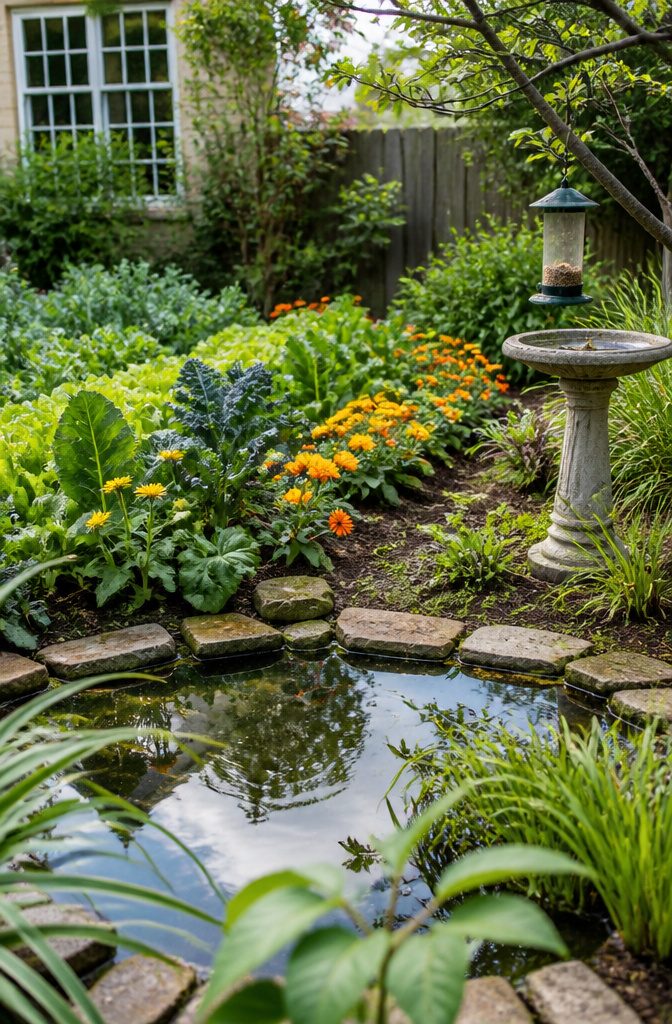
Wildlife has dropped by an average of 60% since 1970, so even a small veg garden can give something back.
Plant pollinator-friendly flowers between the vegetable rows so bees and butterflies have a reason to stay, and the crops that rely on pollination get regular visits.
A small pond adds water for insects and birds, and a shallow one tucked beside a bed is enough in a small yard.
For birds, hang a feeder at the edge of the garden and set a birdbath where you can see it from a window.
Keep the bath shallow and refill it often. Birds that drop in make the garden a better place to sit and watch, too.
Recommended Products

What You Get: we have included Galvanized raised garden bed kit with detailed assembly instructions, rubber edge strips, safety gloves , wrench tools and with galvanized nuts and bolts in the box .These essential tools elevate your overall planting and gardening adventure

SIZE: The plant bed measure is 23.6"L x 23.6"W x 11.8"H. This round planter box provide ample growing space to raise vegetables, flowers and plants.

Size: The garden bed measure is 23.6"L x 23.6"W x 17"H. Made of galvanized steel sheet metal with a rust-resistant coating features long-lasting use during kinds of weather.
7. Colorful Edible Plants
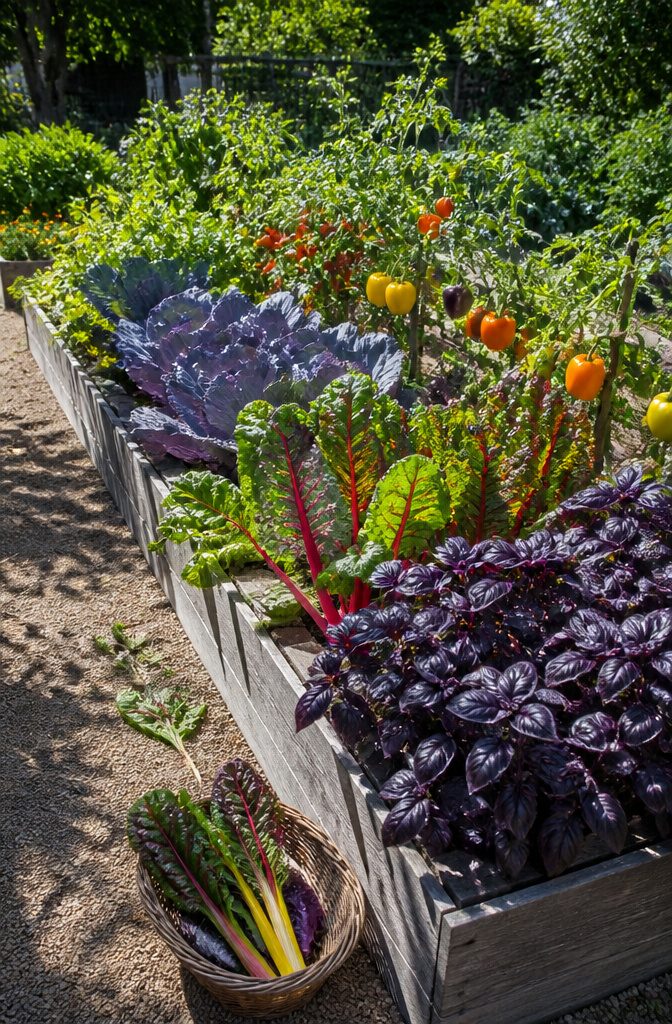
Group your colorful crops in blocks rather than dotting them around.
A run of purple basil next to a patch of Swiss chard and a few red cabbages reads as a deliberate pattern, where single plants scattered through the bed read as accidents.
Tomatoes and peppers extend the effect upward, because their fruit ripens in cream, red, purple, yellow and orange. Black tomatoes are worth seeking out if you want a deeper tone against green foliage.
Repeating one color at opposite ends of a bed ties it together. The color comes from the food itself, so you can skip purely decorative plants and still end up with a bed that looks planned.
8. Add Fruit Trees
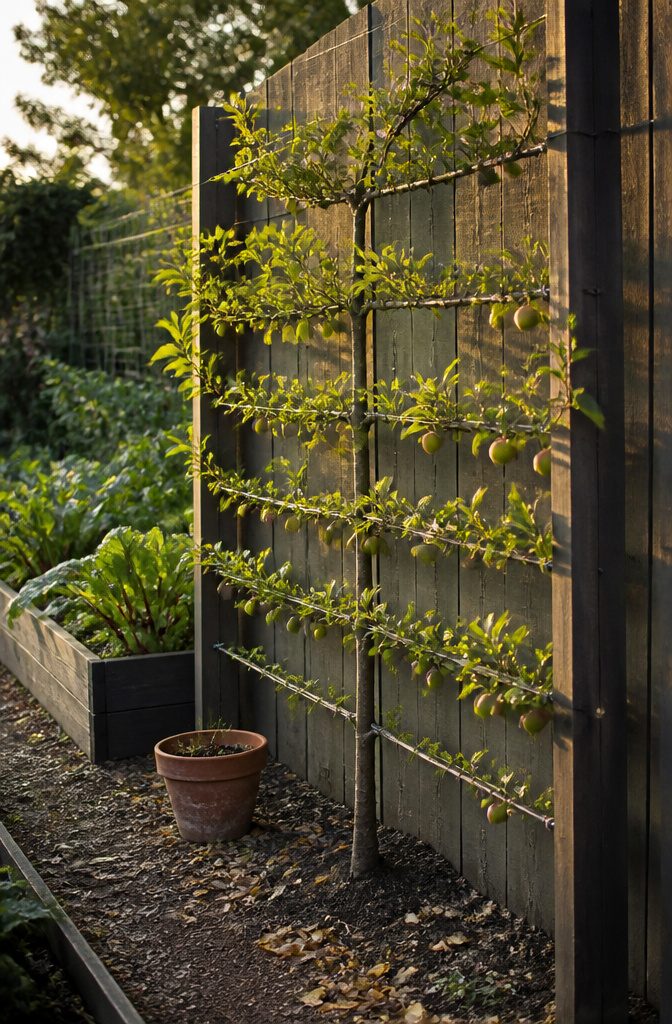
Fruit trees give a vegetable garden what most vegetables can’t: a fixed shape and a structure you can see in every season. You can grow them in pots, in the ground, or trained flat as espalier.
On a patio or balcony, a pot is the practical choice. In a small yard, espalier is the better pick.
Tie the branches to a vertical frame and the tree grows flat, so it fills a strip along a fence or wall instead of a wide canopy of ground. Planting in the ground suits a yard with room to spare.
A tree in a raised bed is easier to manage and has fewer weed problems, and a compact bed built for berries, shrubs, or small fruit trees fits the job.
9. Pick a Garden Theme
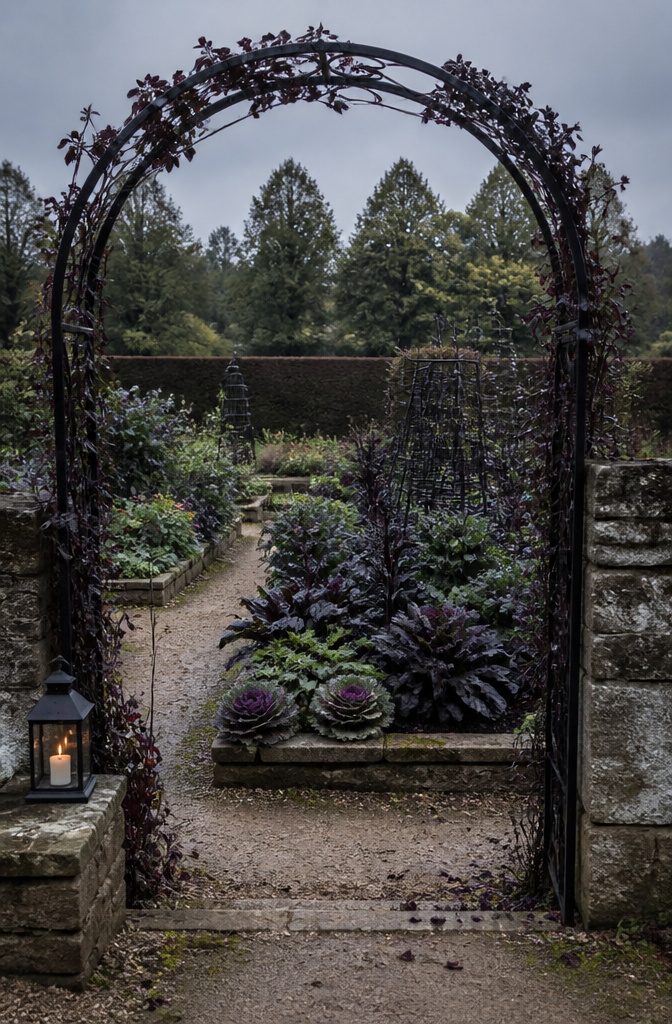
A theme turns a pile of seed packets into a short shopping list.
A gothic vegetable garden sticks to deep purples, burgundies and near-black foliage, mixes in a few dusky blooms, and adds details like an arched gate, iron-look supports or a candle lantern.
Any plant or ornament that breaks the mood stays on the shelf.
That filter saves money. You buy fewer varieties, repeat the ones you choose, and skip the impulse buys at the garden center that clash with everything else.
Pick one color family and one or two materials before you buy anything, then make each purchase answer to them. Even a simple palette, like all silver foliage or all warm terracotta, makes a small yard look planned.
Recommended Products

Upgraded Crafts: Customized sturdy golden alloy wire adorned with soft champagne gold lights. EACH pack boasts 150 lights—5 per branch, 30 branches total—standing 30in tall with a 7in diameter.

[BEAUTIFY YOUR OUTDOOR SPACE] Instantly upgrade your home's curb appeal with these premium Solar In-Ground Lights. Solar pathway lights cast a warm, welcoming glow, perfect for decorating garden paths, flower beds, and entryways, enhancing both night-time aesthetics and safety

【Solar Garden Lights】Mini solar pathway lights outdoor (H 2.4"x D 2.7") made of stainless steel and plastic. The small size of this solar lights outdoor waterproof makes it more suitable as an ambient light to decorate your garden and walkways. It also serves as a perfect marker light for driveways and night games
10. Ornaments and Decor
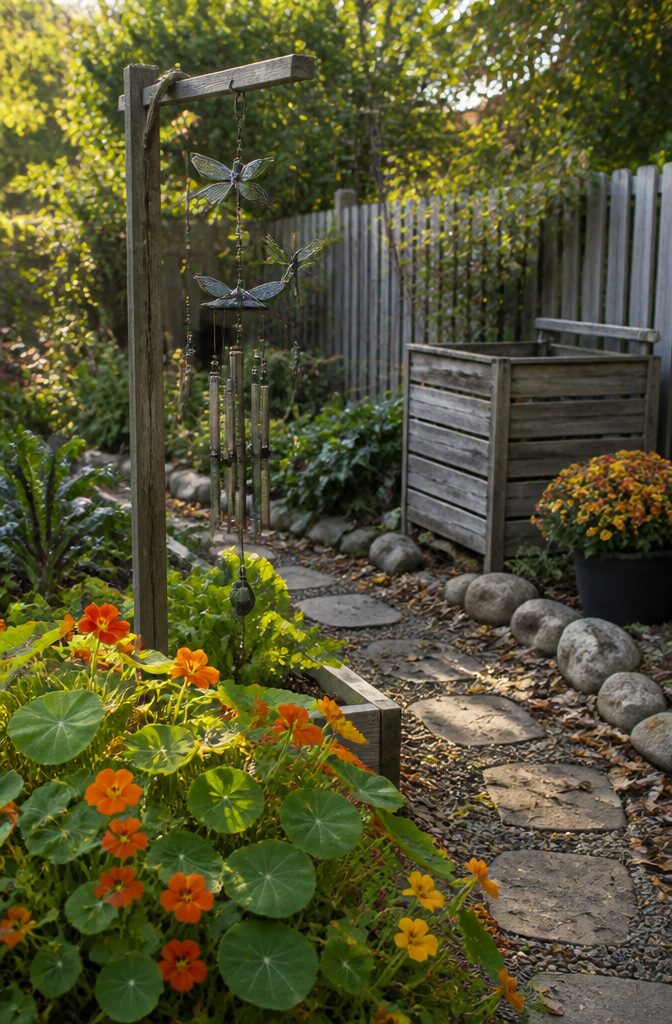
The cheapest decor in a vegetable garden is a plant with a story.
Dahlias for a grandmother who loved them, peas you once pulled off the vine as a child, or strawberries for a relative known for her patch all do the job.
Nasturtiums fit well too, since the flowers are edible and taste peppery. Mums in pots add color you can move.
Objects work the same way. Dragonfly wind chimes from an antique mall, a compost bin built from salvaged wood, or large rocks stacked into a firepit ring cost little.
Choose pieces that mean something to you, and the plot feels like home even if you rent.
Recommended Products

ELEGANT GARDEN ARCH TRELLIS – Transform your backyard into a beautiful garden retreat with this classic black metal garden arch. Create an inviting entrance along pathways, over garden beds, or among your favorite flowers and climbing plants.
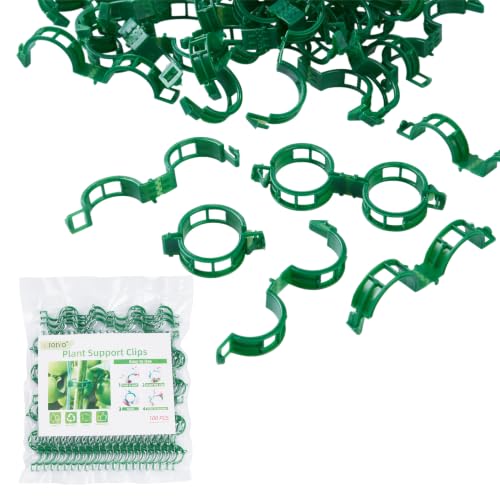
Durable Material: Made from high - quality, long - lasting plastic, these plant support clips are designed to withstand various weather conditions and the test of time, ensuring they can support your plants season after season.

【GARDEN TRELLIS ONGOING SUPPORT】Adjustable Height (6.2FT/74.4") is the perfect size to work as a trellis for climbing plants outdoor. This garden trellis can be adjusted by increasing or decreasing the connecting rings based on different plant heights, giving a more adaptable space for plants to grow
11. Start Small, Add Gradually
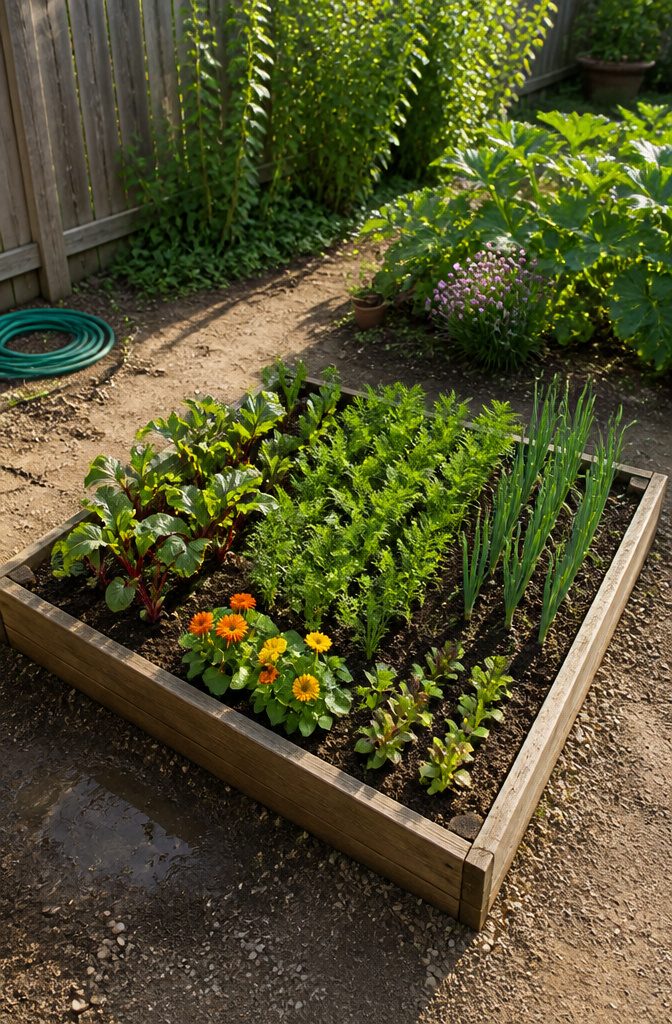
Plan your first bed around the space you actually have, then plant it tightly.
Mel Bartholomew’s All New Square Foot Gardening fits 9 beets, 16 carrots or 16 onions into a single square foot, so even a few square feet of soil can hold several crops.
Compact plants don’t automatically yield more, but they make a low-risk test of a new bed.
Pick a handful of crops and learn each one’s soil, water and sunlight needs before adding more. Grow what you will eat.
Each year, write down what worked and what failed, replant the winners, and add one or two new plants. Radishes, greens, kale, calendula, nasturtiums and marigolds are fast starters, though you should confirm they suit your region.
12. Experiment and Take Notes
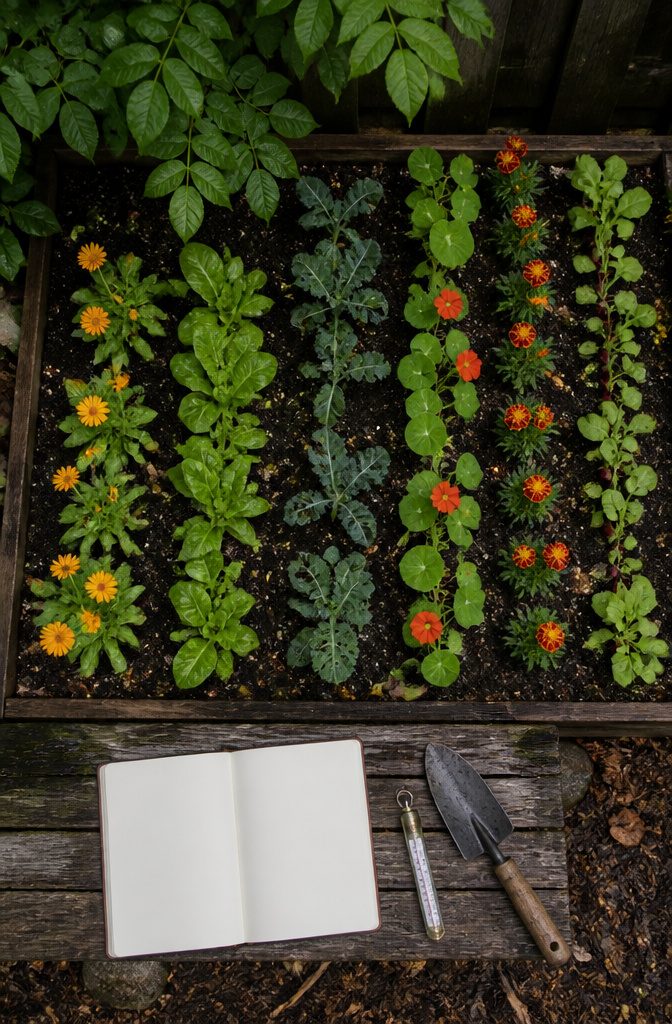
Keep a one-page log each year, with the sow date, shade, watering, pests and weather for every bed.
Written notes stop you from repeating the same mistake. Most losses come from a short list of causes:
I’ve learned a lot from my blunders: planting too early, too late, or in late-season shade I hadn’t anticipated. I’ve also lost crops to aphids, heat waves, and my own inconsistent watering.
Each item on that list is something you can record. Note when shade reaches the bed late in the season, and mark any heat wave or aphid outbreak next to the planting date.
Test new ideas with fast, low-risk plants: calendula, greens, kale, nasturtiums, marigolds and radishes. A failed row costs little.
Container Care Basics
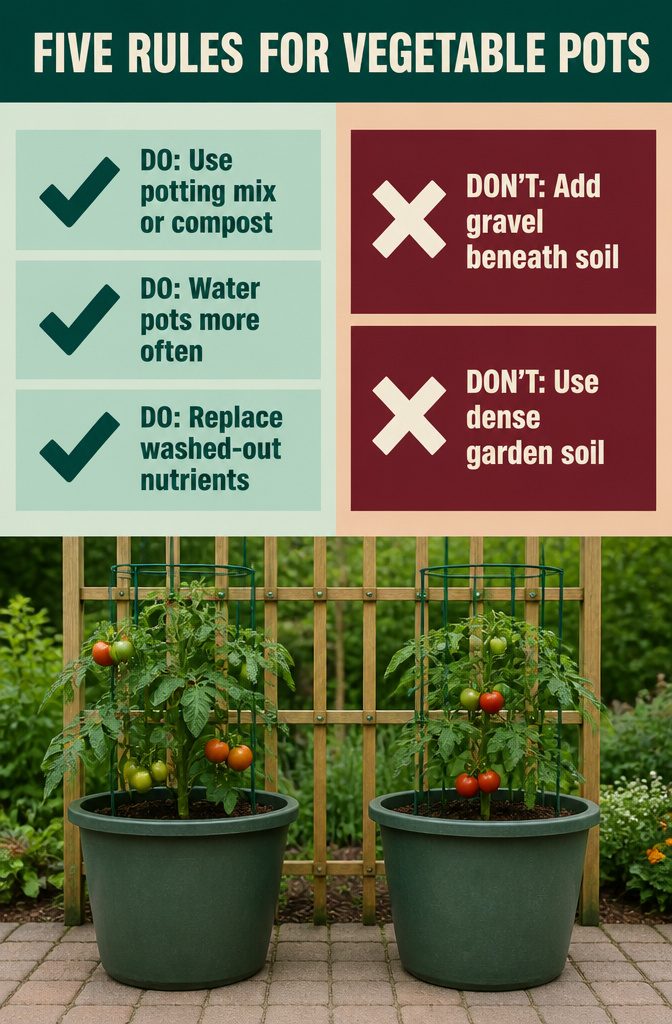
Pots behave differently from beds, and five rules cover most of the trouble:
- Skip garden soil. It is dense and packs down in a pot, which chokes airflow and slows drainage. Fill with potting soil, a commercial soilless mix, or compost.
- Leave out the gravel layer at the bottom. It can leave the soil oversaturated.
- Water more often than you would in the ground, in some cases once a day. Self-watering containers need this less than traditional pots.
- Replace what drains away. Nutrients wash out with the water, so feed with compost tea.
- Match pot size to plant size. Two 15-gallon pots, one tomato plant in each, with a trellis behind, is a workable setup.
Potager Layout
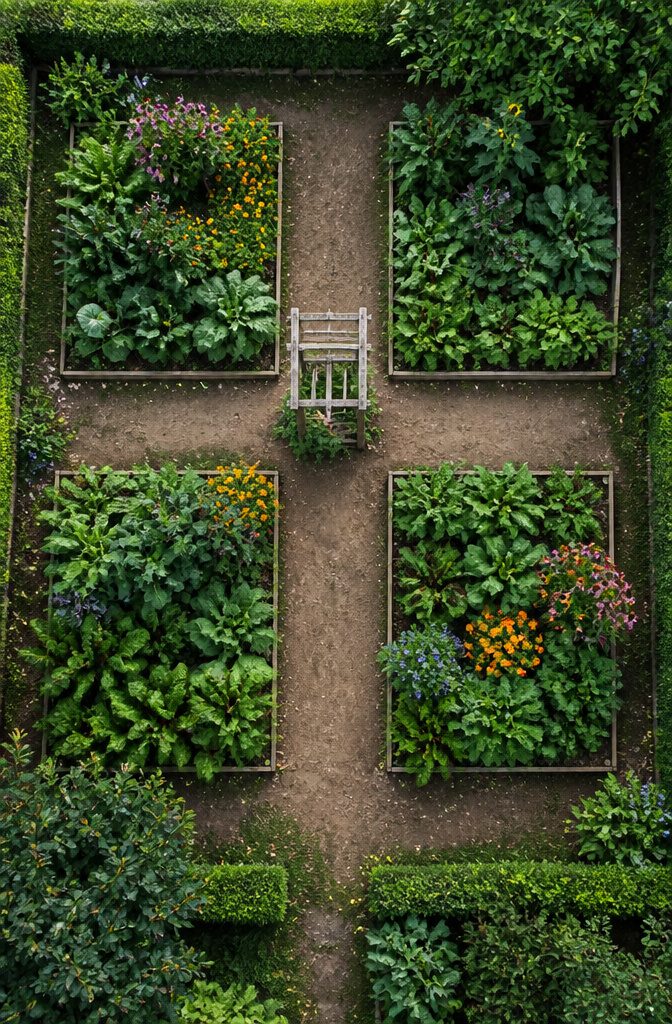
A formal potager starts with a center. Put an archway, trellis, tall obelisk or fountain in the middle of the plot, then set four L-shaped beds around that central point.
The gaps between the beds become paths that lead straight to the focal point, and a line of plants can do the same job where you have no room for a path.
Mark the outer edge with a fence, hedge or raised bed frames.
A clear boundary keeps the pattern readable and stops the plantings from spreading. Inside each bed, plant for contrast in leaf and color: Swiss chard beside plain green leaves, with calendula, coneflowers and sunflowers adding orange, pink and blue.
Renter-Friendly Growing
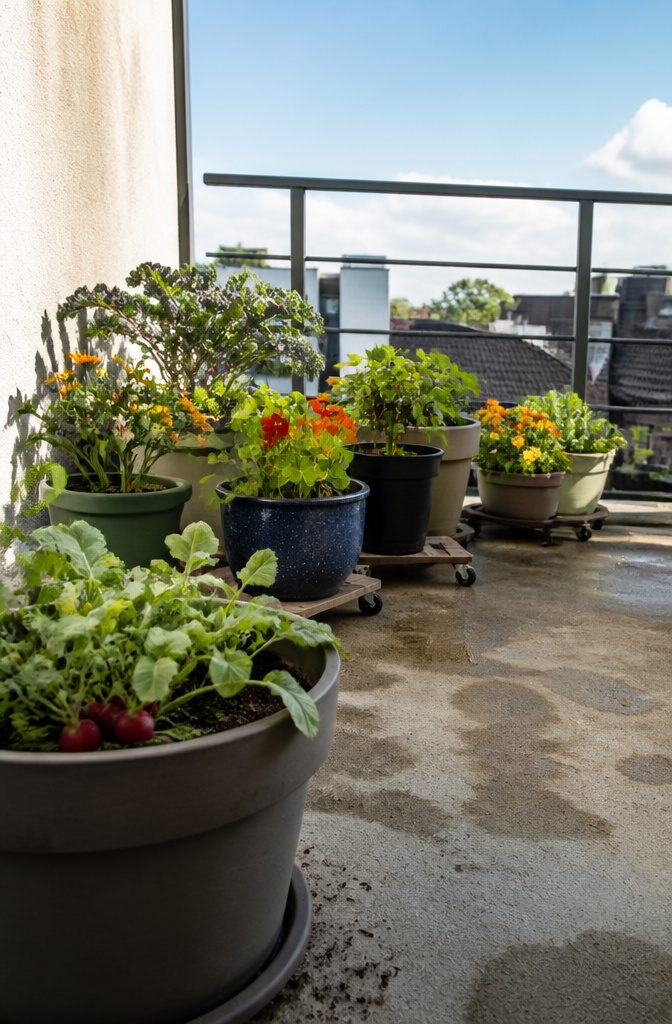
With an average house in Seattle costing $900,000, many people are growing on a patio, balcony, or rented patch instead of land they own.
For them, the best setup is small and medium containers you could lift, at least onto a dolly, because they go with you when the lease ends.
Beds are much harder to take along, so the work you put into one usually stays with the yard.
Keep the first season short. Choose a handful of quick, forgiving plants, such as radishes, greens, kale, calendula, nasturtiums, and marigolds, and learn how much light and water each one wants.
Write down what worked, replant those next year, and add only one or two new plants.
Frequently Asked Questions
What are the best space-saving veg garden ideas?
Plant in tight blocks in a raised bed instead of rows, which can produce double the conventional row yield because no ground goes to walking space.
Train peas, beans, tomatoes and cucumbers up a trellis so height becomes extra planting room.
On a patio or rented plot, use small or medium containers you could lift onto a dolly, and start with a handful of crops, learning each one’s soil, water and sunlight needs before adding more.