Upkeep runs from a sweep and rinse once or twice a year on a gravel path to regular pruning, and your site decides where you land.
A shady bed needs less trimming than a sunny one, large trees keep dropping leaves, and a fountain needs yearly cleaning, so match each feature to the conditions you already have.
1. Drought-Tolerant Native Plants
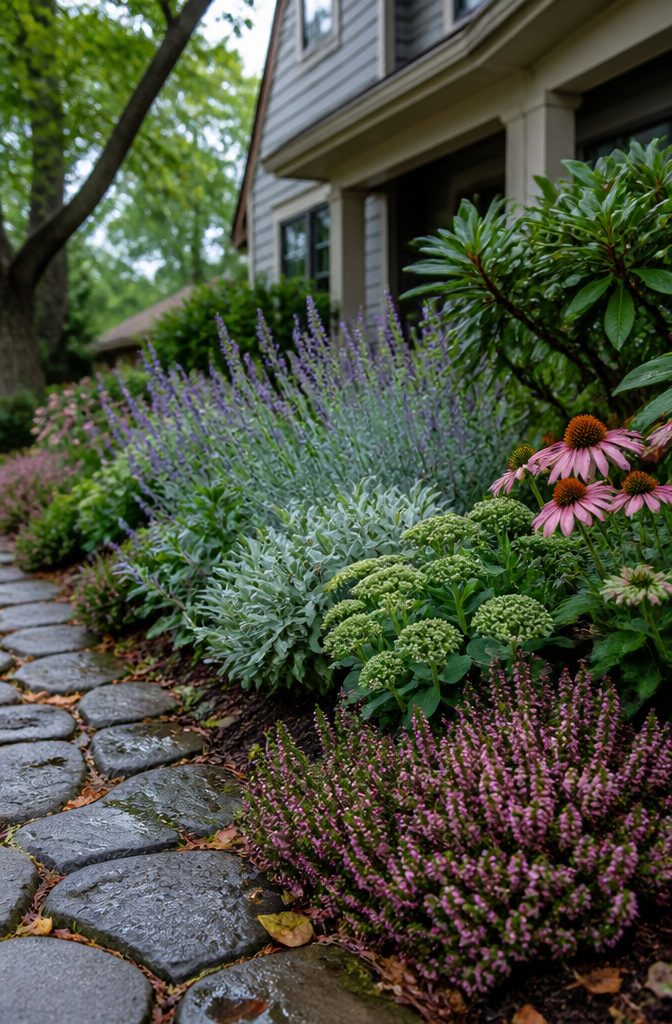
Lavender, sedum, sage, and coneflower are hardy and need minimal watering once established.
Expect to water regularly only through the first season. They also bring blooms and foliage that change through the year, so a low-effort bed doesn’t look bare.
Slow-growing evergreens such as heather and rhododendron add year-round structure and rarely need shaping.
Sun affects the workload: plants in full sun tend to need more pruning than those grown in shade. A shady bed is the lower-upkeep choice.
Check your USDA zone before you buy, and favor plants native to your region. They are already adapted to your local rainfall and temperature swings, which cuts down on the extra care a poorly matched plant demands.
Recommended Products

🌵 23 Heirloom Varieties – Annuals + Perennials: A curated mix of 23 drought‑tolerant species. Annuals provide fast first‑season color, while perennials return year after year – creating a low‑water wildflower meadow that thrives on neglect.

PREMIUM DROUGHT TOLERANT WILDFLOWER MIX: A carefully curated blend of hardy wildflowers selected to thrive in hot, dry, and low-water conditions. Suitable for xeriscaping, water-wise gardens, low-water landscapes, and challenging growing environments across the continental USA

NATIVE NORTH AMERICAN NARROW-LEAVED CONEFLOWER SEEDS: Heirloom non-GMO open-pollinated wildflower seeds with high germination rates, traditional medicinal herb, adapted to USDA zones 3-8
2. Groundcover and Mulch
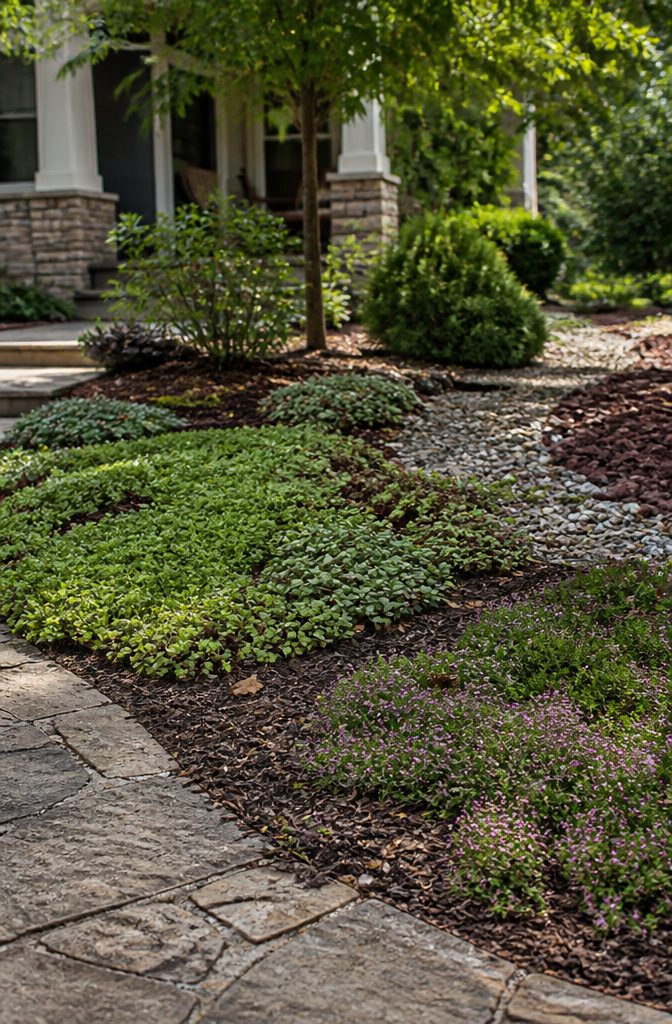
Bare soil grows weeds, so cover it.
Creeping thyme and sedum both form a low carpet over open ground. Sedum also does well in pots or rocky spots, where it needs less water than most plants.
Few groundcovers block every weed, though. Pick a dense one, and if the label says it tolerates foot traffic, it is probably thick enough to shut weeds out.
Between plants, shredded bark suppresses weeds and holds soil moisture. Gravel doesn’t rot into the soil, so you skip the yearly top-up.
Red lava rock works the same way and deters slugs. In a bed packed with layers of groundcover, shrubs and a small tree, the foliage shades the soil and fallen leaves feed it, so you can skip mulch.
Recommended Products
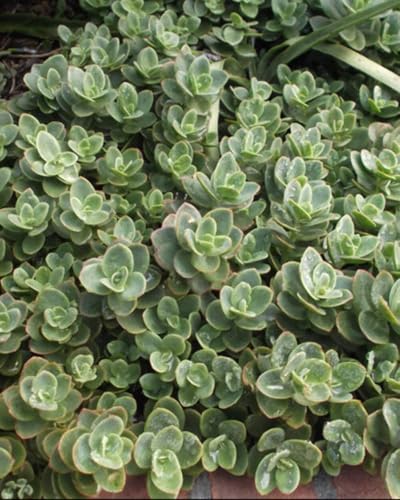
Hardy in USDA Zones 4-9, Registered Trademark. Due to varying agricultural regulations, we do not ship to the following states: AK, AZ, CA, CO, ID, MT, NV, OR, UT, WA and HI.

Hardy in USDA zones 4-9. Due to varying agricultural regulations, we do not ship to the following states: AK, AZ, CA, CO, ID, MT, NV, OR, UT, WA and HI.

3. Hardscape Paths and Walls
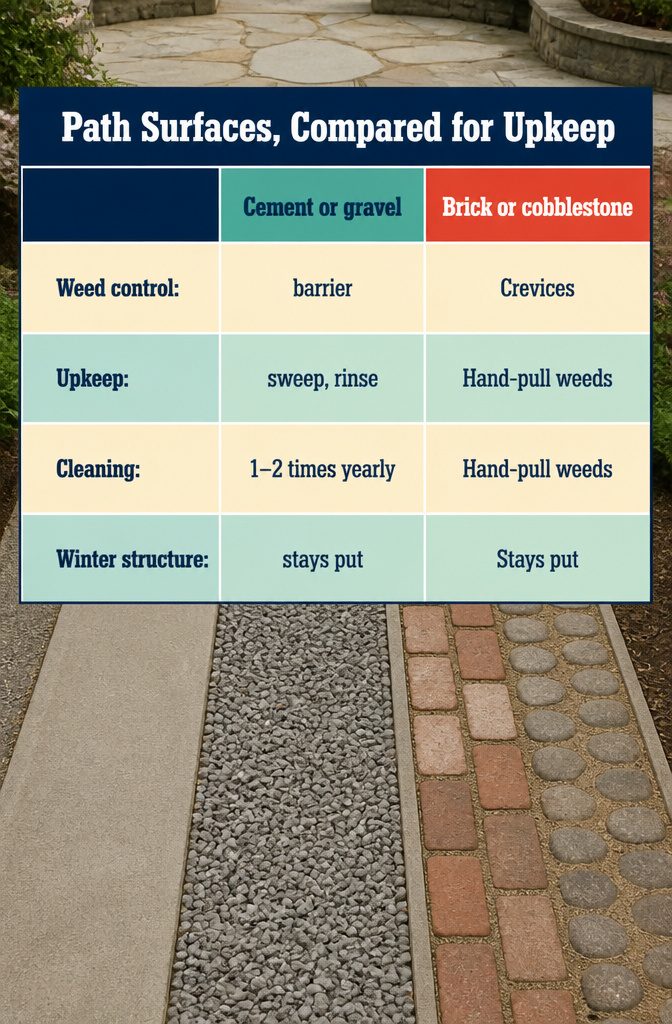
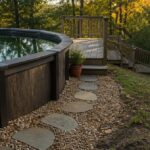
Every path, wall, patio and piece of yard art takes over ground that would otherwise need planting, watering and weeding, and it gives the yard structure that stays put in winter.
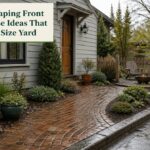
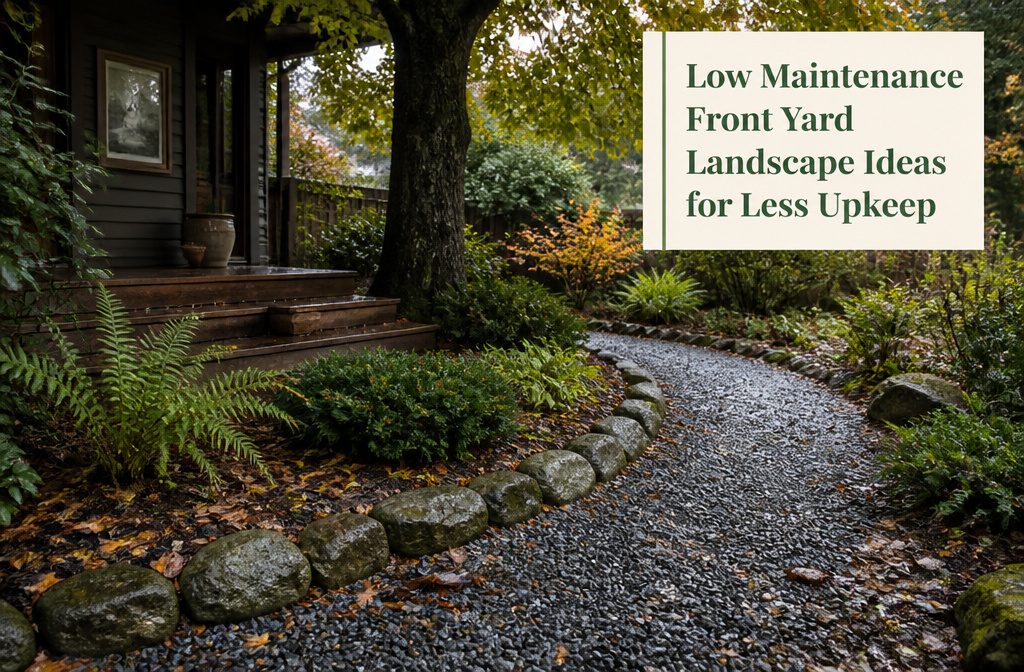
For walkways, solid cement or gravel over a weed barrier is the lowest maintenance choice. Red brick or cobblestone set in sand looks warmer, but weeds and moss work into the crevices, and you end up pulling them by hand.
Hard surfaces still need cleaning once or twice a year, usually a sweep and a rinse. A fountain or pond makes a strong focal point, but it needs yearly cleaning and occasional repairs.
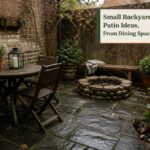
Skip it if you want less upkeep. A stone wall, a patio or one good piece of yard art anchors the view with nothing to repair.
Recommended Products

Professional Grade Weed Barrier: LAVEVE weed barrier fabric is made of woven polypropylene material. Its high-density and permeable characteristics effectively stop weed growth and protect soil health so your plants can grow well.

Clean Weed Control: Made from 3.2 oz/90.7g high-density PP woven material, our garden weed fabric blocks sunlight from passing through and limits weed growth without frequent manual removal. By reducing competition for water and nutrients, it supports healthier plants while keeping gardens, beds, and walkways neat.
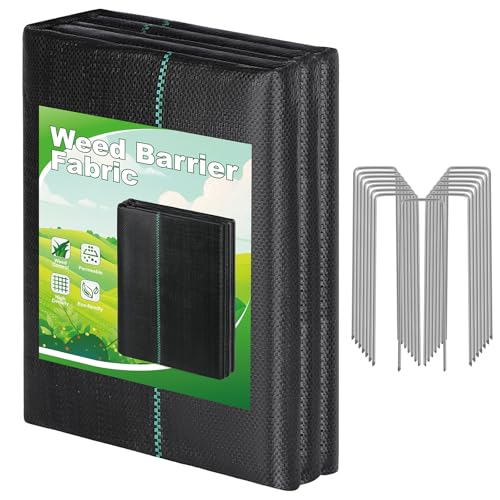
Reliable Weed Control Without Blocking Water: FEED GARDEN Weed Barrier Fabric is designed to effectively help reduce unwanted weed growth in garden beds, flower beds, and landscaping areas while allowing water and air to reach plant roots. The breathable garden fabric promotes healthier soil conditions and helps reduce maintenance throughout the growing season
4. Lawn Alternatives and Smaller Lawns
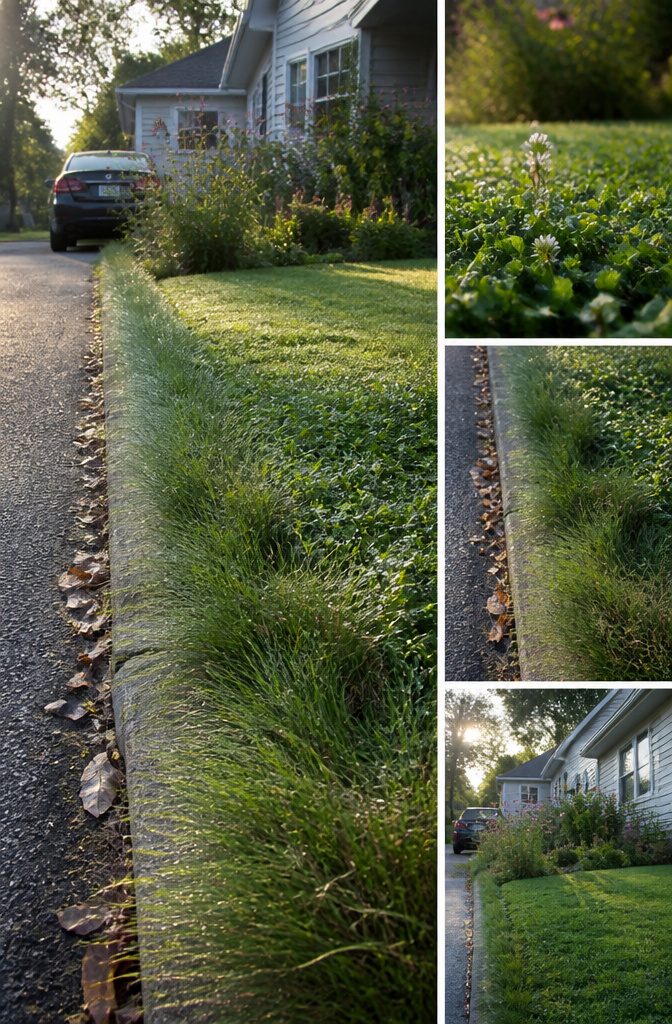
Five substitutes cut the mowing, each with a catch:
- Artificial turf: no watering or mowing, but it is plastic and adds no habitat.
- Clover: low-growing and green all season with minimal care, though softer-looking than clipped turf.
- Buffalo grass: drought-tolerant and mowed less often, though not never.
- Red fescue with sedge: a no-mow strip that suits a driveway edge.
- Pocket prairie: native plants beside a smaller patch of turf.
One designer-built driveway shows the fescue strip at work:
the grass strip runs the length of the driveway, directing parking, while also attracting insects and providing habitat.
In a small yard, start with clover or a fescue-and-sedge strip, and keep a little turf.
Recommended Products

Faux Tile Aesthetics:Immerse your outdoor space in the timeless allure of natural masonry with our meticulously crafted rug, featuring hyper-realistic brick and stone tile patterns. The design show from the subtle texture of weathered brick edges to the irregular veining of aged stone—rendered in a versatile palette of neutral tones:warm beige for a cozy, earthy feel, cool gray for modern sophistication, and rich terracotta for a touch of rustic charm.
Faux Tile Aesthetics:Immerse your outdoor space in the timeless allure of natural masonry with our meticulously crafted rug, featuring hyper-realistic brick and stone tile patterns. The design show from the subtle texture of weathered brick edges to the irregular veining of aged stone—rendered in a versatile palette of neutral tones:warm beige for a cozy, earthy feel, cool gray for modern sophistication, and rich terracotta for a touch of rustic charm.

️ Easy Construction: The vidaXL Gabion Basket is designed for simple assembly, ready to be filled with rocks or gravel. Ideal for quick and efficient construction of robust retaining walls
5. Plan Around Your Site
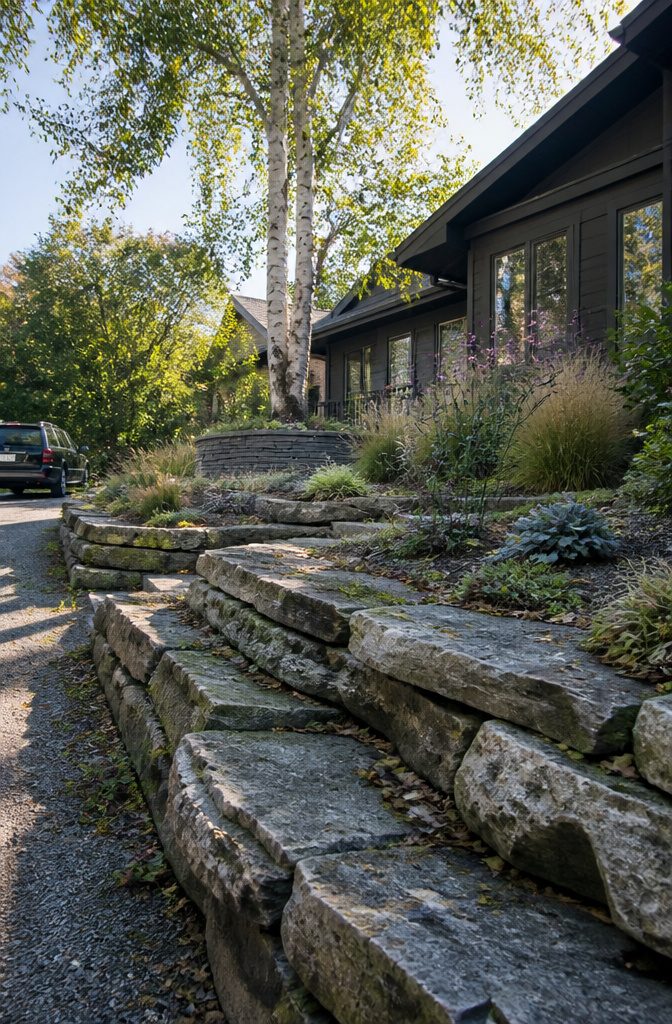
Large trees drop leaves, seeds, needles or cones, and removing them is the only way to end that cleanup. A tree worth keeping can get a protective raised bed, as one silver birch did.
On a steep yard, stabilize the slope first with large rock outcroppings, terracing and chosen plants. Sunny spots need more pruning than shady ones, so a low-maintenance hedgerow or a garden structure that adds shade cuts the work.
Decide what the yard should do: give privacy, add color, feature one plant, or frame the house.
For parking, maneuver the car to find the space it truly needs, then plant everything left over. A raised bed of Verbena bonariensis and prairie dropseed pulls the eye off the parked car.
Recommended Products

NATIVE PRAIRIE INDIANGRASS SEEDS: Heirloom, non-GMO open-pollinated North American native grass seeds with high germination rates; adapted to USDA zones 4-9

LAVENDER BEE BALM SEED - Mint family perennial, known as Wild Bergamot or Lavender Bergamot, grows delicate crown-shaped pale pastel purple flowers and foliage with a scent reminiscent of the bergamot citrus. Blossoms attract pollinators such as bees and other beneficial insects.

NATIVE LANCE LEAF TICKSEED SEEDS: Heirloom non-GMO open-pollinated Coreopsis lanceolata North American native wildflower seeds with high germination rates; adapted to USDA zones 4-9
Drip Irrigation With a Timer
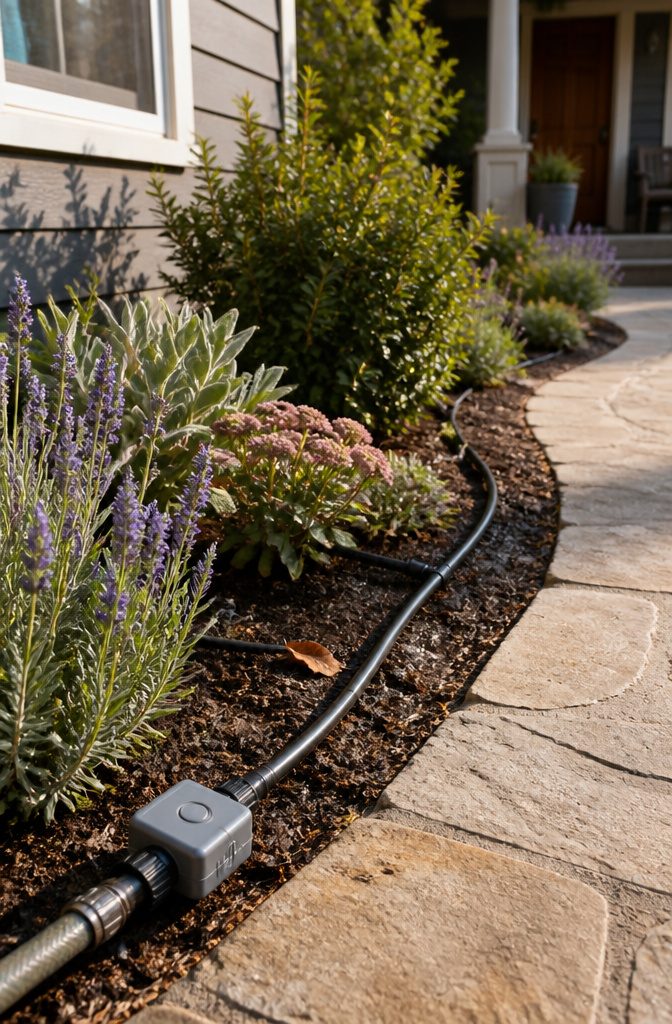
Drip lines put water at the base of each plant instead of spraying the whole bed, so far less of it lands on pavement, leaves, or bare soil between plants.
That suits the low-water plants and groundcovers above, which want a slow drink at the root and nothing more. Overhead sprinklers cover every inch, including the gaps you’re trying to keep dry.
Add a timer and the schedule runs itself. You stop hauling hoses or remembering which evening you skipped, which is most of the work in keeping a front yard watered.
Drip also adapts to the bed: you can match the water to each planting, giving a thirsty shrub more than a clump of drought-tolerant perennials beside it.
Recommended Products

Hardy in USDA Zones 3-9. Due to varying agricultural regulations, we do not ship to the following states: AK, AZ, CA, CO, ID, MT, NV, OR, UT, WA and HI.

Hardy in USDA Zones 4-10. Due to varying agricultural regulations, we do not ship to the following states: AK, AZ, CA, CO, ID, MT, NV, OR, UT, WA and HI.
Stormwater and Wildlife Benefits
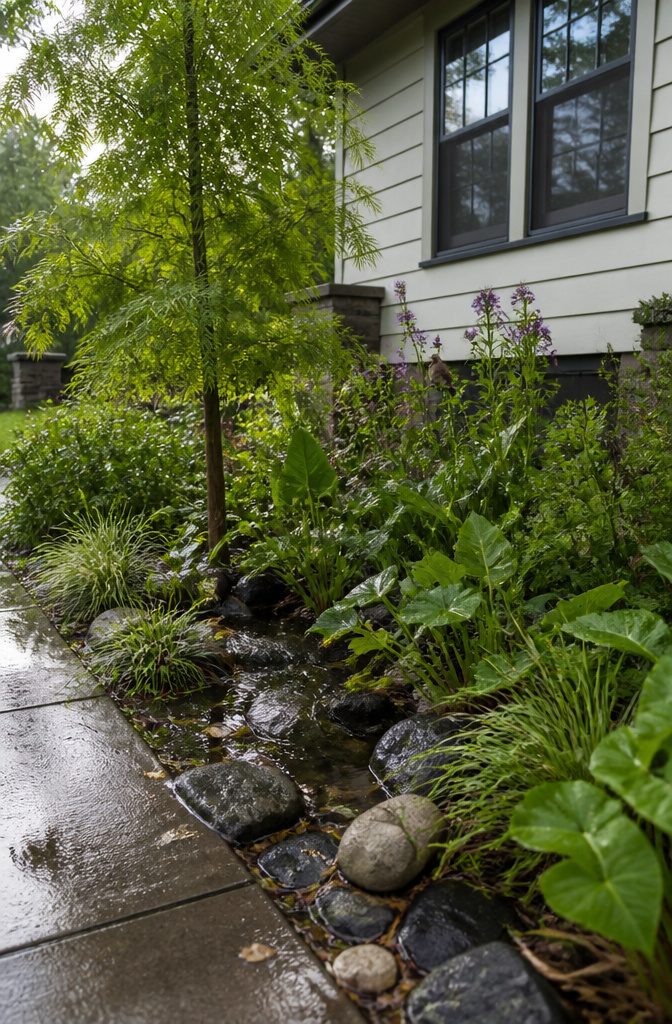
Compacted lawn sheds water. In one Philadelphia front yard, rain used to run across the grass and into the basement.
The owners removed the lawn in their first year, and closely planted perennials with mixed root profiles and an absorbent swamp cypress now soak that water up.
Deep and shallow roots work the soil at different levels, so the bed holds more than turf does.
The same planting gives insects and birds somewhere to shelter. A mix of plant types also supports a wider range of insects and soil microbes than a single species.
If runoff reaches your foundation or sidewalk, a diverse planting does that job, and it asks for no more upkeep once it fills in.
Recommended Products
3ft x 300ft Large Coverage Roll: This 3ft x 300ft landscape fabric weed barrier provides wide coverage for garden beds, flower beds, walkways, gravel paths, mulch areas, greenhouses, and driveway base layers. The long ground cover roll is ideal for larger outdoor landscaping projects.

Large Geotextile Fabric: The geotextile driveway fabric has 625 Sq. Ft coverage area, length: 50 ft/15.2 m, width: 12.5 ft/3.8 m. According to your needs, it can be cut to function for driveway stabilization, gardening, agriculture, and drainage.
Large Geotextile Fabric: The geotextile driveway fabric has 375 Sq. Ft coverage area, length: 30 ft/9.15 m, width: 12.5 ft/3.8 m. According to your needs, it can be cut to function for driveway stabilization, gardening, agriculture, and drainage.
Frequently Asked Questions
Recommended Products
Faux Tile Aesthetics:Immerse your outdoor space in the timeless allure of natural masonry with our meticulously crafted rug, featuring hyper-realistic brick and stone tile patterns. The design show from the subtle texture of weathered brick edges to the irregular veining of aged stone—rendered in a versatile palette of neutral tones:warm beige for a cozy, earthy feel, cool gray for modern sophistication, and rich terracotta for a touch of rustic charm.

REALISTIC STONE PATTERN – VISUAL ELEGANCE:Transform your entryway or patio with this beautifully designed outdoor rug. Featuring a high-definition printed pattern of natural river pebbles in warm earth tones (beige, tan, and grey), it creates a charming stone-like aesthetic that complements rustic, farmhouse, or modern home decor. Note: This is a flat, printed design for a smooth, clean look without physical texture or 3D bumps.

SAMPLES OF OUR REAL STONE COMPOSITE WALL PANELS with authentic texture. Crafted from genuine stone composite, these lightweight wall panels deliver a highly realistic stone finish without the cost or complexity of traditional cladding.
What are the easiest low maintenance front yard landscape ideas?
Shrink or replace the lawn, plant drought-tolerant natives, and cover open soil with groundcover, bark, or gravel.
Native plants need regular watering only during the first season. Hard paths and walls take over ground that would otherwise need weeding, and drip irrigation on a timer handles the watering.
Can a front yard be completely maintenance free?
No, but you can keep the work small. Hard surfaces still need a sweep and a rinse once or twice a year, and new plants need regular water through their first season.
A fountain or pond adds yearly cleaning and occasional repairs, so skip it if upkeep is the concern.
What can I plant instead of a grass lawn to cut down on mowing?
Clover, buffalo grass, artificial turf, a red fescue and sedge strip, and a pocket prairie all reduce mowing.
Clover stays green all season with minimal care. Buffalo grass tolerates drought but still needs occasional mowing.
Artificial turf needs no water or mowing, but it is plastic and offers no habitat. In a small yard, clover or a fescue and sedge strip plus a little turf works well.