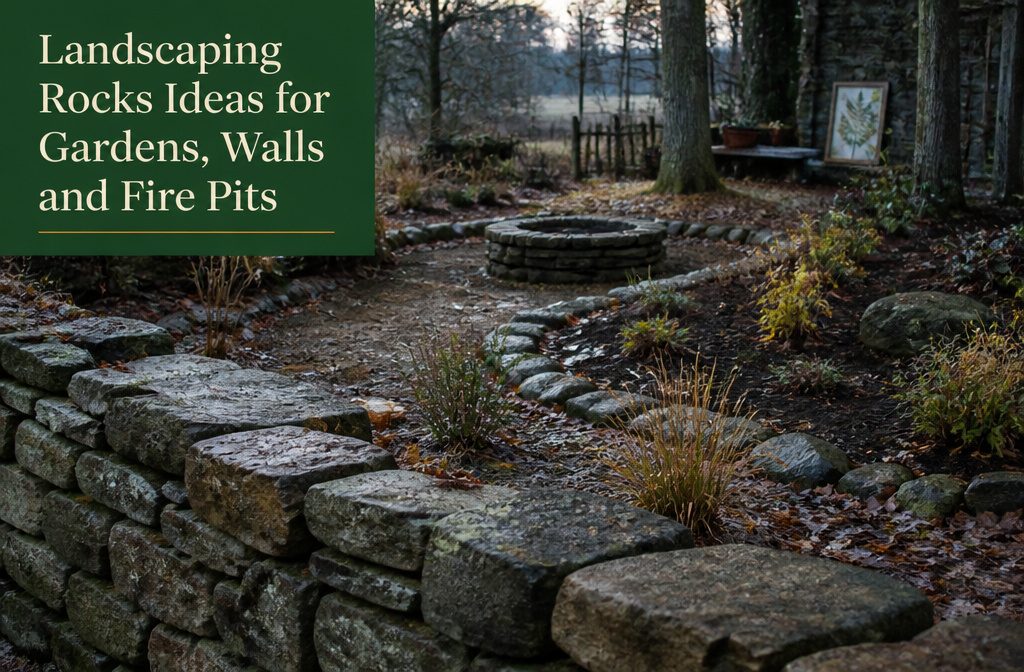
Projects here run from free to $95 per square foot of wall stone, and the rocks already in your yard decide which fit.
Free stone puts a DIY fire pit well under half of a $500–800 yearly budget; buying fieldstone at the low end costs roughly $500. Walls taller than 2 feet may need a permit.
1. Set Up a Rock Garden
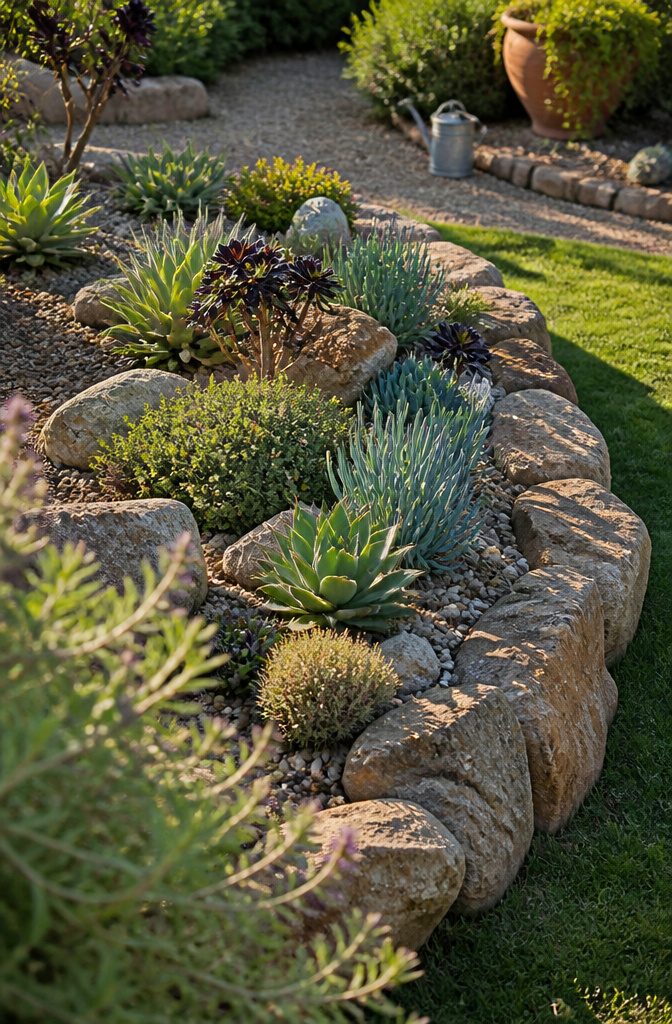
Set the largest rocks along the outline of the bed first, plant inside that border, then fill the gaps between plants with rock mulch. Rock lasts much longer than wood mulch, so you skip the yearly top-up.
For a desert look, pair Blue Chalk Stick with agaves, tuck Aeoniums among the rocks, or plant Aloe vera beside Agave ‘Blue Flame’.
Purple ice plant, lavender and creeping thyme also suit a rock bed. Check that each plant is rated for your USDA Hardiness zone before you buy.
Water desert-type beds only about every 2–3 weeks, or less.
Overwatering harms drought-adapted plants, so resist the urge to top up a bed that looks fine. Between the long-lasting mulch and the sparse watering, this bed asks for far less upkeep than a traditional one.
Recommended Products

Natural Crushed Granite Material: MIGHTY109 Granite Pea Gravel made from natural crushed granite with approximate diameter of stone 1/8 inch average Decorative Landscape...
2. Gravel Instead of Mulch
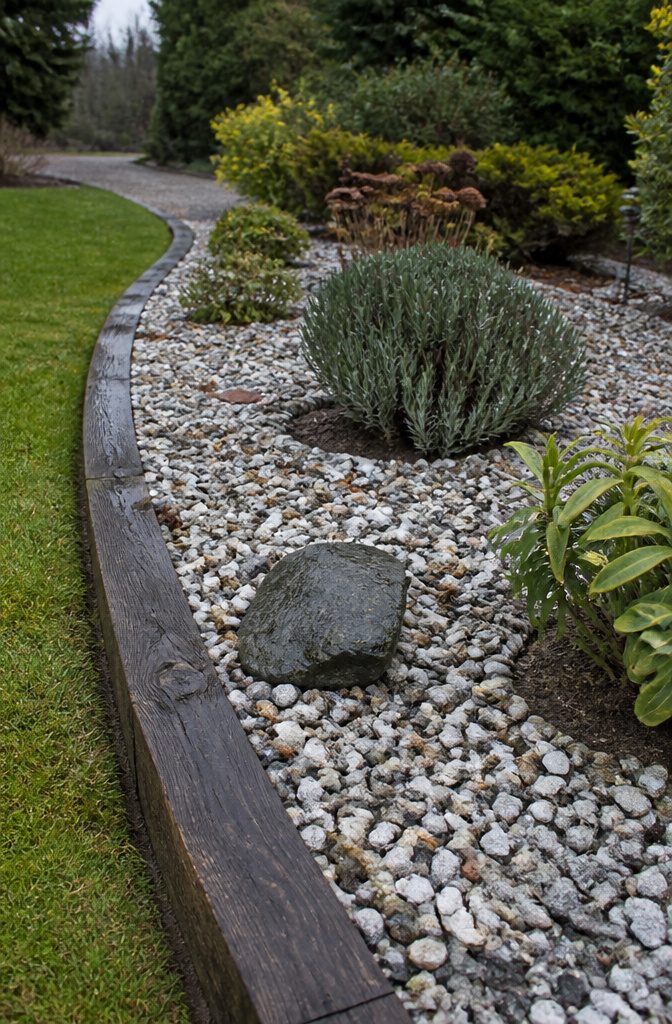
Small rocks work like bark mulch with one big difference: you don’t replace them every year.
Crushed granite and pea gravel are the two stones best suited to the job. Spread either one over bare soil around shrubs and perennials, and water drains through it quickly instead of pooling on the surface.
That fast drainage is why gravel saves water around plants that already handle dry spells. It is also the trade-off.
Bark and wood chips break down and feed the soil, while stone adds nothing, so the ground underneath stays as poor or as rich as you left it. Skip gravel around thirsty plants that want steady moisture.
Recommended Products

This gravel has a variety of uses including landscape and garden decoration, drainage, and building walkways.

POWERFUL GRAVEL STABILIZATION: Helps lock pea gravel, decorative rocks, and small stones together to reduce shifting, scattering, and erosion around pathways and landscape beds.
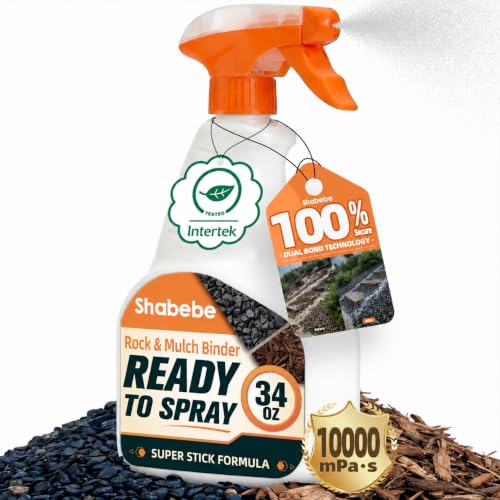
【PROFESSIONAL MULCH & ROCK STABILIZER】Keep mulch, pea gravel, decorative stones, wood chips, and small landscaping materials securely in place. Designed to help reduce shifting, scattering, erosion, and washout while creating clean, well-maintained garden beds, pathways, patios, and landscape borders.
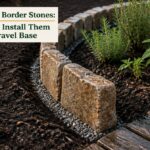
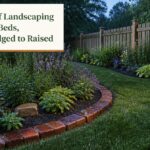
3. Stone Garden Edging
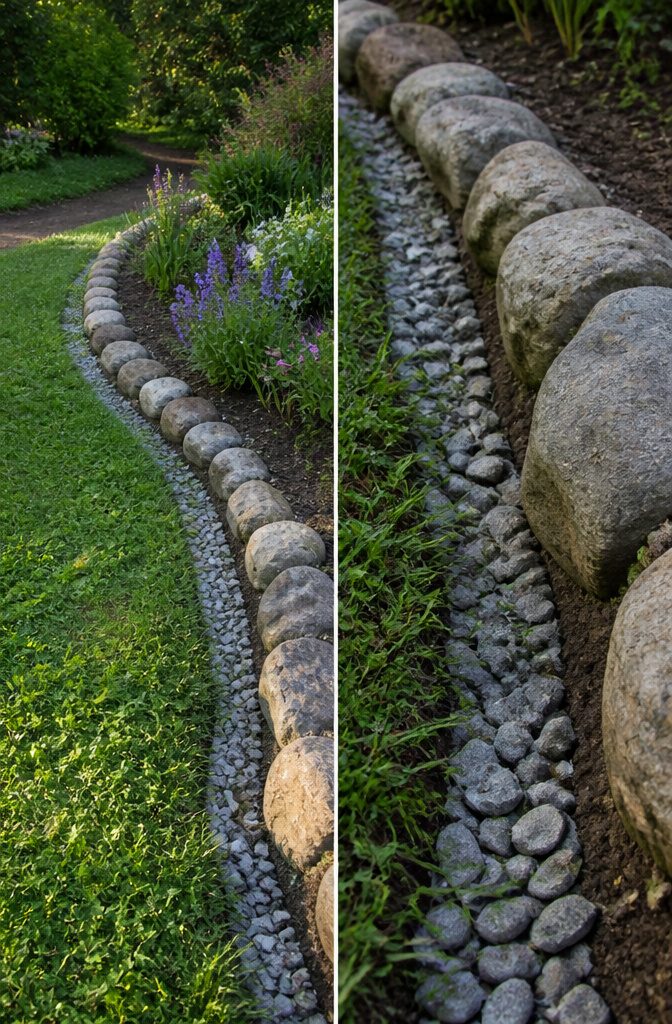
Crushed stone follows any curve you dig, while medium-to-large rocks give a bolder, more defined border. Lay a garden hose on the grass first and adjust it until the curve looks right, then cut a shallow trench along that line.
Spread a base of leveling sand in the bottom and press it flat so each rock sits steady instead of rocking. Set your rocks in the trench, or pour in crushed stone to fill it.
Finish by working soil into every gap between the rocks and pressing it down by hand.
The packed soil is what locks the stone in place, so it stays put when you weed, water, or run a mower along the edge.
Recommended Products

EASYFLEX DECORATIVE NO-DIG LANDSCAPE EDGING: Get a beautifully landscaped yard without all the work of a dig-in lawn edging; simple installation without trenches or shovels; color may vary due to the unique manufacturing process.

100% PERMEABLE ROCK GLUE FOR LANDSCAPING AT AN UNBEATABLE VALUE: Our 100% permeable stone glue covers up to 200 sq ft, securing rocks, pea gravel, pebbles & decomposed granite with lasting strength, while staying permeable to support soil hydration & nutrient flow

LOCKS ROCK & MULCH IN PLACE - This strong rock & mulch glue bonds pea gravel, pebbles, stones bark and wood chips, so they stay where you laid them for up to 24 months - no more raking beds back after every storm. Works as a mulch lock spray, stone glue and pebble glue for landscaping beds.
4. A Dry-Stacked Rock Wall
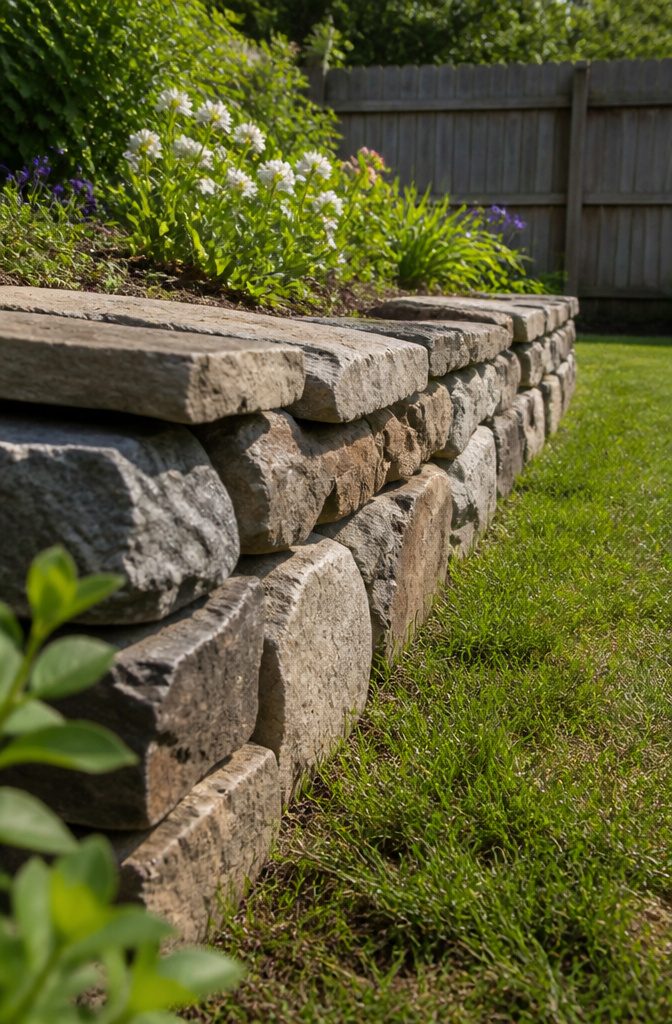
A dry-stacked fieldstone wall makes a good edge for a raised flower bed because it needs no mortar, only careful placement.
The stone won’t stay put on its own, though. Stacked rocks need basic groundwork: a level, firmed base, the largest stones on the bottom, and joints staggered like brickwork so no seam runs straight up.
Stone for a wall runs $15–$95 per square foot, so the type you choose moves your budget a lot.
Check the height before you buy anything.
A wall taller than 2 feet may require a permit from your municipality. A bed edge kept under that line sidesteps the question, and a low wall is all a flower bed needs.
Recommended Products

Realistic Faux Stone Texture: Our landscape edging boasts a lifelike stone texture with detailed surface patterns that add depth and a polished look to your outdoor space. It beautifully enhances garden beds, lawns, pathways and flower beds, bringing a natural, decorative touch to any yard.

Stone-Look Decorative Landscape Edging: 2.75 inch tall rustic stone design complements any flower gardens and provide clean look for your gardens, flower beds, lawns, grass, raised garden beds, shrubbery, pathways, yard trees, ground pool, etc.

EASYFLEX DECORATIVE NO-DIG LANDSCAPE EDGING: Get a beautifully landscaped yard without all the work of a dig-in lawn edging; simple installation without trenches or shovels
5. Xeriscape Landscaping
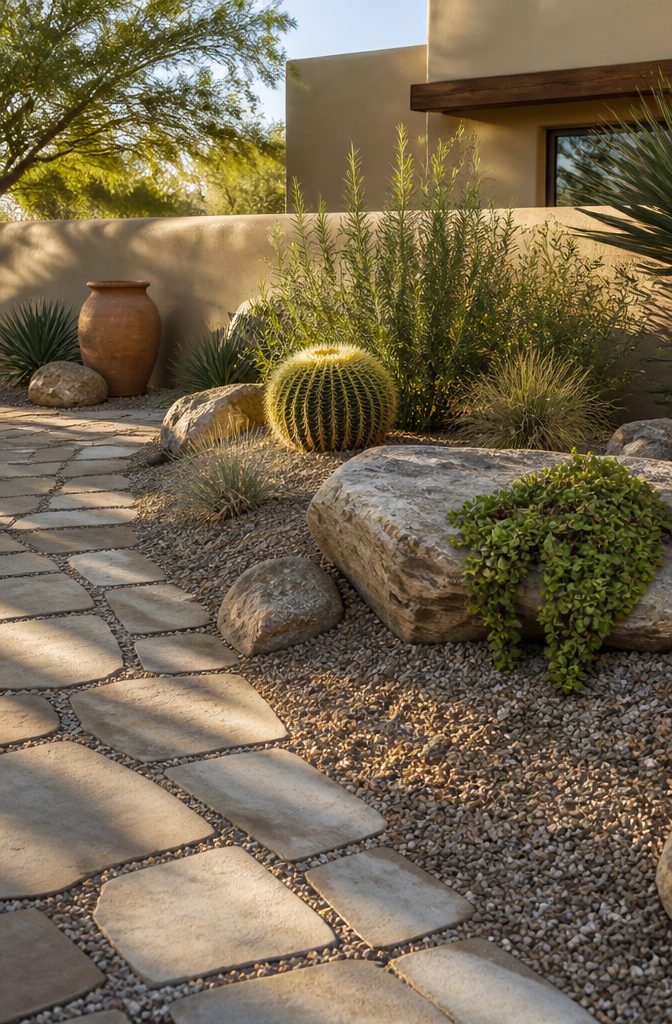
Xeriscaping gives each rock size a job.
Use your largest rocks for a patio or walkway, then fill the space between plants with gravel so soil is exposed only at the planting holes. Less bare soil means less water evaporating, and you’ll water less often.
Golden barrel cactus, Trailing Jade, and rosemary all handle dry spells and suit this setup.
The barrel cactus holds a gravel bed together as a centerpiece, Trailing Jade spills over the edge of a larger stone, and rosemary adds height and texture.
Rock also keeps the ground in place. Gravel and stone resist wind and rain, so soil stays put instead of blowing or washing away from bare beds.
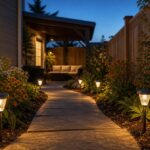
6. A Gravel Walkway
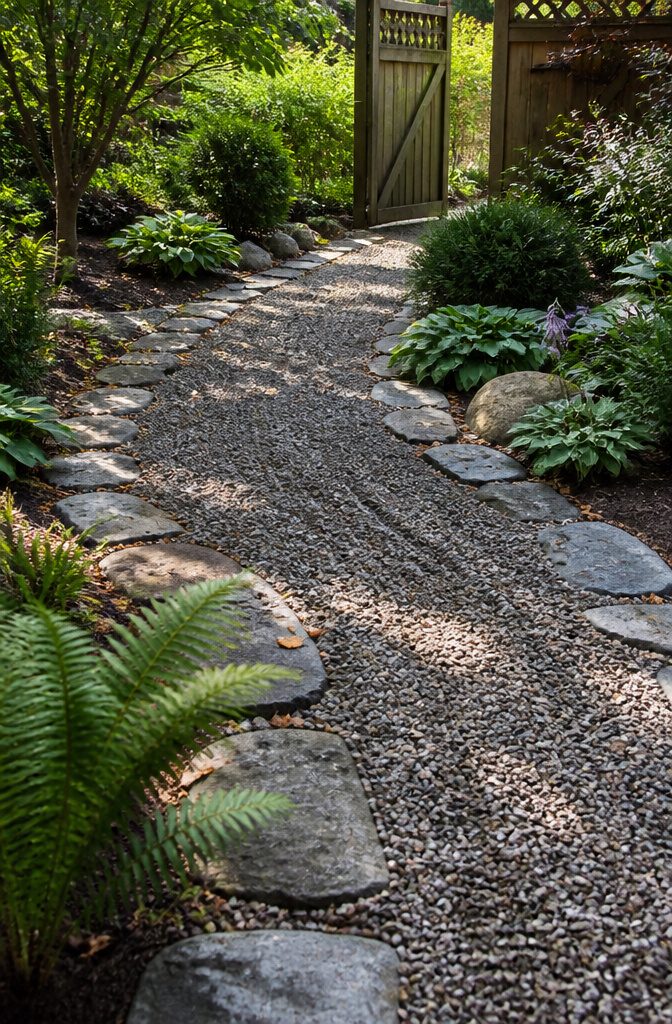
A gravel path costs less than concrete and goes in within a day or two.
It also needs only a little water to keep clean, which makes it the more sustainable choice. Budget Dumpster puts numbers on a DIY job:
The average cost to install a 35’x4′ gravel walkway yourself is about $595. That includes about $325 for 140 square feet of gravel, a cost you can reduce by repurposing gravel you’ve already dug up.
Gravel is the biggest line in that budget, so check your yard for leftover stone before you order any. If you’d rather lay stepping stones than fill a bed, flagstone is the stone suited to walkways.
Recommended Products

【READY TO USE MULCH BINDER — NO MIXING, NO MESS, JUST SPRAY】 Skip the measuring cups and complicated ratios. This ready to use mulch binder comes pre-mixed for fast application straight from the bottle. Simply sprayer to secure bark, wood chips, pine straw, and decorative landscape materials with less effort and more consistent coverage.

Professional-Grade Rock Stabilizer: Securely locks pea gravel, decorative stones, and mulch in place, creating clean, organized garden paths, patios, and landscape areas. Ideal for homeowners, landscapers, or DIY enthusiasts who want a long-lasting, professional-looking finish without constant upkeep. Say goodbye to shifting stones and messy pathways!

【READY TO USE MULCH BINDER — NO MIXING, NO MESS, JUST SPRAY】 Skip the measuring cups and complicated ratios. This ready to use mulch binder comes pre-mixed for fast application straight from the bottle. Simply pour into a garden sprayer or use with an electric sprayer (not included) to secure bark, wood chips, pine straw, and decorative landscape materials with less effort and more consistent coverage.
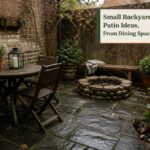
7. A Stone Fire Pit
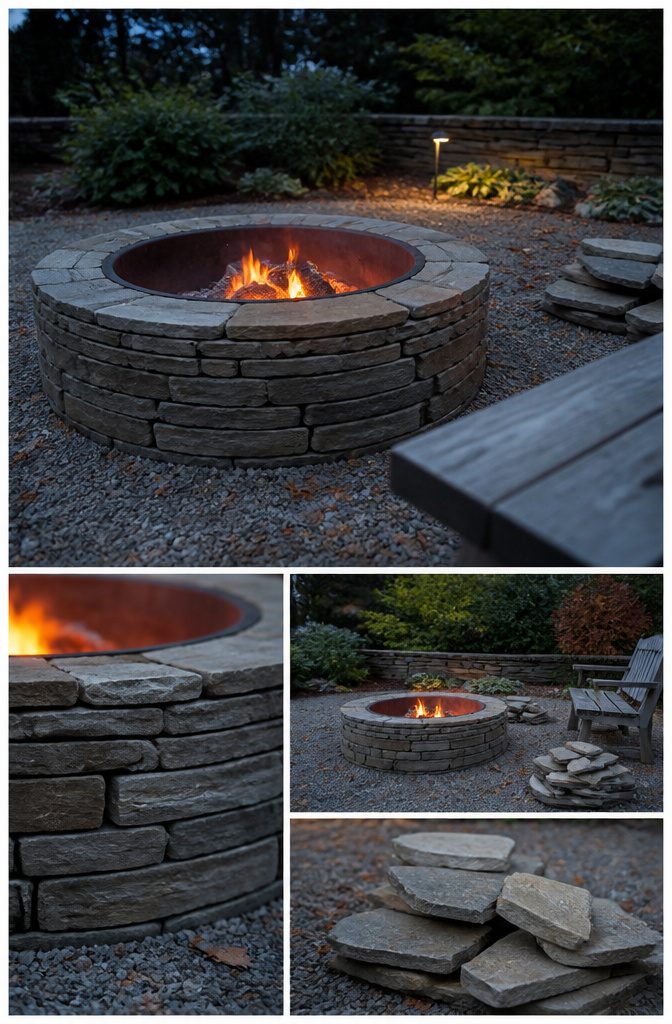
Build it from the flatter stones you already have, set on a gravel base and bound with mortar or fast-set concrete around a fire pit ring. Flat faces stack tighter, so sort for those first.
Cost depends on where the stone comes from. Fieldstones run $350–$3,000 for a project like this, and that range is why stone from your own yard is the better route.
Doing the work yourself costs $150–$300, depending on the tools you own. With free stone, a DIY fire pit uses well under half of a $500–800 yearly budget.
If you buy fieldstone at the low end, you’re at roughly $500 and the year is spent. Professional installation runs $250–$2,200, and only the bottom of that range fits.
8. A Zen Garden
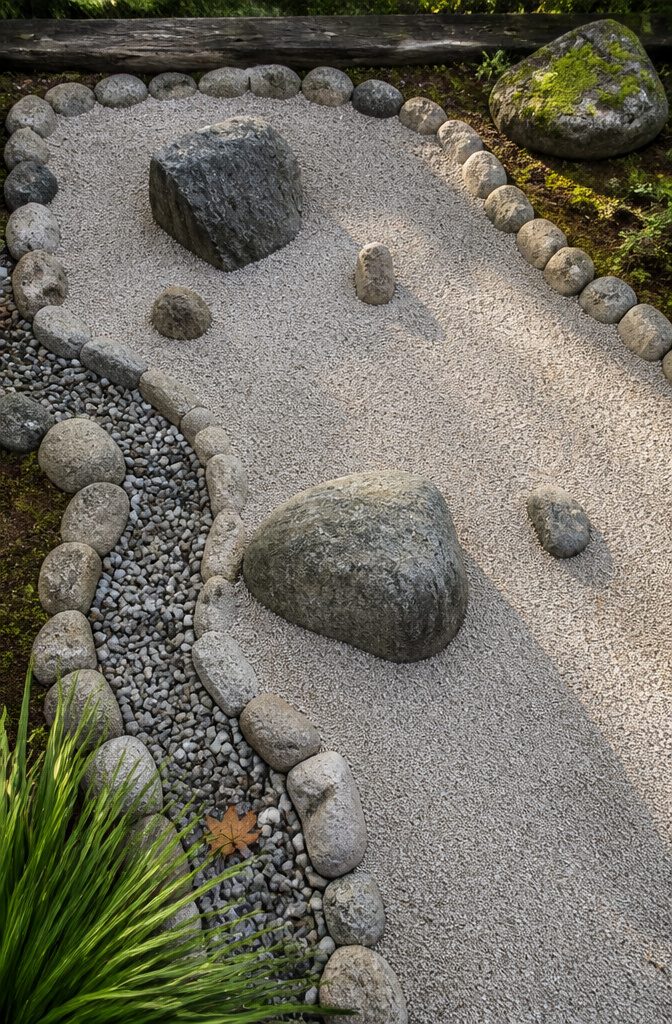
Large boulders work as the accent pieces in a Zen garden. Medium-sized fieldstone edges the outside, and sand or pebbles fill the open ground.
For a stream, line the bed with river rock. Match the rock sizes to the garden: a small patch needs smaller stones than a large plot.
Zen design follows seven principles: simplicity, austerity, asymmetry, naturalness, mystery or subtlety, the magical or unconventional, and stillness. Less is more here, so pick a small variety of rocks and leave the space between them open.
A handful of stones you already have is enough to start. Zen-like simplicity is one look a rock garden can take.
Recommended Products

EASY INSTALLATION: Sections of edging simply slide together and can be tapped with a mallet, which eliminates digging

Stunning Garden Decor: Illuminate your garden with outdoor solar lights for yard that glow automatically at dusk. Perfect for lining lawns, flower beds, pathways and more. Say goodbye to dull landscapes and enjoy a stylish, well-lit yard that impresses both day and night.

Decorative Brick Red Finish for Rustic Charm: This short wood fence features a warm brick red finish that adds natural beauty and a decorative touch to any outdoor space. Ideal as a wood garden fence for flower beds, pathways, and yard accents.
9. Painted Rocks
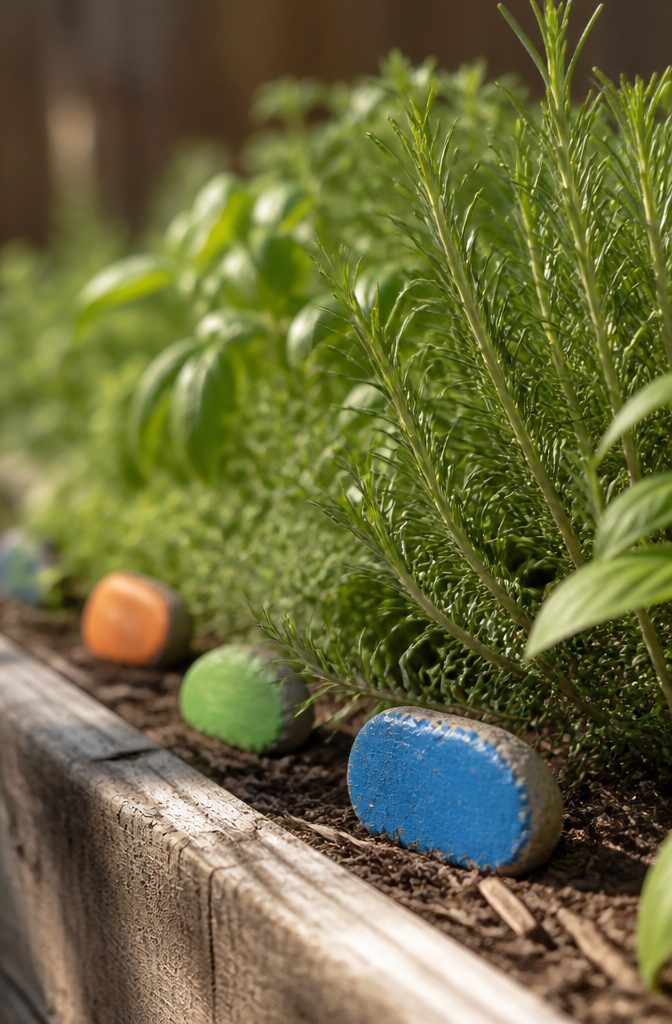
Painted rocks earn their place as plant markers. Choose a smaller stone from your own yard, paint the plant’s name on its flattest face, and set it at the base of the plant.
A bright base color with dark lettering on top stays readable from a few feet away, which plastic stakes buried in mulch rarely do. This works well for herb and vegetable beds, where several look-alike plants grow side by side.
Beyond labels, painted stones are décor. Bold colors or simple designs add a personal touch to a bed or a patio corner.
They also make a good project for kids, so a family yard gets a craft out of the same stones. Expect paint to fade and wear over time, so plan on touching up the markers each season.
10. A Stone Birdhouse
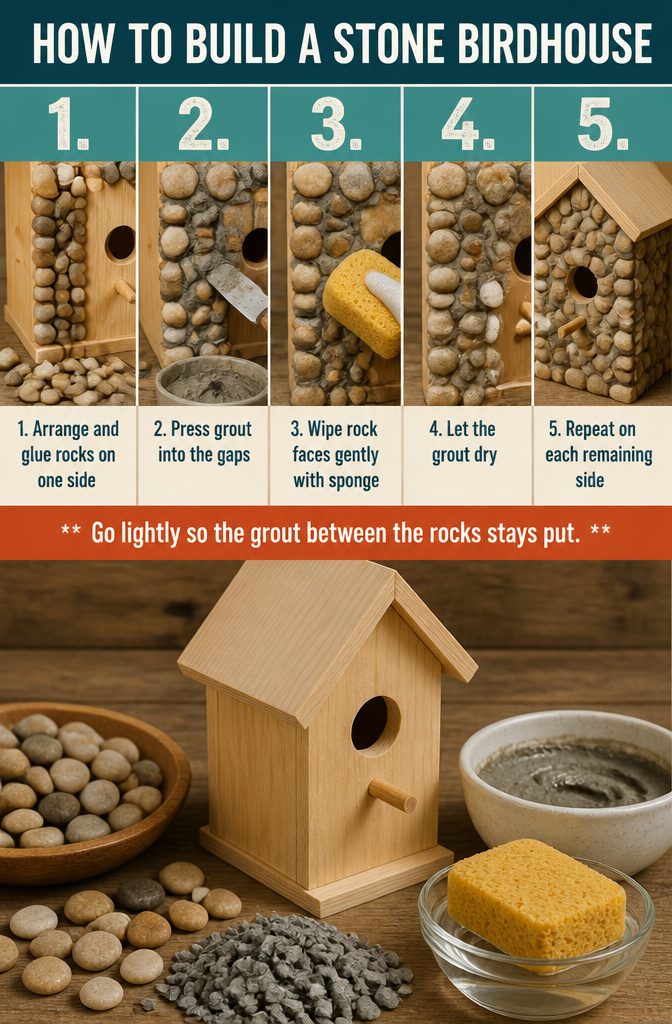
Leftover pebbles and crushed stone cover a plain wooden birdhouse well, and the finished house can bring new birds to your yard.
- Start on one side of the birdhouse. Arrange the small rocks, then glue each one down.
- Mix the grout and spread it over the rocks, pressing it into the gaps.
- Wipe the surface with a damp sponge to clear grout off the rock faces. Go lightly so the grout between the rocks stays put.
- Let the grout dry.
- Repeat steps 1–4 on each remaining side.
Recommended Products

【𝗥𝗘𝗔𝗗𝗬-𝗧𝗢-𝗨𝗦𝗘 𝗪𝗜𝗧𝗛 𝗘𝗟𝗘𝗖𝗧𝗥𝗜𝗖 𝗦𝗣𝗥𝗔𝗬𝗘𝗥】Professionally pre-mixed for strong adhesion with no diluting, measuring, or extra tools required. Just shake, attach the electric sprayer, and apply. Easy to use for reliable results, even if it's your first time using rock glue for landscaping.

ROCK + MULCH, ONE LANDSCAPE GLUE – Use one mulch and rock glue for landscaping to help stabilize loose materials and reduce shifting, scattering and rain washout. Works with bark mulch, wood chips, pine straw, rubber mulch, pea gravel, small pebbles, crushed stone, river rock and decorative stone. For stone projects, use compatible pieces up to 3 inches; larger or smoother rocks depend more on good contact between pieces.

Say Goodbye to Messy Mulch: Keep your mulch, gravel, bark, or wood chips in place—even during heavy rain or strong winds. Teexpert mulch glue helps reduce weed growth and leaf clutter, keeping your garden clean with less effort.
Choosing Rock Types
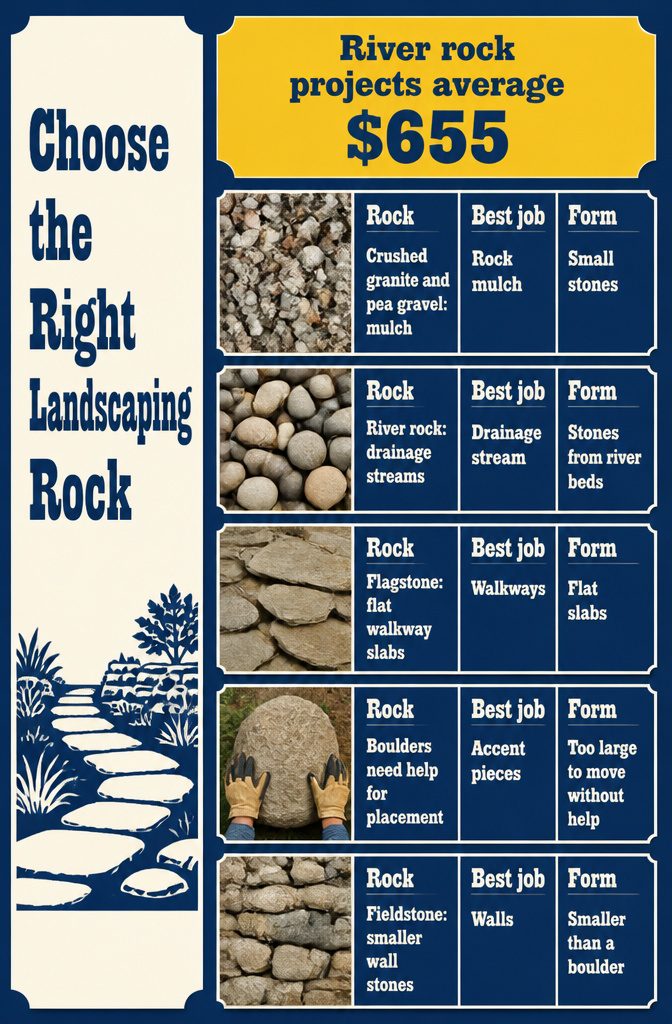
Match the stone to the job before you order anything. A landscaping project using river rock averages about $655, so a wrong pick gets expensive fast.
| Rock | Best job | Form |
|---|---|---|
| Crushed granite, pea gravel | Rock mulch | Small stones |
| River rock | Drainage stream | Stones from river beds |
| Flagstone | Walkways | Flat slabs |
| Boulders | Accent pieces | Too large to move without help |
| Fieldstone | Walls | Smaller than a boulder |
Flagstone is the one sold as flat slabs, which is why it beats round stones underfoot. Boulders need a second person for placement, so choose their spot before they arrive.
Reuse Rocks You Already Have
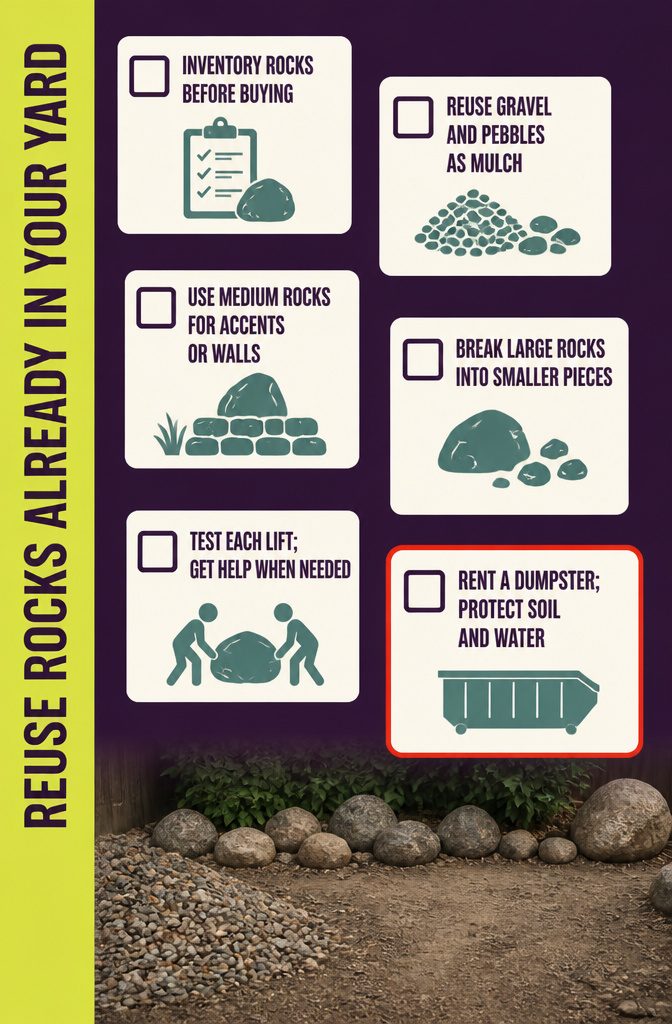
Take inventory before you buy anything. Walk the yard, note what you have, and match it to a project:
- Loose gravel and pebbles can replace purchased crushed granite, pea gravel and river rock.
- Medium rocks and boulders already on the property work as accent pieces, and fieldstone-size ones can go into a wall.
- Larger rocks can be broken down into smaller pieces for flagstone-style paving or pea-gravel-size fill.
- Treat every lift as a test. Trevor Thompson of TerraClear Inc. says, "One rock that looks the same as another can be a very different weight." Get help with anything you can’t move alone.
- Rent a roll-off dumpster for the surplus. Improper disposal can contaminate soil and water, so don’t dump rock in a ditch or the woods.