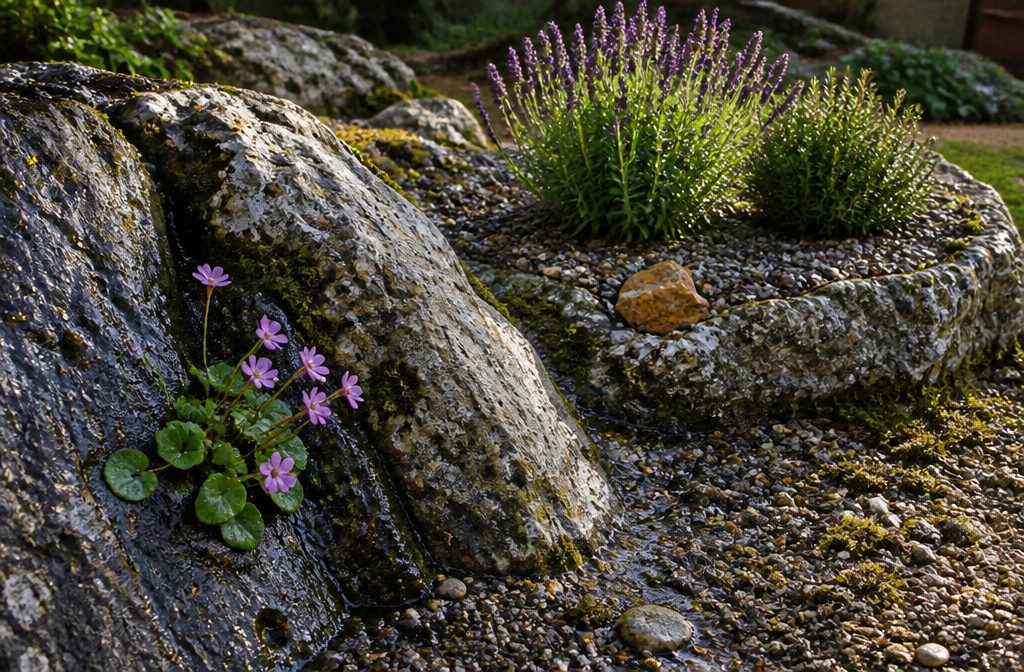
Check your light and drainage before you buy: most plants that grow between stones want full sun and fast-draining soil.
Shade changes the list. Ramondas and Soldanella alpina suit the north-facing side of the rocks, while lavender and rosemary will fail in a soggy or shaded corner.
1. Low-Growing Groundcovers
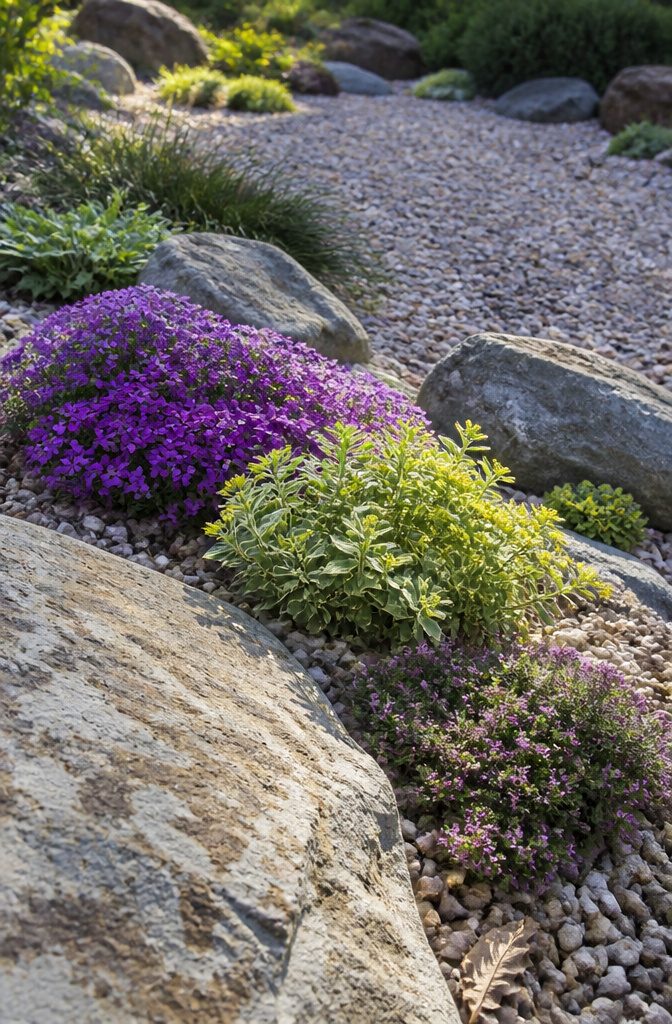
Aubretia gives the most spring color along a rock edge: purple flowers on a plant about 12 inches tall and 18 inches wide.
Sedum ‘Atlantic’ (Sedum takesimense) is smaller, about 12 x 12 inches. It has variegated, serrated leaves and lime green flowers that draw bees, and it suits the edge of a border.
Creeping thyme (Thymus serpyllum) forms aromatic mats with small flowers, so it softens stone without crowding it. Bugleweed (Ajuga reptans) works well among a mix of larger and smaller rocks.
Lithodora and the other sedums tolerate drought, which makes them the better pick for a low maintenance bed. A layer of gravel mulch around all of them keeps weeds from moving in.
Recommended Products

🌱 10000+ Lemon Thyme Seeds for Planting Includes 10000+ lemon thyme seeds for planting, ideal for herb gardens, borders, containers, and outdoor landscaping projects with long-lasting aromatic foliage.

LOW-GROWING CREEPING THYME GROUND COVER: Purple Creeping Thyme creates a dense, low-growing ground cover with attractive foliage and seasonal blooms. Suitable for garden borders, pathways, landscape beds, and other decorative outdoor planting areas.
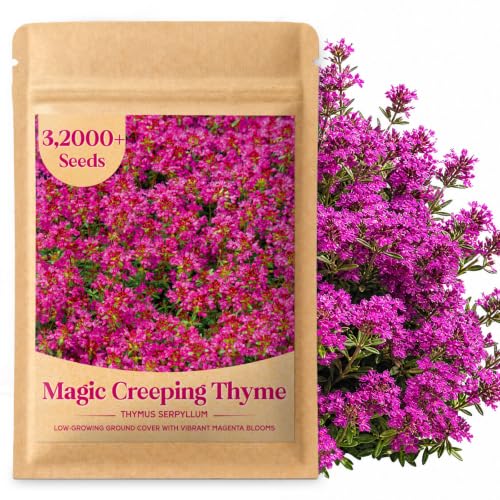
32000+ Seeds For Large Planting Areas: Over 32,000 Magic Creeping Thyme seeds provide generous coverage for pathways, garden borders, rock gardens, slopes and landscape projects. A great choice for creating a fuller planting area with a single packet
2. Succulents and Rosettes
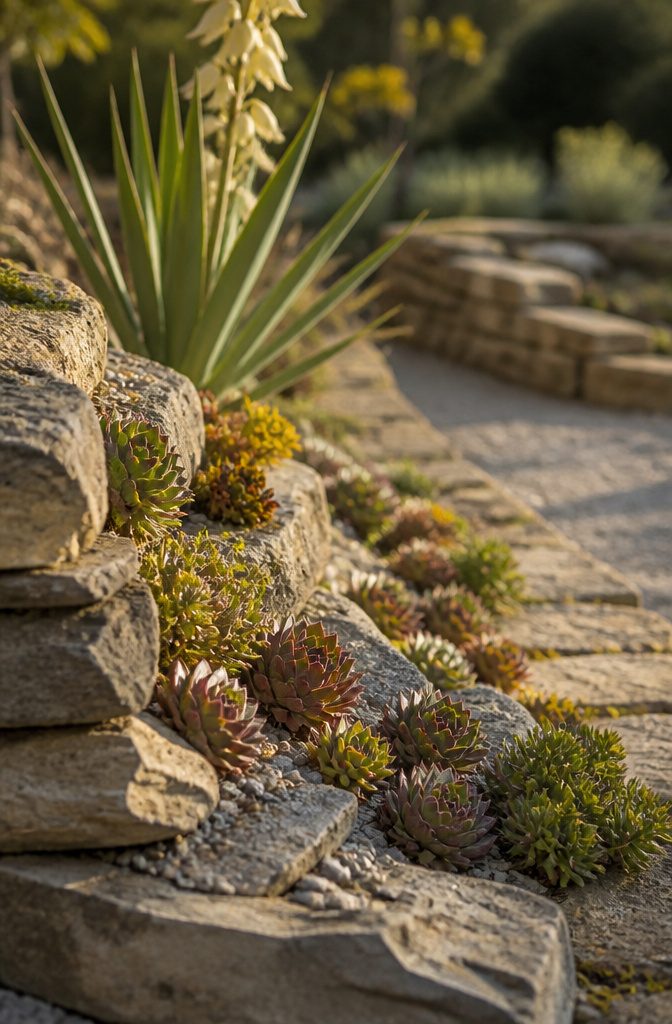
Hens and chicks, houseleeks and sempervivums are the same group of rosette-forming plants, and their tight rosettes tuck between stones where little else can root.
They are drought tolerant and want lean soil with sharp drainage, which a crevice supplies: water drains through the gaps instead of sitting around the crown.
Push them into the cracks of a dry stone wall, or the dips along its top, with a few sedums, and they give year-round interest once established.
In a flat bed, spread gravel around them to speed drainage and keep weeds down.
For height, add a yucca. Its bold, upright foliage and dramatic flower spikes give the low rosettes something to sit beside.
Recommended Products

CREATIVE GIFTS: A hand selected collection of mixed Sempervivum succulent plants makes an excellent gift for the woman in your life, and they also make great housewarming gifts for unique home decor.

REAL SUCCULENTS: Each pack includes 3 sempervivum succulents in 2" succulent pots for plants. Grow our decorative plants at home or display as office plants to enjoy nature at work. Order real plants for delivery prime to refresh your space today.

LIVE & FULLY ROOTED – Healthy Sempervivum calcareum (Hens and Chicks) established in a 2-inch grower pot and ready to enjoy upon arrival.
3. Alpines and Compact Perennials
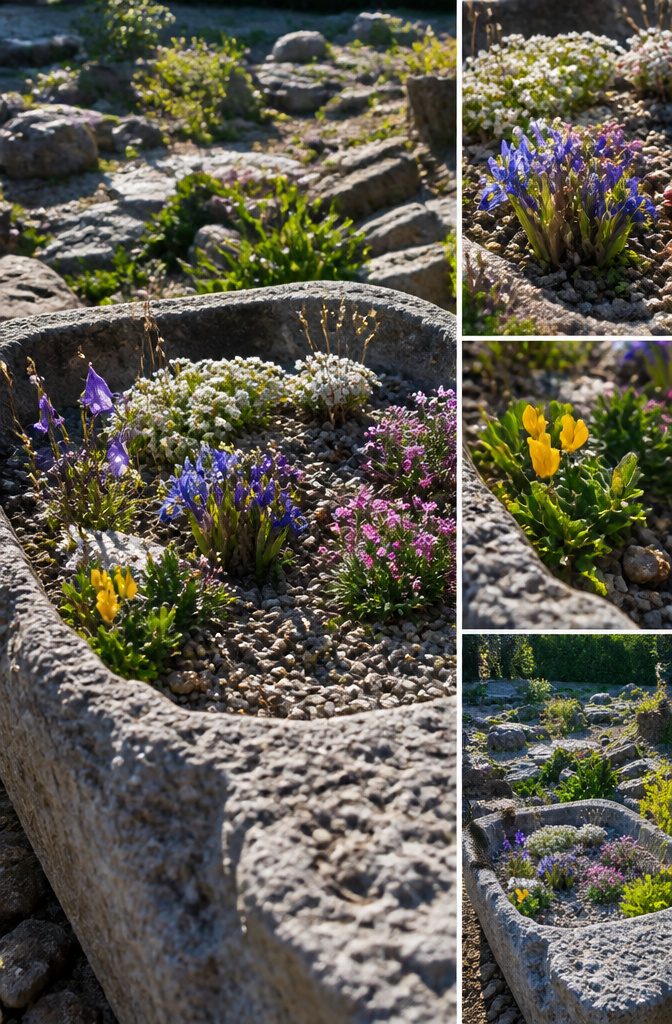
Small flowering perennials fit the gaps between stones, and most of them grow best in full sun with sharp drainage.
- Saxifraga: low plants that tuck into gaps between rocks.
- Campanula betulifolia: the campanula to choose for crevices.
- Pinks: cottage pink (Dianthus plumarius, also called feathered or garden pink) and Dianthus haematocalyx subsp. pindicola.
- Pasque flowers: suited to the same sunny, gritty spots.
- Kidney vetch (Anthyllis vulneraria): supplies pollen and nectar for pollinators.
- Lewisia longipetala hybrida: a good choice for sunny gaps between stones.
- Iris reticulata: about 6 inches tall, with tiny blue flowers in late winter. It is the best pick for troughs.
For the north-facing side, try ramondas, Soldanella alpina, and saxifraga.
Recommended Products

Premium Non-GMO Heirloom 100+ Prairie Smoke Seeds: Grow a piece of North American prairie heritage with these high-quality Prairie Smoke Seeds for Planting. This Geum triflorum variety produces nodding pink bell-shaped flowers in spring that transform into wispy, feathery pink plumes resembling smoke drifting across the ground. Each packet contains over 100 Non-GMO, open-pollinated heirloom seeds for creating a spectacular, low-maintenance perennial display that returns year after year.

Drought-Tolerant: Moss Rose thrives in full sun and requires minimal watering once established, making it an excellent choice for xeriscaping or dry climates.

High Germination Ease: Sow aubrieta cascade purple aubrieta deltoidea seeds in 60–65°F soil. Aubrieta rockcress sprouts in 10–14 days, ideal as flower seeds for airy borders, walls, rock gardens.
4. Aromatic Herbs
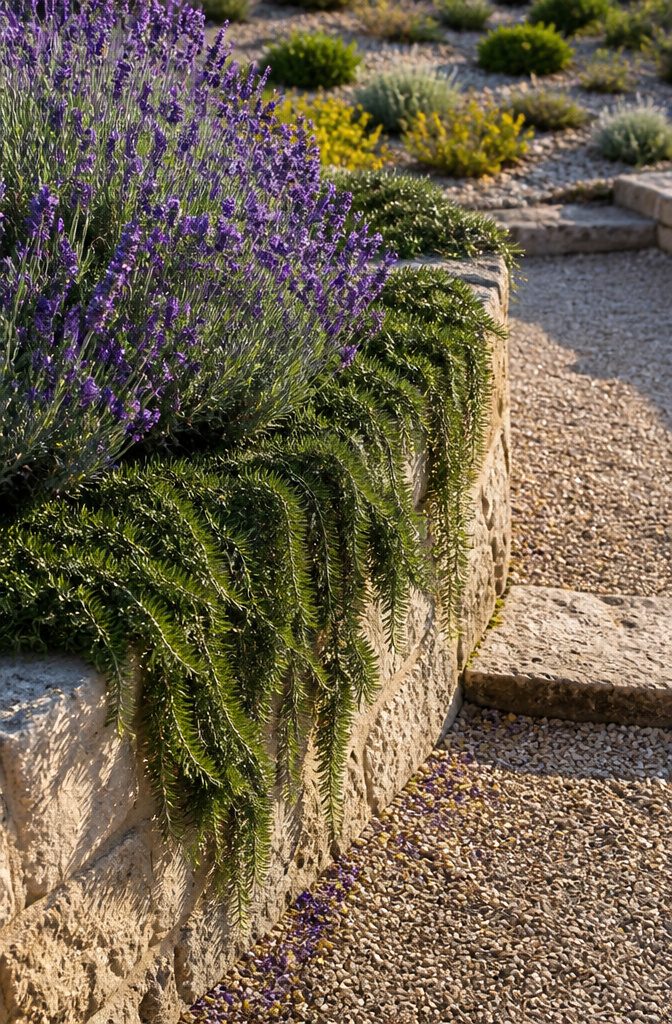
Lavender gives a sunny gravel garden its color and its scent in one plant.
The gray-green foliage looks right against pale stone, and the purple flower spikes bring bees. Set it where you’ll brush past it, such as beside a path or step.
Prostrate rosemary, Rosmarinus officinalis ‘Prostratus’, does a different job. It trails, so plant it at the top of a rock or along a wall and let the needle-like evergreen leaves spill over the edge.
Both herbs want full sun and gravel that drains fast. If your spot stays shaded or soggy, skip them and choose something else.
Recommended Products

Long-Lasting Color: these heirloom seeds deliver pink, red, and white blooms in full sun; plants reach 16 in tall and flower late spring to early summer — ideal dianthus seeds perennial for cottage borders & Outdoor Garden.
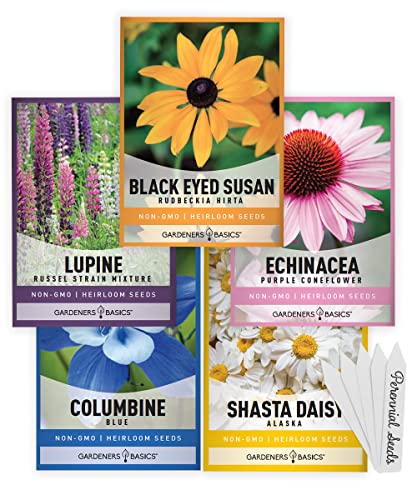
Five perennial flower varieties: Grow Russell strain lupine, blue columbine, purple coneflower echinacea, Black-Eyed Susan and Alaska Shasta daisy. Each variety comes in its own labeled seed packet so you can plan beds, borders and outdoor gardens.

When received, the plant will be in seasonal condition with appropriate foliage. Heavily silver-veined dark green foliage and dark stems hold pure white flower from February to April. The outward-facing blooms are a beauty to behold in the early spring garden as winter slowly fades. Clumps grow 24" tall by 24" wide. PP#25685
5. Small Evergreen Shrubs
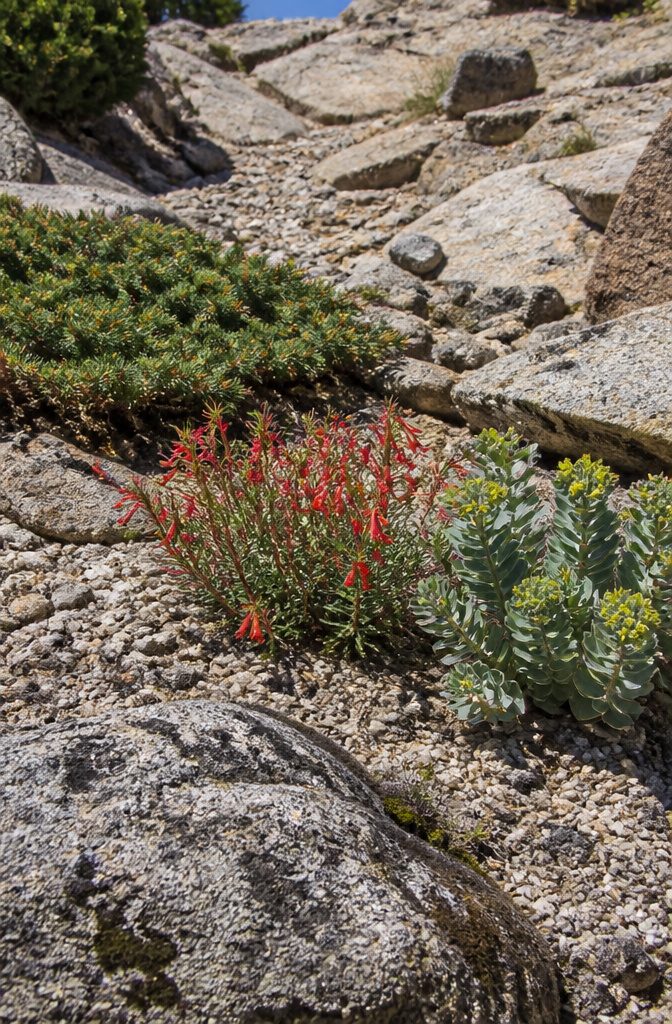
Pine-leaved penstemon (Penstemon pinifolius) is the best pick for a small rock garden. It stays evergreen, reaches about 8 inches tall and 20 inches wide, and carries tubular red flowers over needle-like leaves from May to July.
Euphorbia myrsinites is smaller, about 6 inches tall by 12 inches wide, with blue leaves and lime-green flowers from April to July. Calceolaria biflora fits a tight gap at 6 x 6 inches, with evergreen leaves and yellow flowers from April to July.
For the permanent framework, plant dwarf Japanese garden juniper (Juniperus procumbens ‘Nana’), Daphne x hendersonii, or a rockrose (Cistus, or Helianthemum nummularium).
Recommended Products

18 CULINARY HERB SEEDS – Genovese Basil, Thai Basil, Cilantro, Parsley, Dill, Chives, Oregano, Rosemary, Sage, Thyme, Spearmint, Lavender, Marjoram, Fennel, Anise, Summer Savory, Garden Cress and Basil Mix in one heirloom non-GMO collection

Growing Environment: Thrives outdoors in hot, well-draining sun; can grow indoors in bright light with careful watering.

6. Grasses for Year-Round Interest
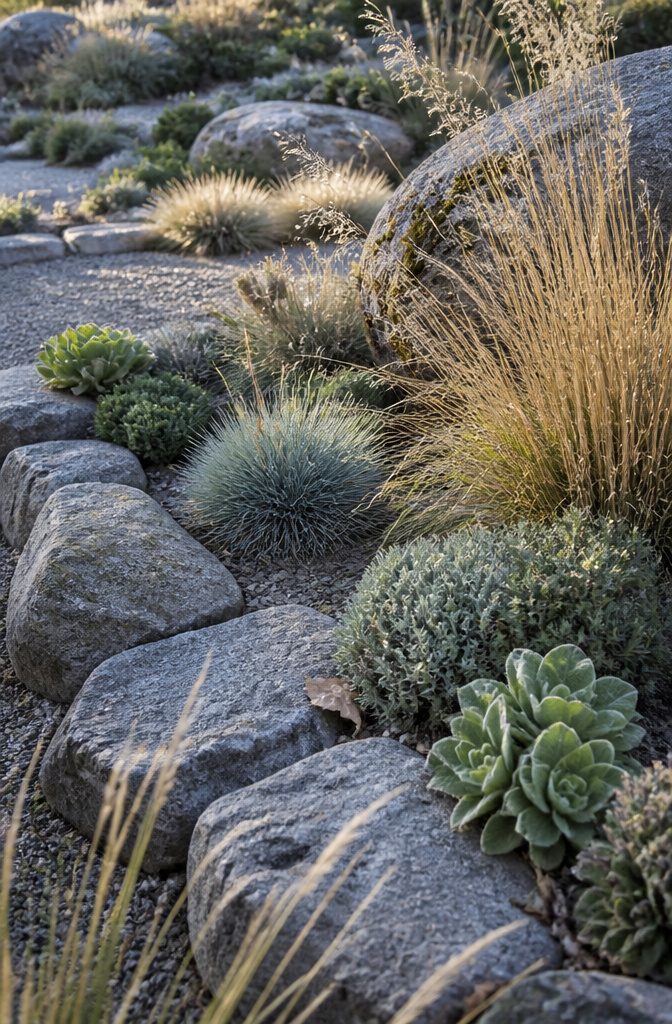
Blue sedge (Carex glauca) forms a fine, steel-blue tuft that holds its color after the flowers around it have faded. Native grasses add movement, and many turn straw-colored in fall, so the bed keeps some shape through winter.
Pair them with plants that look nothing like them. Set fine, arching blades against broad rosettes and rounded mounds, and vary the heights: taller grasses beside a large boulder, the sedge tucked low between stones.
That contrast keeps the eye moving through every season, including the months when nothing is in bloom. Choose native grasses suited to your region, since they cope with local heat and dry spells with less fuss.
Match Plants to Your Site
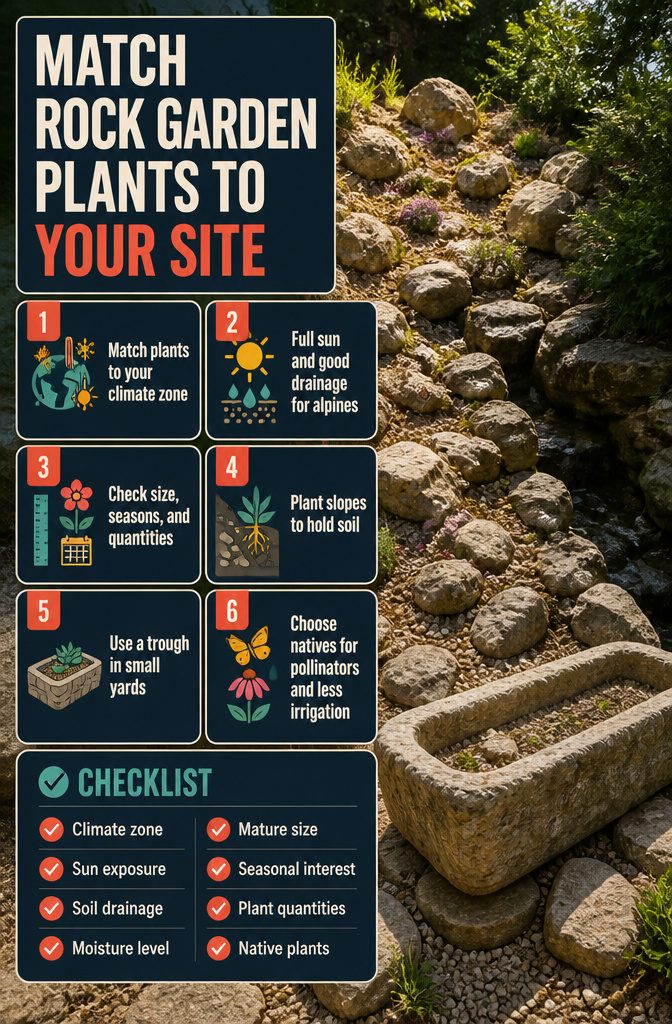
Sort the six groups by what your site gives you, in this order:
- Start with climate, sun, soil and moisture. Rock gardens work in climates from hot and arid to cold and wet, so match plants to your zone before anything else.
- Most alpines want full sun and good drainage. Put shade plants on the north-facing side of the rocks.
- Next, check compatibility, mature size, seasonal interest and how many of each plant you need.
- On a slope, plant to hold the soil in place.
- In a small yard, a stone trough or raised bed works as a rock garden.
- Choose natives where you can. They help pollinators, and plants native to dry, rocky habitats often need little irrigation.
Recommended Products

APPEARANCE: Beautiful rosette-forming succulent with lime green leaves featuring striking purple-red edges and a symmetrical spiral pattern

HAND-PICKED VARIETY: Receive 20 unique species or cultivars of sempervivum and sempervivum heuffelii with no repeats. These live plant and succulent plants live bring classic rosette shapes and seasonal color all year in every season.

HAND-PICKED VARIETY: Receive 12 unique species or cultivars of sempervivum and sempervivum heuffelii with no repeats. These live plant and succulent plants live bring classic rosette shapes and seasonal color all year in every season.
Rocks and Soil Mix
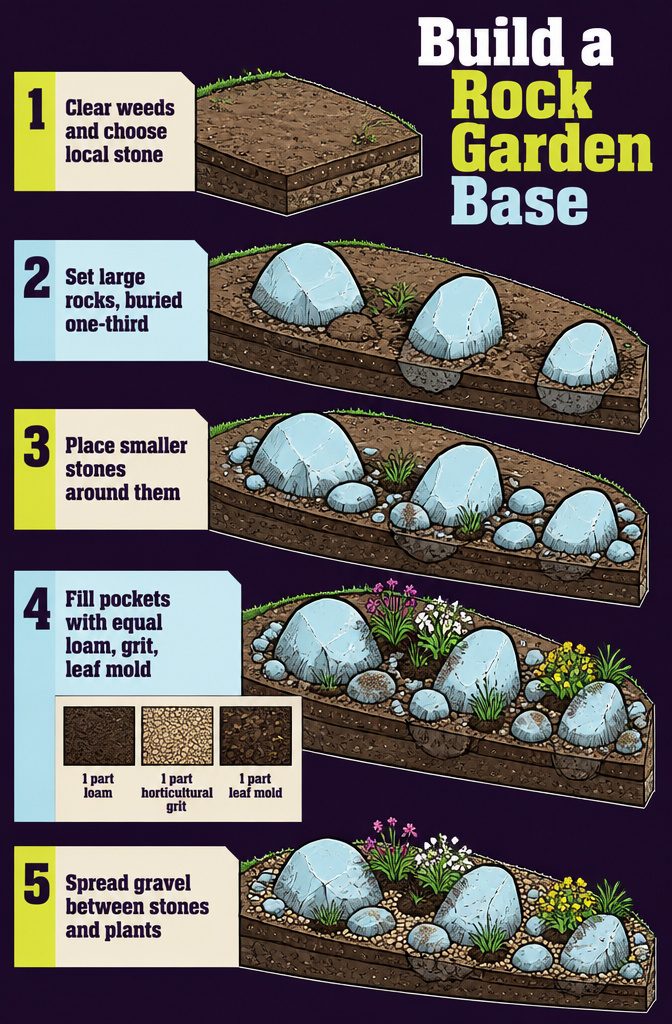
- Clear the weeds from a sunny, well-drained spot. Buy local stone, since it matches the surrounding ground and looks like it belongs. Mix large and small rocks, and rough and smooth surfaces.
- Set the largest rocks first. Bury about a third of each rock’s depth and tilt it slightly backward. On a slope, buried rocks stay put instead of shifting.
- Place the smaller stones around the big ones.
- Fill the planting pockets with 1 part loam, 1 part horticultural grit and 1 part leaf mold. This loose, open mix lets native plants grow deep roots, so they need little watering once established.
- Spread gravel in the gaps between stones and plants.
Recommended Products


Water and Upkeep
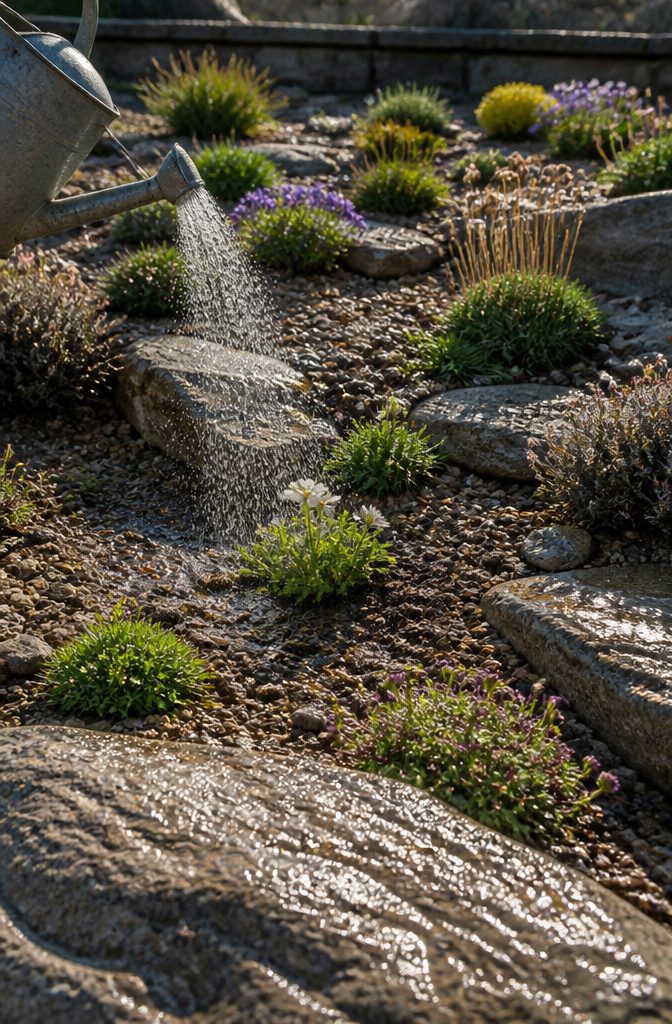
A rock garden cuts down on weeding, mowing and other labor, but the plants still need water, and new alpines need the most.
Water your rock garden regularly after planting. Alpines need watering until they are established, especially during hot summers.
Water new plantings often through their first hot summer, then ease off once they are rooted in. Don’t overdo it, since these plants prefer dry, well-drained soil.
A layer of gravel mulch around each plant keeps weeds from competing for water and helps keep slugs and snails off young growth. Once a season, prune dead growth and spent flowers.
Recommended Products

For best results, plant in USDA Zone:5-8 - Mature size: 12-24in H x 15-18in W

THRIVES IN USDA ZONES 3-9: Our Sweet William Mix (Dianthus Barbatus) is a hardy perennial that thrives in USDA Zones 3-9. It adapts well to both cooler and warmer climates, providing winter hardiness and drought tolerance. This low-maintenance wild flower is ideal for gardeners seeking long-lasting beauty outdoors that will improve landscapes year after year.
Frequently Asked Questions
Recommended Products


5 MEDICINAL HERB SEEDS – Lavender, Chamomile, Lemon Balm, Spearmint, and Echinacea Purple Coneflower for a compact herbal tea seed kit

Two (2) large live plants – big, healthy, ready to grow, premium herb plants, 4” to 8” tall plants, in 4” pots. NON GMO No Neonicotinoids
What is the difference between a rock garden and a rockery?
There is no difference.
Rockery is just another name for a rock garden. Both describe a raised feature built from rocks and soil, planted with alpines, dwarf shrubs and small perennials.
What is the point of a rock garden?
A rock garden gives a yard a focal point and adds structure.
It also recreates the gritty, fast-draining conditions of mountain slopes, so alpines and other small plants with the same needs can grow together. It cuts down on weeding and mowing too, though new plants still need regular watering.