A yard built around plants that handle dry conditions, such as lavender, sedum, and blue fescue, can need little water for half the year once the plants are established, which cuts water bills compared with a grassy lawn.
Until then, new shrubs and perennials need extra water through their first year, and trees for the first couple of years.
Choose Plants for Your Climate
Start with your climate, soil, sun exposure and the upkeep you will accept.
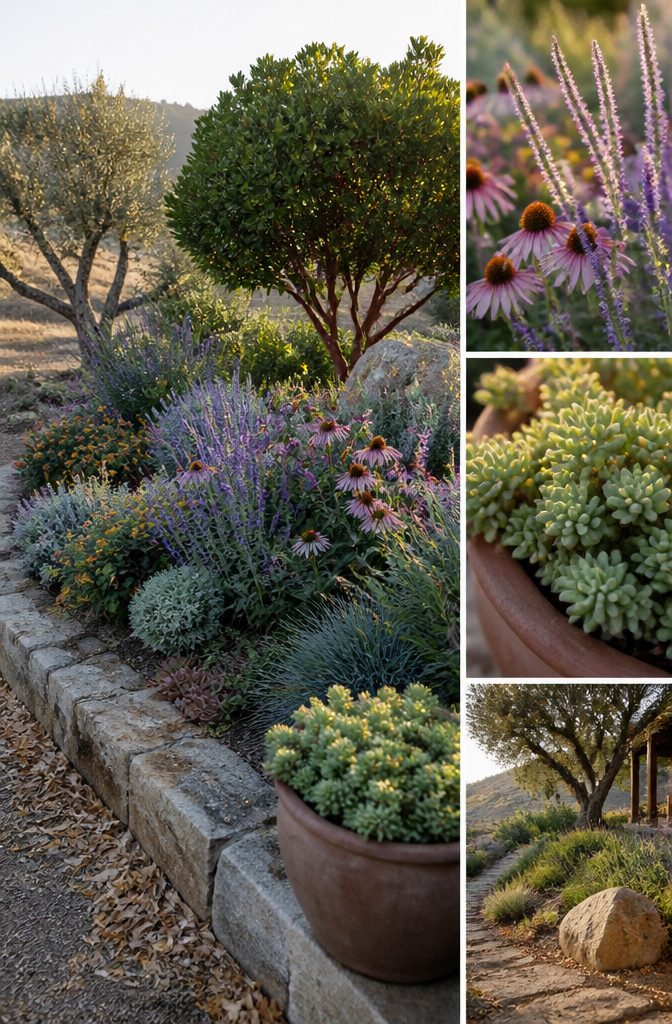
Lantana, lavender, sedum, Agastache, coneflowers and blue fescue are examples, and thirsty citrus sits at the opposite end from low-water succulents. Mediterranean-climate plants tend to share thick foliage, tiny leaf hairs called trichomes, and secreted oils.
Native does not automatically mean drought-tolerant; redwoods need enormous amounts of water. For trees, stay under 25 feet: strawberry tree, fruitless olive and crape myrtle fit.
Easy upkeep rules out some popular choices:
avoid invasive species of native or drought-tolerant plants such as the popular pampas grass and the ultra-colorful periwinkle.
Your local extension office can list what suits your zone.
Recommended Products

FAST-GROWING & HARDY OUTDOOR PLANTS: Lavender Spanish Eyes thrives in USDA zones 8-11, producing sky-blue flowers from late spring to summer. This hardy perennials are easy to grow and works well in herb gardens or flower beds. Space plants 15-18 inches apart for optimal growth and enjoy a vibrant garden display.

LIVE HIDCOTE BLUE LAVENDER — 4 LIVE PLANTS — Receive 4 live plants of Lavandula angustifolia 'Hidcote Blue' shipped in nursery-quality 4" Pots, rooted, healthy, and ready to plant. Compact English lavender prized for its rich color and intense fragrance — every plant is hand-grown on our family farm in Sequim, Washington, the lavender capital of North America.

Keep, Shrink, or Replace the Lawn
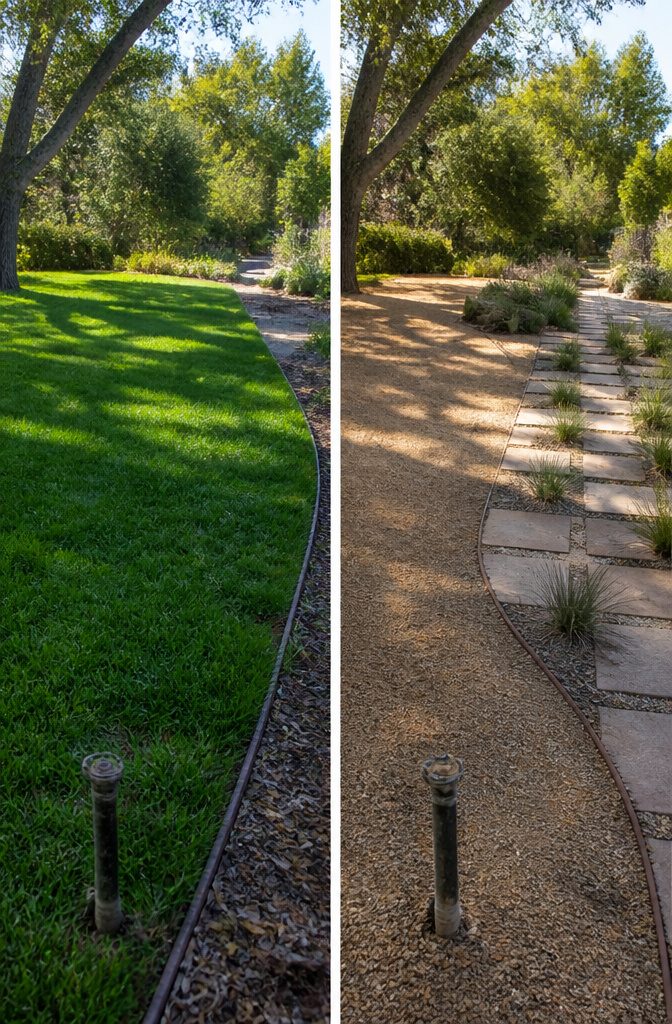
Keep the lawn where kids or pets play, because rocks and cacti make poor playing fields. Turf also gives green space said to run 60°F cooler than asphalt, and it is credited with a 10–15% home value boost.
For drought tolerance, cool-season options are tall fescue (the shade pick), sheep fescue, wheatgrass, and Kentucky bluegrass. Warm-season Bahia, Bermudagrass, Buffalograss, centipede, St. Augustine, and Zoysia handle heat and dry spells better.
Buy blends. Reseed cool-season lawns in fall and warm-season lawns in spring.
Replace the parts nobody plays on. Decomposed granite packs down without dust, which suits patios and pet areas.
The cheapest pea gravel has sharp edges, so skip it near kids. Permeable pavers and native grasses also work.
Recommended Products

LIVE SEDUM TILE: 10" by 20" live plant mat featuring a combination of sedum succulent plants with earthy colors and contrasting shapes. These easy ground cover plants offer endless DIY possibilities.
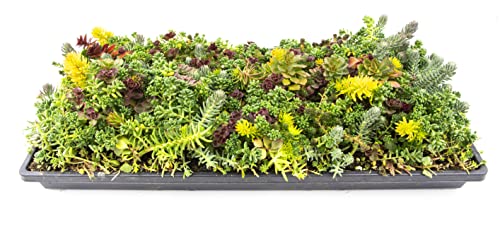
Use these decorative plants as outside plants for landscaping, patio plants, a sedum tile plant border, fairy garden decor, or in a succulent garden. Sedum plants like these and other real succulents live happily together.

Succulent is a unique houseplant that will transform in color under different lighting conditions
Group Plants by Water Needs
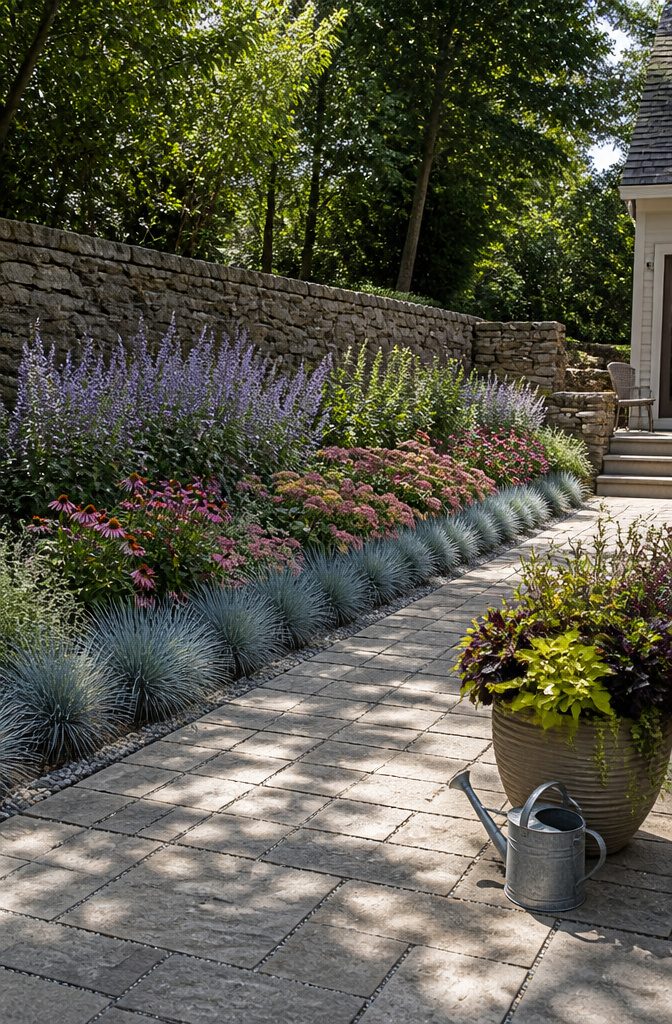
Plants that want the same amount of water belong in the same bed or pot group, so one watering routine suits all of them.
Mix a thirsty plant in with sedum and one of the two will always be watered wrong. On a patio or balcony, apply the same rule container by container, and set sun-loving plants on the brightest side.
Within a bed, arrange by height. Taller perennials such as Agastache or Bluebeard go in the back row, with intermediate plants like coneflowers and sedum staggered in front of them.
Mounds of blue fescue, a short ornamental grass, finish the front edge. This keeps every plant visible and in the light it needs.
Recommended Products

🌾 Vibrant Golden Color for Stunning Landscapes Create eye-catching curb appeal with Golden Sunset Yellow Prairie Grass live plugs featuring tall golden blades that add texture, movement, and warm seasonal color to any garden or landscape design

🌵 23 Heirloom Varieties – Annuals + Perennials: A curated mix of 23 drought‑tolerant species. Annuals provide fast first‑season color, while perennials return year after year – creating a low‑water wildflower meadow that thrives on neglect.

PREMIUM DROUGHT TOLERANT WILDFLOWER MIX: A carefully curated blend of hardy wildflowers selected to thrive in hot, dry, and low-water conditions. Suitable for xeriscaping, water-wise gardens, low-water landscapes, and challenging growing environments across the continental USA
Prepare the Soil and Mulch
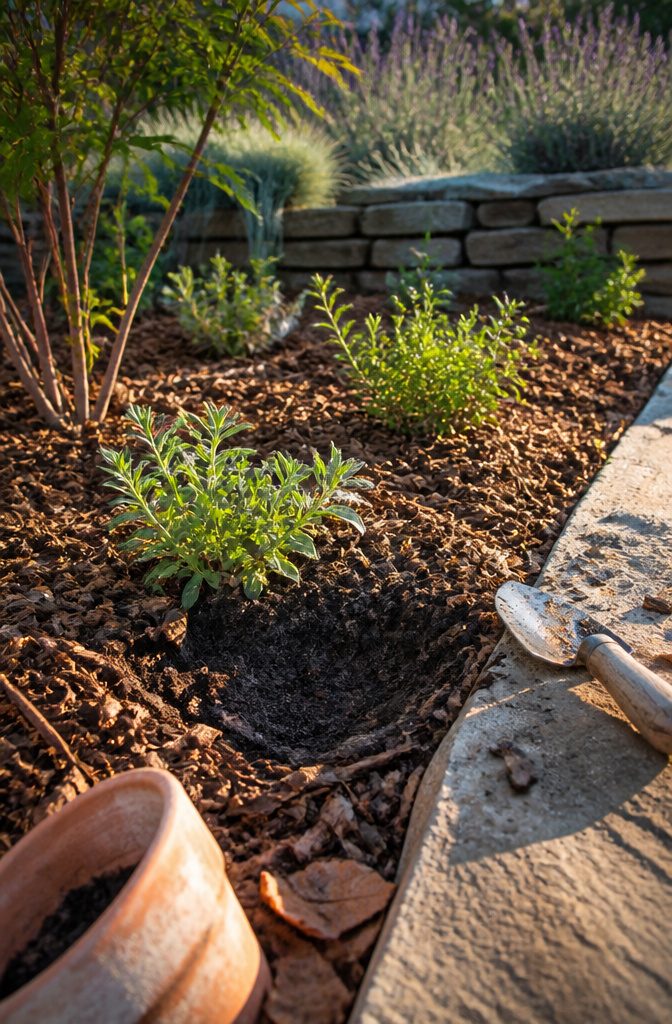
Work compost into the planting bed before anything goes in the ground. It gives roots a loose, nutrient-rich start and helps the soil hold water, so each watering lasts longer.
Mulch goes on top, covering the bare soil between plants. Mulch holds moisture in the soil, helps prevent weeds, and keeps soil temperature steadier through hot afternoons and cool nights.
Weeds matter in a dry yard because they compete with your plants for the same limited water. Pull mulch back from stems and trunks so it doesn’t sit against the bark.
Recommended Products
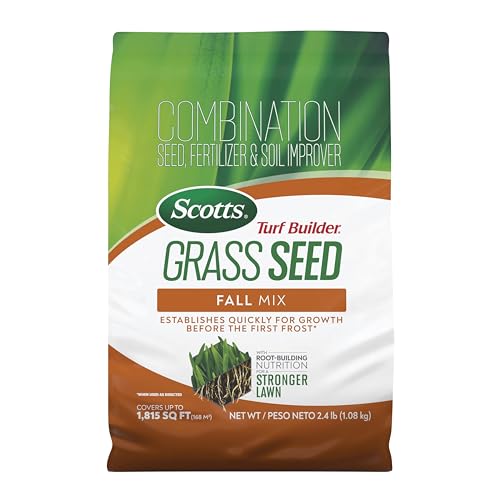
WHERE TO USE: This grass seed mix contains Kentucky bluegrass seed, perennial ryegrass seed, and creeping red fescue; it is designed for full sun and light shade, and has low drought resistance with medium durability

DROUGHT TOLERANT GRASS SEED - Black Beauty Original grass seed produces grass roots that can grow up to 4-feet deep for superior drought tolerance. The waxy coating on the leaves helps preserve moisture when hot.

Grows thick and green fast — perfect for spring overseeding
Plan Irrigation and Watering
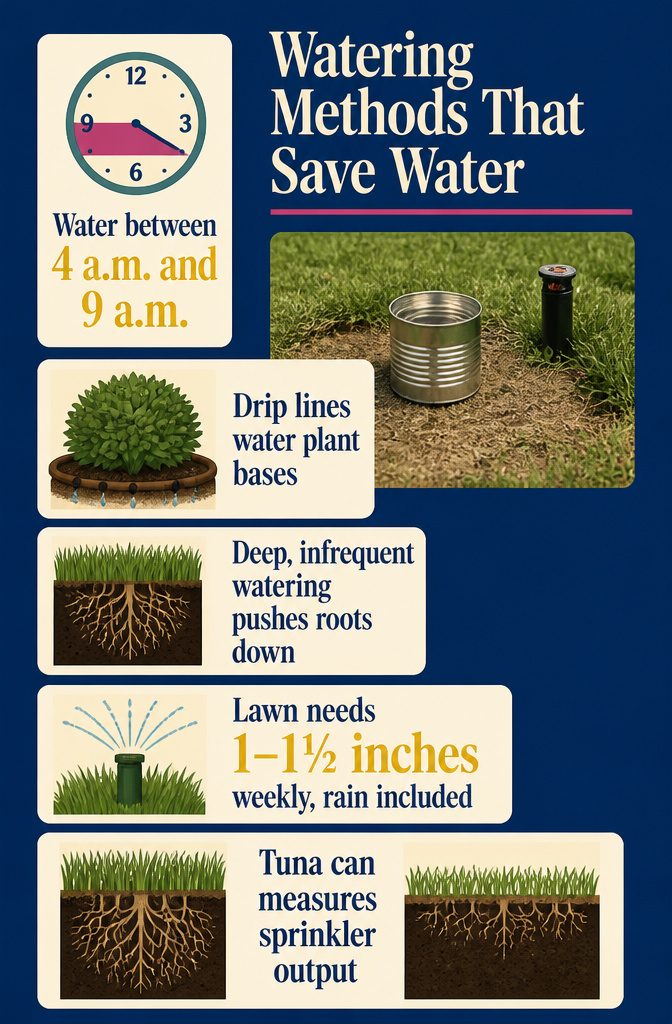
Water between 4 a.m. and 9 a.m. Cool air and light wind mean less evaporates before it reaches the roots, and a timer spares you the dawn trip to the spigot.
For shrubs, perennials and trees, drip lines or soaker hoses beat sprinklers because they put water at each plant’s base instead of on pavement and bare soil.
Run them long enough to soak deep, then skip days. Deep, infrequent watering pushes roots down, while daily sprinkles keep them shallow.
For the lawn you keep, give it 1–1½ inches per week, rain included. Set an empty tuna can on the grass to see how long your sprinkler takes to fill it, then spread that time across the week.
Recommended Products
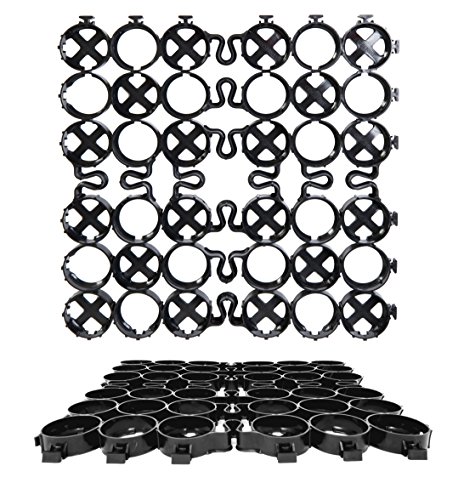
EASY TO USE: Our lightweight permeable pavers are easy for any level of DIYer to install; Feel proud of your own outdoor home improvements!

HEAVY-DUTY INTERLOCKING PAVER SYSTEM: Strol's reinforced honeycomb cell structure locks gravel securely, supporting up to 600,000kg/m (122,889.6 lbs/f) for driveways, walkways, patios, and erosion-prone areas

HEAVY-DUTY, DURABLE CONSTRUCTION : Our permeable pavers each piece measures 41 x 41 x 2.5 centimeters (16x16x1inch) and is made of thick, high-strength plastic mesh that can withstand vehicular traffic without deformation, ensuring the long-term durability of your permeable paving system
Hardscape and Rainwater Capture
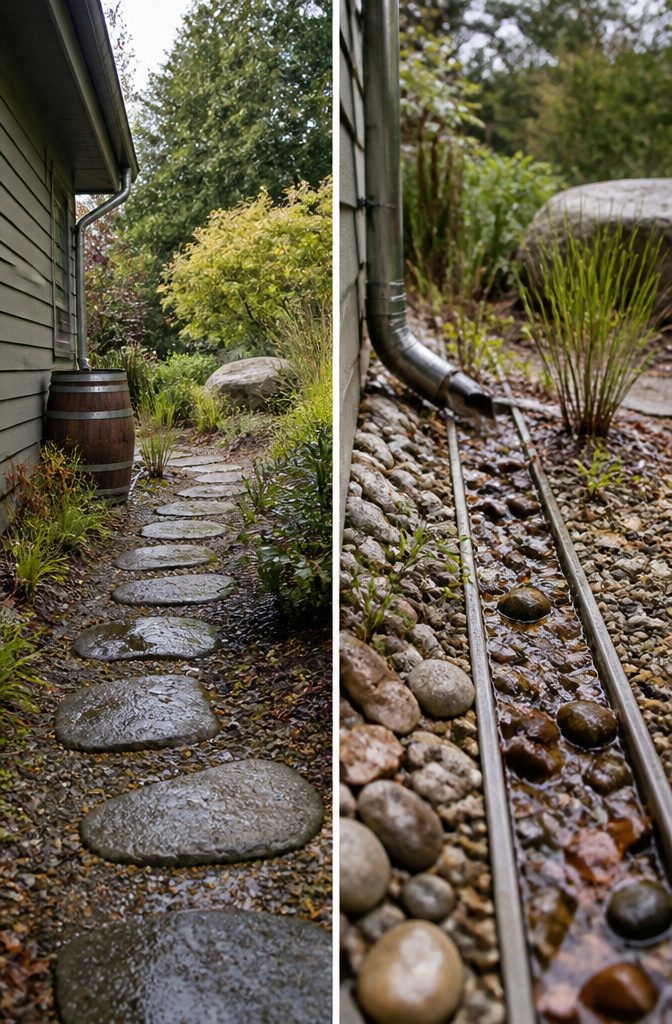
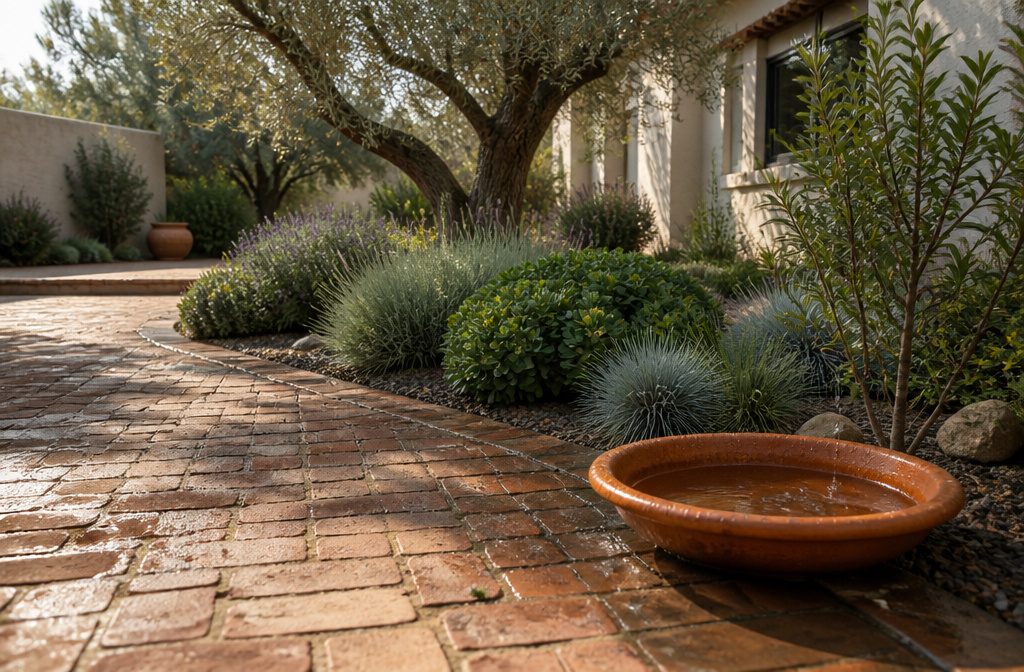
Every square foot of paving, gravel, or stone is a square foot you never water. Pavers make patios and paths that hold their shape, gravel suits side yards where grass struggles, and boulders add height to a flat bed.
One boulder or large pot at the end of a path gives the eye a place to land, so a sparse planting looks deliberate.
A rain garden is a shallow dip where runoff collects, planted with species that tolerate both a soak and a dry spell.
Send downspouts to a rain garden or a rain barrel instead of the driveway. A water feature that catches rainwater adds sound and draws birds without a hose.
Recommended Products

Premium Non-GMO Heirloom English Lavender Seeds with 10000+ Seeds: Grow a stunning fragrant garden with these high-quality Lavender Seeds for Planting. This Lavandula angustifolia variety produces beautiful purple flower spikes on slender green stems. Each packet contains over 10000 Non-GMO, open-pollinated heirloom seeds, offering exceptional value for creating a spectacular, low-maintenance perennial display that returns year after year.
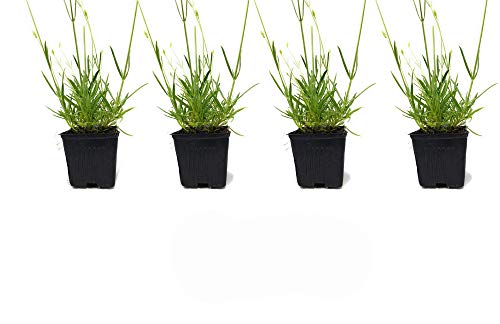
LIVE PHENOMENAL LAVENDER — 4 LIVE PLANTS — Receive 4 live plants of Lavandula x intermedia 'Phenomenal' shipped in nursery-quality 4" Pots, rooted, healthy, and ready to plant. Exceptionally cold and humidity tolerant.
FAST-GROWING & HARDY OUTDOOR PLANTS: Lavender Spanish Eyes thrives in USDA zones 8-11, producing sky-blue flowers from late spring to summer. This hardy perennials are easy to grow and works well in herb gardens or flower beds. Space plants 15-18 inches apart for optimal growth and enjoy a vibrant garden display.
What Xeriscaping Means
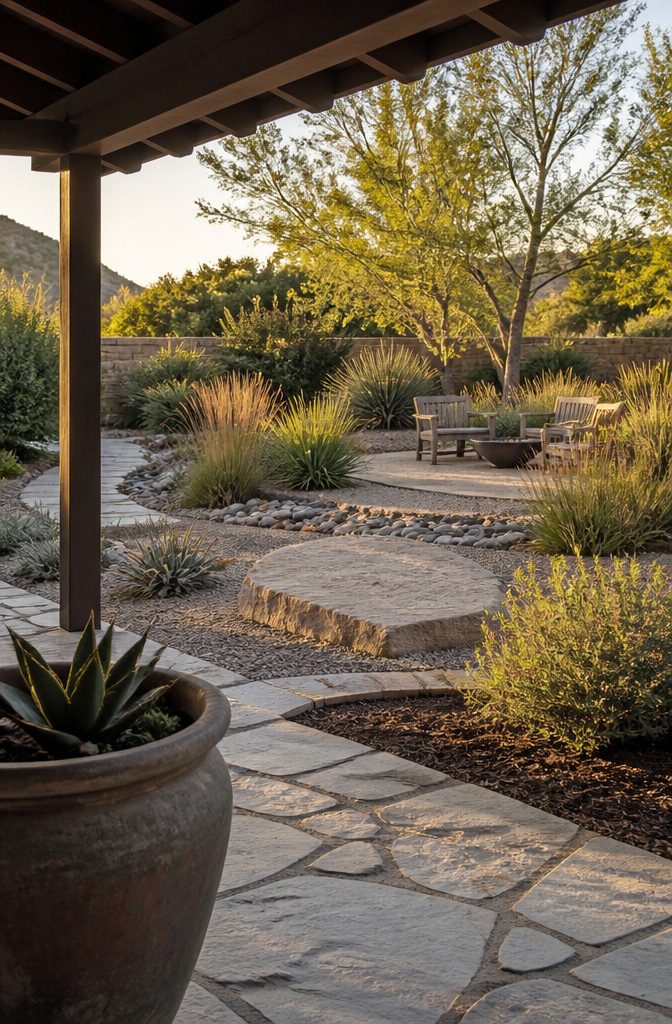
Drought-tolerant landscaping, also called water-wise landscaping, builds a yard around plants that handle dry conditions: natives, succulents, cacti, and ornamental grasses.
Xeriscaping goes further, combining plants with stone, gravel, and hardscape so the yard uses little to no water. Once established, drought-tolerant plants can need little water for half the year, which cuts water bills compared with a traditional grassy lawn.
California’s drought lasted seven years, and the mandatory water restrictions led many homeowners to redesign their yards.
If your area gets average rainfall, a full xeriscape is optional. A drought-tolerant yard can still use bark mulch and native plants.
The sections below cover plants, lawn, watering groups, mulch, irrigation, and hardscape.
Recommended Products

🌸 BEAUTIFUL FALL BLOOMS Sedum produces stunning clusters of rosy pink flowers that bloom in late summer through fall, adding vibrant seasonal color to garden beds, borders, and pollinator landscapes.
🌸 BEAUTIFUL FALL BLOOMS Sedum produces stunning clusters of rosy pink flowers that bloom in late summer through fall, adding vibrant seasonal color to garden beds, borders, and pollinator landscapes.

Longevity and Propagation: A long-lived perennial, Sedum sieboldii will return year after year with minimal care. Easy to propagate by stem or leaf cuttings, allowing gardeners to expand their collection effortlessly or share with friends.
Plant in Fall
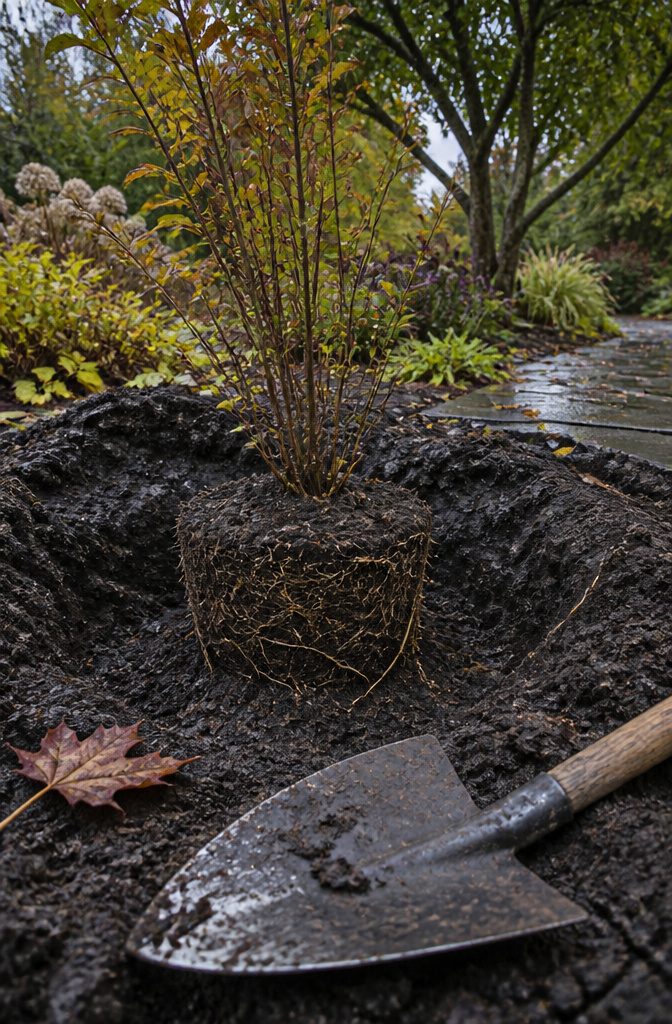
Fall gives new plants what midsummer can’t: cooler air and more frequent rain.
Roots settle into the soil without heat stress, so a shrub or perennial planted now reaches its first hot, dry summer with a stronger root system already in place.
That head start is what lets it get through the dry months with little help.
Trees gain the most. A tree planted in autumn can use the rain expected over the following weeks, so less of the early watering falls to you.
If you are converting a lawn or bed to drought-tolerant plants, treat fall as the planting season. Use summer to plan, order, and mark out the beds.
Recommended Products

EXTRA LARGE PACKET contains over 1 full ounce of pure live seeds (7,500+ seeds) - Enough to cover 100 square feet.


Used Book in Good Condition
Care During Establishment
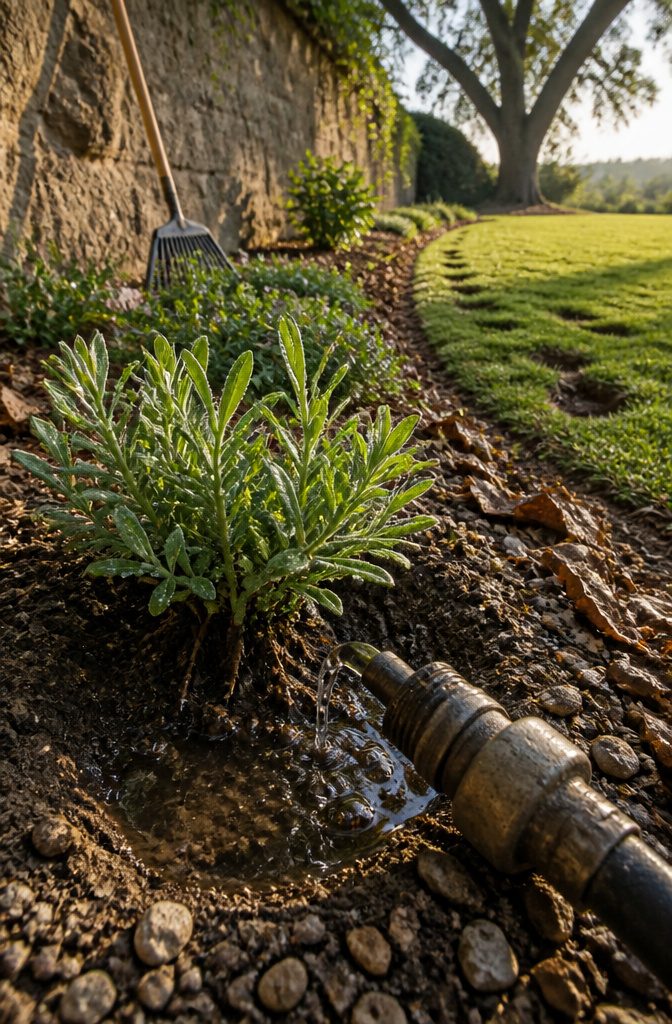
Drought tolerant means tolerant once established, not unwatered from day one. New plantings need extra attention at the start:
- Give new shrubs, perennials, and groundcovers extra water through their first year, while their roots are still shallow.
- Irrigate new trees more for the first couple of years. They take longer to settle in than smaller plants.
- If you keep a lawn, aerate it every 2 years with an aerator.
- In the years between, dethatch with a dethatcher so water and air reach the soil.
Recommended Products

WHERE TO USE: This grass seed mix contains Kentucky bluegrass seed, perennial ryegrass seed, and creeping red fescue; it is designed for full sun and light shade, and has low drought resistance with medium durability

ESTABLISHES NEW YARDS & FILLS IN BARE SPOTS - Black Beauty Ultra Grass Seed quickly germinates for the fast establishment of newly seeded lawns. It also rapidly fills in bare spots to invigorate thin or damaged lawns.

APPLICATION: Apply this sun and shade grass seed in the spring or fall to grow a new lawn or overseed an existing lawn to thicken grass and help crowd out weeds
Frequently Asked Questions
Recommended Products

DURABLE AND ECO-FRIENDLY: Crafted from 100% recycled PPE plastic, our gravel paver system delivers exceptional strength and longevity; This set includes 22 units with a 1-inch depth, covering an area of 65 square feet

DURABLE AND ECO-FRIENDLY: Crafted from 100% recycled plastic, our gravel paver system delivers exceptional strength and longevity; This Permeable Paver System includes 14 units with a 2" depth, covering an area of 35 square feet

DURABLE AND ECO-FRIENDLY: Crafted from 100% recycled plastic, our gravel paver system delivers exceptional strength and longevity; This Permeable Paver System includes 14 units with a 2" depth, covering an area of 35 square feet
What is drought resistant landscaping?
It is a yard design built around plants that handle dry conditions, such as natives, succulents, cacti, and ornamental grasses. It also goes by water-wise, water-smart, dry garden, and desert landscaping.
Xeriscaping is the stricter version, pairing plants with stone, gravel, and hardscape so the yard needs little to no water. In an area with average rainfall, a full xeriscape is optional.
What is a good drought resistant bush?
Lavender and lantana are two low-water choices, and California fuchsia is a native option for the Bay Area.
Match the pick to your zone, because native does not always mean low-water: redwoods need a lot of water. Your local extension office can list what suits your area.
What plant needs the least amount of water?
Succulents and cacti sit at the low-water end, and sedum is an easy one to grow.
Thirsty plants such as citrus are at the opposite end. Even the driest-tolerant plants need regular water during their first year while roots settle in.
When is the best time to plant a drought resistant garden?
Fall is the best time.
Cooler air and more frequent rain let roots settle without heat stress, so plants reach their first hot, dry summer with a stronger root system. Trees benefit most, since autumn rain covers part of their early watering.