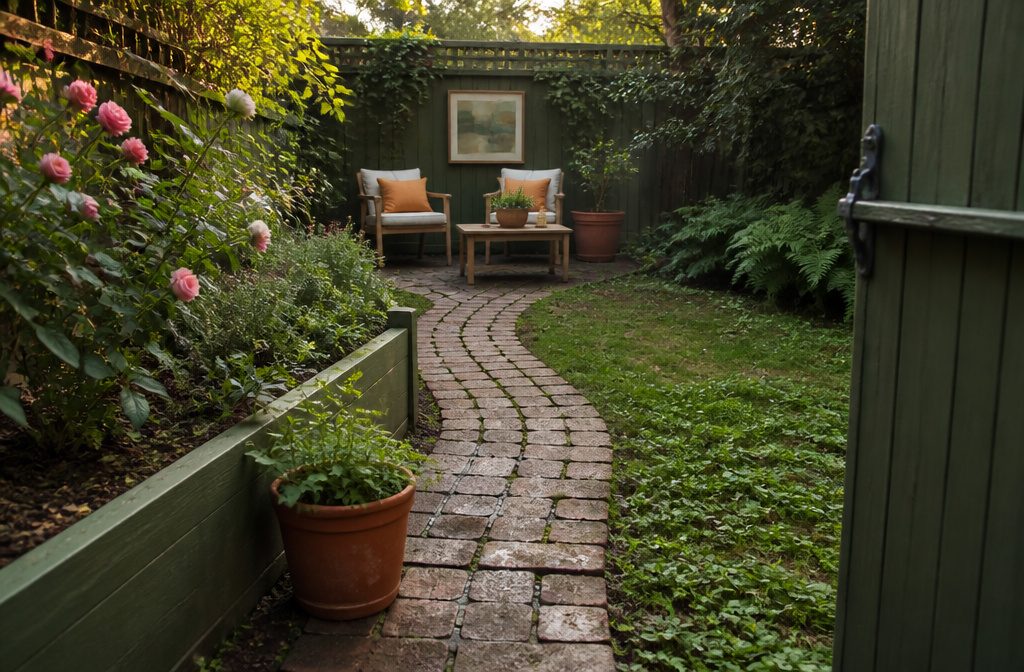
Costs run from a $49.98 hose-end timer to artificial turf at $7 to $18 per square foot, but the plants you pick depend on your site.
Check your USDA zone, soil, and hours of sun first: roses need at least 6 hours, and a shaded corner will leave them sulking.
1. Hardscape for Usable Space
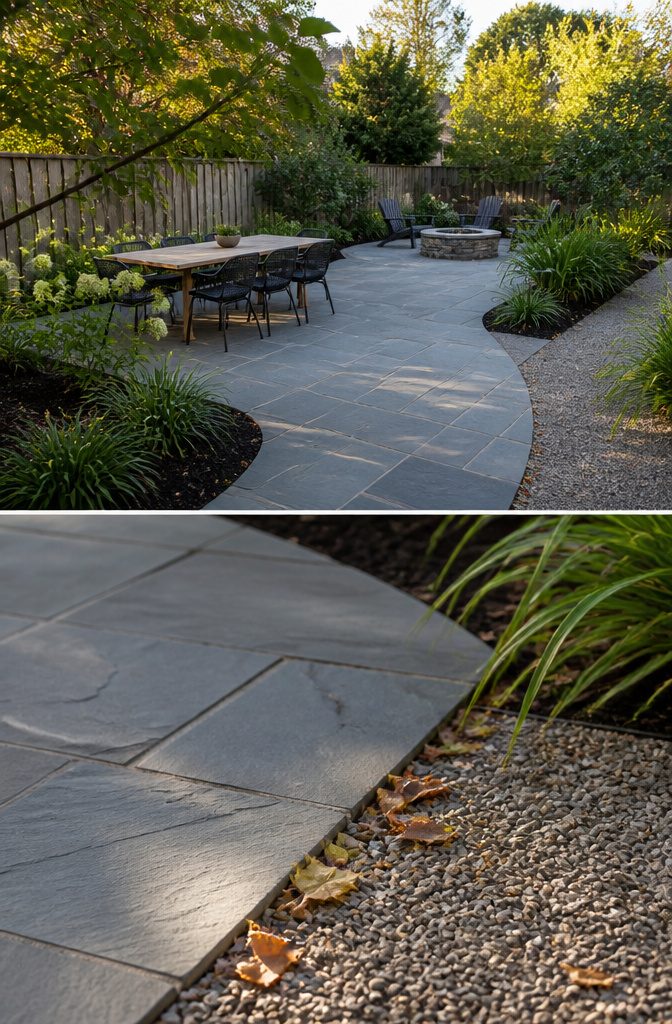
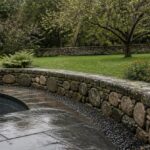
Every hardscape surface replaces lawn you would otherwise mow and water. Pavers, brick, and decorative stone never need weeding or watering, and an occasional sweep is the only upkeep.
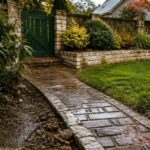
In a small yard, pick one material and run it throughout. Bluestone, for example, can form the walkway, the dining space, and the fire-pit area, so the yard reads as one design instead of three separate patches.
For the main patio, pavers or stone win because they give you the most durable surface.
Gravel suits paths and side areas, with a softer look. Use man-made gravel where traffic is heavy.
Natural gravel is smoother but less stable, so keep it where few feet pass. Plan to rake leaves off it with a wire-tined rake.
Recommended Products

Fun Moments Around the Campfire: If you want to create a welcoming atmosphere in your backyard for gatherings where you can enjoy delicious marshmallows and endless conversations together with your family and friends, the Gas One portable fire pit for camping is the ideal solution!

[3 IN 1]: OutVue fire pit is equipped with 2 cooking grills, 1 lid and tabletop[No waterproof cover]. When you fix grills and tabletop to the fire pit, you can enjoy the roast and bonfire. When it not make fire and cover the lid, you will get a 42 inch round table to have a meal or coffee for 8-10 persons. OutVue provide a wood fire pit has 3 functions: bonfire, barbecue and table, which can be used all year for your garden, yard, patio. This's also a very thoughtful gift to friends.
[3 IN 1]: OutVue fire pit is equipped with 2 cooking grills, 1 lid and tabletop. When you fix grills and tabletop to the fire pit, you can enjoy the roast and bonfire. When it not make fire and cover the lid, you will get a 36 inch round table to have a meal or coffee for 6-8 persons. OutVue provide a wood fire pit has 3 functions: bonfire, barbecue and table, which can be used all year for your garden, yard, patio. This's also a very thoughtful gift to friends.
2. Plants Suited to Your Site
Check three things before you buy: your zone, your soil, and your light.
Find your USDA hardiness zone by ZIP code on the USDA map, then skip any plant whose range doesn’t include it. For light, note each hour direct sun hits the yard on a clear day.
Roses need at least 6 hours of sun, so a shaded corner will leave them sulking. A soil test through your local extension office shows which nutrients the dirt lacks.
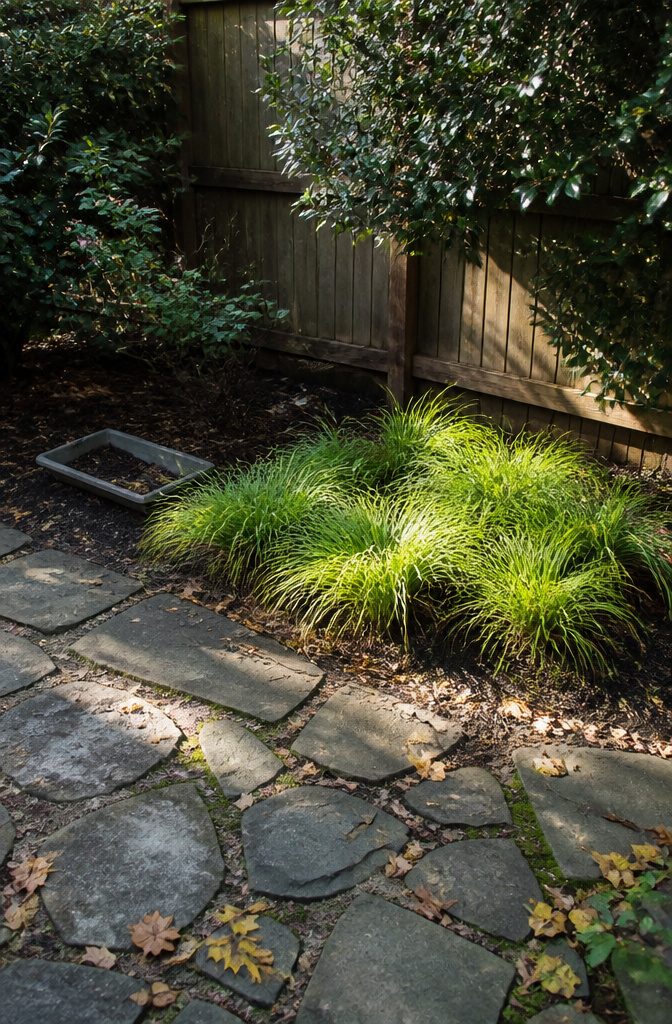
Appalachian sedge grows in zones 4–8 and needs little attention.
Native plants can cut outdoor water use by up to 50% compared with non-natives. To find yours, search "native plants" plus your state.
3. Plants for Privacy
Zinnias, cosmos, and sunflowers fill gaps in a border fastest, but they die back in fall and need replanting each spring, so they leave you exposed in winter.
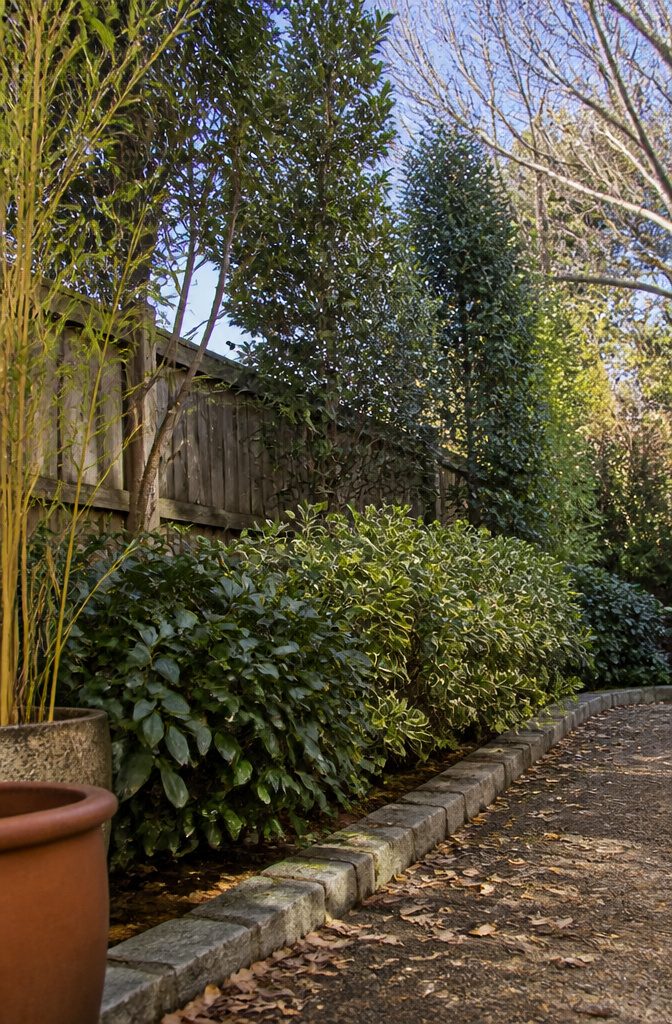
Bamboo also grows quickly and keeps its leaves year-round, which makes it the better pick for a fence line you look at in January.
Put it in a large container or choose a clumping type, since running bamboo spreads past its bed. Ivy, jasmine, and clematis add height on a trellis or fence without using ground, though ivy needs regular cutting back.
For a lasting edge, layer evergreen and deciduous trees with shrubs in front. It fills in slowest and asks for the least upkeep once established.
Recommended Products

These are ready to plant and should be put in the ground according to the included instructions upon arrival. All pictures are of fully grown plants. Sizes shipped are in the title and description. Deciduous plants do not have leaves in the winter.
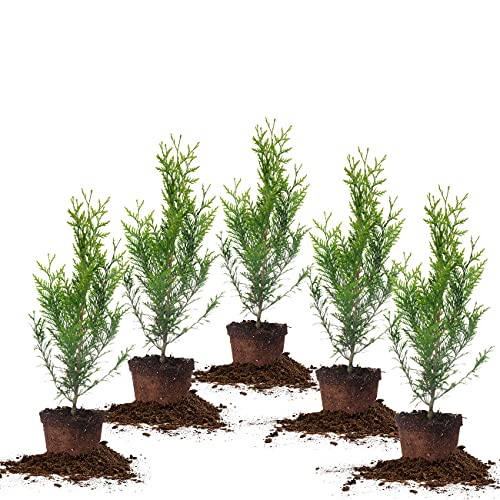
the thuja green giant is known as the premier. fast growing privacy tree for much of the united states

READY TO PLANT: Includes 6 Dwarf Carolina Cherry Laurel (Prunus caroliniana ‘Compacta’) starter plants in 3.5″ cubes. Each plant is well-rooted and ready to thrive. Natural variations in size, color, or seasonal appearance may occur.
4. An Entertainment Area
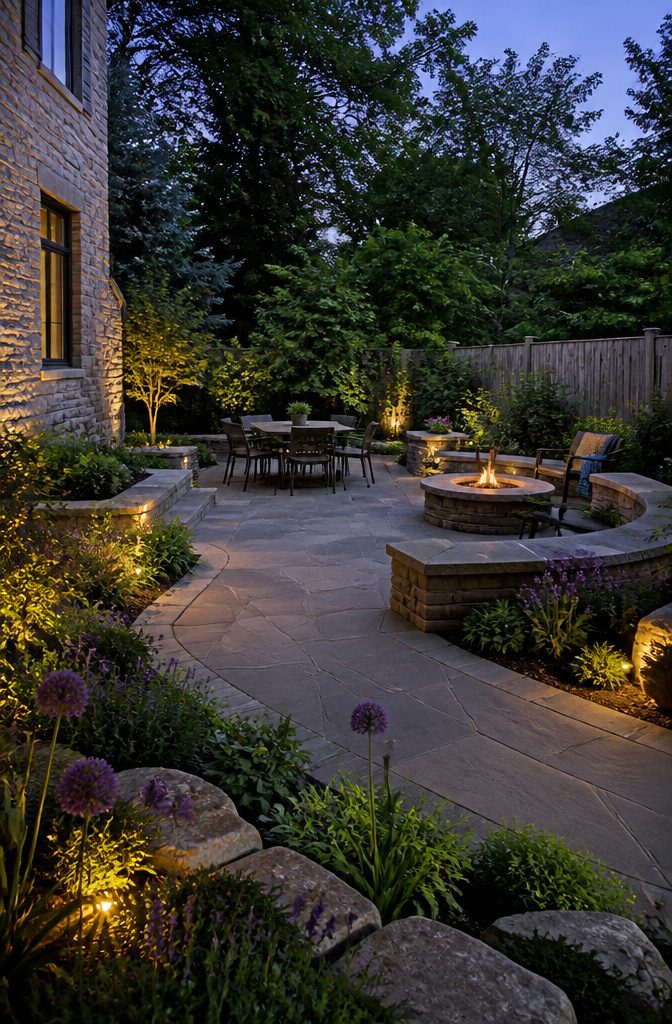
A Rocky River backyard fit dining, a fire pit, and seating into a limited footprint by sticking to one material.
Natural bluestone pavers covered the walkway, the dining space, and the fire pit area, and they matched the sandstone foundations of the remodeled century home. Repeating one surface makes separate zones read as a single room.
The seating walls used the same bluestone, so the fire pit surround doubles as guest seating and you buy fewer chairs.
Vista LED landscape lighting lit the space after dark, and perennials in seasonal colors gave it a courtyard-like feel that shields it from outside distractions.
In your yard, repeat one paving material across the dining area, fire pit, and seating walls.
5. Timers and Artificial Turf
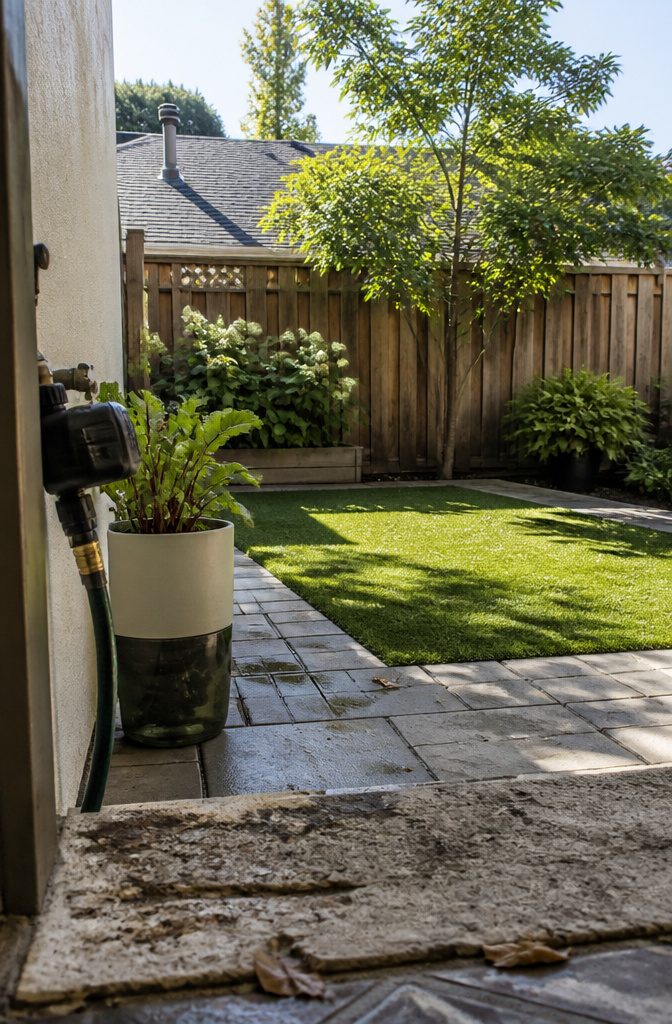
A hose-end timer is the cheapest fix for forgotten watering. The Rain Bird model costs $49.98, has an easy-to-read digital panel, and includes "water now" and "cancel watering" buttons that override your schedule.
It screws onto the hose bib, so underground sprinklers are unnecessary. Self-watering planters do the same job on a patio or balcony: a reservoir feeds the soil, so you refill it instead of watering daily.
Artificial turf is the expensive option. Today’s nylon or polymer grass comes in varied heights and color gradations, and you can even plant a tree in it.
It costs $7 to $18 per square foot, so 100 square feet runs $700 to $1,800. It needs almost no upkeep, but on a small budget, cover only a tiny patch.
6. Conserve Water Outdoors
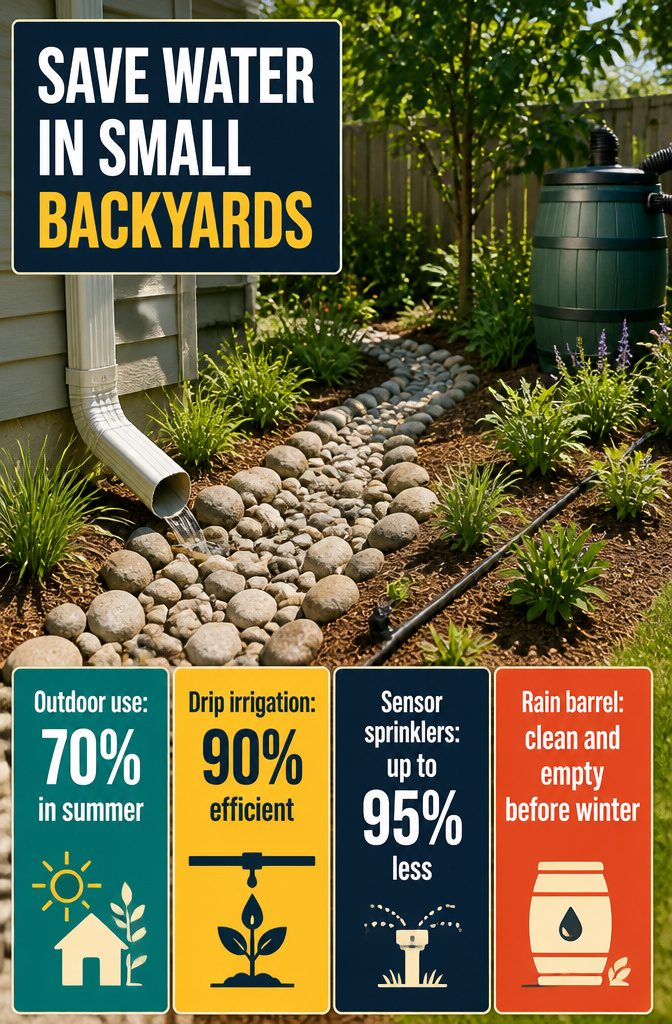
Outdoor use can reach 70% of household water in summer, so start here, in this order:
- Redirect a downspout first. A gravel-filled dry riverbed does it without a French drain.
- Drip irrigation reaches 90% efficiency.
- An inch of rain can fill dozens of gallons in a rain barrel, but it needs periodic cleaning and emptying before winter.
- Sensor-based sprinklers can cut use by up to 95% versus older methods.
Bob Vila makes the case for redirecting:
If you can force the water that pools under your downspout to travel 15 feet away to your tree, you can prevent puddling.
— Bob Vila
That means less puddling and less hose time.
Recommended Products
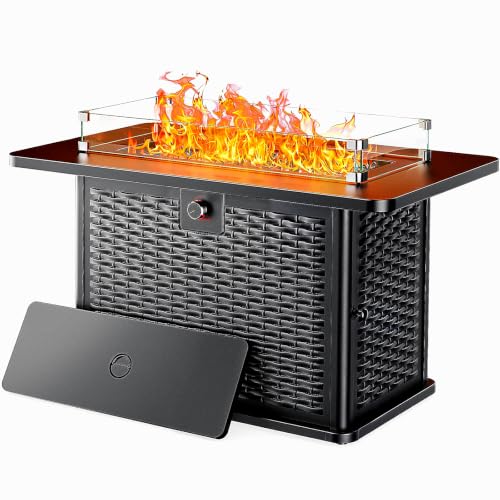
Powerful 60,000 BTU Heating: Enjoy efficient warmth on chilly nights with this high-heat 60,000 BTU output Ciays propane fire pit. The durable 304 stainless steel H-burner creates a denser flame pattern for consistent & effective heating. This gas fire pit will elevate your outdoor experience, reliability and safety.

Wanting a Great Patio Party?: Having a patio party is different from an indoor party. Outdoors you need to consider the coldness and a center of attention to gather everyone. A propane fire pit table can provide the atmosphere needed for a great time!(note:1:use soapy water to check for leaks before use 2:The reminder card contains interface size instructions and interface inspection instructions)

Powerful 60,000 BTU Heating: Enjoy efficient warmth on chilly nights with this high-heat 60,000 BTU output propane fire pit table. The durable 304 stainless steel H-burner creates a denser flame pattern for consistent & effective heating. This fire table will elevate your outdoor experience and it’s certified by CSA for quality, reliability, and safety.
7. Reclaimed and Permeable Materials
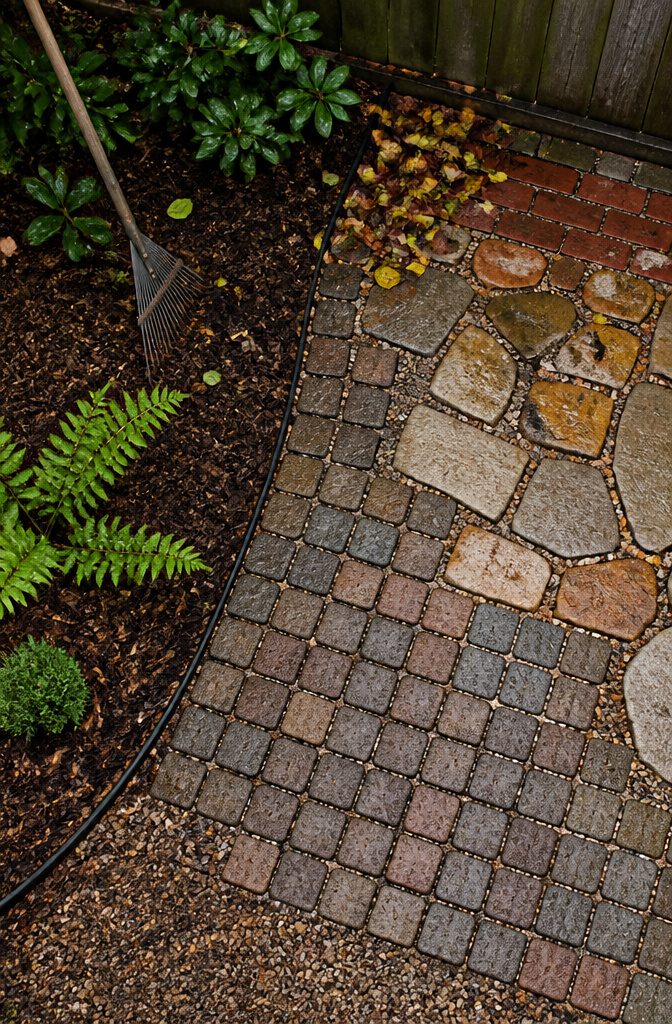
Permeable pavers solve the biggest small-yard problem directly: water passes through them, which cuts runoff and slows soil erosion.
Use them for the patio or main path, where drainage matters most. Reclaimed stone and brick keep material out of the waste stream and add worn character that new pavers lack, though uneven pieces take longer to lay.
Gravel is the most affordable all-purpose choice for paths, and a local landscape supplier usually beats a home improvement center on bulk prices. Pull weeds the day they appear, before they seed.
Recycled mulch holds moisture and suppresses weeds, but it needs a new top layer every year. Recycled rubber edging lasts a long time, though it looks less natural than stone.
8. Edible and Wildlife Plantings
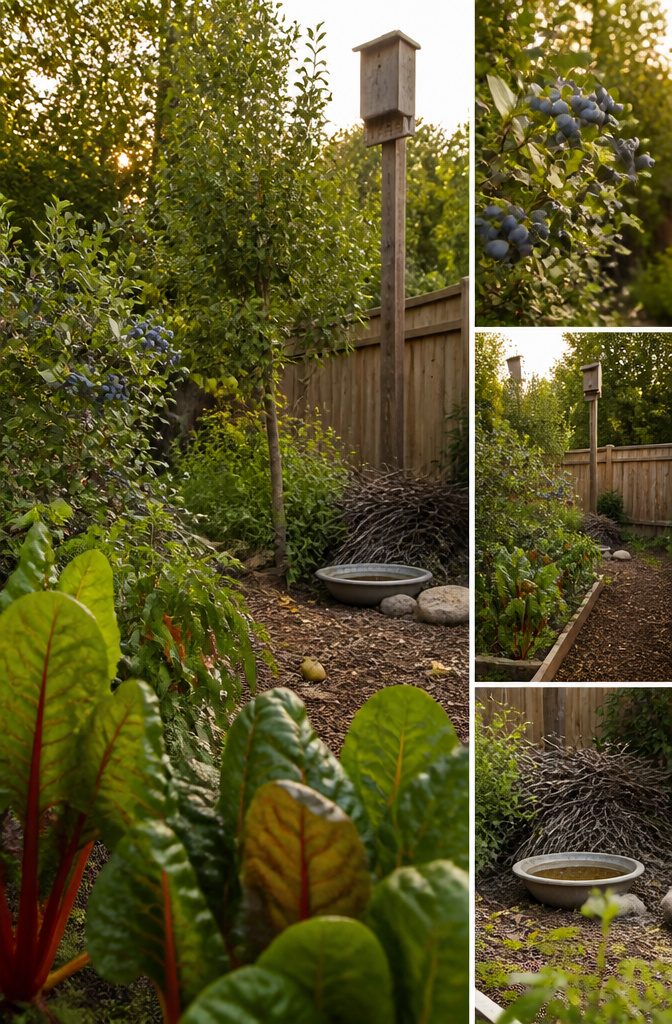
Blueberry bushes can stand in for ornamental shrubs and give you fresh fruit on top of year-round good looks.
Rainbow chard and paprika peppers work as decorative borders, and a pear or plum tree adds spring flowers, summer fruit, and colorful fall foliage. Home gardeners use less than half the water agricultural production needs to grow crops.
For wildlife, mount a bat house 15 feet above the ground. Bats eat up to 1,000 mosquitoes a night.
Add a water source, native plants for food, a brush pile for shelter, and skip the chemicals. If local zoning allows a small flock, a portable coop like the Omlet Eglu Go UP keeps chickens working on grubs and beetles.
Recommended Products

【Realistic Appearance】This artificial cedar shrub is made of high-quality PE material and features dense layered branches and leaves, restoring the natural texture of real plants. Perfect for bringing lush evergreen vibes to your home, whether for daily display or Christmas & holiday seasonal styling

【Realistic Appearance】This artificial cedar shrub is made of high-quality PE material and features dense layered branches and leaves, restoring the natural texture of real plants. Perfect for bringing lush evergreen vibes to your home, whether for daily display or Christmas & holiday seasonal styling

【Realistic Appearance】This artificial cedar shrub is made of high-quality PE material and features dense layered branches and leaves, restoring the natural texture of real plants. Perfect for bringing lush evergreen vibes to your home, whether for daily display or Christmas & holiday seasonal styling
9. Plan for Every Season
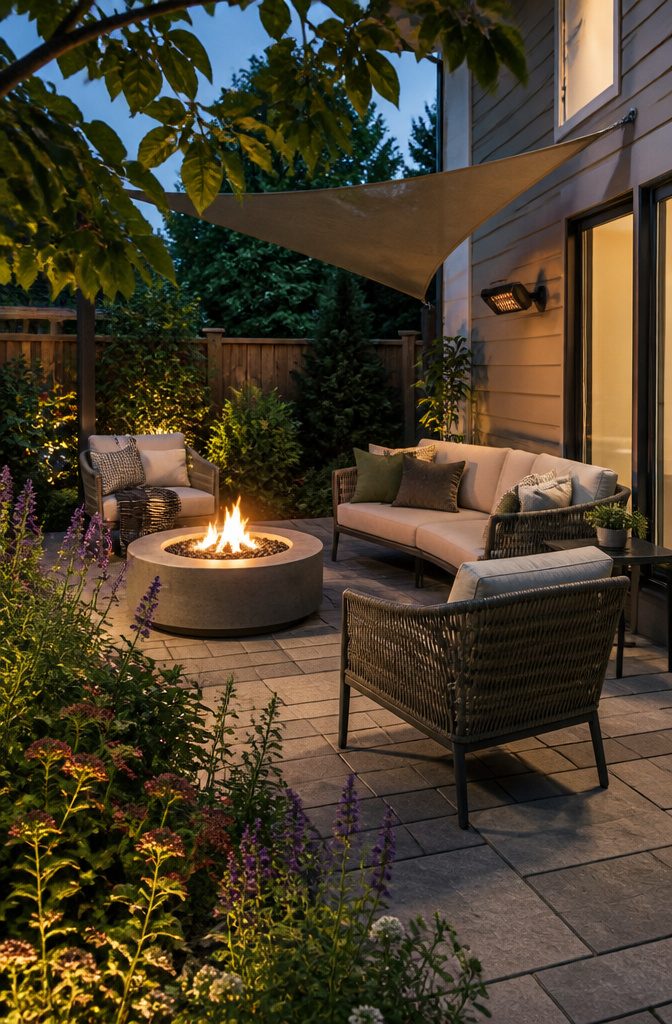
One fire pit or outdoor heater warms up to 300 square feet of patio, so a small backyard needs only one.
On a tight patio, pick a wall-mounted electric heater, which takes no floor space. Add weatherproof cushions and lighting for short winter evenings.
In summer, a portable evaporative cooler can cut temperatures by up to 30°F, but only in hot, dry conditions. A shade sail or retractable awning covers the seating and protects furniture from UV damage.
For the seasons between, plant perennials: penstemon, sedum, and yarrow handle dry heat, and pasqueflower forgives a forgetful gardener.
Recommended Products


Premium Durable Construction: Crafted from galvanized metal with a powder-coated finish, this planter box for climbing plants resists rust, deformation, and weather elements—unlike wooden planters—ensuring long-lasting durability for year-round use.
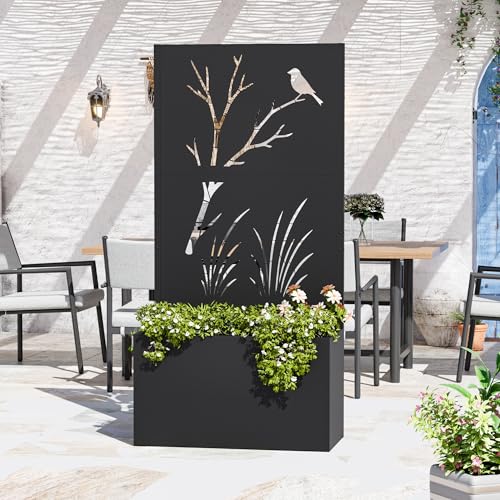
[Versatile Planting for Any Greenery] Whether you're looking to add cascading foliage, climbing vines, or colorful annuals to your garden, our planter fits your needs. Featuring optional drainage and ample space to grow, this sturdy metal privacy screen provides the perfect foundation for a living wall of greenery that flourishes throughout the seasons.
Budget and DIY Planning
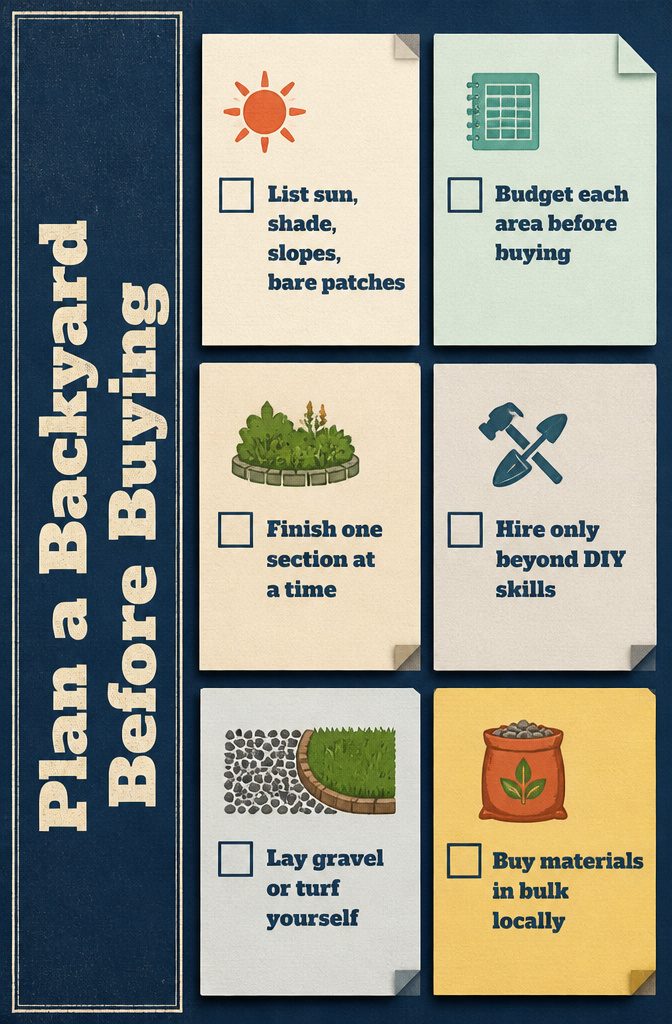
Plan before you buy anything, in this order:
- Walk the yard and list what it offers and what bugs you most: sun, shade, slopes, bare patches.
- Write a detailed budget with a line for each area. Projects planned this way succeed more often than ones started on impulse.
- Start with the spot that needs attention most, and finish one section at a time. That spreads the cost and lets you adjust the next area after living with the first.
- Compare DIY with paid labor. Labor makes up much of a typical landscaping bill, so hire out only what online guides and tutorials won’t teach you.
- Choose gravel or turf for large areas. Laying either yourself costs less than most alternatives.
- Buy materials in bulk from a local landscape supply store.
Ground Covers and Mulch
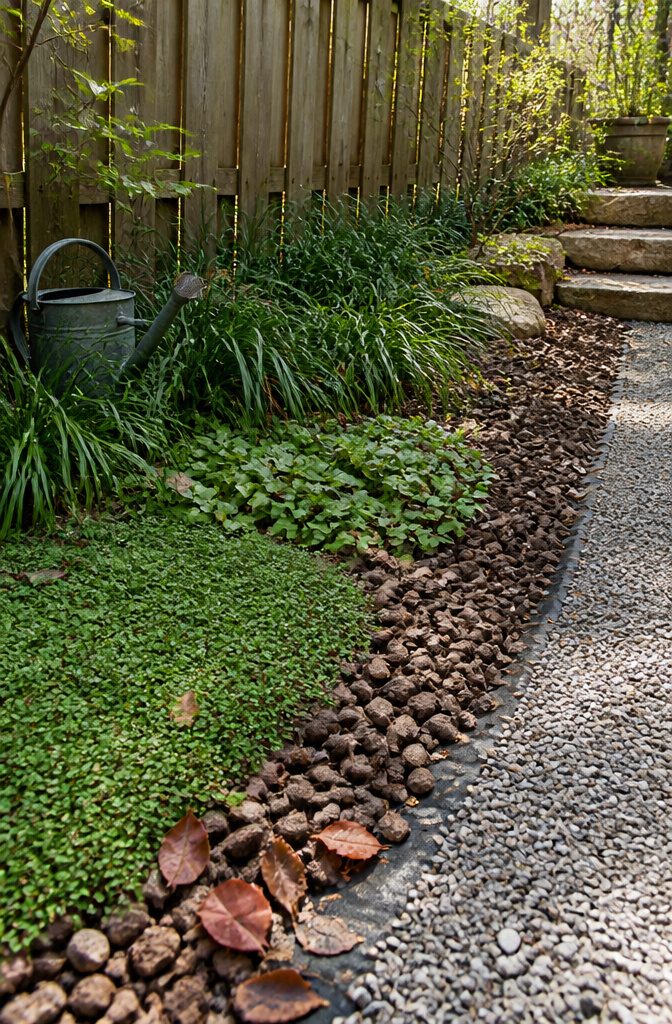
Mat-forming ground covers such as New Zealand brass buttons, Scotch or Irish moss, and low-growing clover can replace turf and cut mowing, watering, and fertilizing.
For a taller evergreen border, monkey grass grows to about 15 inches and needs little trimming. Perennials also save money: divide them and replant the pieces instead of buying more.
If you want to avoid repeat work, choose rock mulch over bark, since it doesn’t need yearly replacement. Spread a 2- to 4-inch layer of rock mulch, and put landscape fabric under gravel or mulch paths to block weeds.
In fall, run a mulching mower over leaves and keep the layer on the lawn no thicker than 1 inch to avoid thatch. Use the extra on garden beds.