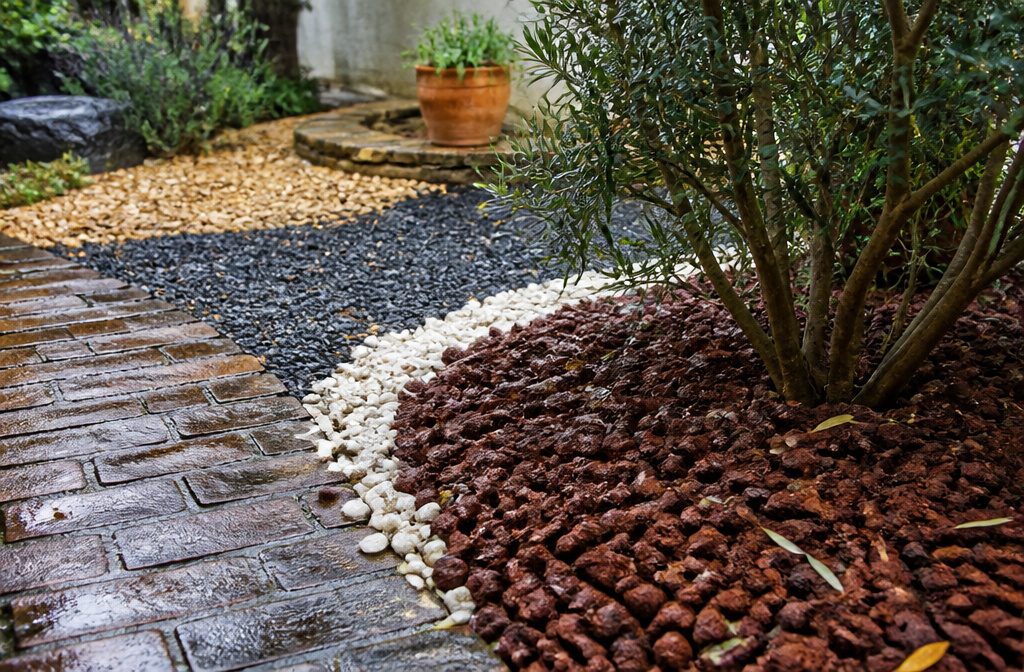
Decorative rock in black, red, white or tan can replace mulch as a permanent groundcover around shrubs, borders and paths.
It is low maintenance but not maintenance-free: dust and debris settle between stones and need an occasional spray. Cost varies too, from affordable lime rock to premium lava rock, which suits smaller beds.
Crushed Shell
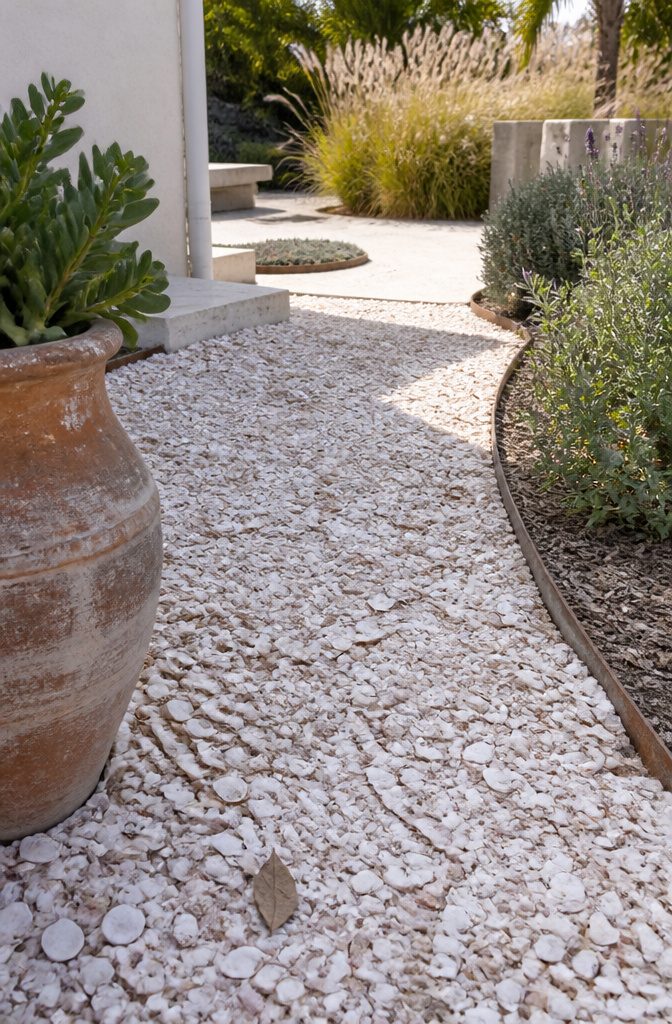
Crushed shell is the stone-free alternative to mulch for anyone who wants neither bark nor gray rock. It works for walkways, garden paths, groundcover, edging and accent areas, and it is an affordable way to get a coastal, tropical feel.
That look is also its limit. The material is a Florida and Tampa Bay favorite, so it suits a coastal or light-toned yard best.
Beside pale stucco, sandy-colored paving or beach-style plantings, it looks planned. In a woodland bed or against dark brick, it will look borrowed from somewhere else, and another stone on this list will fit better.
Recommended Products

🌻NATURAL LAVA ROCKS: Lava rocks contain trace minerals that plants need to grow and help them grow strong. Lava rocks are 100% natural, extremely heat resistant, and highly durable.

🌵【HELP PLANTS GROWTH】Red Lava rocks serve as a valuable soil additive to enhance plant growth.The porous nature of volcanic rock ensures proper ventilation and retains an adequate supply of water and nutrients for the plants. Additionally, it effectively maintains the soil's acid-base balance. What's more, Lava rock naturally contain trace minerals that are essential for plant growth, promoting their strength and vitality.

Natural black lava rock with hints of red.
Cedar Bark Stone
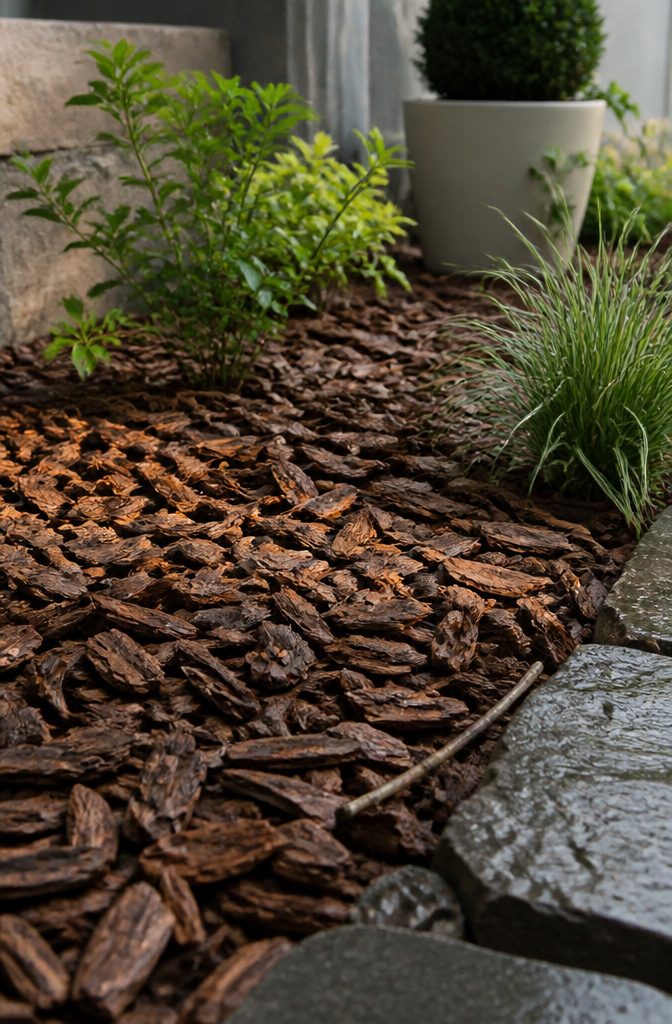
Cedar bark stone looks like shredded wood or bark, but it is a rare stone. You get the warm, woody texture of bark mulch in a material that does not rot.
Use it as groundcover or as a decorative layer around plants, such as shrubs and perennials.
Bark mulch needs topping up every year or so. Cedar bark stone rarely needs replenishing, so the work is mostly one-time: spread it, and the bed is done.
It sits in the high-end tier, and rarity means you may have to hunt for it. Prices and availability vary by supplier, so ask local stone yards for a quote before you plan a whole bed around it.
On a small-yard budget, spend the stone on one bed by the front door instead of covering the whole yard.
Recommended Products

Weight: Small crushed shell about 1 pound (405g/14.28 ounces). Size:9-12 mm. Package: Plastic box. Shape: Irregularly.

Weight: appro 0.98lb(15OZ).Size:0.24-0.47inch(6-12 mm). Shape:Irregularly.

If in need of fish tank decorations or designing miniature garden beach scene, these make an essential beach theme decor and a pleasing aquatic animals for that 'Under The Sea' theme and other creative hobbies. Shell types include donax shell, clam shells, moon shells, nassa shells, and tiny volutes.
Granite Rock
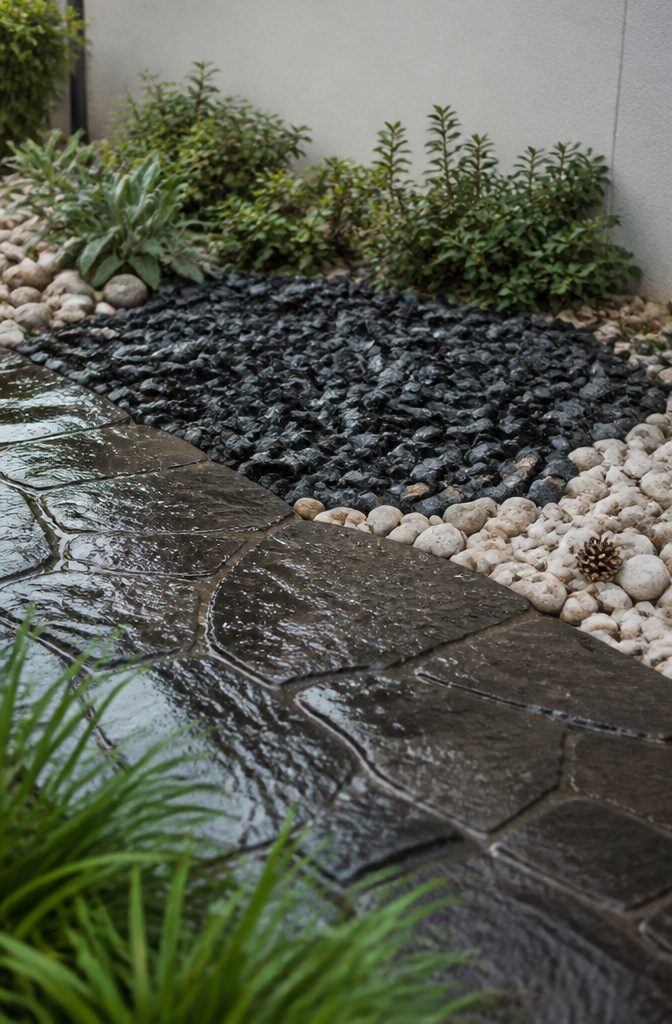
Granite runs black and charcoal with traces of white.
It is a dark, neutral stone rather than a bright one, which makes it the dramatic pick among colored landscaping rocks. Its textured surface adds depth, even in a small bed.
It is also affordable and low maintenance, so it suits a yard where you don’t want extra chores. For the deepest look, choose granite that has been sealed and color enhanced.
The treatment gives it a glowing black sheen. Use it as the anchor of a bed and keep lighter stones around it, so the dark tone reads as a choice and not as a patch of shadow.
Recommended Products

Safe Deep Cleaning – Gently removes dirt and grime from polished and honed natural stone and tile without damage. Harsh-Free Formula – No acids, alkalis, abrasives, or...
Lava Rock
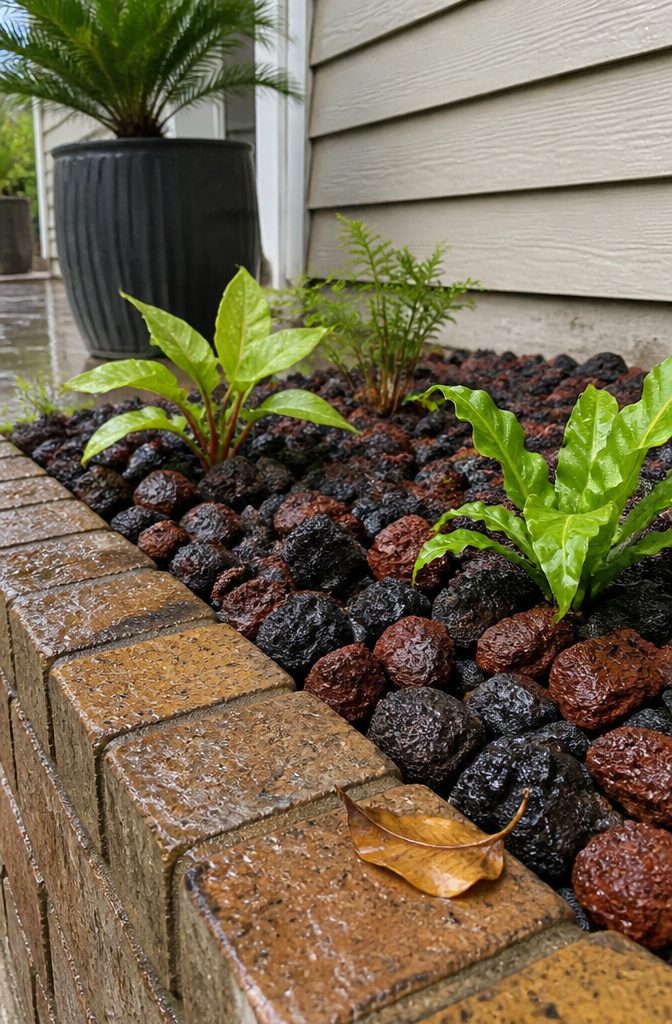
Lava rock is light and porous, so a bag is easy to carry and the rock is easy to spread in a bed by yourself.
It comes in black and red, plus other colors, which makes it simple to match to siding, brick, or a dark planter.
The pores are the reason to choose it.
Lava rock retains and regulates moisture better than other rocks and better than mulch, which suits plants that do badly when the soil swings between soggy and dry. It will not replace watering in a heat wave, though.
It is a premium rock and costs more than most, so it works best in smaller beds and focal areas rather than a whole yard.
Recommended Products
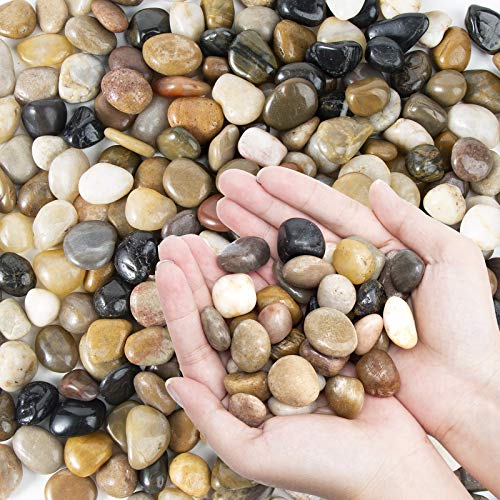
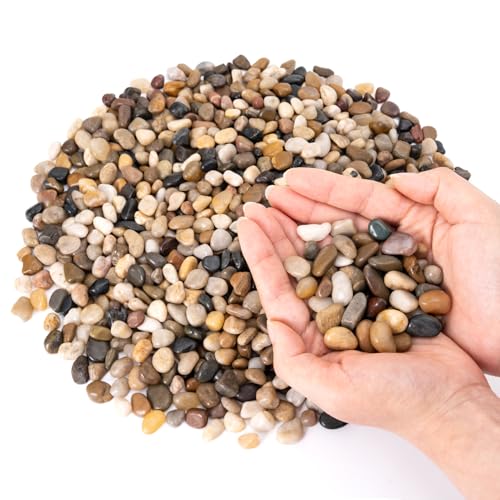
Natural Stones: This river rocks are natural lightly polished for smooth effect, comes in a variety of natural colors, Resists fading for long-lasting beauty. The color of this river rock is natural so it may include a variety of different shades of browns, whites and black rocks. (rocks are natural and as a result some may be broken or out of shape, oval or round, thick or thin.

Garden DIY: Our pebble rocks for bonsai plants are the affordable,no hassle choice for DIY gardeners looking to decorate a meditation garden, reflection garden, fairy garden
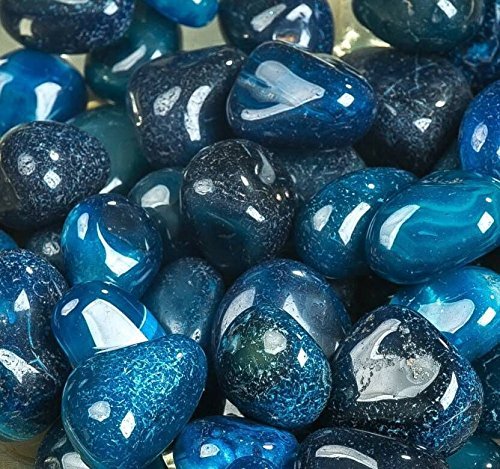
River Rock
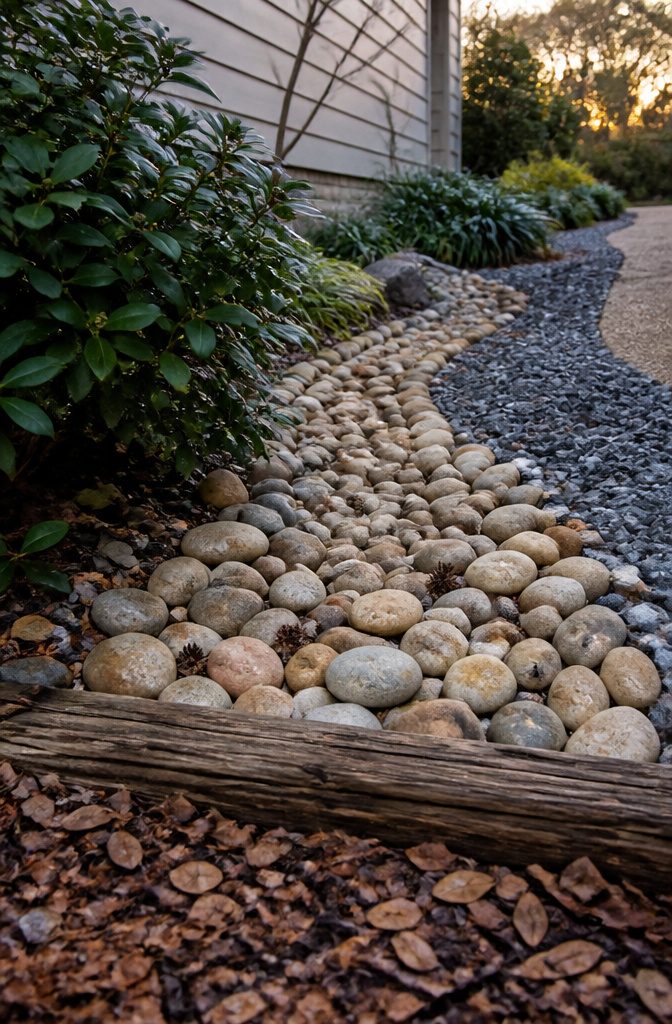
River rock is smooth and multicolored, so a bed of it looks softer than one filled with angular crushed stone.
Each stone carries several tones, which lets the mix sit comfortably beside most siding colors and plant foliage. That makes it a safe choice if you can’t settle on a single color.
Use it as an accent rather than a blanket. A band along a border, a ring around a shrub, or a dry creek bed winding through a planting all echo the stones you’d find in a real streambed.
It is also an affordable stone, which helps on a small yard budget. The rounded shape shifts underfoot, so keep it out of main walking paths.
Recommended Products

🌱HELP GROW BETTER: Natural black lava rocks contain trace minerals that plants need to grow and help them grow strong. Just place the lava rocks at the bottom of the pots, so the water can pool without drowning the roots, helping the plants grow better.

MULTIPLE USES: Cacti, bonsai, succulent containers, and potted plants

TOPZEA mix lava rocks can be applied in soil as great soil additive and as drainage layer, features porous surface, let the water and air run through, solve the drainage problem, prevent rot on house plants while maintaining slight moisture and necessary nutrition to supply plant growing.
Lime Rock
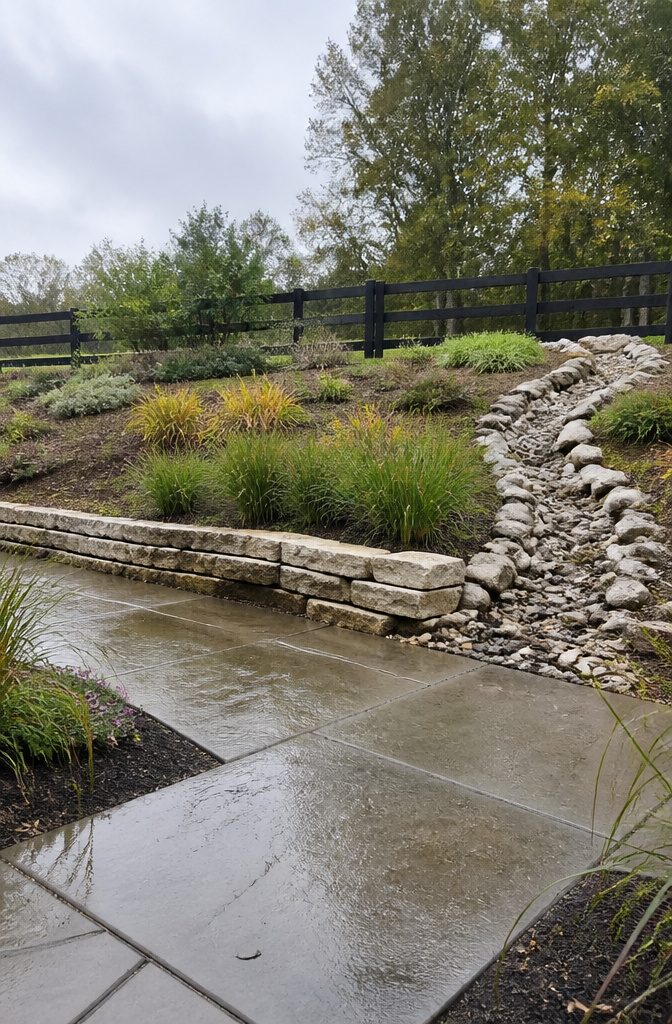
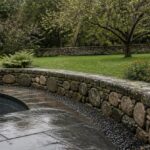
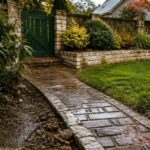
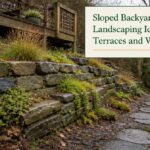
Lime rock is the budget pick for slope work. Covering a bank takes a lot of stone, and lime rock is exceptionally affordable, which matters when a few hundred dollars has to stretch across the whole yard.
It also looks good, so the rock you buy for function doesn’t have to be hidden.
Its main uses are garden walls, shore lining, and decorative erosion control.
Large pieces can be stacked into a small retaining area, set along a grade to slow runoff and manage the slope, or lined up to define a planting bed so soil and mulch stay on the flat side.
Keep stacked walls low. A tall wall on a steep bank is a job for an engineered retaining wall, not a weekend pile of rock.
Recommended Products
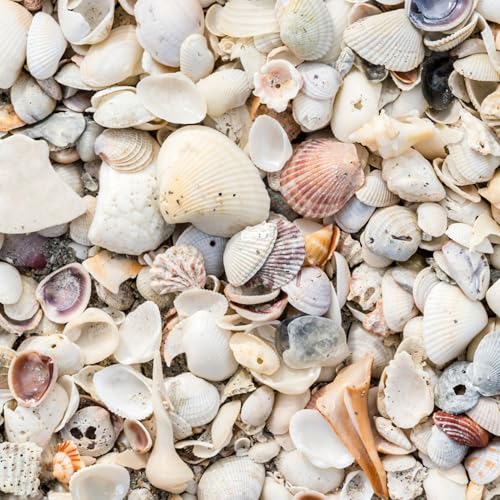
Natural and Unique (0.5–3-Inch Shells): Each bag contains natural sea shells sourced from the Atlantic Ocean. Shell colors may vary slightly from batch to batch due to their natural origin, offering an authentic, one-of-a-kind look for your garden.
Natural and Unique (0.5–3-Inch Shells): Each bag contains natural sea shells sourced from the Atlantic Ocean. Shell colors may vary slightly from batch to batch due to their natural origin, offering an authentic, one-of-a-kind look for your garden.
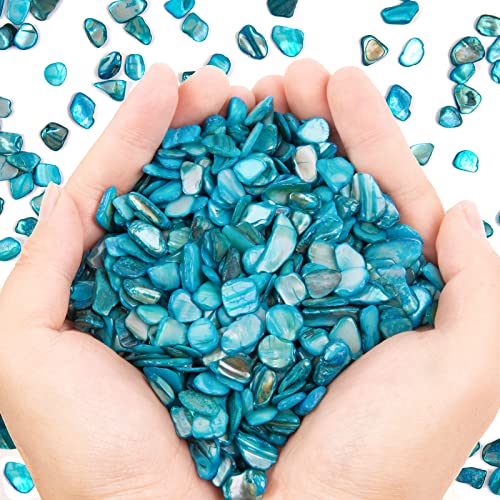
Weight: Small crushed shell about 1 pound (405g/14.28 ounces). Size:9-12 mm. Package: Plastic box. Shape: Irregularly.
Beach Pebbles
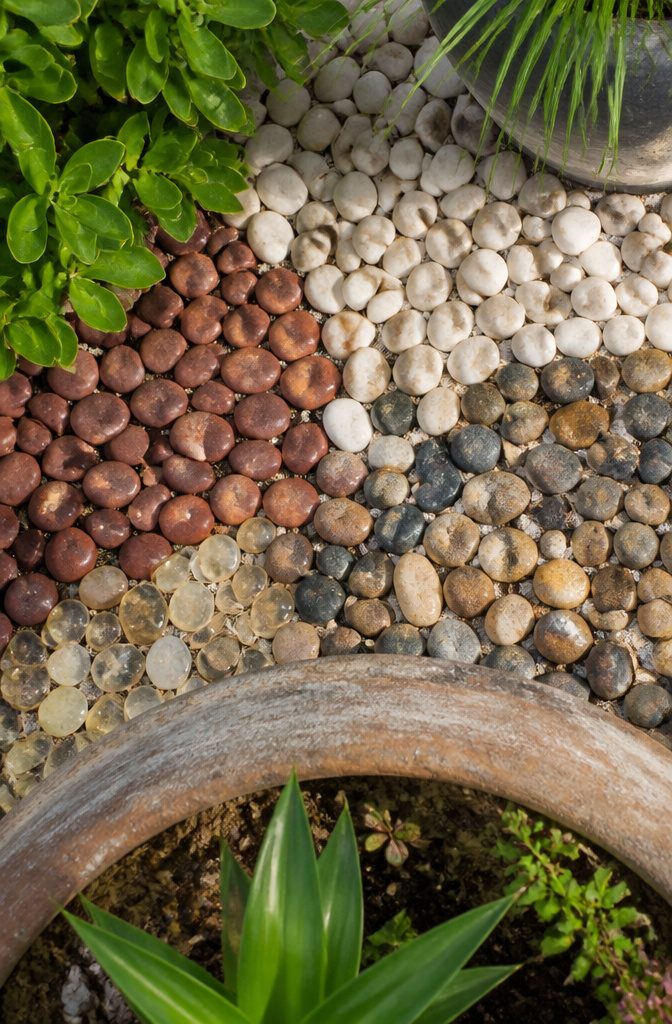
Beach pebbles add color and texture at once, and the range is wide enough to match most yards. Four types to know:
- Red Mexican Beach Pebbles: add a warm red.
- White Mayan Sea Pebbles: add white, which stands out against green foliage and dark soil.
- Mixed Color Ocean Pebbles: add several colors in one bag. If you can’t settle on a palette, this is the safest pick, because it works with whatever flowers, pots and siding you already have.
- Translucent pebbles: add a see-through, glassy quality instead of a solid color, so they work best as an accent rather than a full bed.
Polynesian Firelite
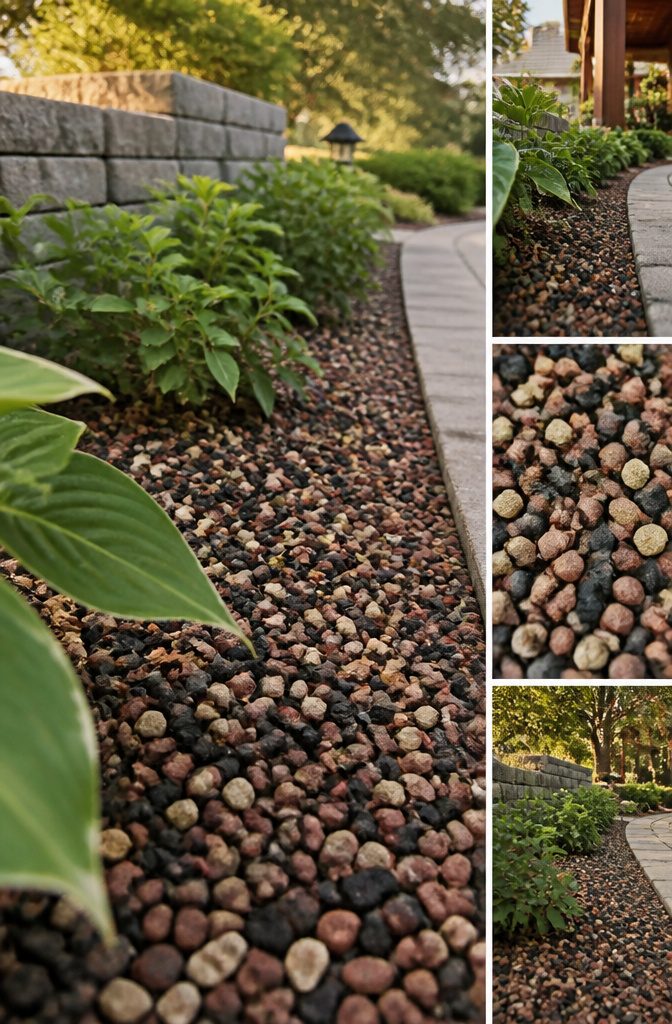
Polynesian Firelite is a red, black and tan stone sold as a groundcover. Spread over bare soil, it helps minimize weed growth, reduce erosion, and protect and insulate the plants growing through it.
It needs a single application at the thickness you want, and after that upkeep is minimal. Because the stone is non-living, it won’t decompose the way bark or wood mulch does, so you aren’t topping it up every spring.
The three-tone blend is lively up close.
It looks best around plants with plain green foliage, where the stone supplies the color and the plants supply the shape. In a bed that is already full of bright flowers, the stone competes with them.
Recommended Products
[DURABLE NATURAL MATERIAL] - Crafted from hard natural stone, these fish tank gravel resist fading and cracking, ensuring long-lasting beauty even under harsh sun and rain. Perfect for enhancing your garden paths or outdoor landscaping with a touch of nature's resilience. Ideal for homeowners seeking durability without compromising style.

【5 lbs Jade Rocks】Weight:5 pounds, Size:1-2 inch. Jade rocks are really heavy, smaller than expected in volume and quantity. That's why we've divided our packages into 4 weights and 2 sizes to meet the different needs of our customers, 1-2 inches 5 lbs or 10 lbs for small indoor and outdoor uses, and 2-3 inches 20 lbs and 40 lbs for large indoor and outdoor uses
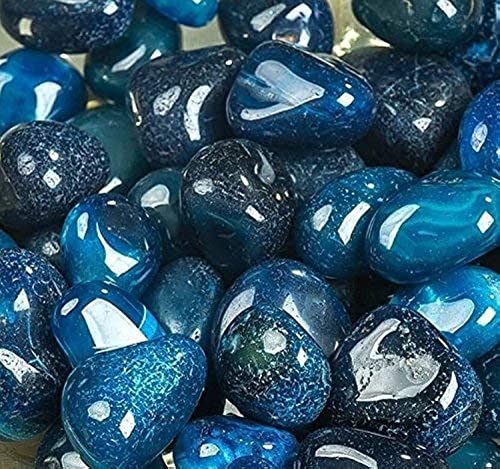
Material: Stone Weight-4.5 lbs approx (60 pieces) Size-2 cm - 3.5cm
Rock Versus Mulch
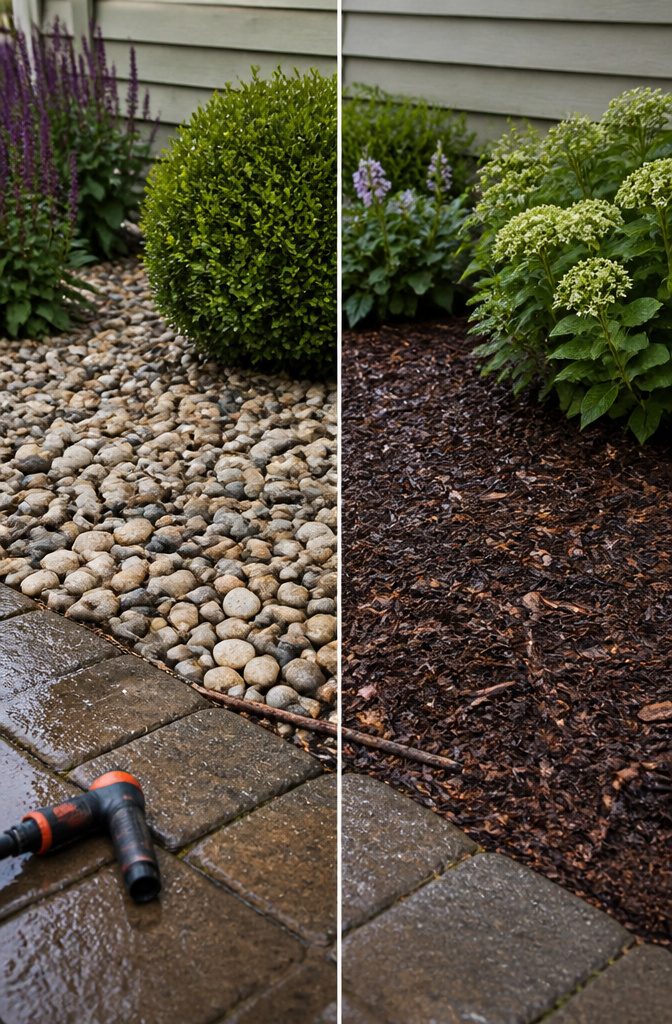
Decorative rock wins on durability.
It doesn’t decompose, mold or rot, so you never refill a bed as it breaks down. It also suppresses weeds, resists wind on erosion-prone ground, and is fireproof, which matters for a bed along the house wall.
Rock is the low-maintenance pick, though not a no-maintenance one: dust and debris settle between stones, so plan on an occasional spray or cleaning.
Mulch still has its place. Use rock where you want a permanent groundcover, a mulch substitute around shrubs, or a textured accent beside a path.
Your goals, your space, your soil and the look you want over the years decide the mix, and many yards use both.
Recommended Products
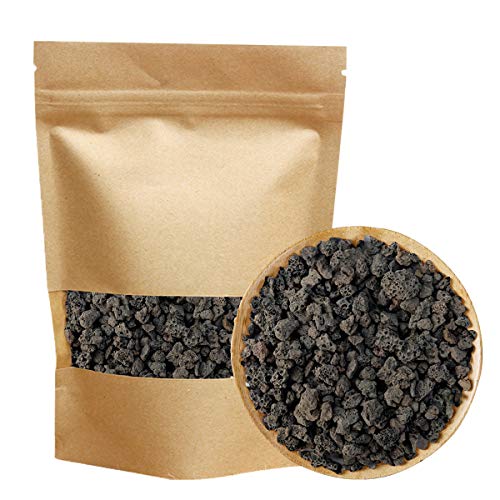
EASY TO MAINTAIN -- Focus on the most satisfying part of maintaining a plant. Adding porous lava rocks instead of mulch to maintain plants like orchids, succulents, cacti, and bonsai trees ensures proper drainage while maintaining moisture.

Natural Volcanic Rock: Horticultural red lava rock feature a vibrant, earthy color for warm and natural gardening. Sized at 3/8" (6-9mm), they enrich their hue when used in water. Long-lasting, non-staining and non-fading, maintaining enduring beauty at home

【Natural Red Lava Rocks】Genuine red lava stones formed by natural volcanic activity, offering vibrant, earthy hues without any artificial dyes or chemical additives. These reusable rocks bring lasting beauty and a touch of nature to your fire display.